Ube in Korea: How the Purple Yam Took Over Korean Cafés (and What They're Making With It)
What is ube, and why is every Korean café suddenly purple? How the Filipino purple yam traveled from US menus to Seoul bakeries — the Starbucks cheesecake, the purple cream bread — plus easy ube recipes with a Korean twist.
Why Everyone Is Talking About It
Walk into a Korean café in 2026 and there's a decent chance the display case has gone purple. Ube — the Filipino purple yam with the vanilla-meets-coconut flavor — has arrived in Korea in a big way: Starbucks Korea took its ube Basque cheesecake from a 100-store test to a nationwide rollout, a purple cream bread from Yonsei Milk reportedly sold more than 50,000 units in its first four days, and seemingly every franchise from Dunkin' to the convenience stores has shipped an ube menu in the space of a few months.
What makes this trend fun to watch from the US is the direction of travel. Buldak noodles and frozen kimbap were Korean foods that conquered American shelves; ube is the opposite — a flavor that built its momentum on American menus first, then landed in Seoul, where the Korean dessert scene is now busy doing what it always does: remixing it into rice cakes, cream breads, and bingsu. Here's the story, and the easiest ways to cook with ube at home — including a couple of Korean-style twists you won't find in the Manila playbook.
Where It All Started
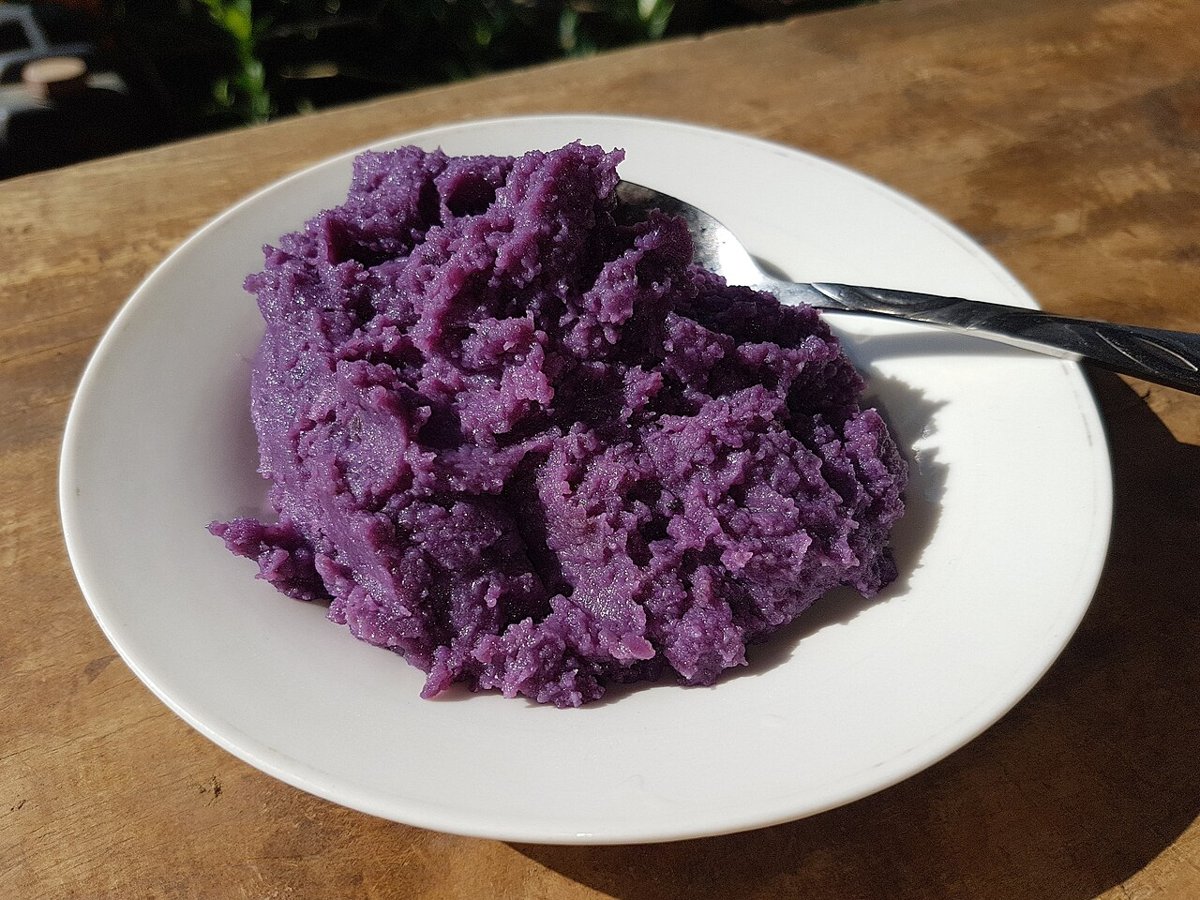
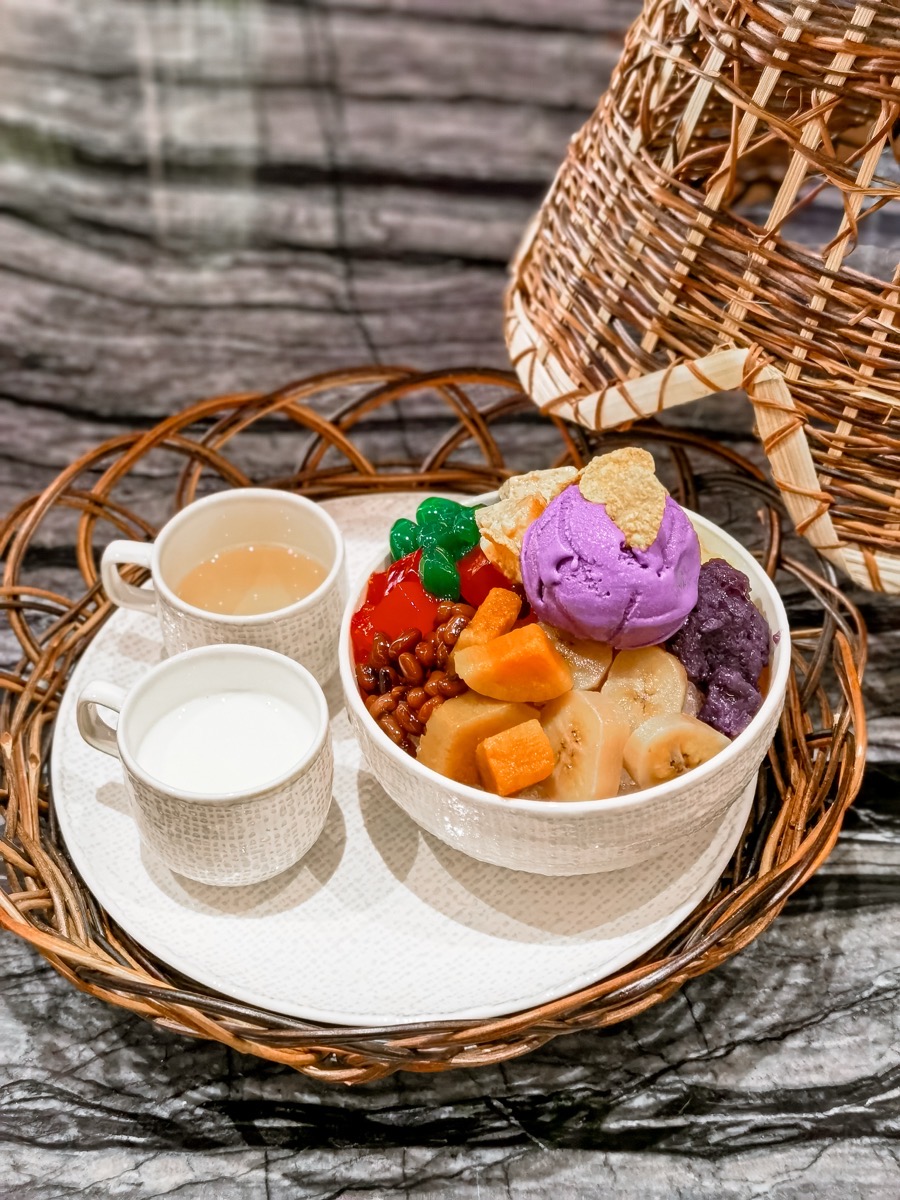
Ube (pronounced OO-beh) is Dioscorea alata, the purple yam — a staple root vegetable across the Philippines and Southeast Asia, and a beloved dessert base in Filipino cooking for generations. The classic preparation is ube halaya: the yam boiled and mashed, then cooked down slowly with coconut milk, condensed milk, and butter into a thick, glossy purple jam that gets eaten straight, spread on bread, or folded into everything from ice cream to the layered shaved-ice dessert halo-halo.
Two things make ube special as an ingredient. The color is real — that saturated violet comes from anthocyanins, no food dye required, which matters both for the camera and for the wellness crowd (the same antioxidant family as blueberries). And the flavor is gentler than the color suggests: subtly sweet, faintly nutty, with that hard-to-place vanilla-coconut warmth. The result is striking on camera but mild on the palate — an unusual and useful combination for a dessert ingredient. As someone who cooks with a lot of naturally bold Korean ingredients, I appreciate how forgiving ube is: it never fights the other flavors in a dish.
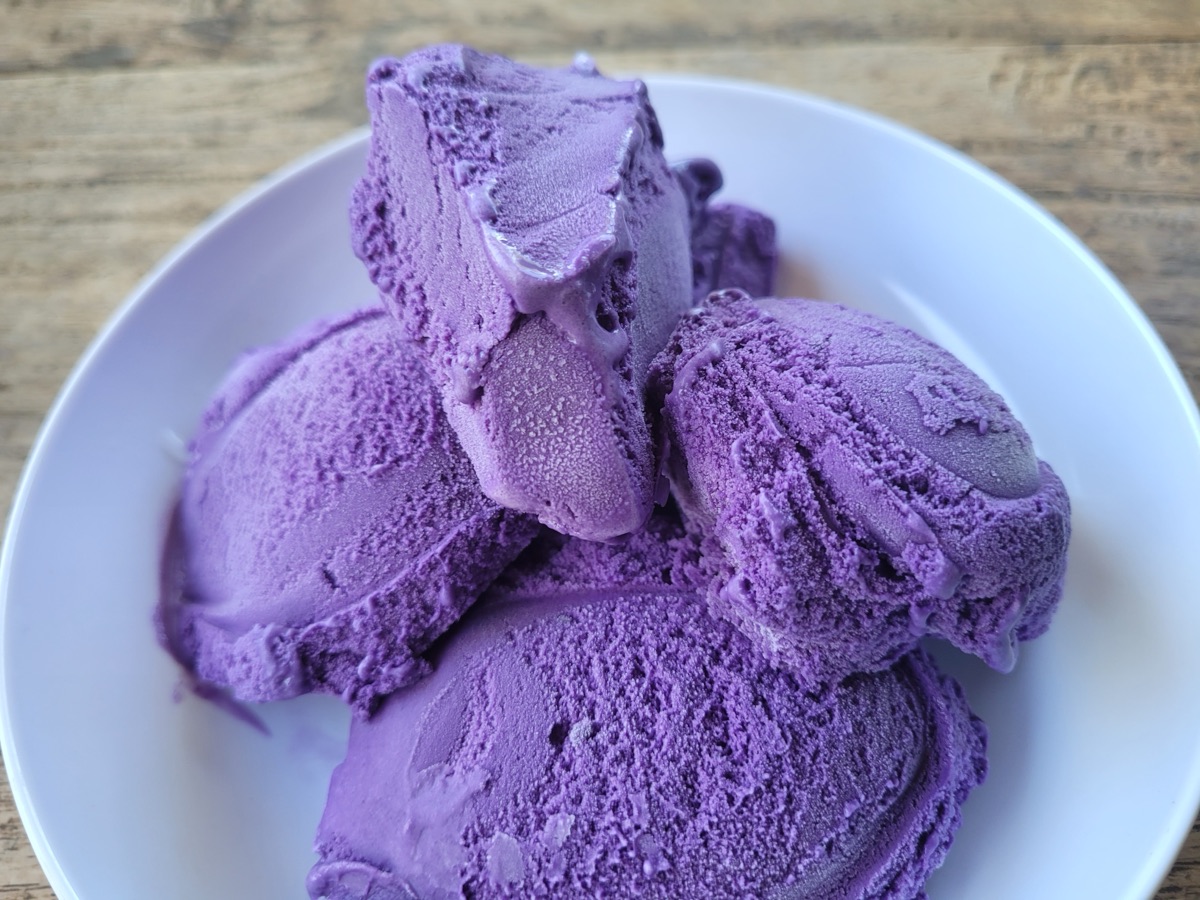
If you grew up near a Filipino community in the US, none of this is news — ube cakes and ube ice cream have anchored Filipino bakeries in California and Hawaii for decades, long before the algorithm noticed. What changed is distribution: a flavor that used to require knowing the right bakery is now a powder, an extract, and a frozen purée away from any home kitchen. That accessibility, as much as the color, is what let it jump continents.
Why It Blew Up
The global wave built in the US first, carried by Filipino-American bakers and creators through the late 2010s. Trader Joe's put ube ice cream and pancake mix on shelves in 2020 and watched them become cult items; by 2026, food-industry research firm Datassential was reporting that ube appearances on US menus had grown roughly 231% over four years, and Starbucks in the US made an ube coconut macchiato a regular menu item. Philippine yam exports reportedly jumped more than 40% year over year — some US coverage started calling it a "purple gold rush."
Korea picked up the signal in early 2026, and the rollout was a case study in how fast Korean food retail moves once a trend is validated abroad. Twosome Place led the franchise wave with a four-item seasonal ube lineup; doughnut brand Knotted followed with six. Starbucks Korea's ube Basque cheesecake test went national. Dunkin', Sulbing, Ediya, Paris Baguette, Tous les Jours, and Paik's all shipped ube items; snack giants put out ube versions of legacy products — Kancho-maker Lotte's custard cakes, Haitai's Oh Yes, Crown's Couque D'asse — and CU convenience stores launched a whole ube dessert range at once. The framing in Korean industry coverage was consistent: ube is positioned as "the next matcha" — a colorful, wellness-coded, caffeine-free flavor with the same photogenic pull.
The wellness angle did real work in Korea, too: ube reads as a superfood (antioxidants, fiber, a low glycemic index around 24), which gives a trend dessert an unusually respectable cover story. You're not eating a purple cake; you're eating anthocyanins.
And the matcha comparison is more than marketing shorthand. Matcha's path — Japanese specialty ingredient → US café culture → global default flavor — took roughly a decade. Ube is visibly running the same route faster, with the same three assets: an instantly recognizable natural color, a story rooted in a specific food culture, and enough versatility to slot into lattes, cakes, breads, and ice cream without losing its identity.
How It Keeps Evolving
True to form, Korea isn't just serving Filipino ube desserts — it's hybridizing. CU's lineup includes ube chaltteok (chewy rice cakes) alongside the cheesecakes; bakeries are folding ube cream into Korean-style cream breads and salt breads; bingsu shops are pouring it over shaved milk ice where red bean used to go. The pattern will look familiar if you've read our Dubai chocolate or butter tteok stories: a validated flavor arrives, and within a season it's been translated into every format Korean dessert culture owns.
There's a supply-side wrinkle worth knowing about: ube is genuinely hard to grow at trend-scale. Philippine harvests have reportedly been tight for two years, the yam takes most of a year to mature, and demand has run far enough ahead of supply that the Philippines has reportedly imported Vietnamese-grown ube to cover orders. Most commercial "ube" products worldwide — Korea included — run on ube powder, extract, or frozen purée rather than fresh yam, which is also the practical route for home cooks outside Southeast Asia.
Whether ube follows matcha into permanent-fixture status or fades like a seasonal color is an open question — Korean trend cycles being what they are, both futures are plausible. But the ingredient itself isn't going anywhere: Filipino cooking has kept it beloved for generations, and the US market keeps growing. Learn to work with it once and you're covered either way. Here's where to start.
Try It at Home
1. Ube Halaya (the Foundation Jam)
The traditional Filipino base — and the smart first move, because one batch becomes the filling, spread, or swirl for everything else. This version uses frozen grated ube or rehydrated powder, which is what most kitchens outside the Philippines can actually get.
Ingredients
- 450g frozen grated ube, thawed (or 100g ube powder rehydrated per package directions)
- 1 can (400ml) coconut milk
- 1/2 can (200ml) sweetened condensed milk
- 60g butter
- Pinch of salt, 1/2 tsp vanilla (optional)
Steps
- Melt the butter in a heavy pan over medium-low heat and add the ube; cook 5 minutes, stirring.
- Add coconut milk and condensed milk and cook, stirring near-constantly, 25-35 minutes, until the mixture thickens enough to briefly hold a spatula line.
- Season with salt (it sharpens the color and the flavor), stir in vanilla, and cool.
- Keeps about 2 weeks refrigerated. Congratulations — you now hold the key to every recipe below.
- Stir patience into this one — rushing the reduction gives you purple soup. It's done when a spoon dragged through leaves a slow-closing trail.
The ube itself — three forms that work
- Ube powder — shelf-stable, most accessible
- Frozen grated ube — best flavor — check Asian grocery freezers
- Ube extract — for boosting color in lattes and bakes
2. Ube Latte (Café Version at Home)
The café staple of the trend — caffeine-free, which is exactly why Korean cafés love it as a matcha alternative for the evening crowd.
Ingredients
- 2 tbsp ube halaya (above), or 1 tbsp ube powder + 1 tsp sugar
- 200ml milk of choice
- 1/4 tsp ube extract for color (optional)
- Ice, or steam it hot
Steps
- Whisk the halaya with a splash of hot milk until completely smooth — lumps are the enemy.
- Add the rest of the milk (iced: shake with ice / hot: steam or froth).
- Taste before adding sugar; halaya is already sweet.
- For the full café effect, layer the purple base under the milk and stir at the table.
3. Ube Basque Cheesecake (the Starbucks Korea Hit, Home-Sized)
One of Korea's most visible ube menu items this year is a natural pairing — Basque cheesecake's burnt top and custardy middle carry ube beautifully. This is a small 6-inch version.
Ingredients
- 340g cream cheese, room temperature
- 100g sugar, 2 eggs
- 150ml heavy cream
- 80g ube halaya + 1/2 tsp ube extract
- 1 tbsp flour, pinch of salt
Steps
- Heat the oven hot — 230°C (450°F) — and line a 6-inch pan with parchment, leaving tall edges.
- Beat cream cheese and sugar smooth; add eggs one at a time, then cream, halaya, extract, salt, and finally the flour.
- Pour and bake 25-30 minutes until the top is deeply browned but the center still wobbles like set custard.
- Cool fully, then refrigerate at least 4 hours. The burnt top against the purple interior is the whole show — slice it at the table.
Worth it for this one
- 6-inch springform or cake pan — the small format keeps the custardy center
4. Ube Injeolmi Toast (the Korean Twist)
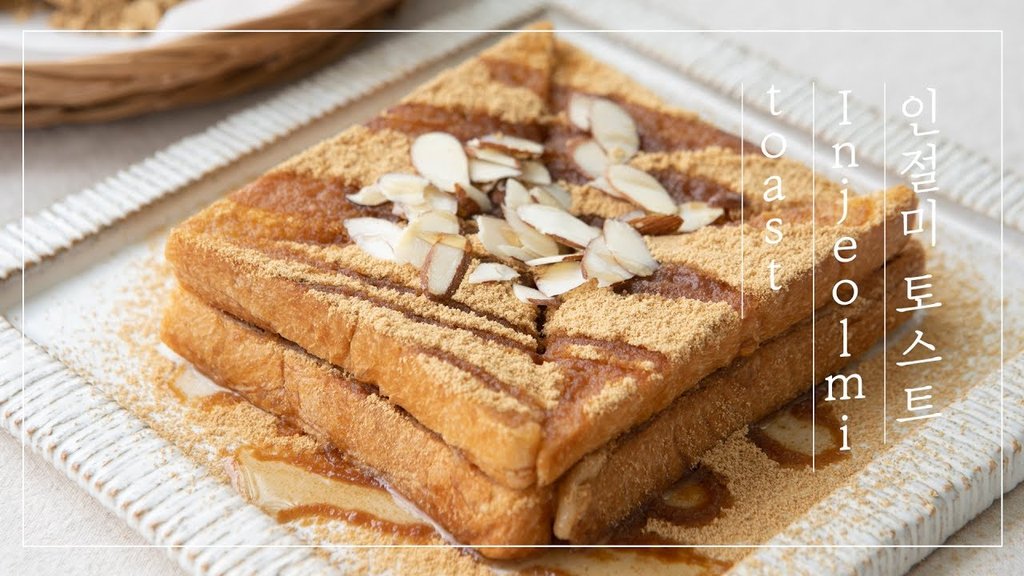
The Korea-only mashup: ube halaya meets injeolmi toast, the beloved café toast with chewy rice cake and roasted soybean powder. Purple jam, chewy tteok, nutty dusting — this is what fusion looks like when both sides are good at dessert. I started making this after seeing Korean cafés pair ube with konggaru, and the combination genuinely works — earthy powder against the vanilla-sweet jam.
Ingredients
- 2 slices thick milk bread
- 3 tbsp ube halaya
- 4 small pieces of sliced garaetteok or thin tteok (or mochi)
- 1 tbsp butter, 2 tbsp roasted soybean powder (konggaru), drizzle of condensed milk
Steps
- Butter-toast the bread in a pan until golden on both sides.
- Warm the tteok in the same pan until soft and pliable.
- Spread one slice generously with ube halaya, lay the tteok over it, and cap with the second slice.
- Dust heavily with konggaru, drizzle condensed milk, and cut diagonally. Eat while the tteok still stretches.