Some links below are affiliate links. As an Amazon Associate I earn from qualifying purchases. Learn more
Korean Cooking Tools — What You Actually Need
By Logan · Published 2026-04-17 · Updated 2026-05-10
Quick Verdict
Best overall
Buy a rice cooker and keep using the heavy skillet you already own.
Best budget
Skip specialty grills and containers until you are cooking Korean food often enough to miss them.
Best for beginners
A rice cooker, stainless chopsticks, kitchen scissors, and one dependable pan cover most of this site.
Buy it if
Ttukbaegi and dolsot are worth it only when you already know you love jjigae or bibimbap.
There is a whole world of Korean cooking equipment out there, and it is easy to end up buying things you never use. I have been there — a closet shelf of specialty items gathering dust because I got excited at H Mart. Here is an honest breakdown of what you actually need, what is nice to have, and what you can safely skip, organized from beginner essentials to advanced tools for serious Korean cooks.
Beginner Essentials — Start Here
1. Rice Cooker
If you cook Korean food with any regularity, a rice cooker is non-negotiable. Korean meals are built around rice, and a good rice cooker makes perfect rice every single time with zero effort. You press a button and walk away.
You do not need a $300 Cuckoo or Zojirushi to start. A basic Aroma or Hamilton Beach digital rice cooker in the $25-40 range makes perfectly good rice. The expensive Japanese and Korean brands offer fuzzy logic and pressure cooking, which do make noticeably better rice — but it is a luxury, not a necessity.
What to look for: A model with a keep-warm function and a non-stick inner pot. 3-cup capacity is fine for 1-2 people, 6-cup for families.
Budget pick: Aroma ARC-914SBD ($30-35). Makes good rice, has a keep-warm function, and is reliable.
Upgrade pick: Zojirushi NS-TSC10 ($170-200). Fuzzy logic makes noticeably better rice. Worth it if you eat rice daily.
Korean premium: Cuckoo CRP-P0609S ($200-300). Pressure cooking creates the crispiest nurungji (bottom crust) and fluffiest rice. This is what most Korean households use.
My take: Start cheap, upgrade later if you find yourself eating rice daily. The difference between a $30 rice cooker and a $200 one matters, but a $30 rice cooker is still infinitely better than cooking rice in a pot on the stove.
2. Stainless Steel Chopsticks and Long Spoon
Korean chopsticks are flat and made of stainless steel, which makes them different from Chinese (round, wood) and Japanese (pointed, wood or lacquered) chopsticks. They are slippery at first but you get used to them quickly.
More importantly, you want a set of long Korean cooking chopsticks — these are longer than eating chopsticks and essential for stir-frying, flipping meat, and handling food in hot pans. They replace tongs for most tasks.
The long-handled Korean spoon is what you use for eating soups and stews. It is different from a Western soup spoon — flatter and more oval-shaped, designed for scooping rice and soup together.
What to buy: A basic set of stainless steel chopsticks and spoons from any Korean brand. These are cheap — usually $8-15 for a set of 4-5 pairs. They last forever and go in the dishwasher.
Where to buy: H Mart housewares section, Amazon (search "Korean stainless steel chopsticks set"), or any Korean grocery store.
3. A Good Heavy Skillet or Pan
You do not need a specifically Korean pan for most cooking. A 12-inch stainless steel or cast iron skillet handles bulgogi, japchae, pancakes (jeon), and stir-fries perfectly well. If you already own a good pan, you are set.
My take: Do not buy a new pan just because you are starting Korean cooking. Use what you have. A 12-inch cast iron skillet or tri-ply stainless steel pan covers 90% of what you need.
4. Sharp Knife and Cutting Board
Korean cooking involves a lot of vegetable prep — julienning carrots, slicing scallions, mincing garlic, cutting kimchi. A sharp chef's knife (8-inch Western style or a Korean-style vegetable knife) and a large cutting board make this prep much faster and more enjoyable.
Korean vegetable knives are worth mentioning — they are lighter than Western chef's knives, with a thinner blade designed for the precise vegetable cuts common in banchan preparation. But any sharp knife works.
Intermediate — Nice to Have
5. Ttukbaegi (Korean Earthenware Pot)
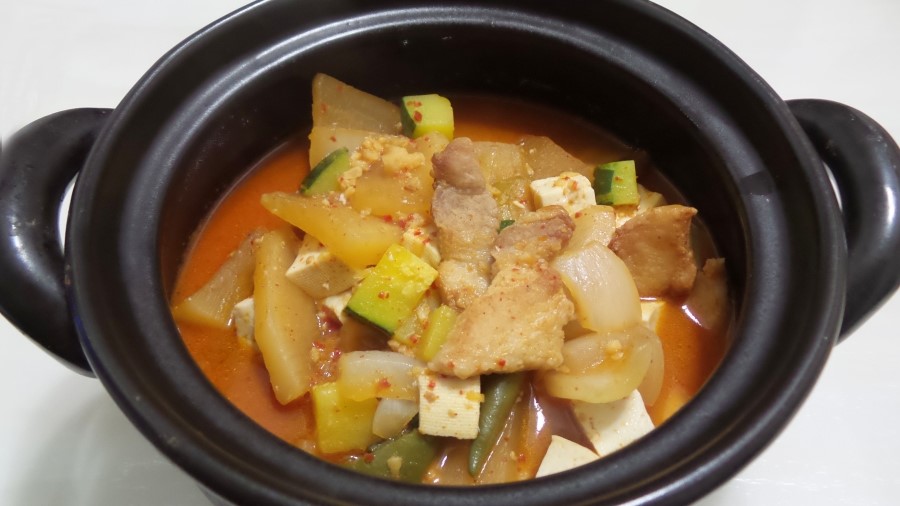
These small, rough-textured clay pots are what Korean stews and jjigae are traditionally served in. They retain heat incredibly well — your doenjang jjigae will still be bubbling when it reaches the table. That residual heat is not just for show; it continues cooking the stew and keeps it hot throughout the meal.
What to look for: A single-serving size (about 14-16cm diameter) is most useful. They are cheap — usually $10-15 each. Get two if you make jjigae regularly.
Important: Ttukbaegi must be seasoned before first use (soak in water, boil rice water in it) and heated gradually. Going from cold to high heat too fast will crack them. Always start on low heat and increase gradually.
Where to buy: H Mart housewares section (best for inspecting for cracks), Amazon, or Korean kitchen supply stores online.
My take: These make a real difference for jjigae presentation and heat retention. Worth buying once you are making Korean stews regularly. But a regular small saucepan works fine for actually cooking the stew — the ttukbaegi is mainly about the serving experience.
6. Gimbap Rolling Mat (Bamboo Mat)
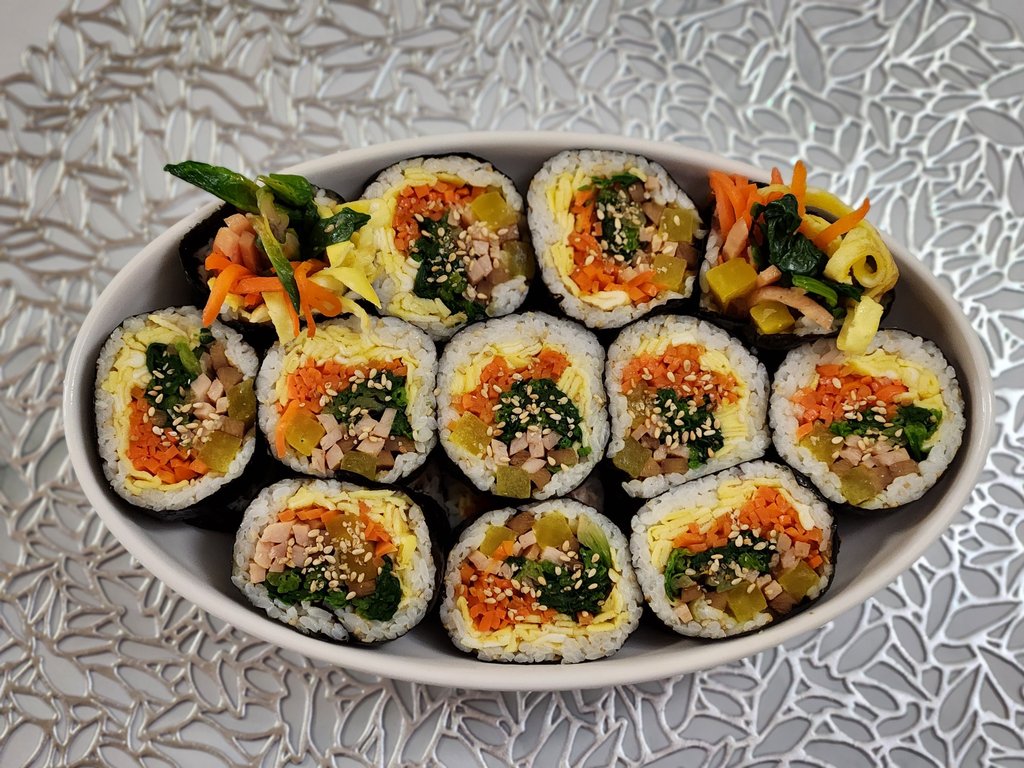
A bamboo rolling mat for making gimbap (Korean rice rolls) and sushi. These are incredibly cheap — usually $2-4 — and make rolling tight, even gimbap much easier than trying to do it freehand.
What to buy: Any bamboo sushi mat works. There is no meaningful quality difference between brands at this price point. Get one with flat slats rather than round ones for a smoother roll.
My take: If you plan to make gimbap even once, buy one. They cost less than a cup of coffee and the difference in rolling quality is significant.
7. Dolsot (Stone Bowl)
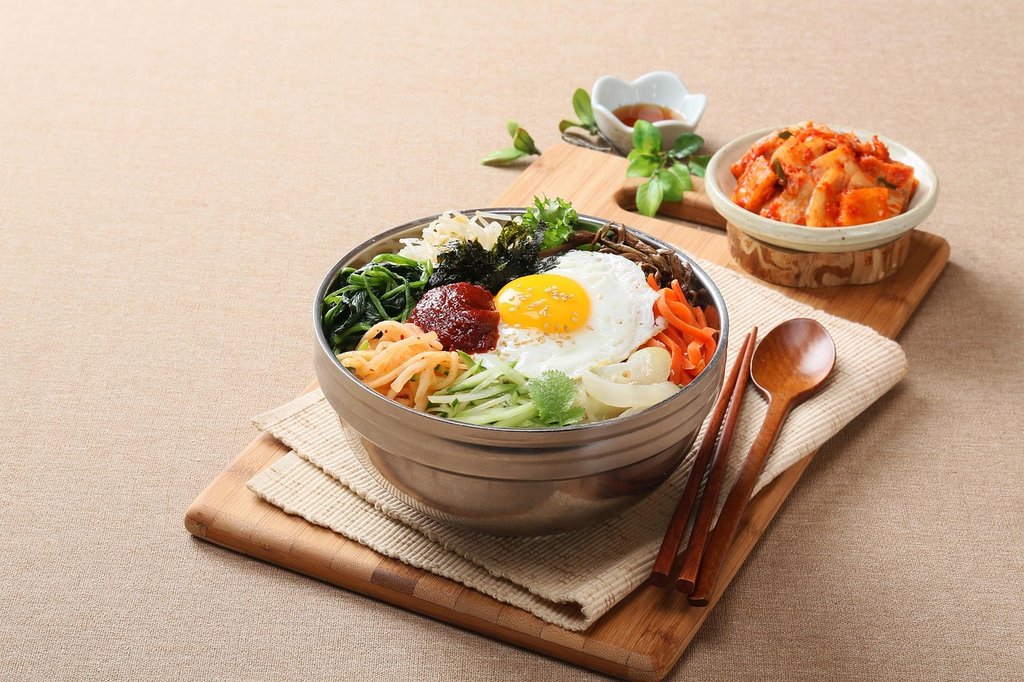
The stone bowl used for dolsot bibimbap — the version where the rice gets a crispy golden crust on the bottom. These are heavy, retain heat for a very long time, and create that signature sizzle when the egg hits the hot stone.
What to look for: Granite dolsot bowls in the 16-18cm size range. They typically come with a wooden trivet. Expect to pay $20-35 for a decent one.
Important: Like ttukbaegi, dolsot bowls need careful heat management. Season them with oil before first use, always heat gradually, and never put a hot dolsot on a cold or wet surface — it can crack.
Where to buy: H Mart (inspect in person), Amazon, or Korean kitchen specialty shops.
My take: Dolsot bibimbap is a genuinely different experience from regular bibimbap. The crispy rice (nurungji) is the best part. But if you only make bibimbap occasionally, a hot cast iron skillet can create a similar effect. The dolsot is worth it only if you love bibimbap enough to make it regularly.
8. Korean Scissors (Kitchen Shears)
Koreans use scissors in the kitchen constantly — cutting noodles in a pot, trimming meat, cutting kimchi, snipping scallions. Kitchen shears are arguably used more than knives for many tasks in Korean cooking.
At Korean BBQ restaurants, you will see scissors used to cut meat directly on the grill. This is completely normal and actually very practical.
What to buy: Any sturdy kitchen shears with a comfortable grip. Korean brands make specific kitchen scissors, but any quality pair works. Look for ones that come apart for easy cleaning.
My take: If you do not already have good kitchen scissors, buy a pair. They are more useful for Korean cooking than any specialty item on this list.
9. Steamer Setup
A steamer is useful for making gyeran-jjim (steamed egg), steaming dumplings, reheating rice, and making various Korean rice cakes. You do not need anything fancy — a bamboo steamer that fits over a pot, or a simple stainless steel steamer insert, works perfectly.
What to buy: A 10-inch bamboo steamer ($15-20) or a stainless steel steamer basket that fits your existing pots ($10-15).
Advanced — For Serious Korean Cooks
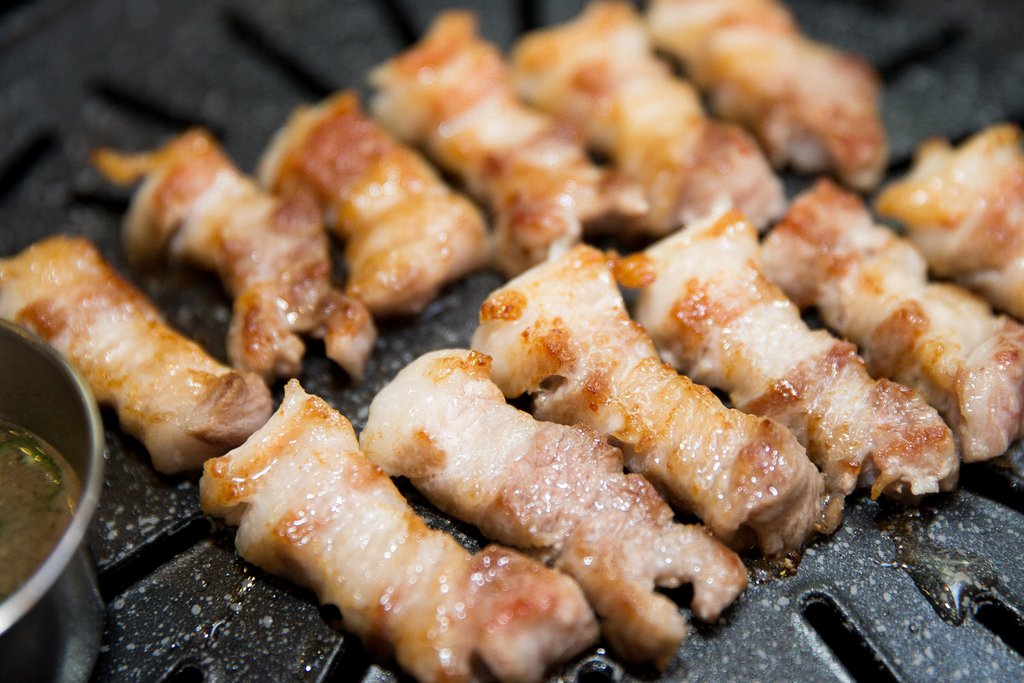
10. Korean BBQ Tabletop Grill
Portable tabletop grills for samgyeopsal and Korean BBQ at home are fun but impractical for most kitchens. They produce a lot of smoke, require ventilation, and the cheap ones do not get hot enough for a proper sear. The good ones (like high-end butane or electric models) cost $80-150 and you will probably use them a few times a year.
If you still want one: The Iwatani butane gas grill with a Korean BBQ plate is the setup most serious home cooks use. It gets properly hot and the butane fuel is cheap. But you need ventilation — use it near an open window or outdoors.
My take: Just use a cast iron skillet or grill pan on your stove. You get the same result without the smoke management headache. Unless you have a well-ventilated kitchen or plan to grill outdoors, skip the tabletop grill.
11. Onggi (Korean Fermentation Pots)
If you make kimchi, doenjang, or any fermented Korean foods from scratch, onggi pots are the traditional and ideal fermentation vessel. The porous clay allows micro-breathing that promotes beneficial fermentation while keeping harmful bacteria out.
What to look for: Proper onggi from Korea with a water-seal lid. Sizes range from small (1L, good for a small batch of kimchi) to very large (10L+, for serious kimchi-making).
My take: Only buy if you are regularly making kimchi or other fermented foods from scratch. Glass jars work fine for occasional batches. Onggi is for the dedicated fermenter.
12. Mandoline or Korean Vegetable Slicer
Korean cooking involves a lot of thin-sliced vegetables, and a mandoline speeds that up dramatically. Korean-style mandolines tend to be simpler and cheaper than French ones but work just as well for julienning and thin slicing.
My take: Only buy if you already know you want one. A knife works fine for everything on this site. A mandoline also comes with the constant risk of slicing your fingertips — always use the hand guard.
What You Can Skip
- Kimchi container: Any glass container with a tight-fitting lid works. A Mason jar does the job perfectly. Save your money for actual ingredients.
- Korean pizza cutter for jeon: Just use a knife or scissors.
- Specialized rice paddle: The one that came with your rice cooker is fine.
- Tabletop gas burner (for hotpot): Unless you host Korean hotpot parties regularly, you can serve from the stove.
Where to Buy Korean Cooking Tools
H Mart and other Korean grocery stores usually have a housewares section with ttukbaegi, dolsot, chopsticks, and gimbap mats at reasonable prices. For online shopping, Amazon carries all of these items with good reviews to help you choose.
One tip: for the earthenware and stone pieces, buying in-store lets you inspect for cracks and defects before purchasing. These items are fragile and occasionally arrive damaged from online shipping.
Korean kitchen specialty stores online (like KoreanKitchen.com or various Etsy shops) offer more traditional and artisanal options, especially for onggi and handmade dolsot bowls.
Budget Guide: Building Your Kitchen Over Time
- Month 1 ($30-50): Rice cooker (budget model) + stainless steel chopsticks/spoon set. These two purchases unlock most Korean cooking.
- Month 2 ($20-30): Ttukbaegi (1-2 pots) + gimbap mat + kitchen scissors. For stews and rolls.
- Month 3+ ($20-35): Dolsot if you love bibimbap, or a steamer setup for dumplings and steamed egg.
- Later: Upgrade the rice cooker if you eat rice daily. Consider a tabletop grill only if you have proper ventilation.
The total cost to fully equip a Korean kitchen is surprisingly low — under $150 gets you everything most home cooks need. And honestly, a rice cooker, a good pan, and some chopsticks will carry you through 80% of what this site offers.
You Might Also Like
Related Guides
Korean Pantry Starter Kit — Everything You Need Under $50
Build a complete Korean pantry for under $50. Covers gochugaru, gochujang, doenjang, sesame oil — with brand picks and where to buy.
Korean Pantry for Beginners — 10 Essentials
Stock your kitchen with these 10 Korean pantry essentials to make dozens of authentic dishes. Includes where to buy and starter recipes.
Korean Cooking for Beginners — Start Here
New to Korean cooking? Get the essential equipment, 5 must-have ingredients, easiest starter recipes, and tips to avoid common mistakes.
Where to Buy Korean Ingredients (2026 Guide)
Find Korean cooking ingredients at H Mart, Amazon, Trader Joe's, and online. Includes budget tips, what to buy where, and money-saving strategies.
Easy Korean Recipes with Rice — 11 Dishes You Can Make Tonight
Eleven simple Korean rice dishes you can make on a weeknight with basic ingredients. From kimchi fried rice to bibimbap, plus ideas for leftover rice.
Explore This Topic Further
Sesame Oil
Toasted sesame oil adds a nutty aroma to finished dishes. A few drops transform any Korean side dish.
Soy Sauce
Soy sauce seasons marinades, namul, soups, and sauces across Korean cooking. It is one of the site's most-used pantry ingredients.
Korean Recipes for Beginners
Start your Korean cooking journey with these beginner-friendly recipes. Simple ingredients, clear instructions, no prior experience needed.
Easy Korean Dinners for Weeknights
Quick and satisfying Korean dinner recipes ready in under 30 minutes. Perfect for busy weeknights.
K-Fridge
Already have some of these pantry staples?
Use K-Fridge to see which Korean recipes you can make tonight with the ingredients you already have at home.