Some links below are affiliate links. As an Amazon Associate I earn from qualifying purchases. Learn more
Best Rice for Korean Cooking: Which Brands to Buy (Short vs. Medium Grain)
By Logan · Published 2026-10-12 · Updated 2026-10-12
Quick Verdict
Best overall
Nishiki — consistent, widely available, sticky enough for gimbap without turning to paste.
Best budget
Kokuho Rose or Rhee Chun in the 20-pound bag — everyday rice at a low price per pound.
Best for beginners
Nishiki. One bag, works for everything, sold almost everywhere.
Buy it if
Tamanishiki costs more and shows it in a plain bowl — worth it when rice is the star of the meal.
| Product | Grain | Texture | Best For | Price |
|---|---|---|---|---|
| NishikiBest Overall | Medium (California) | Glossy, moderately sticky | Everything | $ |
| Kokuho RoseBest Budget | Medium (California) | Soft, neutral | Daily eating in bulk | $ |
| Tamanishiki Super PremiumBest Premium | Short (Koshihikari blend) | Plump, sweet, tender | Plain bowls, special meals | $$ |
| Shirakiku Koshihikari | Short (California) | Chewy, distinct grains | Gimbap, rice bowls | $$ |
| Rhee Chun / Han Kuk MiKorean-Market Standard | Medium (California) | Soft, mild | Bulk everyday rice | $ |
| CJ Hetbahn (cooked)Best Instant | Short, pre-cooked | Surprisingly good | Single servings, no cooker | $$$ per serving |
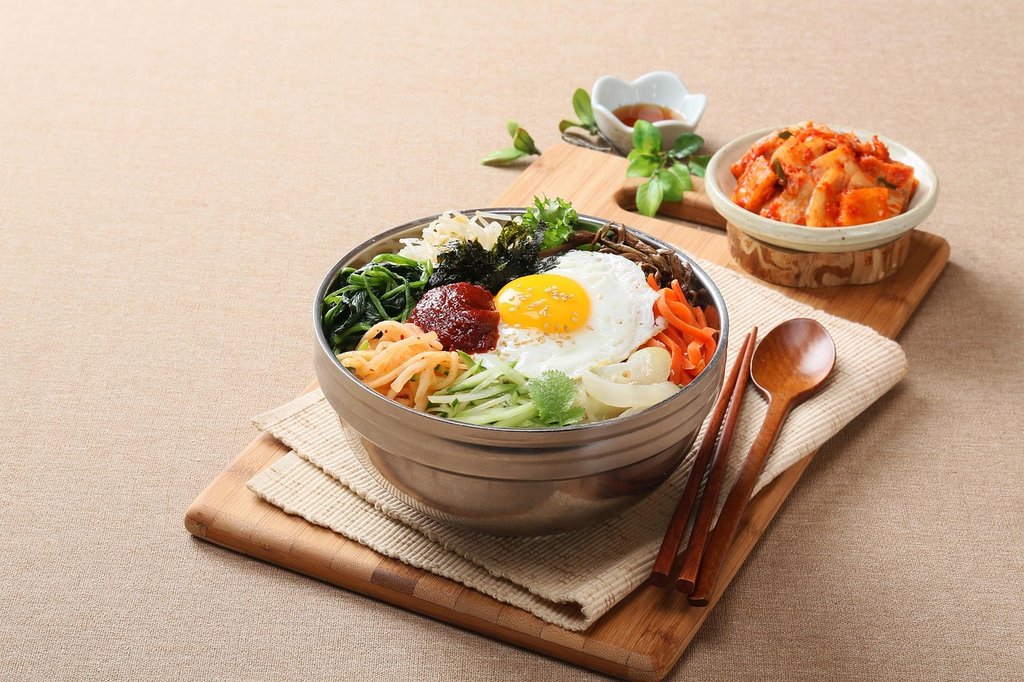
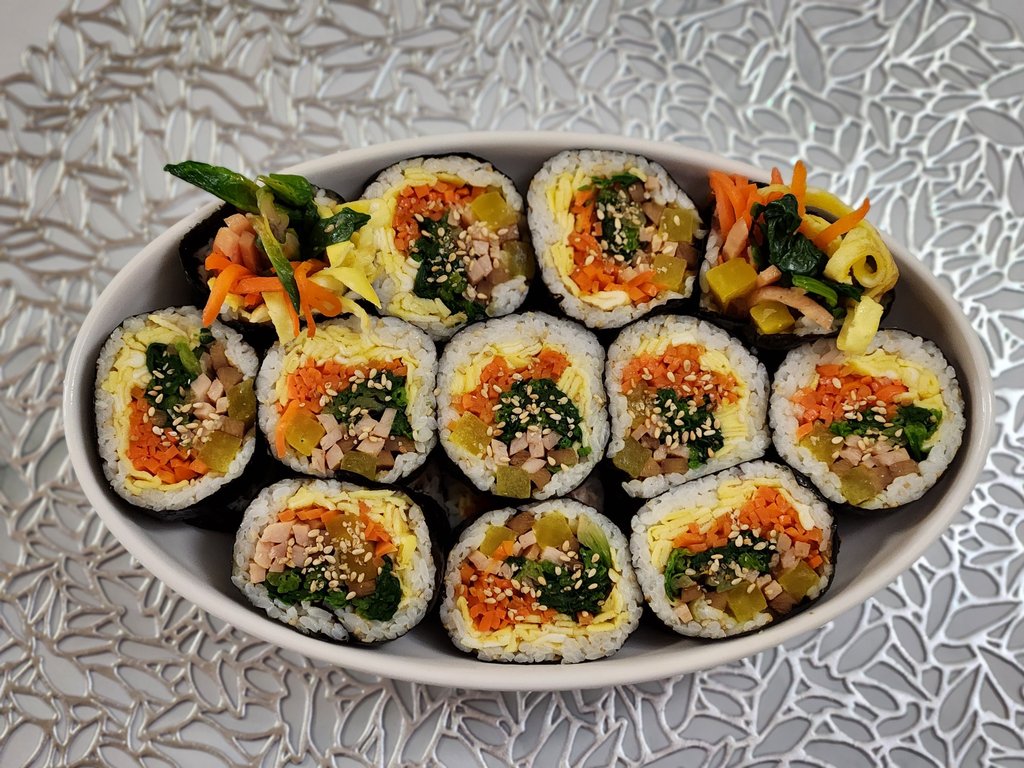
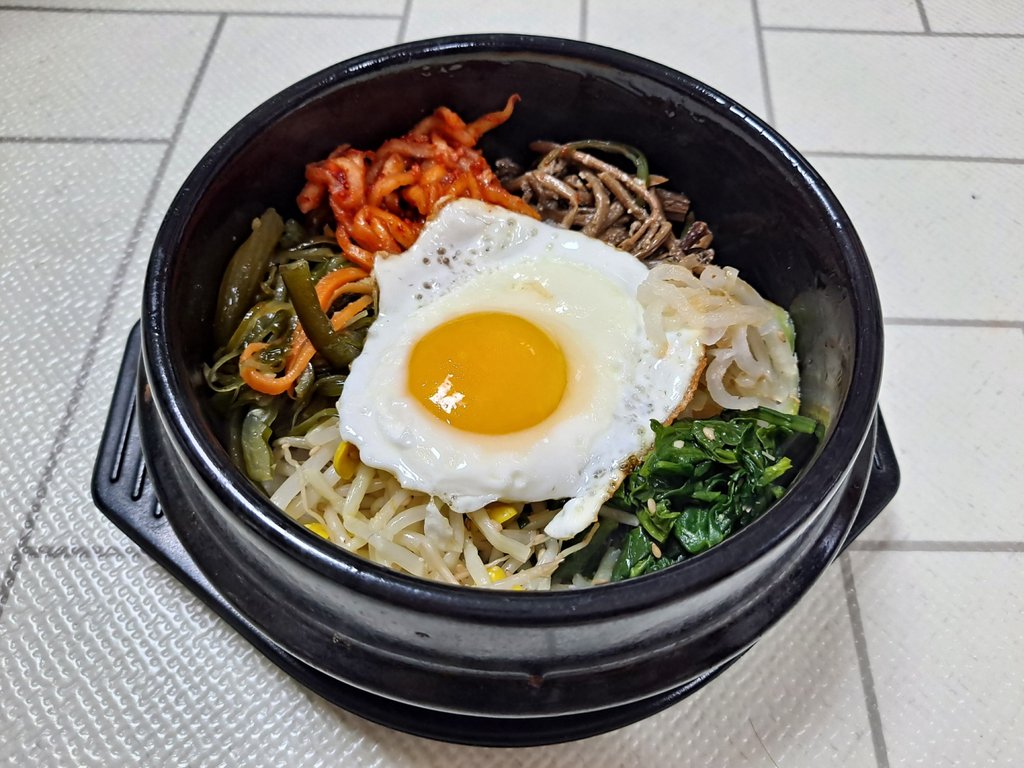
Rice is the quiet foundation of almost every Korean meal, and the wrong rice is the most common reason a home-cooked Korean dinner feels slightly off. Bibimbap made with fluffy long-grain rice falls apart. Gimbap rolled with jasmine rice won't hold. Even a simple bowl next to a stew tastes wrong if the grains are dry and separate instead of soft and clinging together.
The fix is simple: use short-grain rice. Here's what that means, which brands are worth buying in the US, and how to pick the right bag for how you cook.
What Korean Rice Actually Is
Korean table rice (ssal) is short-grain japonica rice — the same family as Japanese sushi rice. The grains are short, plump, and slightly translucent, and when cooked they turn glossy, tender, and sticky enough to pick up with chopsticks but not gummy. That stickiness is what makes gimbap roll and bibimbap hold together.
Much of what's sold as "Korean rice" in the US is actually grown in California, where the climate suits japonica varieties. Some premium bags are imported from Korea, but the California-grown options are excellent and much cheaper. The label will usually say "short grain," "sushi rice," or "Calrose."
A note on Calrose: it's technically a medium-grain rice, but it cooks up soft and slightly sticky, and it's what a lot of Korean families in the US use day to day. It's a perfectly good choice.
What to Avoid
- Long-grain rice (jasmine, basmati, standard American long-grain) — fluffy and separate, no stickiness. Wrong for rice bowls, gimbap, and most Korean dishes.
- Parboiled or "converted" rice — firm and dry by design. No.
- Glutinous / sweet rice (chapssal) — this is a different ingredient used for rice cakes and some porridges. It's far too sticky for everyday rice. Don't confuse "sticky rice" on a label with regular short-grain.
- Arborio — short grain, but bred for risotto; it releases too much starch and goes mushy.
1. Nishiki — Best Overall
Nishiki is a California-grown medium-grain rice that has been the dependable choice at Asian grocery stores for decades. It cooks consistently, has a clean flavor, holds a nice sheen, and is sticky enough for gimbap without turning to paste. It's widely available, including at many regular supermarkets, and the price is fair.
If you're buying your first bag of Korean-style rice, this is the safe pick.
Best for: Everyday bowls, bibimbap, gimbap, fried rice.
2. Kokuho Rose — Best Budget
Another long-running California brand, Kokuho Rose is a touch softer and more neutral than Nishiki, and often a little cheaper per pound in the big bags. It's a fine everyday rice and a common sight in Korean-American kitchens. If you eat rice daily, the 15- or 20-pound bag pays off.
Best for: Everyday eating on a budget, large families.
3. Tamanishiki Super Premium — Best Premium
Tamanishiki is a blend of two premium short-grain varieties (Koshihikari and Yumegokochi) grown in California. The grains are noticeably plumper and glossier, with a subtle sweetness and a tender bite that you'll notice in a plain bowl next to a stew. It costs more than Nishiki, but not outrageously so.
Best for: When the rice itself is the star — plain rice with banchan, dolsot bibimbap, special meals.
4. Shirakiku Koshihikari — Best Short-Grain Texture
Koshihikari is the prized Japanese short-grain variety, and Shirakiku's California-grown version is one of the easier ones to find. It's slightly stickier and chewier than Calrose-type rice, which makes it excellent for gimbap and for anyone who likes a firmer, more distinct grain.
Best for: Gimbap, rice bowls, people who prefer a chewier grain.
5. Rhee Chun (or Han Kuk Mi) — Most Korean-Market Standard
Walk into H Mart and these are the bags you'll see stacked by the door. Rhee Chun and Han Kuk Mi are California-grown rice packaged specifically for the Korean market, and they taste like it — soft, mild, sticky enough, and reliably consistent. They're often among the cheaper options per pound in the big 20-pound bags.
Best for: Anyone who shops at a Korean grocery; everyday rice in bulk.
6. CJ Hetbahn (Cooked Rice) — Best Instant
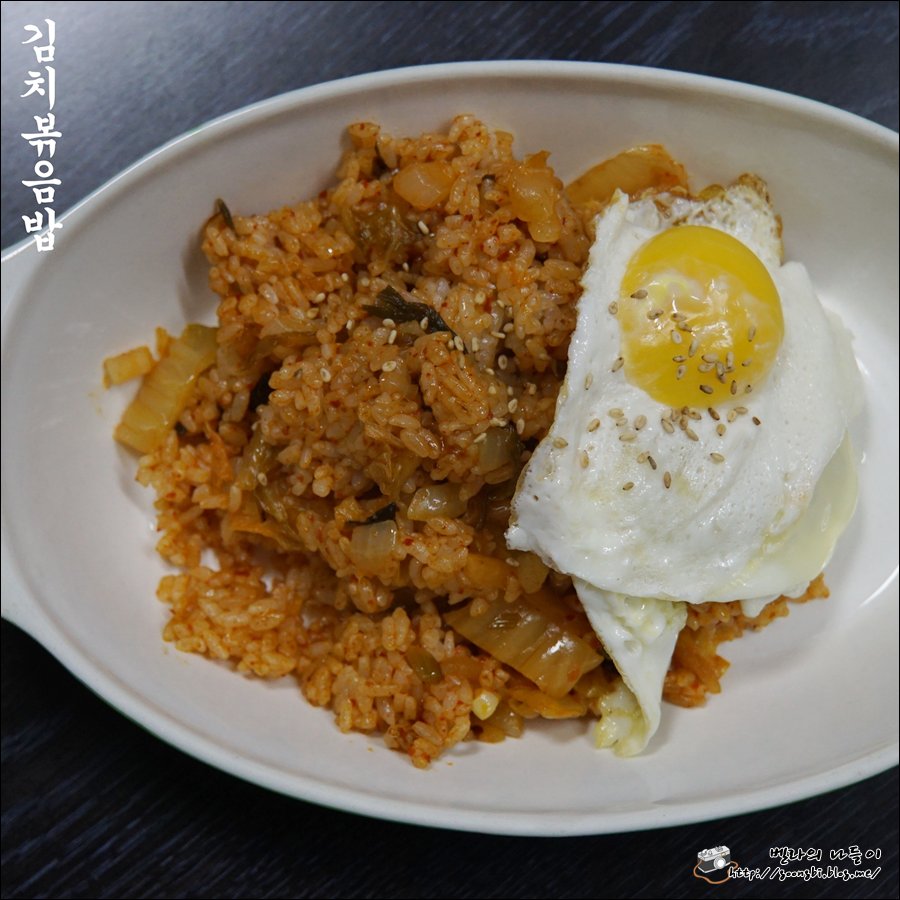
Hetbahn is pre-cooked, shelf-stable Korean rice in single-serve microwave bowls, and it's much better than it sounds — Koreans eat it constantly. Two minutes in the microwave and you have a bowl of genuinely decent short-grain rice. It's not cheap per serving, but for one person, a quick lunch, or a late-night kimchi fried rice, it's hard to beat.
Best for: Single servings, emergencies, no rice cooker.
Mixed-Grain Rice: Worth Trying
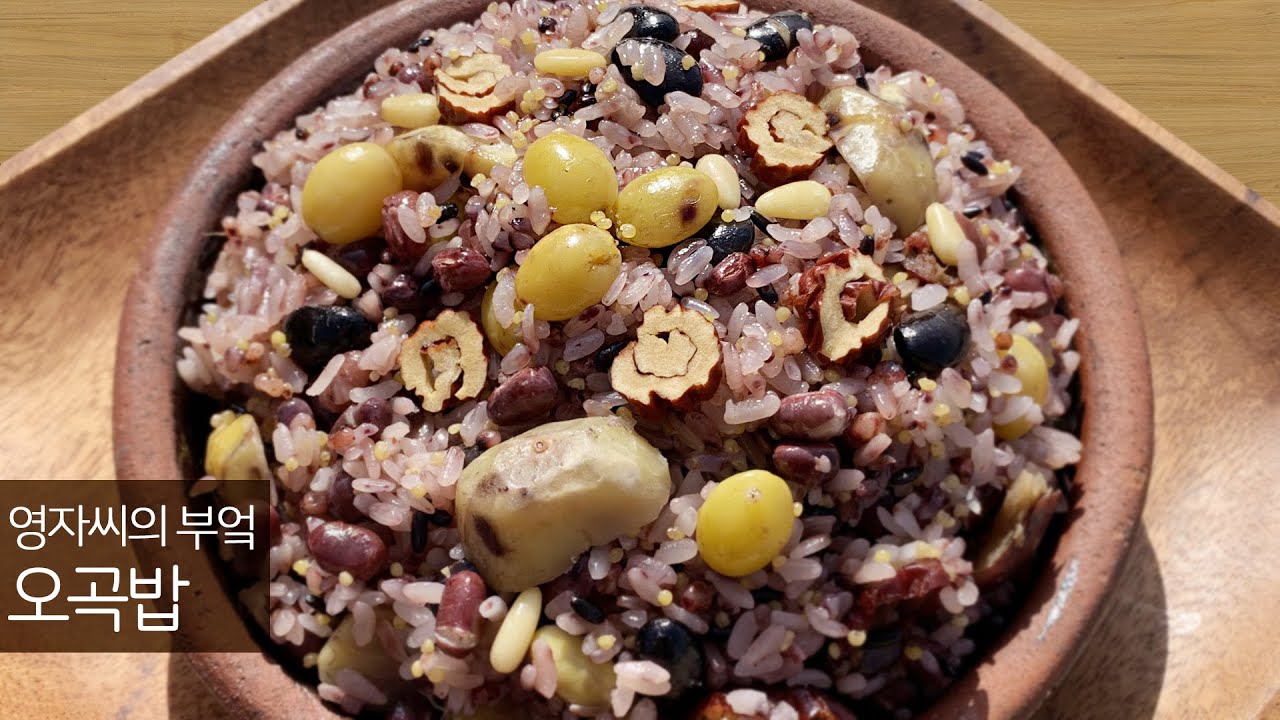
A lot of Korean homes don't eat plain white rice at all — they cook japgokbap, white rice mixed with barley, brown rice, black rice, millet, or beans. Pre-mixed bags are sold at Korean grocery stores, or you can add a handful of barley to your usual pot. It's nuttier, chewier, and more filling. Our five-grain rice recipe is a good starting point.
How to Cook It Properly
Good rice is mostly technique. The three things that matter:
- Rinse until the water runs mostly clear. Three to four rinses, swirling with your hand. This removes surface starch and keeps the rice from being gluey.
- Soak for 20–30 minutes if you have time. It makes the grains cook more evenly and gives a softer, plumper result. Skip it in a hurry; the rice will still be fine.
- Use a little less water than for long-grain. As a starting point, roughly 1 cup of rinsed rice to 1 to 1.1 cups of water in a rice cooker — then adjust to the bag's instructions and your taste. On the stovetop, bring to a boil, cover, lower to a simmer for 12–15 minutes, then rest off the heat for 10 minutes without lifting the lid.
A rice cooker is worth it if you eat rice more than a couple of times a week — it's the single most-used appliance in a Korean kitchen. But a heavy pot with a tight lid works, and a stone pot gives you the crispy bottom layer (nurungji) — some Korean rice cookers have a scorched-rice setting, but a stone pot does it best.
Storing Rice
Uncooked rice keeps for a year or more in a cool, dry, sealed container — a large bag is a fine investment. Cooked rice should go in the fridge within a couple of hours and is best within a day or two; it dries out, which, conveniently, makes it perfect for fried rice. For longer storage, freeze cooked rice in single portions and microwave straight from frozen.
Which Bag Should You Buy?
First bag, no fuss: Nishiki (medium grain, but it behaves like short grain in every Korean dish). Daily eater on a budget: Kokuho Rose or a Korean-market brand like Rhee Chun in the 20-pound bag. Want the best plain bowl: Tamanishiki. No rice cooker, cooking for one: CJ Hetbahn.
Whichever you choose, the switch from long-grain to short- or medium-grain rice is one of the biggest upgrades you can make to home-cooked Korean food. Everything else — the bibimbap, the gimbap, the simple bowl next to a stew — gets better from there.
You Might Also Like
Related Guides
Korean Cooking for Beginners — Start Here
New to Korean cooking? Get the essential equipment, 5 must-have ingredients, easiest starter recipes, and tips to avoid common mistakes.
Korean Cooking Tools — What You Actually Need
Honest guide to Korean cooking tools. Covers rice cookers, ttukbaegi, dolsot, BBQ pans, and more — what to buy, skip, and where to find them.
Korean Pantry Starter Kit — Everything You Need Under $50
Build a complete Korean pantry for under $50. Covers gochugaru, gochujang, doenjang, sesame oil — with brand picks and where to buy.
Easy Korean Recipes with Rice — 11 Dishes You Can Make Tonight
Eleven simple Korean rice dishes you can make on a weeknight with basic ingredients. From kimchi fried rice to bibimbap, plus ideas for leftover rice.
Where to Buy Korean Ingredients (2026 Guide)
Find Korean cooking ingredients at H Mart, Amazon, Trader Joe's, and online. Includes budget tips, what to buy where, and money-saving strategies.
Explore This Topic Further
Sesame Oil
Toasted sesame oil adds a nutty aroma to finished dishes. A few drops transform any Korean side dish.
Soy Sauce
Soy sauce seasons marinades, namul, soups, and sauces across Korean cooking. It is one of the site's most-used pantry ingredients.
Korean Recipes with Rice
Korean meals built around rice — quick rice bowls, fried rice, bibimbap, and soups that work best with a bowl on the side.
Korean Recipes with Eggs
Korean recipes where eggs do real work — rice bowls, soups, steamed eggs, and side dishes you can make with a basic fridge.
K-Fridge
Already have some of these pantry staples?
Use K-Fridge to see which Korean recipes you can make tonight with the ingredients you already have at home.