Some links below are affiliate links. As an Amazon Associate I earn from qualifying purchases. Learn more
Best Doenjang Brands (2026) — Korean Soybean Paste, Compared
By Logan · Published 2026-10-15 · Updated 2026-10-15
Quick Verdict
Best overall
CJ Haechandle — cheap, easy to find, and forgiving in every everyday stew and soup.
Best budget
CJ Haechandle — the 1.1 lb tub at H Mart is often under $4. Big 5 lb tubs exist, but compare the per-ounce price; they are not always cheaper.
Best for beginners
Sempio Vegan Original if you want a short ingredient list with no seafood in the tub.
Buy it if
Buy Q-Rapha if you need a gluten-free-labeled, traditional-style paste or want doenjang to be the star of a dip.
| Product | Style | Wheat/Gluten | Best For | Price |
|---|---|---|---|---|
| CJ HaechandleBest OverallCheck price on Amazon → | Commercial | Yes | Everyday jjigae & soup | $ |
| Sempio Vegan OriginalBest VeganCheck price on Amazon → | Commercial | Yes | Plant-based stews | $ |
| Chung Jung One Sunchang / O'FoodBest for StewsCheck price on Amazon → | Commercial | Yes (Original) | Savory stews | $ |
| JayoneCheck price on Amazon → | Commercial | Yes | Online ordering | $ |
| Wang KoreaCheck price on Amazon → | Commercial | Likely — check label | Budget backup | $ |
| Q-Rapha PremiumBest Gluten-FreeCheck price on Amazon → | Traditional | No (labeled GF) | Dips & gluten-free cooking | $$–$$$ |
| JookjangyeonSplurgeCheck price on Amazon → | Traditional, jar-aged | Check label (some list barley) | Ssamjang & dipping | $$$ |
Doenjang is the quiet workhorse of the Korean pantry. Gochujang gets the spotlight, but doenjang is what makes doenjang jjigae taste like doenjang jjigae, what gives doenjangguk its savory backbone, and what goes into the ssamjang you spoon onto lettuce wraps at Korean BBQ. The problem is that the doenjang shelf at H Mart can be a wall of brown tubs with labels that look almost identical.
This guide sorts out the brands you can actually buy in the US, what is in each one (wheat included), and which one fits the way you cook. If you are new to the ingredient itself, start with What Is Doenjang? and come back.
Traditional vs. Commercial Doenjang (Read This First)
All doenjang starts from the same idea: soybeans that are cooked, fermented, and salted until they turn into a dense, funky, deeply savory paste. Where brands differ is how they get there.
- Traditional-style (jaeraesik, 재래식): Cooked soybeans are formed into blocks called meju, dried and fermented, then soaked in salt brine for months. The liquid becomes soy sauce and the solids become doenjang. The classic ingredient list is basically soybeans, salt, and water. Flavor is stronger, saltier, and chunkier.
- Commercial / factory-style: Most supermarket tubs speed things up with a cultured koji starter and usually add wheat flour (and sometimes wheat or barley in the koji). Many also add alcohol to keep the paste stable and flavor boosters like MSG or yeast extract. The result is smoother, milder, and a little sweeter.
Neither is "wrong." Commercial tubs are what most Korean home cooks use for weekday stews. Traditional-style paste is the one you reach for when doenjang is the main flavor and you want it loud.
Gluten note: Because so many commercial brands add wheat, do not assume doenjang is gluten-free. Every commercial tub on this list whose US label we could check (Haechandle, Sempio, Chung Jung One, Jayone) lists wheat, and Wang's overseas label does too. If you need gluten-free, look for a paste that is explicitly labeled gluten-free, and always read the actual tub, since formulas differ by size, country, and year.
What to Look For on the Label
- First few ingredients: Soybeans (and water) near the top is what you want. Wheat flour near the top means a milder, smoother, commercial-style paste.
- The word 재래식 or "traditional": Usually means a more meju-forward, saltier paste. Check the ingredient list anyway, since marketing words are loose.
- Seafood: Some doenjang (and many "for stew" versions) include anchovy or shellfish extract. Great for flavor, but not vegan or shellfish-safe.
- Flavor enhancers: MSG, disodium inosinate, and yeast extract are common. Safe, just a matter of preference.
- Doenjang vs. ssamjang vs. jjigae sauce: Ssamjang is a seasoned dipping paste that already contains gochujang and garlic. Doenjang jjigae "sauce" packets are pre-seasoned. For the recipes on this site you want plain doenjang.
1. CJ Haechandle Doenjang
Haechandle is CJ's jang line and its doenjang is one of the easiest to find in the US — H Mart, Walmart, and Amazon all carry it, from the standard 1.1 lb (500g) tub up to a 5 lb (2.3kg) tub. H Mart has listed the 500g tub for around $3–4 (approximate; prices move around).
Retailer descriptions call it soft and less sour than some doenjang, which matches how it cooks: it is a forgiving, middle-of-the-road paste that works in almost anything.
What is in it: Retailer listings show soybeans, wheat flour, salt, wheat, koji, and alcohol, plus flavor enhancers (disodium inosinate and guanylate) in some versions. Some international listings also flag anchovy. Contains wheat.
Best for: Everyday doenjang jjigae, doenjangguk, and the pork-boiling liquid for bossam. If you only buy one tub, this is a safe one.
2. Sempio Doenjang (Vegan Original)
Sempio is a major Korean sauce maker, and its plain doenjang is sold in the US as a 16.2 oz (460g) tub labeled vegan and preservative-free. It is on Amazon and at H Mart (where it has been listed for around $5, approximate).
What is in it: The Amazon listing gives water, soybeans, salt, wheat flour, alcohol, and koji starter. It is a short list for a commercial tub and has no seafood. Look for "vegan" on the tub; some overseas Sempio doenjang adds seafood seasoning. Contains wheat.
Best for: Plant-based cooking, and anyone who wants a commercial paste without seafood or added flavor enhancers. Pair it with kombu or mushroom stock and you get a solid vegan doenjang jjigae.
Sempio also sells Tojang (a country-style soybean paste, including a version with red chili) and a separate ssamjang. Those are different products, so double-check the tub if you are shopping by brand name.
3. Chung Jung One Sunchang / O'Food Doenjang
Chung Jung One is Daesang's consumer brand (O'Food is its global brand name), and its doenjang is marketed under the Sunchang name — Sunchang is a county in Korea known for its fermented pastes. You will see it as a 17.6 oz (500g) tub at H Mart, Walmart, Albertsons, and on Amazon.
There are a few versions, which is where people get confused:
- Original: The everyday tub. The Amazon listing gives water, soybeans, wheat flour, salt, alcohol, MSG, maltodextrin, and onion powder. Contains wheat.
- Mild: H Mart sells an O'Food Mild doenjang (500g). Ingredients were not listed online, so check the tub.
- Seafood (anchovy & shellfish): A 450g version with seafood built in. Handy for quick stews, not for vegetarians.
- Jaeraesik (traditional-style): Amazon has also listed an unpasteurized traditional-style tub. Availability comes and goes.
Best for: Stews where you want a bit more savory punch than Haechandle. The Original has MSG in the tub, so it gives a fuller-tasting broth with less help from your stock.
4. Jayone Traditional Fermented Soybean Paste
Jayone is a US importer of Korean groceries, and its doenjang (made in Korea, labeled 재래된장, "traditional" in Korean) comes in 1.1 lb and 2.2 lb sizes. Jayone's own site points to Amazon for retail, and it is also sold through Vitacost.
What is in it: Jayone's product page lists water, soybeans, wheat flour, salt, wheat, alcohol, soybean paste, fermented soybean powder, defatted soybean powder, yeast extract, dextrin, and koji seed. Despite the "traditional" name, that is a commercial-style recipe. Contains wheat.
Best for: Online shoppers who do not live near a Korean market and want a standard, all-purpose doenjang shipped to the door.
5. Wang Korea Fermented Soybean Paste
Wang Korea is another import brand, and its doenjang is sold on Weee! in a 500g tub (a 2.2 lb size also exists).
What is in it: The US listing does not show a full ingredient panel. A UK retailer's label for the 500g tub lists soybeans, water, wheat flour, salt, soybean paste, alcohol, hydrolyzed wheat protein, malt, and phosphate additives. The US tub may differ, so check the label, but plan on wheat.
Best for: A budget backup when your usual brand is out of stock.
6. Q-Rapha Premium Doenjang
If you need doenjang without gluten, this is the one on the list that is explicitly labeled for it. Q-Rapha sells a 17.9 oz jar on Amazon titled gluten-free, non-GMO, unpasteurized, and aged over 3 years (the brand's claim). Retailer listings describe the ingredients as just soybeans, water, and salt — the traditional formula.
What to expect: A traditional-style paste is saltier and more pungent than the commercial tubs above, so start with less than a recipe calls for and taste. It costs noticeably more per ounce than Haechandle or Sempio.
Best for: Gluten-free cooks, and anyone who wants to taste what meju-style doenjang is like without hunting down an artisan producer. Still read the jar if you have celiac disease — "gluten-free" on a listing is not the same as a certified facility.
7. Jookjangyeon Doenjang (Splurge)
Jookjangyeon is a village-based producer in Pohang whose doenjang is aged in earthenware pots — retailers describe two to three years. It shows up in the US through specialty shops: Milk Street's online store has listed a 500g jar at $49.95, and Weee! has listed a 150g size at $12.99 — both were out of stock when I checked. Wooltari USA has listed a 500g jar at around $29 (approximate). Stock comes and goes, so treat it as a when-you-find-it buy.
What is in it: Listings disagree. Milk Street lists soybeans, sun-dried salt, and barley; Wooltari lists only soybeans and sea salt; Weee! calls it vegan and gluten-free. Barley contains gluten, so if that matters to you, check the label on the jar in hand.
Best for: Dishes where doenjang is eaten nearly raw — a simple ssamjang, a dipping paste for cucumbers and peppers, or a doenjang dressing — where the extra depth actually shows. Putting it in a long-boiled stew is a waste of money.
Quick Buying Guide by Use Case
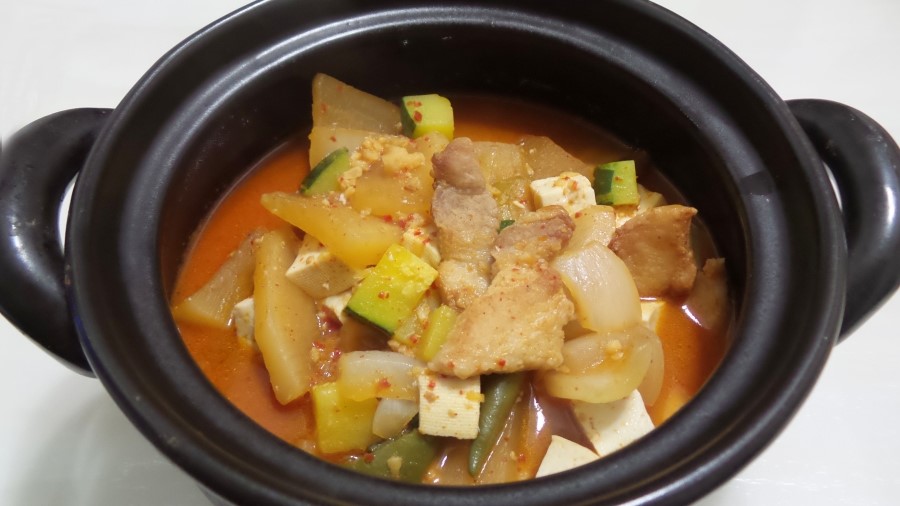
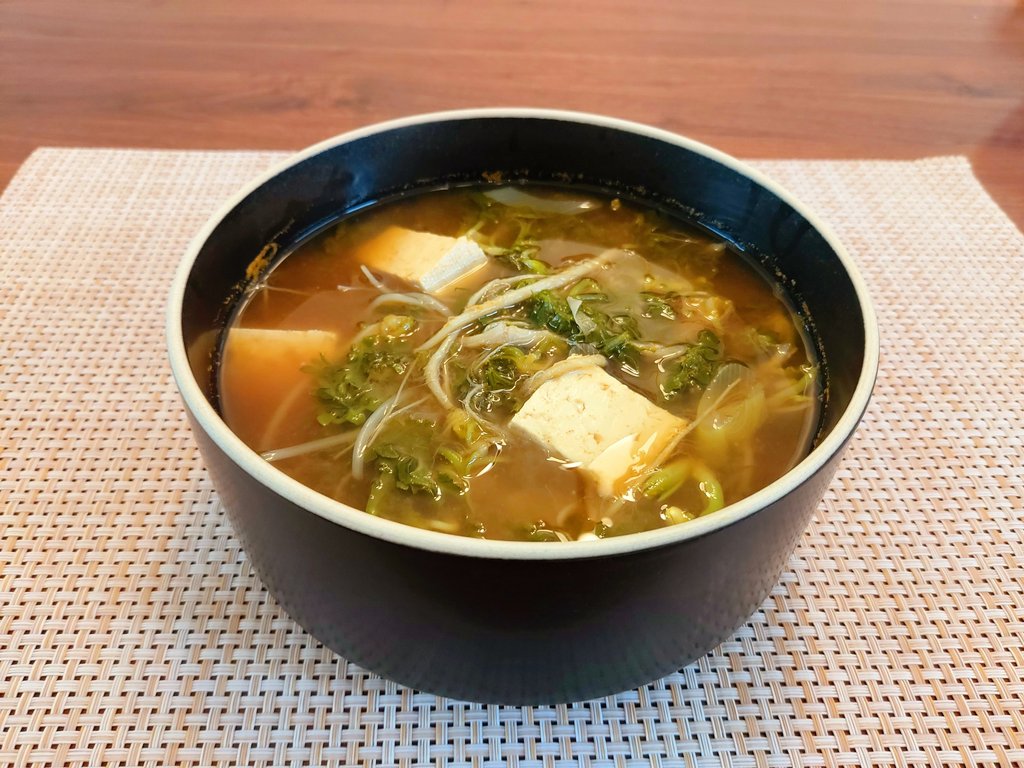
- Doenjang jjigae and doenjangguk: CJ Haechandle or Chung Jung One Original. Commercial paste dissolves smoothly and is forgiving on salt.
- Vegan stews: Sempio Vegan Original. No seafood in the tub, so you control the stock.
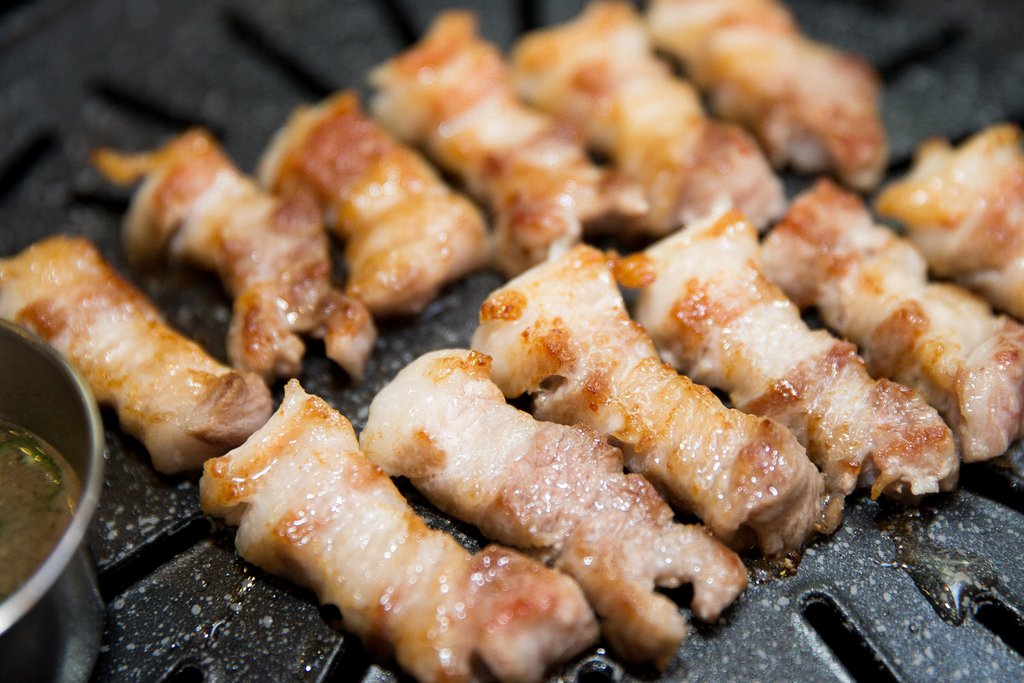
- Ssamjang for samgyeopsal: Any everyday tub works. Mix roughly 2 parts doenjang to 1 part gochujang, then add minced garlic, sesame oil, and a little sugar or honey. Use a traditional-style paste if you want it bolder, but cut back the amount.
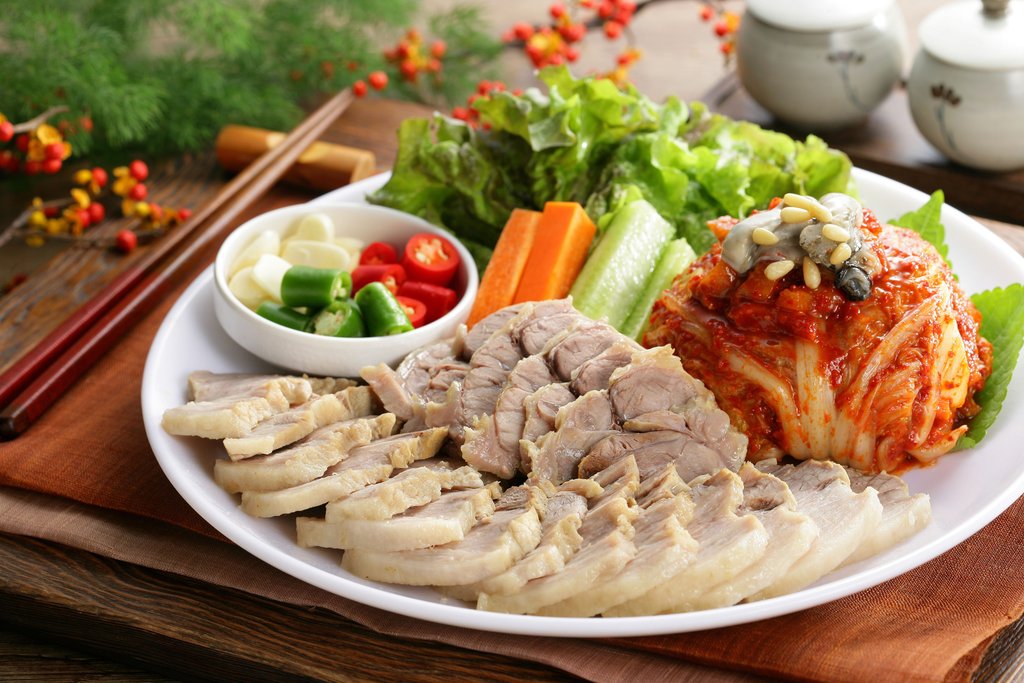
- Boiling pork for bossam: The cheapest tub you have. It is there to season the water and tame the pork smell, not to star.
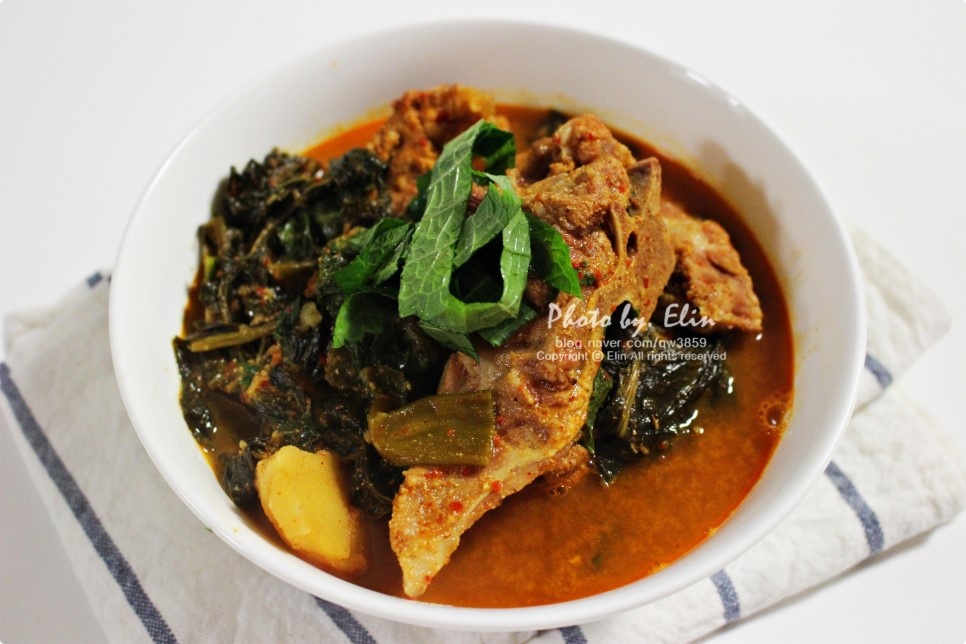
- Soups with a lot going on, like gamjatang: Haechandle or Chung Jung One. The other seasonings carry the dish.
- Grilled meat marinades (doenjang-style maekjeok, doenjang pork): Commercial paste — its slight sweetness helps browning.
- Gluten-free: Q-Rapha, and read the jar.
Where to Buy
- H Mart and other Korean markets: Best selection and usually the best prices. Haechandle, Sempio, and Chung Jung One are all regular stock.
- Amazon: Good for Sempio, Chung Jung One, and Jayone; Q-Rapha is mostly sold online and stock comes and goes. Prices run higher than in-store, and multi-packs are common, so check the per-ounce price.
- Walmart and Albertsons-family stores: Some locations carry Haechandle or Chung Jung One in the international aisle. Hit or miss by store.
- Weee!: Online Asian grocery with Wang and specialty brands, delivered in many metro areas.
My Recommendation
Start with a 1.1 lb tub of CJ Haechandle or Chung Jung One. Either one will carry you through every doenjang recipe on this site. If you cook plant-based, make it Sempio Vegan Original instead. Once you are hooked, add a small jar of traditional-style paste (Q-Rapha, or Jookjangyeon if you find it) for ssamjang and dipping sauces, where you will actually taste the difference.
Can't find any of these? Red miso will get you through a recipe — see doenjang substitutes and doenjang vs. miso for how to adjust. And for gochujang, the companion guide is Best Gochujang Brands.
Storage Tips
Refrigerate doenjang after opening — the brands say so on the tub, and it keeps the paste from going overly sour. Press a piece of plastic wrap onto the surface before closing the lid to slow drying and darkening. A darker top layer is normal oxidation; stir it in. Sempio's listing suggests using its opened tub within about 3 months, so smaller tubs make sense if you only cook Korean food occasionally. Always use a clean, dry spoon, and toss the paste if you see fuzzy mold or it smells off rather than funky.
You Might Also Like
Related Guides
What Is Doenjang? Korean Fermented Soybean Paste Explained
Learn what doenjang is, how it differs from miso, health benefits, key recipes, and a buying guide for Korean fermented soybean paste.
Doenjang vs Miso: What's the Difference (and Can You Swap Them?)
Doenjang and miso are both fermented soybean pastes, but they taste very different. How they're made, how they're used, and exact ratios for substituting one for the other.
9 Best Doenjang Substitutes — From Miso to Soy-Free Options
No doenjang? Here are 9 substitutes for Korean soybean paste — from red miso and ssamjang to soy-free options like tahini + soy sauce.
What to Cook with Doenjang — 12 Ways to Use Korean Soybean Paste
Doenjang isn't just for soup. Here are 12 ways to use Korean soybean paste — from jjigae to salad dressing to marinades, organized by season and difficulty.
8 Best Gochujang Brands (2026) — From Mild to Extra Hot, Ranked
Comparing 8 gochujang brands by heat, sweetness, texture, and price. Find the best Korean chili paste for your cooking level and favorite recipes.
Explore This Topic Further
Doenjang
Korean fermented soybean paste — deeper and earthier than miso, the base of doenjang jjigae and many Korean soups.
Sesame Oil
Toasted sesame oil adds a nutty aroma to finished dishes. A few drops transform any Korean side dish.
Korean Recipes for Beginners
Start your Korean cooking journey with these beginner-friendly recipes. Simple ingredients, clear instructions, no prior experience needed.
Easy Korean Dinners for Weeknights
Quick and satisfying Korean dinner recipes ready in under 30 minutes. Perfect for busy weeknights.
K-Fridge
Already have some of these pantry staples?
Use K-Fridge to see which Korean recipes you can make tonight with the ingredients you already have at home.