Some links below are affiliate links. As an Amazon Associate I earn from qualifying purchases. Learn more
Best Korean Instant Ramen: 10 Picks Ranked (2026)
By Logan · Published 2026-10-12 · Updated 2026-10-12
Quick Verdict
Best overall
Nongshim Shin Ramyun — the benchmark: chewy noodles, beefy broth, medium heat, takes every upgrade.
Best budget
Ottogi Jin Ramen — lighter, cheaper, and the Mild version is genuinely mild.
Best for beginners
Chapagetti (no spice) or Jin Ramen Mild. Save Buldak for later.
Buy it if
Shin Black costs more, and it's worth it when you want ramen to feel like a full meal.
| Product | Heat | Style | Best For | Price |
|---|---|---|---|---|
| Nongshim Shin RamyunBest Overall | Medium | Soup | First-timers, everyday | $ |
| Nongshim Shin BlackBest Premium | Medium | Soup (rich) | A full meal | $$ |
| Samyang BuldakHottest | Very hot | Stir-fried | Spice lovers | $$ |
| Ottogi Jin RamenBest Budget | Mild / Medium | Soup | Kids, budget | $ |
| Nongshim Neoguri | Medium | Soup (seafood) | Chewy noodles, Chapaguri | $ |
| Nongshim ChapagettiBest Non-Spicy | None | Stir-fried (black bean) | Non-spicy eaters | $ |
| Paldo Bibim Myun | Medium (sweet-tangy) | Cold, sauced | Summer | $ |
| Samyang Ramen Original | Mild | Soup | Classic, mild bowl | $ |
| Nongshim Ansungtangmyun | Mild-medium | Soup (doenjang) | Stew-like comfort | $ |
| Paldo Kokomen | Medium (clean) | Soup (clear chicken) | A lighter bowl | $ |
Korean instant ramen is its own category. It's not the 25-cent brick you survived on in college — a good Korean ramyeon has a springy, chewy noodle, a broth with real depth, and a heat level that ranges from "pleasant warmth" to "why did I do this." The shelf at a Korean grocery store (or the Asian aisle at a regular supermarket, these days) can be overwhelming, so here's an honest ranking of the ones worth your money.
The ranking is based on noodle texture, broth flavor, how well they hold up to the usual upgrades (egg, cheese, green onion), and whether I'd actually buy them again.
How to Read This List
A few things to know before the rankings:
- Heat levels vary enormously. Shin Ramyun is medium-spicy; Buldak is in a different league. If you're new to Korean ramen, start with a mild one and work up.
- "Soup" vs. "stir-fried" matters. Some of these are brothy soups. Others (Buldak, Chapagetti, Bibim Myun) are drained and tossed in sauce. They're different experiences.
- Multipacks are the way to buy. Single packs usually cost more per serving. A 4- or 5-pack is the normal unit, and bigger cases are typically cheaper still if you've found a favorite.
1. Nongshim Shin Ramyun — Best Overall
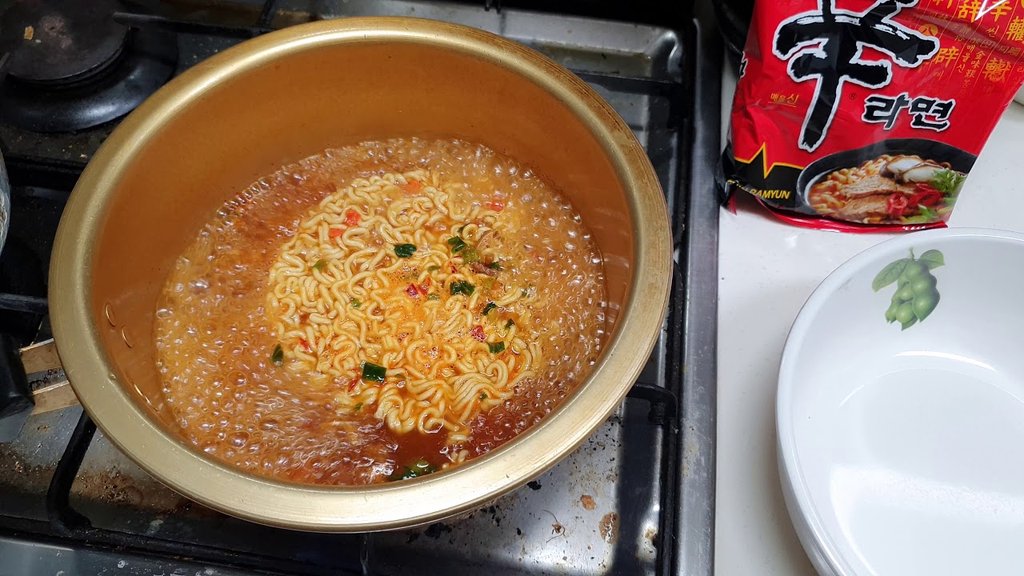
This is the Korean ramen, and for good reason. The broth is beefy with a clean, building heat from gochugaru, the noodles are thick and chewy, and it comes with a decent amount of dried vegetables. It's the benchmark everything else gets compared to.
It's also the most forgiving. Add an egg, a slice of American cheese, some leftover kimchi — it all works. If you buy one Korean ramen, buy this one.
Heat: Medium. Style: Soup. Best for: Everyone, especially first-timers who like some spice.
2. Nongshim Shin Black — Best Premium
Shin Black is Shin Ramyun's upgraded sibling: a second seasoning packet with a rich, bone-broth-style base that turns the soup creamy and deeply savory. The heat is similar but feels rounder. It costs more, and the difference is real.
This is the one I make when I want ramen to feel like an actual meal rather than a snack.
Heat: Medium. Style: Soup. Best for: A richer, more filling bowl; cold nights.
3. Samyang Buldak (Hot Chicken Flavor) — Best for Heat Seekers
The famous one. Buldak is a stir-fried noodle, not a soup: you boil, drain most of the water, and toss in a thick, sweet, ferociously spicy chicken sauce. The 2x Spicy version is genuinely very hot; the Original is milder than that but still well above Shin Ramyun.
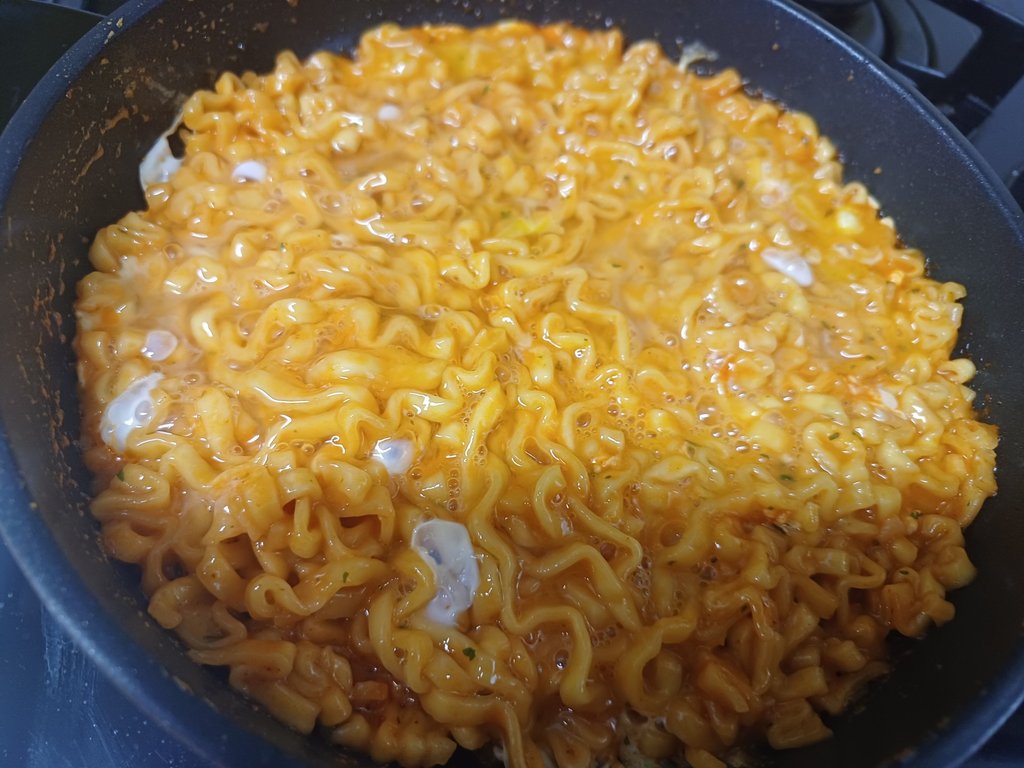
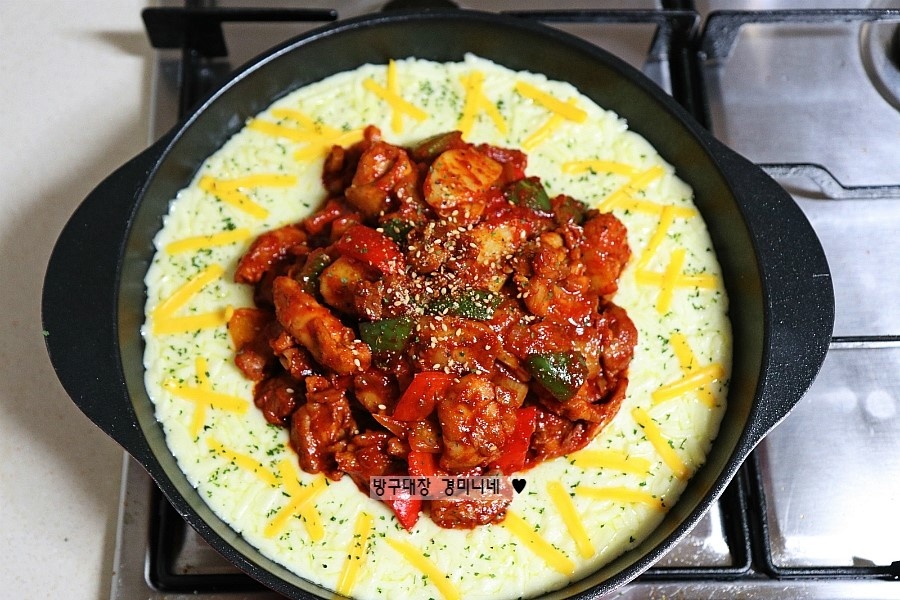
The trick most people miss: Buldak is better with dairy. A slice of cheese or a spoonful of the Carbonara version's powder tames it into something addictive. See our cheese buldak ramyeon for the easy version.
Heat: Very hot. Style: Stir-fried. Best for: Spice lovers, the Buldak Carbonara for everyone else.
4. Ottogi Jin Ramen (Mild or Spicy) — Best Budget
Jin Ramen is the everyday workhorse in a lot of Korean households, and it usually costs less than Shin. The broth is lighter and a little sweeter, the noodles are softer, and the "Mild" version really is mild, with only a gentle warmth — a rare thing in this category. It's an excellent base for adding your own ingredients.
Heat: Mild or Medium (two versions). Style: Soup. Best for: Budget buys, kids, people who find Shin too spicy.
5. Nongshim Neoguri — Best Seafood Broth
Neoguri is the thick-noodle, seafood-broth option. The noodles are udon-like and extra chewy, and the broth tastes of kelp and dried seafood with a moderate kick. It's one half of Chapaguri — the "ram-don" from the movie Parasite — where it supplies the thick noodles and seafood kick alongside Chapagetti's black bean sauce.
Heat: Medium. Style: Soup. Best for: Seafood fans, chewy-noodle fans, making Chapaguri.
6. Nongshim Chapagetti — Best Non-Spicy
Instant jjajangmyeon: thick noodles tossed in a sweet, savory black bean sauce with a drizzle of oil. No heat at all unless you add it. It tastes nothing like the other items on this list, and that's the point — it's the one to reach for when you want comfort, not spice.
Heat: None. Style: Stir-fried. Best for: Non-spicy eaters, kids, mixing with Neoguri.
7. Paldo Bibim Myun — Best Cold Noodle
A cold, spicy-sweet noodle: you boil, rinse under cold water, and toss in a tangy gochujang-based sauce. It's refreshing and slightly addictive, and it's what Koreans eat in summer when hot soup sounds terrible. Add a halved boiled egg and sliced cucumber.
Heat: Medium, sweet-tangy. Style: Cold, sauced. Best for: Summer, a change of pace.
8. Samyang Ramen (Original) — Best Old-School Flavor
Samyang's original ramen, first sold in the 1960s, is milder and more savory than the brand's Buldak line — think a gentle beef-and-vegetable broth. It's nostalgic for a lot of Koreans and a good "normal" ramen if you want flavor without a spice challenge.
Heat: Mild. Style: Soup. Best for: A mild, classic bowl.
9. Nongshim Ansungtangmyun — Best for Doenjang Fans
This one has a doenjang (fermented soybean) note in the broth that makes it taste more like a home-cooked stew than a packet. It's softer and less punchy than Shin, with a mellow heat. Underrated.
Heat: Mild-medium. Style: Soup. Best for: People who like doenjang jjigae; a cozier bowl.
10. Paldo Kokomen — Best Clear Broth
Kokomen is a clear, chicken-based broth with a green-chili heat instead of the usual red. It's lighter and brighter than everything else on this list and goes down easy when you're not in the mood for something heavy.
Heat: Medium, but clean. Style: Soup. Best for: A lighter bowl, hangover mornings.
Which One Should You Buy First?
If you like spice: Shin Ramyun. It's the right starting point and the one you'll keep coming back to.
If you don't like spice: Chapagetti or Jin Ramen Mild. Both are flavorful with little to no heat.
If you want the viral experience: Buldak — but buy the Carbonara version unless you really know what you're getting into.
If you want the best bowl, cost aside: Shin Black.
Three Upgrades That Work for Almost Any of Them
These are written for the soup styles. For the stir-fried ones (Buldak, Chapagetti) and cold Bibim Myun, the egg and cheese still work — just add them after the noodles are drained and sauced.
- An egg. Crack it in during the last minute for a soft yolk, or whisk it in for a silky broth. See the basic method in our ramyeon recipe.
- A slice of American cheese. Lay it on top right before serving. It melts into the broth and cuts the heat.
- Kimchi and green onion. A handful of chopped kimchi in the pot and sliced green onion on top makes any of these taste noticeably better.
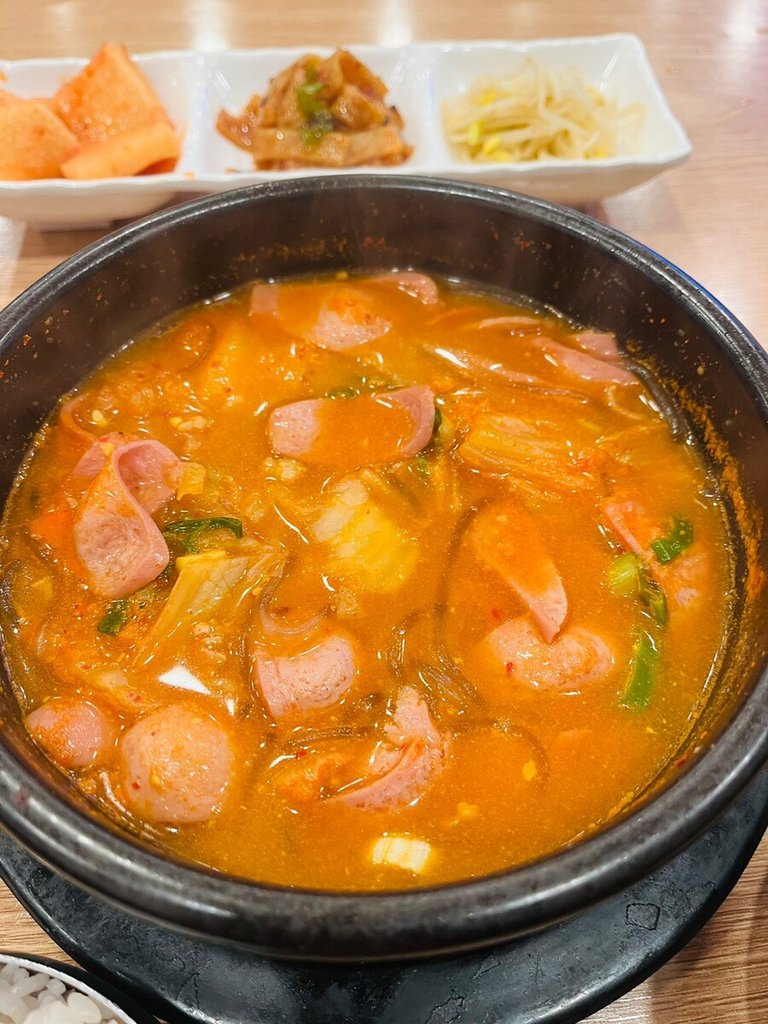
And if you have a few packs and some leftover hot dogs and spam, you're most of the way to a budae jjigae.
Where to Buy
Korean grocery stores (H Mart, Zion Market, Lotte Plaza) have the full range and the best multipack prices. Costco often carries Shin Ramyun and Shin Black in bulk. Regular supermarkets usually stock Shin Ramyun, Buldak, and Chapagetti. Online, 5- and 20-packs are easy to find and ship fine — just check the price per pack before buying a single.
You Might Also Like
Related Guides
I Tried the 8 Best Store-Bought Kimchi Brands (2026)
We compared 8 popular kimchi brands for eating fresh and cooking. Jongga, Mother in Law's, Cleveland Kitchen, and more — honest pros, cons, and best uses.
8 Best Gochujang Brands (2026) — From Mild to Extra Hot, Ranked
Comparing 8 gochujang brands by heat, sweetness, texture, and price. Find the best Korean chili paste for your cooking level and favorite recipes.
Where to Buy Korean Ingredients (2026 Guide)
Find Korean cooking ingredients at H Mart, Amazon, Trader Joe's, and online. Includes budget tips, what to buy where, and money-saving strategies.
What to Cook with Kimchi — 15 Ideas Beyond Eating It Straight
Got a jar of kimchi? Here are 15 ways to cook with it — from fried rice to grilled cheese to kimchi pancakes. Categorized by meal type with difficulty levels.
Gochujang vs Gochugaru — Differences Explained
Gochujang and gochugaru are both Korean red pepper products but totally different. Learn how they compare in flavor, heat, and when to use each.
Explore This Topic Further
Kimchi
Fermented napa cabbage — the soul of Korean cuisine. Used in stews, fried rice, pancakes, and dozens of other dishes.
Gochujang
Korean fermented red pepper paste — sweet, spicy, and essential for bibimbap, tteokbokki, and dozens of marinades.
Spicy Korean Recipes
Korean recipes that bring the heat — from tteokbokki to kimchi jjigae. Sorted by spice level.
Korean Recipes for Beginners
Start your Korean cooking journey with these beginner-friendly recipes. Simple ingredients, clear instructions, no prior experience needed.
K-Fridge
Already have some of these pantry staples?
Use K-Fridge to see which Korean recipes you can make tonight with the ingredients you already have at home.