Some links below are affiliate links. As an Amazon Associate I earn from qualifying purchases. Learn more
8 Best Gochujang Brands (2026) — From Mild to Extra Hot, Ranked
By Logan · Published 2026-04-17 · Updated 2026-10-15
Quick Verdict
Best overall
CJ Haechandle if you want one tub that works for almost everything on the site.
Best budget
Sempio when you want slightly less sweetness without paying premium-brand prices.
Best for beginners
Bibigo if you care more about convenience and approachable heat than deep fermentation.
Buy it if
Buy Mother-in-Law's only if gochujang is the star of the sauce and you care about ingredient quality.
| Product | Heat | Sweetness | Best For | Price |
|---|---|---|---|---|
| CJ HaechandleBest OverallCheck price on Amazon (paid link) → | Medium | Medium | All-purpose | $ |
| SempioCheck price on Amazon (paid link) → | Medium | Low | Stews & marinades | $ |
| Chung Jung OneCheck price on Amazon (paid link) → | Medium-High | Medium | Tteokbokki & stir-fry | $ |
| Chung Jung One O'Food SunchangCheck price on Amazon (paid link) → | Medium | Low | Sauces & dipping | $$ |
| Mother-in-Law'sBest PremiumCheck price on Amazon (paid link) → | Varies | Low | Dipping & finishing | $$$ |
| BibigoBest for BeginnersCheck price on Amazon (paid link) → | Mild | Medium-High | First-timers | $$ |
| Roland FoodsCheck price on Amazon (paid link) → | Mild | High | Fusion cooking | $$ |
| Q-RaphaCheck price on Amazon (paid link) → | Medium | Low | Clean-label cooking | $$ |
Gochujang is the backbone of Korean cooking. It shows up in everything from bibimbap sauce to tteokbokki, and once you start using it, you realize how versatile it is. But standing in the Asian grocery aisle — or scrolling through Amazon — you will see a dozen brands and have no idea which one to pick.
I have gone through a lot of gochujang over the past few years. Some too sweet, some too salty, some that tasted more like ketchup than fermented chili paste. Here are eight brands I keep coming back to and how they compare.
What to Look For in Gochujang
Before the brand breakdown, a few things worth knowing. Gochujang is a fermented paste made from chili flakes, glutinous rice, fermented soybeans, and salt. The quality difference between brands mostly comes down to:
- Sweetness vs. heat balance — cheaper brands lean heavily on corn syrup
- Fermentation depth — traditional brands taste more complex
- Texture — some are smooth, others are thicker and more rustic
- Ingredient list — fewer ingredients usually means better quality
Check the ingredient list. If corn syrup or sugar is the first or second ingredient, it is going to taste more like sweet chili sauce than real gochujang. Traditional recipes use rice syrup (jocheong) as the sweetener, which gives a gentler, more rounded sweetness. Corn syrup makes the paste taste flat and one-note by comparison.
Another thing to watch for: some brands add wheat flour as a thickener. If you are gluten-free, look for a certified gluten-free label rather than just scanning for rice flour. Many popular gochujang brands, including CJ Haechandle, Sempio, and Mother-in-Law's, contain wheat or barley, so never assume a tub is gluten-free.
MSG is another ingredient that shows up in some brands. This is a personal call — it is safe and adds umami, but purists prefer gochujang that gets its depth from proper fermentation instead of flavor enhancers.
Heat Level Guide
Not all gochujang is created equal when it comes to spice. Here is a rough breakdown of how brands tend to fall:
- Mild: Bibigo, Roland Foods — approachable for beginners, more sweet than spicy
- Medium: CJ Haechandle (level 2), Sempio, Q-Rapha — the sweet spot for most Korean recipes
- Medium-Hot: Chung Jung One, CJ Haechandle (level 3) — noticeable kick, good for tteokbokki and stir-fries
- Hot: Mother-in-Law's (Fermented Chile & Garlic) — real heat with fermented complexity
Keep in mind that gochujang heat is different from hot sauce heat. The chili flakes in gochujang give a slow, building warmth rather than an immediate burn. Even "hot" gochujang is manageable for most people.
1. CJ Haechandle Gochujang
This is the most widely available brand in the US and what most Korean households use as their everyday gochujang. CJ Haechandle comes in multiple heat levels — look for the number on the container (1 is mild, 3 is hot). The medium (level 2) is the sweet spot for most recipes.
Pros: Affordable, consistent, easy to find in any H Mart or Asian grocery. Great all-purpose paste for stir-fries, marinades, and sauces.
Cons: Contains corn syrup and is on the sweeter side compared to traditional gochujang. Not the most complex flavor.
Best for: Everyday cooking, beginners who want a reliable starting point.
2. Sempio Gochujang
Sempio is another major Korean brand that has been around for decades. Their gochujang tends to be slightly less sweet than CJ and has a bit more fermented funk to it. They offer both regular and sun-dried versions.
Pros: Good balance between sweet and savory. The sun-dried version has deeper, more concentrated flavor. Widely available on Amazon.
Cons: Still contains added sweeteners. The packaging can be confusing with multiple product lines.
Best for: Cooks who want something a step up from CJ without going premium.
3. Chung Jung One Gochujang
Chung Jung One (also labeled as Daesang) positions itself as a slightly premium option. Their gochujang has a cleaner ingredient list than most mass-market brands, and the flavor reflects that — less artificial sweetness, more natural chili heat.
Pros: Cleaner taste, good heat-to-sweet ratio, nice thick texture. Their brown rice gochujang version is worth trying.
Cons: Slightly more expensive than CJ or Sempio. Can be harder to find in smaller grocery stores.
Best for: Cooks who are particular about ingredients and want better depth of flavor.
4. Chung Jung One O'Food Sunchang
This is the export-focused line from Chung Jung One, and it is genuinely different from their standard product. The Sunchang version uses sun-dried peppers, but formulas vary a lot by package. The O'Food squeeze bottle sold in US grocery stores is labeled certified gluten-free and vegan with no corn syrup, while Sunchang-branded tubs often list corn syrup and are not labeled gluten-free, so check the label before you buy.
Pros: The O'Food squeeze bottle is labeled certified gluten-free, vegan, and corn-syrup-free (Sunchang tubs are not, so check the label). Sun-dried peppers give it a naturally smoky-sweet flavor with real fermented depth.
Cons: Pricier than the regular Chung Jung One line. The tube size is small, so you will burn through it quickly if you cook Korean food often.
Best for: Cooks with dietary restrictions who still want authentic flavor, as long as the package says certified gluten-free. Also excellent for sauces where gochujang is front and center.
5. Mother-in-Law's Gochujang
This is the premium, small-batch option. Mother-in-Law's is made in the traditional way with fewer ingredients — no corn syrup, no artificial anything (it does contain wheat and barley malt, so it is not gluten-free). It is fermented longer and tastes noticeably different from the mass-market brands. More complex, more earthy, less sweet.
Pros: Excellent ingredient list, traditional fermentation, complex flavor profile. Great for sauces where gochujang is the star ingredient.
Cons: Significantly more expensive — roughly 3-4x the price per ounce compared to CJ. The smaller jar means you will run out fast if you cook Korean food regularly.
Best for: Experienced cooks who want the best quality and do not mind paying for it. Perfect for bibimbap sauce or dipping sauces where the gochujang flavor is front and center.
6. Bibigo Gochujang
Bibigo is CJ's more modern, export-focused brand. Their gochujang comes in a convenient squeeze tube, which is honestly great for quick cooking. The flavor profile is similar to CJ Haechandle but slightly refined.
Pros: The squeeze tube is incredibly convenient — no sticky spoons. Clean packaging with English labels. Good for quick weeknight cooking.
Cons: You pay a premium for the packaging convenience. Flavor is decent but not exceptional.
Best for: People who want convenience and cook Korean food occasionally rather than daily.
7. Roland Foods Gochujang
Roland Foods is an interesting option because you can actually find it at regular Western grocery stores like Whole Foods and some Kroger locations. The flavor leans sweeter than most Korean brands, almost like a spicy-sweet BBQ paste. It does not have the same fermented depth as the Korean-made options, but it is perfectly usable.
Pros: Easy to find at mainstream grocery stores. Approachable flavor for people new to gochujang. Works well in fusion cooking — burger glazes, roasted vegetables, salad dressings.
Cons: Sweeter and less complex than Korean brands. Not ideal if you want traditional flavor.
Best for: People who want to experiment with gochujang without making a special trip to an Asian grocery store. Good entry point for fusion recipes.
8. Q-Rapha Gochujang
Q-Rapha is a smaller brand that focuses on clean-label Korean ingredients. The brand labels its gochujang vegan and gluten-free, with no MSG or preservatives. The ingredient list is short: water, soybean powder, cane sugar, chili powder, tomato, rice powder, brown rice syrup, sea salt, and spirits. The flavor is straightforward — good heat, balanced sweetness from cane sugar and brown rice syrup, and genuine fermented character.
Pros: Labeled vegan and gluten-free, no corn syrup or MSG. Short ingredient list. Honest, traditional flavor without additives.
Cons: Harder to find — primarily available on Amazon. Smaller brand means less variety in sizes. Slightly grainy texture compared to smoother mass-market options.
Best for: Health-conscious cooks who read every label. Good choice for anyone avoiding corn syrup, gluten, or animal products.
Quick Buying Guide by Use Case
Different recipes work better with different gochujang. Here is a cheat sheet:
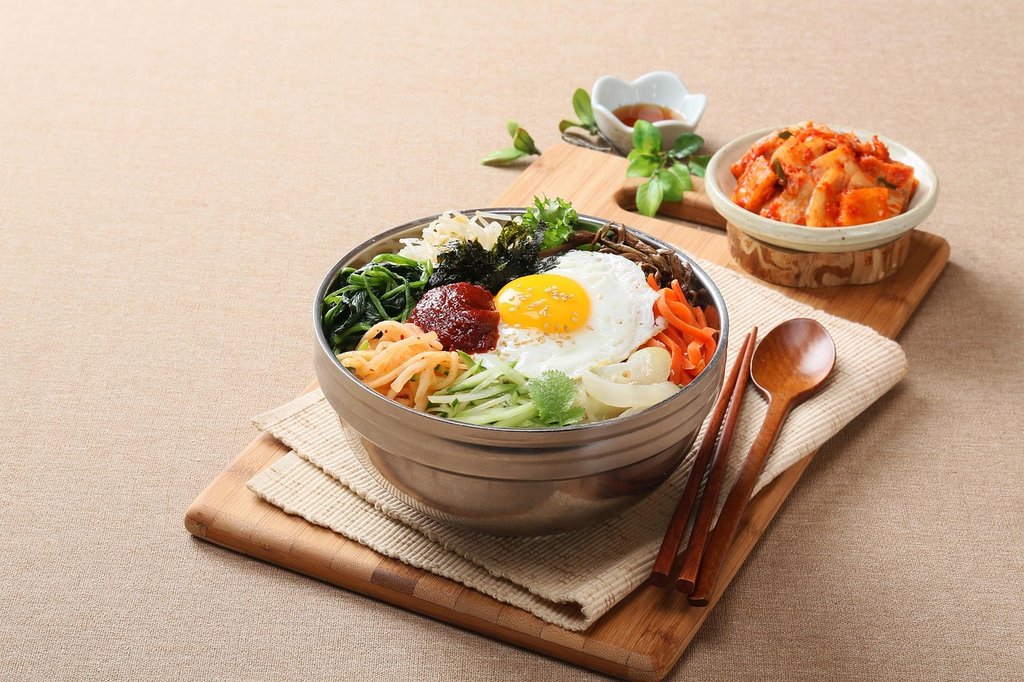
- Best for bibimbap sauce: Mother-in-Law's or Chung Jung One O'Food Sunchang — you mix gochujang with sesame oil and a few other things, and the paste flavor really shows through. Worth using the good stuff here.
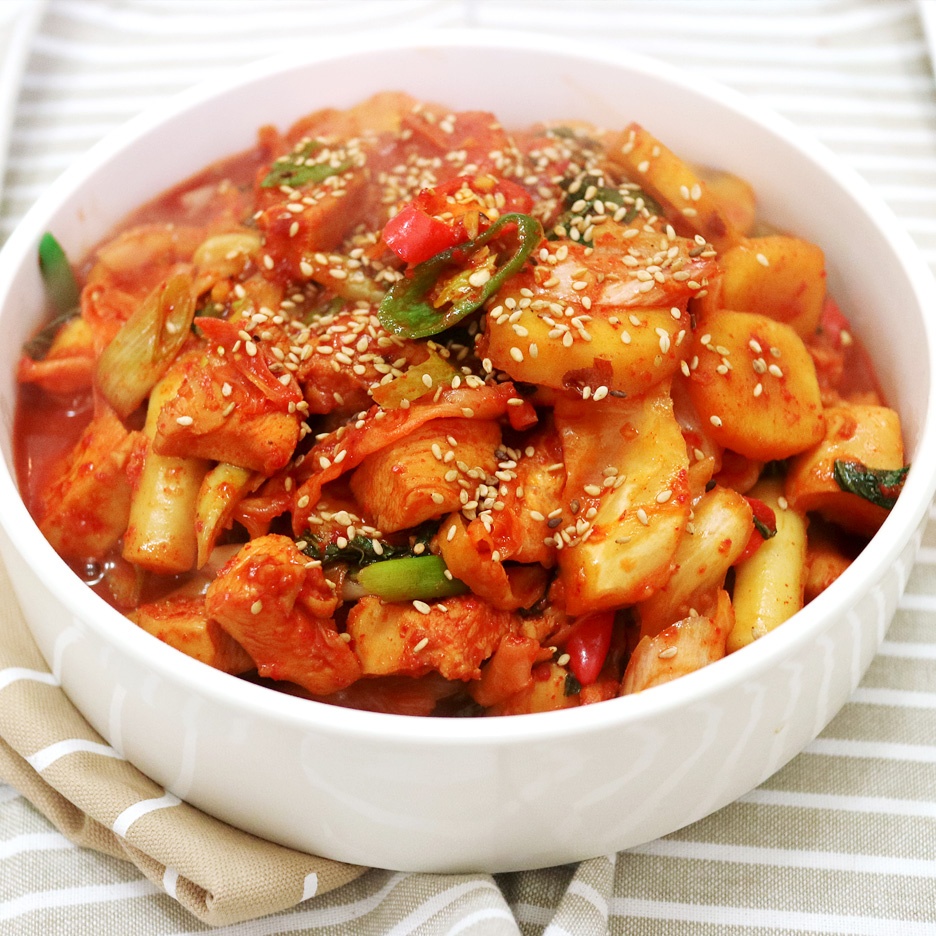
- Best for marinades (bulgogi, dakgalbi): CJ Haechandle or Sempio — you are mixing gochujang with soy sauce, garlic, and sugar anyway, so the nuances of premium brands get lost. Save your money.
- Best for stews and jjigae: Sempio or Chung Jung One — you want something with enough fermented depth to stand up to long cooking. The extra funk helps.
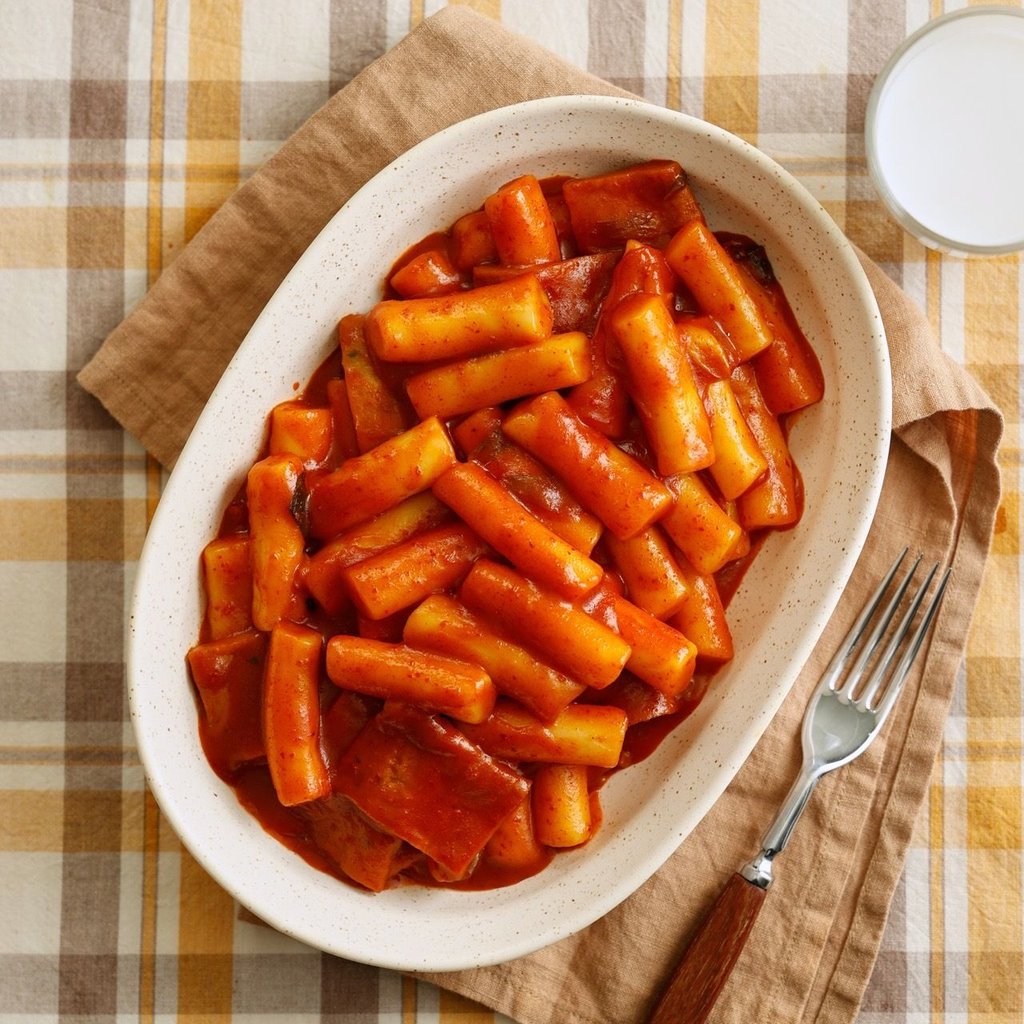
- Best for tteokbokki: Chung Jung One (regular) — good heat, thick texture that coats the rice cakes well. CJ Haechandle level 2 also works great.
- Best for beginners: Bibigo squeeze tube — convenient, mild, and you do not need to commit to a giant tub before you know if you like gochujang.
- Best for dietary restrictions: Q-Rapha or the certified gluten-free O'Food squeeze bottle — both are labeled vegan and gluten-free, but formulas vary by package, so always check the label.
Where to Buy
You have more options than you might think:
- H Mart: The best selection, period. Most H Mart locations carry all the major brands in multiple sizes. This is where you will find the best prices on large tubs.
- Amazon: Convenient for brands like Jongga, Q-Rapha, and Mother-in-Law's. Prices are slightly higher than in-store, but you get doorstep delivery. Watch for sellers bundling gochujang with other Korean staples — sometimes the kits are a better deal.
- 99 Ranch Market: Good selection of CJ, Sempio, and Chung Jung One. Prices are usually competitive with H Mart.
- Whole Foods: Carries Roland Foods and sometimes Mother-in-Law's. Limited selection but convenient if Whole Foods is your regular store.
- Walmart: Some locations now carry CJ Haechandle and Bibigo in the international aisle. Hit or miss depending on the store.
- Weee! (online Asian grocery): Good prices and fast delivery in major metro areas. Often has brands you cannot find on Amazon.
My Recommendation
If you are just getting started with Korean cooking, grab CJ Haechandle. It is affordable, available everywhere, and works well in every recipe on this site. Once you get comfortable and want to level up, try Chung Jung One for everyday cooking and keep a jar of Mother-in-Law's for special sauces and dishes where the gochujang really shines.
If you have dietary restrictions, go with Q-Rapha or the certified gluten-free O'Food squeeze bottle — both are labeled vegan and gluten-free without sacrificing real gochujang flavor, but double-check the label on the exact package you buy.
Storage Tips
Gochujang lasts a long time — months in the fridge after opening. Keep the lid clean and sealed tight. If you see the surface darken slightly, that is normal oxidation and it is still fine to use. The big tubs from CJ and Sempio are the best value if you cook Korean food weekly.
One more thing: do not store gochujang at room temperature after opening. The fermentation will continue and it can get overly sour. Fridge is the way to go.
You Might Also Like

Related Guides
What Is Gochujang? Korean Chili Paste Guide
Everything about gochujang — Korean fermented red pepper paste, its heat levels, how it's made, cooking uses, and a complete buying guide.
How to Use Gochujang — 12 Easy Ways
Not sure what to do with gochujang? Here are 12 ways to use Korean chili paste — from classic Korean recipes to burgers and everyday cooking.
What to Cook with Gochujang — 14 Easy Ways to Use It
Bought a tub of gochujang and not sure what to do with it? Here are 14 ways to use Korean chili paste — beginner-friendly Korean dishes plus non-Korean uses.
9 Best Gochujang Substitutes — DIY Blends That Actually Work
Out of gochujang? These 9 DIY blends using sriracha, miso, harissa, sambal oelek, and more get surprisingly close to the real thing in Korean recipes.
Korean Pantry for Beginners — 10 Essentials
Stock your kitchen with these 10 Korean pantry essentials to make dozens of authentic dishes. Includes where to buy and starter recipes.
Explore This Topic Further
Gochujang
Korean fermented red pepper paste — sweet, spicy, and essential for bibimbap, tteokbokki, and dozens of marinades.
Soy Sauce
Soy sauce seasons marinades, namul, soups, and sauces across Korean cooking. It is one of the site's most-used pantry ingredients.
Spicy Korean Recipes
Korean recipes that bring the heat — from tteokbokki to kimchi jjigae. Sorted by spice level.
Easy Korean Dinners for Weeknights
Quick and satisfying Korean dinner recipes ready in under 30 minutes. Perfect for busy weeknights.
K-Fridge
Already have some of these pantry staples?
Use K-Fridge to see which Korean recipes you can make tonight with the ingredients you already have at home.