Dubai Chocolate in Korea: How One Viral Bar Spawned Cookies, Salt Bread, and Fish-Shaped Pastries
What is Dubai chocolate, and what did Korea do with it? The full family tree of Korea's Dubai dessert craze — the chewy cookie that doesn't exist in Dubai, the 5,000-won fish pastry, the convenience store wars — and how to make the key versions at home.
Why Everyone Is Talking About It
Here's a strange sentence that happens to be true: one of Korea's biggest dessert crazes is named after Dubai, was invented in Seoul, and doesn't exist in Dubai. The Dubai chewy cookie — 두쫀쿠 (du-jjon-ku) to Korean dessert fans — packs pistachio cream and crispy kataifi into a marshmallow-chewy shell, and at the height of the craze, the shop credited with starting it was reportedly pulling in about 130 million won (roughly $90,000) in sales a day. K-pop idols posted it, lines reportedly formed before opening, and convenience-store versions sold in the hundreds of thousands within weeks, according to Korean retail reports.
This is a story about what happens when a global TikTok food lands in a country with one of the fastest-moving dessert cultures anywhere. Korea didn't just import Dubai chocolate — it remixed it, repackaged it, and produced an entire family tree of spin-offs. Let's trace it, and then make the good ones at home.
If you're reading from the US, you've likely met the original already — the bar had its own viral sellout moment in the US through 2024 and 2025. What you probably haven't seen is what happened when that same flavor landed in Seoul. Here's the whole story — and the versions actually worth making in your own kitchen.
Where It All Started
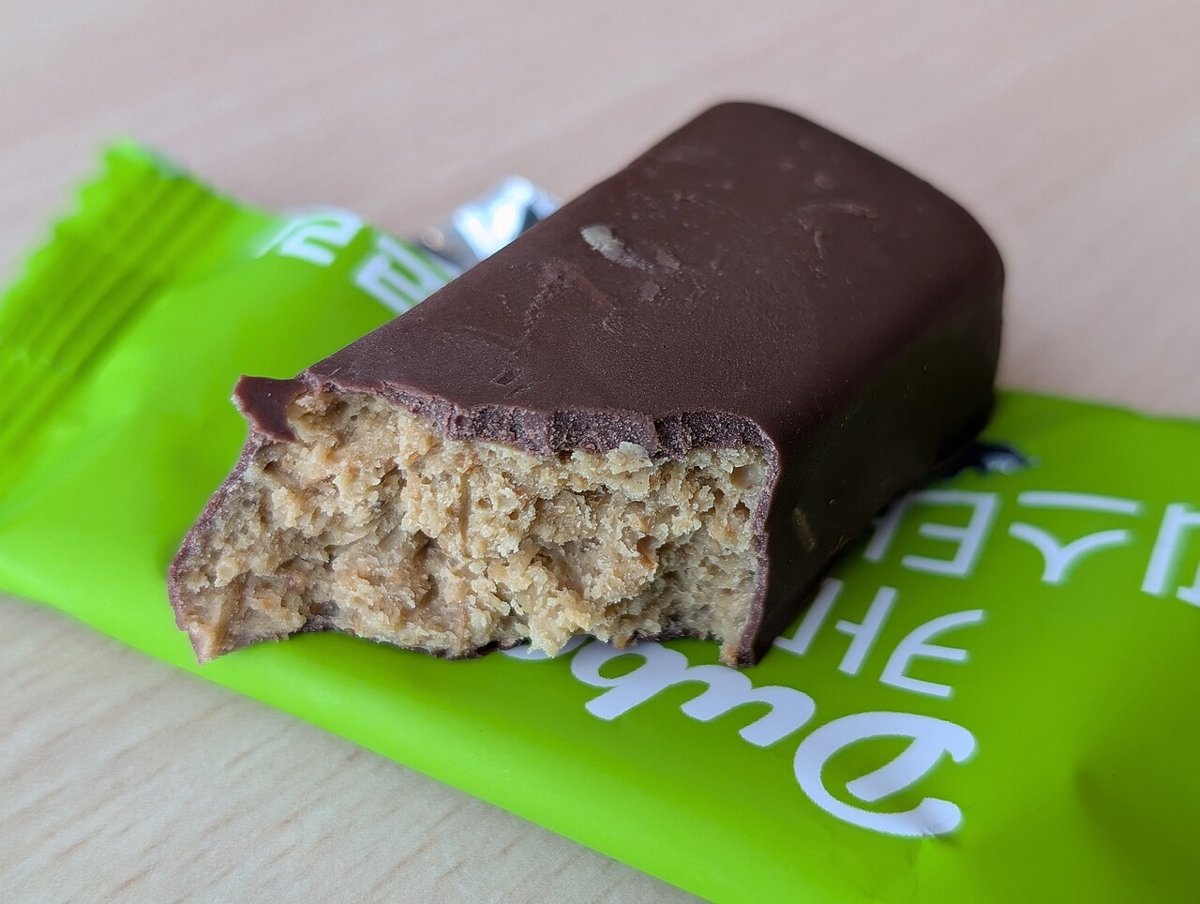
The original Dubai chocolate is real, and it is from Dubai: a milk-chocolate bar filled with pistachio cream and kataifi — the shredded, toasted phyllo strands used across Middle Eastern desserts — created by a small Dubai chocolatier and popularized when a food creator's tasting video went massively viral on TikTok around 2023-2024. The appeal is textural: the snap of chocolate giving way to a filling that's simultaneously creamy and crunchy, with that unmistakable ASMR crackle on camera.
The bar swept the world in 2024, and Korea moved fast. Small bakeries and department-store dessert counters started offering kataifi-pistachio chocolates, and by July 2024 Korean convenience store chains were rolling out mass-market Dubai chocolate bars. The first wave burned hot and then cooled — by 2025, the convenience-store bars had lost steam, with critics pointing out that many were priced high for fairly ordinary quality. In most countries, that would have been the end of the story: a trend arrives, peaks, fades.
Korea's dessert scene doesn't work like that. The flavor combination — pistachio cream plus crispy kataifi — had proven itself. It just needed a better vehicle.
Why It Blew Up
The second wave hit in late 2025, and this time it was a Korean invention: the Dubai chewy cookie. A Seoul dessert shop wrapped the kataifi-pistachio filling in a chewy, marshmallow-based dough — marrying the Middle Eastern flavor profile with the QQ-chewy texture Korean desserts prize. The result was a hybrid that exists nowhere in Dubai — and it took off almost immediately. The shop known as the trend's starting point reportedly hit monthly sales of 2.5 billion won; Naver search volume for the cookie rose roughly sixfold between October 2025 and January 2026.
Celebrity posts poured fuel on it — Korean outlets reported IVE's Jang Wonyoung and singer Kim Sejeong sharing their hauls, and "where do I actually buy this" became a genre of post in itself. Sold-out signs became part of the appeal: fans checked convenience store apps for restocks and reported store-by-store inventory like it was concert tickets.
Then came the mass-market flood. In December 2025, CU and GS25 launched their own versions — Dubai chewy rice cakes, Dubai brownies, Dubai chewy macarons, a 5,800-won Dubai chewy choco-ball — and the numbers were remarkable for convenience store desserts: one chain reportedly sold 460,000 units of its chewy rice cake and 120,000 macarons in under three weeks. Bakery franchises like Paris Baguette followed in January 2026. For a few months, "Dubai" functioned less like a place name and more like a flavor category — the way "Boston" works in Boston cream.
How It Keeps Evolving
Here's where it gets genuinely fun to watch. Once "Dubai = pistachio + kataifi + chocolate" was established as a flavor, Korean vendors started injecting it into every beloved format they had:
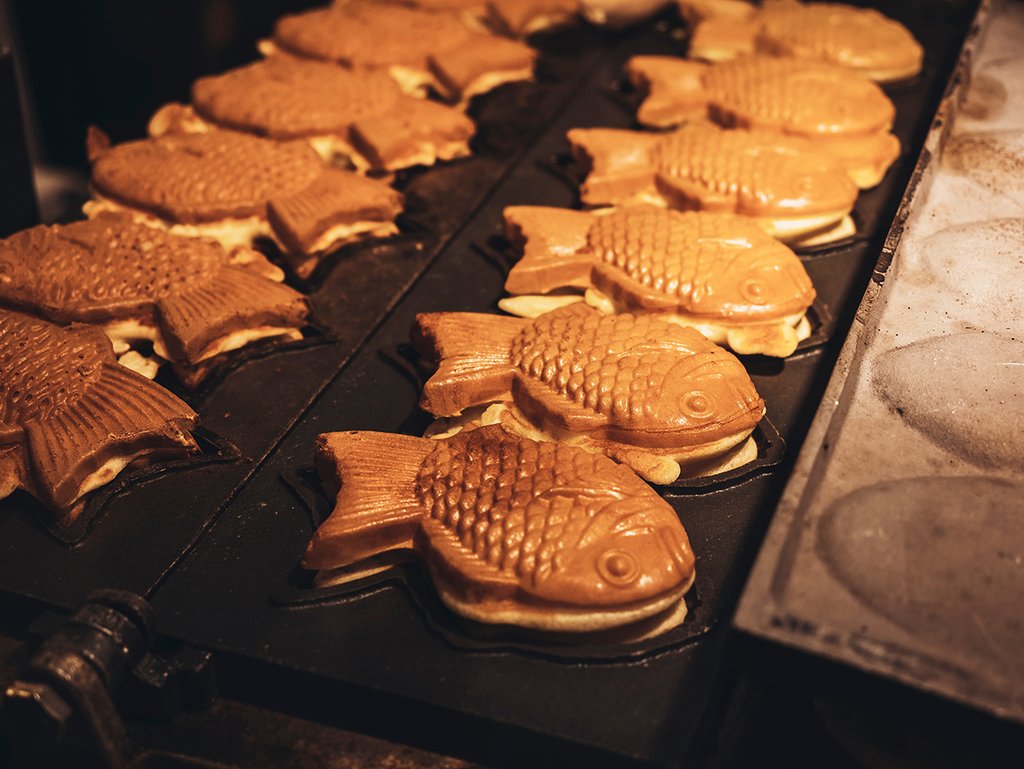
Dubai bungeoppang — the classic fish-shaped winter street pastry, normally filled with red bean for about 1,000 won, reborn with kataifi-pistachio filling at around 5,000 won a fish (and reportedly up to 12,000 won at some Gangnam cafés — a price that itself became news). Dubai salt bread — Korea's other reigning bakery obsession, the sogeum-ppang, split and loaded with the filling. Then Dubai croissants, croissant-bungeoppang hybrids, Dubai croffles, Dubai waffle sandwiches, matcha Dubai cookies — and, in the "we're just having fun now" category, the filling reportedly showed up on menus at sushi restaurants, gukbap soup joints, and grilled eel restaurants that simply wanted in on the search traffic.
By mid-February 2026 the fever was visibly cooling — industry watchers called it a textbook case of SNS-driven trend consumption, with price fatigue setting in (5,000-won street pastries will do that). But like the honey-butter craze and the croffle before it, the trend leaves permanent residue: kataifi and pistachio cream have entered the Korean baking vocabulary for good, and the du-jjon-ku format has started traveling to other countries — a Korean remix of a Middle Eastern flavor, exported onward. That's the Korean dessert cycle in one sentence.
If the pattern feels familiar, it's because Korea has run it before. The 2014 honey-butter chip craze spawned honey-butter everything (almonds, squid, face masks — really) before settling into a permanent flavor category. The croffle — croissant dough in a waffle press, popularized in Korean cafés — went from novelty to standard menu item nationwide in about two years. Korean dessert culture metabolizes trends at unusual speed: adopt, remix, saturate, move on, keep the best parts. Dubai chocolate just got the full treatment faster than most.
Watching all this from a home-cook perspective, what struck me most wasn't the hype — it was how reproducible the core actually is. Strip away the packaging wars and the 12,000-won fish, and "Dubai" comes down to three components you can keep in a cupboard: good chocolate, pistachio cream, and properly toasted kataifi. Every spin-off in the family tree is those three things in a different outfit.
The good news for home cooks: the flavor core is genuinely easy to reproduce, and you don't need a Gangnam café budget. Kataifi is available online, pistachio cream keeps for weeks, and the formats below cover the whole family tree — from the original bar to the fish.
Try It at Home
1. Homemade Dubai Chocolate Bar (the Original)
The one that started it all. Two real techniques matter: toasting the kataifi properly (it must be deeply golden, not pale) and not overfilling the mold. Everything else is assembly.
Ingredients
- 200g milk or dark chocolate, melted (divided)
- 80g kataifi (shredded phyllo), roughly chopped
- 2 tbsp butter
- 150g pistachio cream (pistachio spread)
- 1 tsp tahini (optional, cuts the sweetness)
Steps
- Toast the kataifi in butter over medium heat, stirring constantly, until deep golden and crisp — 8 to 10 minutes. Don't rush this; pale kataifi turns soggy.
- Cool slightly, then fold into the pistachio cream (and tahini if using).
- Brush a chocolate bar mold (or a lined loaf pan) with melted chocolate; chill until set.
- Spread the pistachio-kataifi filling over the set shell, leaving a border.
- Cover with remaining chocolate, chill 30 minutes, and unmold. Listen for the crackle when you break it.
- The filling-to-chocolate ratio is personal, but err toward more filling — the version that disappoints is always the one that's mostly shell.
The two ingredients you actually need to order
- Kataifi (shredded phyllo dough) — usually in the freezer section or online
- Pistachio cream spread — look for one with 40%+ pistachios
2. Du-Jjon-Ku Style Chewy Cookies (the Korean Remix)
The Seoul invention: a chewy, mochi-adjacent cookie shell around the Dubai filling. This home version uses marshmallow worked into the dough for that signature stretch. Fair warning: these are rich. Six small cookies serve more people than you'd think.
Ingredients
- 120g all-purpose flour + 30g glutinous rice flour
- 60g butter, melted
- 60g sugar, 1 egg yolk, pinch of salt
- 50g marshmallows, melted with 1 tsp milk
- Filling: 6 tsp pistachio cream mixed with 3 tbsp toasted kataifi
- White or milk chocolate for drizzling
Steps
- Mix melted butter, sugar, yolk, and the melted marshmallow, then fold in both flours to a soft dough. Chill 30 minutes.
- Portion into 6 balls; flatten each, spoon in the kataifi-pistachio filling, and seal like a dumpling.
- Bake at 170°C (340°F) for 12-14 minutes — they should stay pale and soft; chewiness dies in an overbaked cookie.
- Cool, drizzle with chocolate, and eat slightly warm for maximum stretch.
3. Dubai Salt Bread (5-Minute Cheat Version)
The bakery version starts with laminated dough; the home version starts with a good store-bought roll and gets you 90% of the experience for 5% of the work.
Ingredients
- 2 salt bread rolls or plain croissants, or crusty dinner rolls
- 4 tbsp pistachio cream
- 4 tbsp toasted kataifi (as in recipe 1)
- Flaky salt, melted chocolate for drizzling (optional)
Steps
- Warm the rolls in a 160°C oven for 3-4 minutes so the outside crisps.
- Split lengthwise without cutting all the way through.
- Spread pistachio cream generously inside, pack in the toasted kataifi, and press gently closed.
- Finish with a pinch of flaky salt — the salt-against-sweet contrast is the whole point of the format.
Worth having in the pantry
- Roasted pistachios — crush a handful on top for looks and crunch
4. Dubai Bungeoppang (If You Have the Fish Pan)
The 5,000-won street-stall version, at home for a fraction of that. A bungeoppang (taiyaki) pan is the one specialty tool — if you don't have one, the same batter and filling work in a mini waffle maker. It also happens to be the cheapest way into the trend — street stalls charge 5,000 won apiece precisely because the filling ingredients are premium, but a jar of pistachio cream makes a dozen fish.
Ingredients
- 1 batch bungeoppang batter (see our bungeoppang recipe — linked below)
- 6 tsp pistachio cream
- 4 tbsp toasted kataifi
- A few squares of milk chocolate
Steps
- Heat and grease the fish pan; fill each side halfway with batter.
- Add a small square of chocolate, a teaspoon of pistachio cream, and a pinch of kataifi to one side.
- Close, flip every 30-40 seconds, and cook 3-4 minutes until golden.
- Eat hot, tail first or head first — Koreans genuinely debate this.