Some links below are affiliate links. As an Amazon Associate I earn from qualifying purchases. Learn more
I Tried the 8 Best Store-Bought Kimchi Brands (2026)
By Logan · Published 2026-04-17 · Updated 2026-05-08
Quick Verdict
Best overall
Jongga — reliable, affordable, works for both eating and cooking.
Best budget
Lucky Foods — good enough for everyday cooking at the best price.
Best for beginners
Mama O's or Cleveland Kitchen — milder, less funky, easier to like.
Buy it if
Pay extra for Mother in Law's only if you mostly eat kimchi fresh and want a cleaner, vegan-friendly profile.
| Product | Style | Best For | Fermentation | Price |
|---|---|---|---|---|
| JonggaBest OverallCheck price on Amazon (paid link) → | Traditional (shrimp) | All-purpose | Medium | $ |
| Mother in Law'sBest PremiumCheck price on Amazon (paid link) → | Artisanal, vegan | Eating fresh | Light | $$$ |
| Cleveland KitchenBest for BeginnersCheck price on Amazon (paid link) → | Modern, vegan | Side dish, rice bowls | Light | $$ |
| Sunja'sBest for CookingCheck price on Amazon (paid link) → | Traditional (anchovy/shrimp) | Jjigae, fried rice | Well-fermented | $$ |
| Choi'sCheck price on Amazon (paid link) → | Fresh-pack | Eating fresh | Light | $$ |
| Mama O'sCheck price on Amazon (paid link) → | Mild, approachable | Beginners, sandwiches | Light–Medium | $$ |
| Lucky FoodsBest BudgetCheck price on Amazon (paid link) → | Traditional | Cooking in bulk | Medium | $ |
| H Mart / LocalMost Authentic | House-made, varies | Closest to homemade | Varies | $–$$ |
Making kimchi from scratch is a project. A rewarding one, but still a project. Sometimes you just want to open a jar and have good kimchi ready to eat or throw into a stir-fry. The problem is that store-bought kimchi quality varies wildly — some taste like spicy pickled cabbage, others are genuinely great.
I have tried most of the brands you will find on Amazon, Whole Foods, H Mart, and regular grocery stores. Here are eight worth knowing about, ranked by how likely I am to buy them again.
What Makes Good Store-Bought Kimchi
Before the rankings, here is what I look for. Good kimchi should have a sharp acidity that is not too harsh, a bubbly and lively brine, and napa cabbage that is crunchy rather than soggy. The seasoning should be balanced — salty, tangy, savory, and spicy all at once. If it tastes like one of those things more than the others, something went wrong.
The other thing to understand: fermentation level matters a lot depending on what you are doing with it.
Fresh Eating vs. Cooking — It Matters More Than Brand
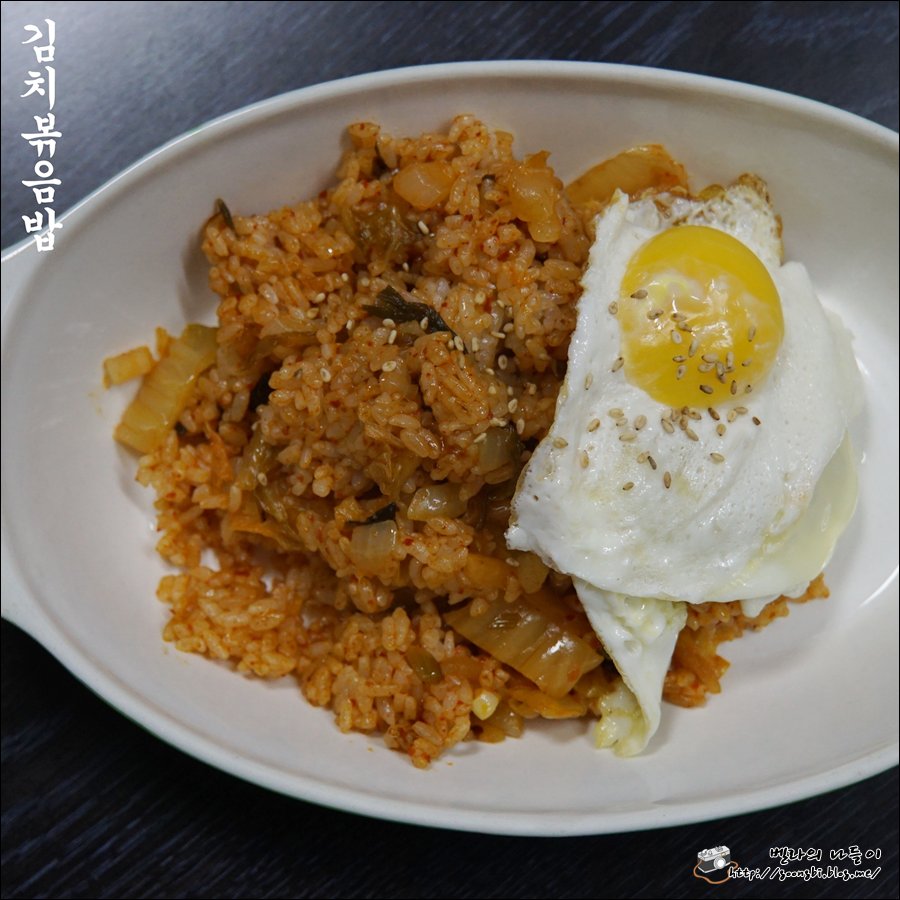
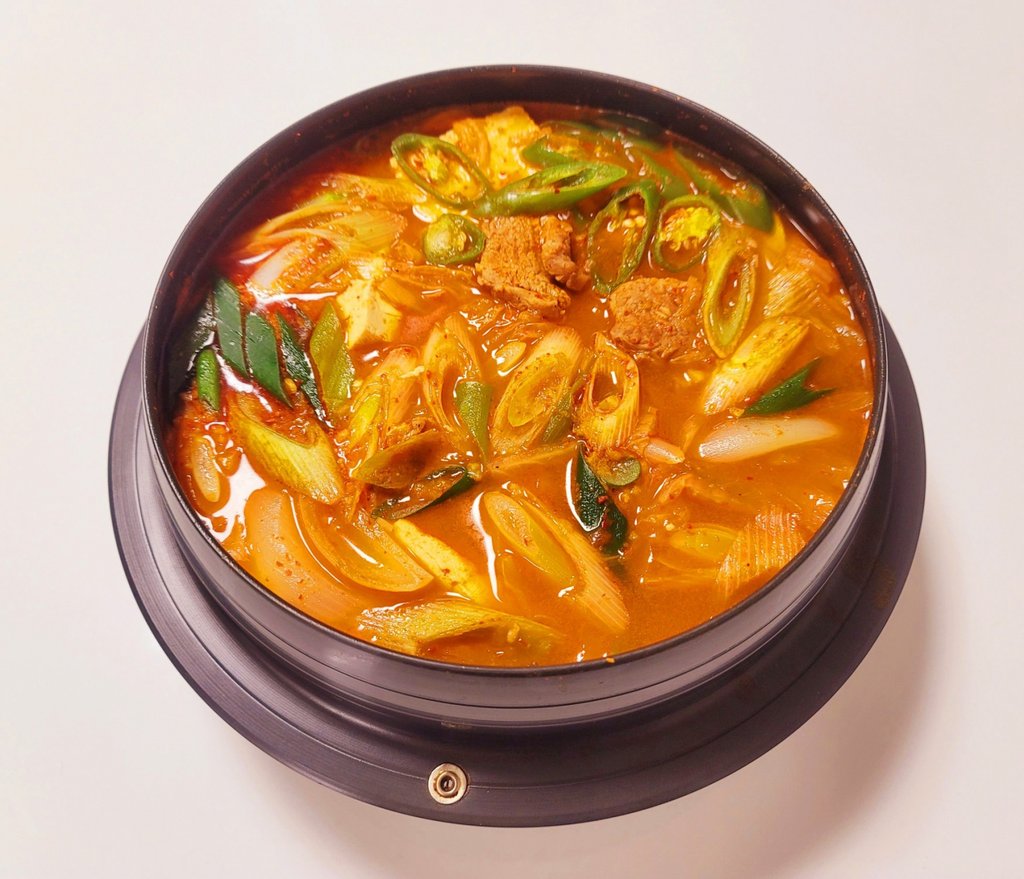
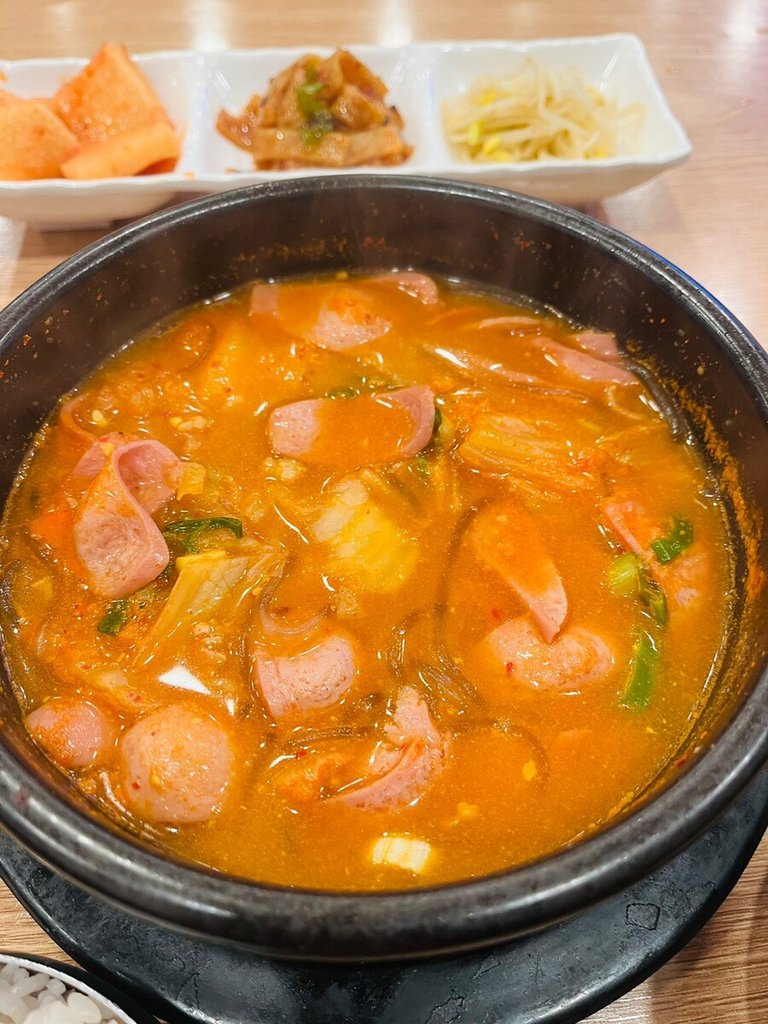
This is the most important thing to understand about buying kimchi. Young, lightly fermented kimchi is best for eating straight — it is crunchy, bright, and refreshing. Older, more fermented kimchi (sour and soft) is what you want for cooking — kimchi fried rice, kimchi jjigae, and budae jjigae all taste better with well-fermented kimchi.
Most store-bought kimchi arrives relatively young. If you want it for cooking, buy it a week or two early and let it ferment in the fridge. It will get tangier and softer over time, which is exactly what you want.
This means the "best" kimchi depends entirely on your use case. I have split my recommendations accordingly.
1. Jongga (종가) Kimchi
Jongga is the number one kimchi brand in Korea, and their export version is solid. It is consistently well-made with good seasoning and a nice level of fermentation. The cut pieces are uniform and the flavor is balanced — not too salty, not too sweet. You can find it at Costco, H Mart, and most Asian grocery stores.
Pros: The most reliable option. Consistent batch to batch. Available in multiple sizes including large pouches that are excellent value. The bold, complex flavor has a clear chile kick, and the addition of fermented shrimp gives it a rich umami depth. Great for both eating fresh and cooking once it ferments a bit.
Cons: Can be a touch milder than what you might expect if you are used to homemade Korean kimchi. The vacuum-sealed pouch can be messy to open.
Best for: All-purpose use. This is the Toyota Camry of kimchi — it does everything well. If you only buy one brand, make it this one.
Check Jongga price on Amazon (paid link) →
2. Mother in Law's Kimchi
A small-batch American brand that uses traditional methods. Mother in Law's kimchi is vegan (no fish sauce or shrimp paste) and has a clean, bright flavor. The fermentation is well-managed and the seasoning is excellent. You will pay a premium for the quality.
Pros: Great for vegans and those avoiding seafood ingredients. Fresh, vibrant flavor. High-quality ingredients with no MSG or preservatives. Beautiful packaging if that matters to you.
Cons: Expensive — significantly more per ounce than Korean imports. The vegan profile means it lacks some of the umami depth you get from fish sauce-based kimchi. Smaller jars mean you will run out fast.
Best for: Eating fresh, vegans, or anyone who wants a premium product. Not the best value for cooking since you burn through it quickly.
Check Mother in Law's price on Amazon (paid link) →
3. Cleveland Kitchen Kimchi
A newer American brand that is vegan and uses a cleaner ingredient list. The flavor is less funky than traditional kimchi — it skips the fermented shrimp and fish sauce — but it makes up for it with a pronounced garlic presence and a bit of real heat.
Pros: Vegan-friendly. Good crunch. Noticeable garlic and heat that sets it apart. Becoming increasingly available at mainstream grocery stores. Clean, simple ingredient list.
Cons: Missing the deep fermented funk that kimchi lovers expect. The milder profile might disappoint traditionalists. Not ideal for cooking since the flavor does not hold up as well under heat.
Best for: Kimchi beginners who find traditional kimchi too intense. Good as a side dish or topping for rice bowls.
Check Cleveland Kitchen price on Amazon (paid link) →
4. Sunja's Kimchi
An American-made brand that uses a more traditional Korean recipe with anchovy and shrimp. The result is a deeper, more savory kimchi with real umami punch. It tends to arrive more fermented than some competitors, which is great if you want to cook with it right away.
Pros: Excellent depth of flavor. Arrives well-fermented, so it is great for cooking right away — no waiting. The mild version is a good entry point for kimchi newcomers. Real traditional Korean flavor profile.
Cons: Texture can be softer than ideal for fresh eating. Price is on the higher side. Less widely available than Jongga.
Best for: Cooking — especially kimchi jjigae and kimchi fried rice. The fermentation level is perfect for heated dishes.
Check Sunja's price on Amazon (paid link) →
5. Choi's Kimchi
A smaller brand that has been gaining popularity. Choi's makes a crunchy, well-seasoned kimchi that leans toward the fresher side. Good gochugaru flavor without being overwhelmingly spicy.
Pros: Nice crunch, good spice level, clean ingredients. Works well as a side dish straight from the jar. The garlic and ginger come through nicely. Feels handmade in a good way.
Cons: Harder to find — mostly available online or at specialty stores. Smaller production means occasional inconsistency between batches.
Best for: Eating fresh as a banchan (side dish). Good for people who want crunchy, less-sour kimchi.
Check Choi's price on Amazon (paid link) →
6. Mama O's Premium Kimchi
Mama O's comes in a distinctive pouch rather than a jar. The kimchi itself is on the milder side with a cleaner taste profile. It is well-seasoned but does not have the aggressive fermentation of traditional Korean brands.
Pros: Approachable flavor for newcomers. The pouch packaging is actually convenient — resealable and takes less fridge space. Good balance of flavors without being too sour or too spicy.
Cons: Can be watery — the brine ratio is higher than most competitors. The texture is softer than ideal. Not enough funk or heat for experienced kimchi eaters.
Best for: Beginners and people who want a mild, approachable kimchi. Good for adding to sandwiches or tacos where you want kimchi flavor without overwhelming everything else.
Check Mama O's price on Amazon (paid link) →
7. Lucky Foods Seoul Kimchi
Lucky Foods makes a straightforward, affordable kimchi that punches above its price point. It is not going to win any artisan awards, but for everyday use — especially cooking — it is a solid choice. Good fermentation, decent spice, reasonable price.
Pros: Best value on this list. Available at many mainstream grocery stores including Whole Foods and Costco depending on location. Good for cooking in large quantities without feeling like you are burning money.
Cons: Not as complex or nuanced as the premium brands. Can be inconsistent — some jars are great, others are just okay. Seasoning can lean salty.
Best for: Budget-friendly cooking kimchi. Great if you go through a lot of kimchi and need to keep costs down.
Check Lucky Foods price on Amazon (paid link) →
8. H Mart or Local Korean Grocery Store Kimchi
This is not a specific brand, but it deserves a spot on the list. Many Korean grocery stores — H Mart, Lotte, Zion Market — sell house-made or locally sourced kimchi in the refrigerated section. It is often the freshest and most traditional option available.
Pros: Usually the closest to homemade quality. Fresher than anything shipped across the country. Often made by local Korean producers using traditional methods. You can sometimes taste before buying. Good variety — not just napa cabbage but radish kimchi, cucumber kimchi, and more.
Cons: Quality varies by store and by batch. No consistent brand to rely on. Not an option if you do not live near a Korean grocery store. Usually no ingredient list or nutrition info.
Best for: Anyone who lives near a Korean grocery store and wants the most authentic experience. Worth trying before committing to a jarred brand.
Quick Buying Guide by Use Case
Best all-purpose kimchi: Jongga. Reliable, affordable, works for eating and cooking.
Best for eating fresh: Mother in Law's or Choi's. Crunchy, bright, well-seasoned.
Best for cooking: Sunja's (arrives well-fermented) or aged Jongga. Deep umami flavor holds up under heat.
Best vegan kimchi: Mother in Law's or Cleveland Kitchen. No fish sauce or shrimp paste.
Best budget kimchi: Lucky Foods. Good enough for everyday cooking at the best price.
Best for beginners: Mama O's or Cleveland Kitchen. Milder, less funky, approachable.
How to Store Store-Bought Kimchi
Always keep kimchi in the fridge after opening. Press the kimchi down so it stays submerged in its liquid — exposure to air is what causes it to dry out and develop off flavors. Transfer to a glass container with a tight lid if the original packaging is not resealable. Avoid metal containers — the acidity will react with certain metals.
If you want to speed up fermentation for cooking, leave the sealed container at room temperature for a day or two, then move it back to the fridge. You will notice it getting tangier and more sour — that is exactly what makes kimchi fried rice and kimchi jjigae taste amazing.
An unopened jar or pouch will last months in the fridge. Kimchi does not really expire — it just gets more fermented over time. If it smells fine and has no mold, it is safe to eat. Very old kimchi (several months) is actually prized for cooking in Korea.
The Bottom Line
For most people, Jongga is the safest bet — reliable, widely available, good price. If you want premium fresh-eating kimchi, go with Mother in Law's or Choi's. For cooking, Sunja's or a well-fermented jar of Jongga will serve you best. If you are on a budget and cook a lot of kimchi dishes, Lucky Foods is the move. And if you have a Korean grocery store nearby, check their refrigerated section before ordering online — the local stuff is often the best of all.
You Might Also Like
Related Guides
What Is Kimchi? Complete Guide to Korean Kimchi
Everything about kimchi: what it is, how it's made, the types, health benefits, how to eat it, and whether to buy or make it at home.
Best Kimchi for Cooking — Fresh vs Aged Guide
Fresh or aged kimchi for cooking? Learn when to use each, the best kimchi for jjigae and fried rice, top brands to buy, and ripeness tips.
How to Store Kimchi — Fridge & Freezer Tips
Learn how to store kimchi in the fridge or freezer, choose the right container, manage fermentation, and use over-fermented kimchi.
What to Cook with Kimchi — 15 Ideas Beyond Eating It Straight
Got a jar of kimchi? Here are 15 ways to cook with it — from fried rice to grilled cheese to kimchi pancakes. Categorized by meal type with difficulty levels.
Where to Buy Korean Ingredients (2026 Guide)
Find Korean cooking ingredients at H Mart, Amazon, Trader Joe's, and online. Includes budget tips, what to buy where, and money-saving strategies.
Explore This Topic Further
Kimchi
Fermented napa cabbage — the soul of Korean cuisine. Used in stews, fried rice, pancakes, and dozens of other dishes.
Gochugaru
Korean red pepper flakes — sun-dried, coarsely ground, and the backbone of kimchi, stews, and most Korean seasoning.
Korean Recipes for Beginners
Start your Korean cooking journey with these beginner-friendly recipes. Simple ingredients, clear instructions, no prior experience needed.
Spicy Korean Recipes
Korean recipes that bring the heat — from tteokbokki to kimchi jjigae. Sorted by spice level.
K-Fridge
Already have some of these pantry staples?
Use K-Fridge to see which Korean recipes you can make tonight with the ingredients you already have at home.