Some links below are affiliate links. As an Amazon Associate I earn from qualifying purchases. Learn more
Best Rice Cakes for Tteokbokki (2026 Guide)
By Logan · Published 2026-04-17 · Updated 2026-05-10
Quick Verdict
Best overall
Jongga if you are ordering online and want the safest tteokbokki result.
Best budget
Fresh from H Mart refrigerated section — cheapest per pound and best texture.
Best for beginners
Yopokki if soaking time and convenience matter more than perfect traditional texture.
Buy it if
Trader Joe's frozen rice cakes are worth grabbing if you are already shopping there and want to try tteokbokki without a special trip.
| Product | Type | Form | Best For | Price |
|---|---|---|---|---|
| JonggaBest OverallCheck price on Amazon (paid link) → | Vacuum-sealed | Cylinder | Tteokbokki & soups | $ |
| YopokkiMost ConvenientCheck price on Amazon (paid link) → | Shelf-stable | Cylinder | Quick tteokbokki | $$ |
| O'FoodCheck price on Amazon (paid link) → | Frozen | Cylinder & sliced | Stir-fry & soup | $ |
| ApexyCheck price on Amazon (paid link) → | Vacuum-sealed | Cylinder | Amazon shoppers | $ |
| Trader Joe'sMost Accessible | Frozen | Sliced oval | Casual cooks | $ |
| Fresh (H Mart / bakery)Best Texture | Fresh refrigerated | Cylinder | Best possible tteokbokki | $ |
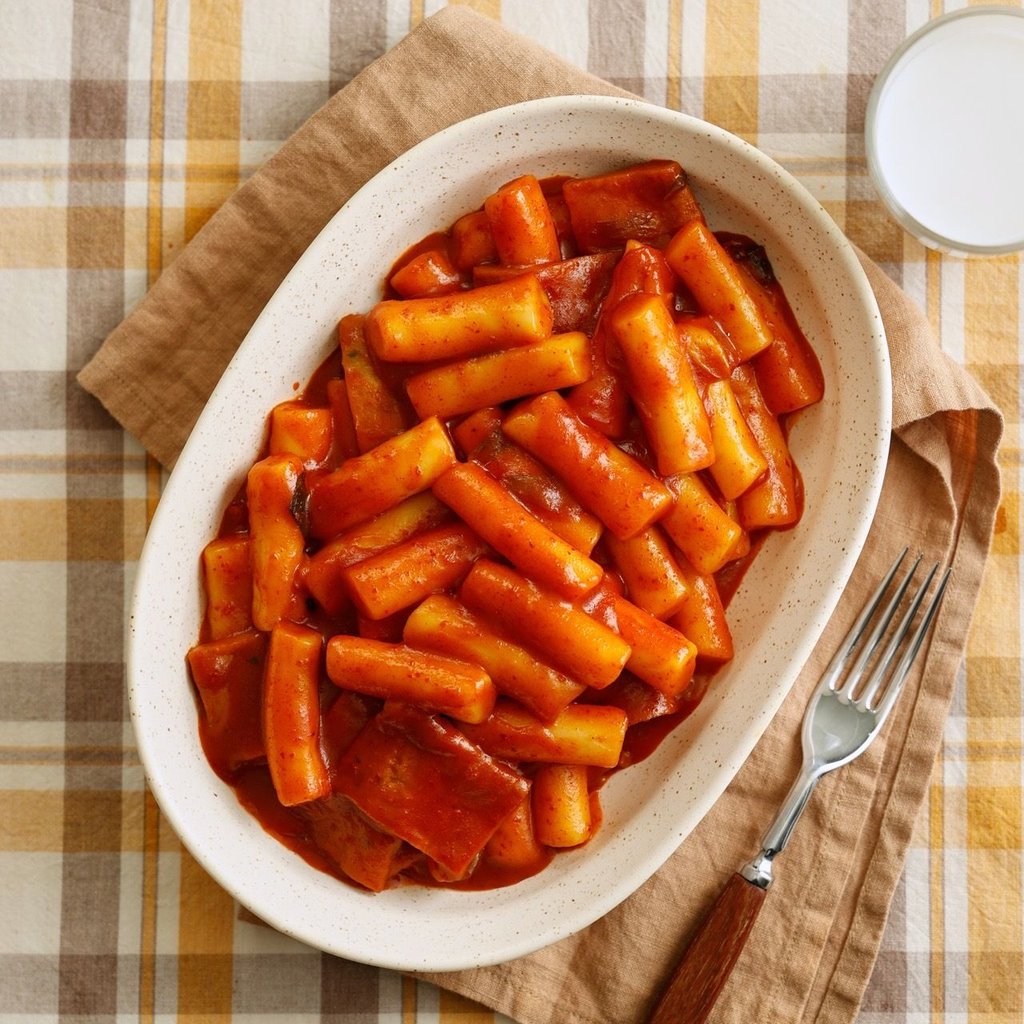
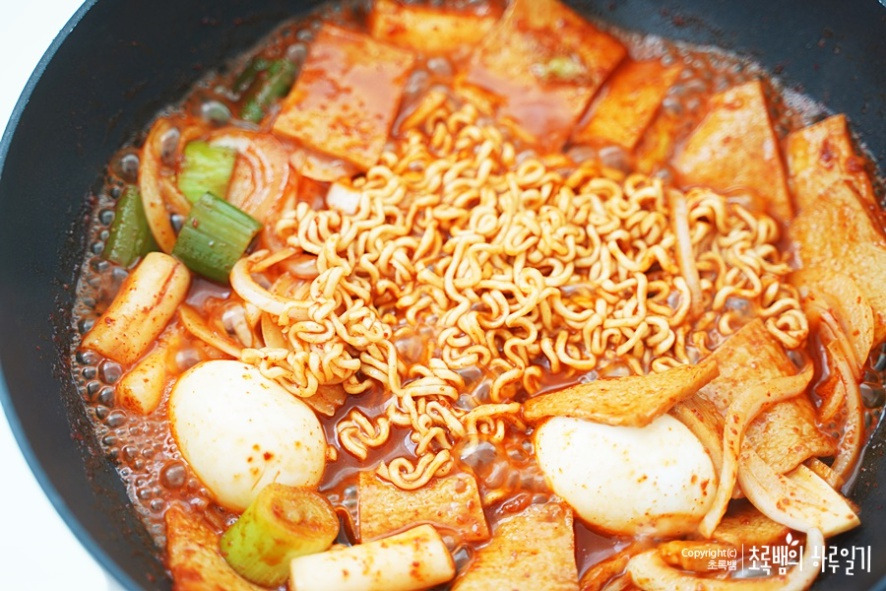
Tteokbokki is one of those dishes that lives or dies by the rice cake. Get the wrong ones and you end up with either rock-hard tubes that never soften or a mushy mess that dissolves into the sauce. The rice cake itself should be chewy, slightly stretchy, and hold its shape in a spicy sauce.
Here is everything I have learned about buying the right rice cakes after making tteokbokki more times than I can count.
Cylinder vs. Sliced — Which Shape?
Korean rice cakes come in two main shapes:
- Cylinder (garae-tteok): The classic tube shape, about the size of your finger. This is what you want for tteokbokki. The cylindrical shape gives you the perfect chew and holds sauce well.
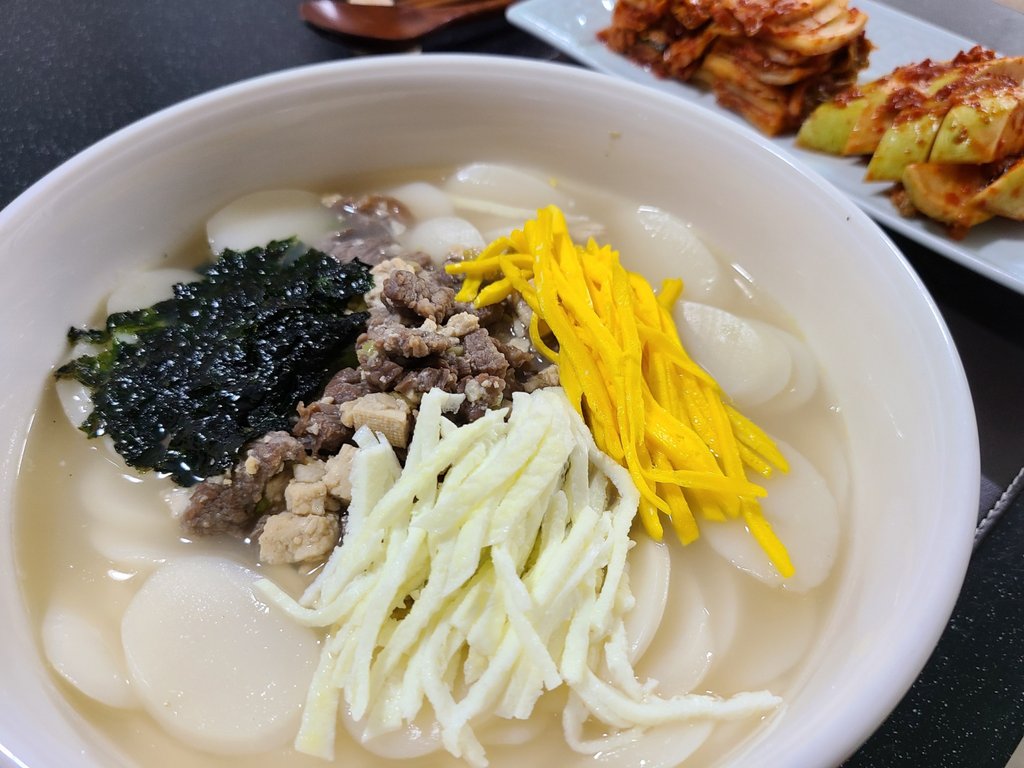
- Sliced ovals (tteokguk-tteok): Thin oval discs used for tteokguk (rice cake soup). These cook faster and have a different texture — thinner and more slippery. Not ideal for tteokbokki but work great in soups.
For tteokbokki, always go with cylinder-shaped rice cakes. Some brands sell them pre-cut into shorter pieces, which is convenient. If you buy long tubes, just cut them into 2-3 inch pieces before cooking.
Frozen vs. Fresh vs. Shelf-Stable
This is where most people go wrong.
Fresh (refrigerated): The best option if you can find them. Soft, pliable, ready to cook. Available at Korean grocery stores in the refrigerated section. The downside is they have a short shelf life — use within a few days or freeze them.
Frozen: The most practical option for most people. Frozen rice cakes keep for months and cook up nearly as well as fresh. The key is thawing them properly — soak in room temperature water for 30-60 minutes before cooking. Do not microwave them to thaw, as this creates uneven texture.
Shelf-stable (vacuum-sealed): These are the ones you find on Amazon and in the dry goods aisle. They are the hardest and need the most soaking time — at least 1-2 hours in water, sometimes overnight for the really dense ones. They work fine once properly hydrated but require more planning.
My ranking: fresh > frozen > shelf-stable. But all three can make good tteokbokki if you handle them right.
Top Brands and Options
1. Jongga Fresh Rice Cakes
Jongga makes excellent vacuum-sealed rice cakes that are widely available on Amazon. They are on the firmer side out of the package but soften up nicely with a 30-minute soak. The texture after cooking is reliably chewy without being gummy. This is my go-to recommendation for people ordering online.
Best for: Online ordering, consistent quality, good all-around tteokbokki.
2. Yopokki Rice Cakes
Yopokki is known for their instant tteokbokki kits, but they also sell rice cakes separately. These are softer out of the package than most shelf-stable options and need less soaking time. The rice cakes themselves are slightly thinner than traditional garae-tteok, which means they cook faster.
Best for: Quick cooking, beginners who want less soaking hassle.
3. O'Food (Chung Jung One) Rice Cakes
O'Food's frozen rice cakes are among the best frozen options available. They have a nice springy texture that holds up well in sauce without getting mushy. Available at most H Mart locations and on Amazon.
Best for: Frozen option with the closest-to-fresh texture. Great for bulk buying.
4. Apexy Korean Tteokbokki Rice Cakes
Apexy has become one of the most popular rice cake brands on Amazon, and for good reason. The rice cakes come vacuum-sealed and are on the thicker side, which gives you a more substantial chew. They hold up well in saucy dishes without falling apart, and the texture lands somewhere between shelf-stable and frozen — firm but not rock-hard. A 20-30 minute soak is usually enough.
Pros: Widely available on Amazon with fast shipping. Good thickness for a satisfying chew. Reasonable price for the quantity you get.
Cons: Can be slightly inconsistent between batches — some bags are softer than others. Not as refined in texture as Jongga.
Best for: Amazon shoppers who want a solid everyday rice cake without overthinking it.
5. Trader Joe's Sliced Rice Cakes
Trader Joe's carries frozen Korean rice cakes in their freezer section, and they are surprisingly decent. They come in sliced oval form rather than cylinders, which means they are technically designed for tteokguk (soup). But plenty of people use them for tteokbokki anyway, and the result is a thinner, slightly different version that still tastes good.
Pros: Extremely accessible — no trip to a specialty store needed. Affordable. Already frozen, so no shelf-stable soaking time. The sliced shape cooks fast, usually in under 5 minutes.
Cons: The sliced shape gives you a different experience than traditional cylindrical tteokbokki. Less chewy, more slippery. Purists will not love it.
Best for: People who shop at Trader Joe's anyway and want to try tteokbokki without a special trip. Also good for quick weeknight cooking.
6. Fresh from a Korean Bakery or H Mart Refrigerated Section
If you live near an H Mart or a local tteok bakery (yes, these exist in cities with large Korean communities), fresh rice cakes are the gold standard. They are soft, pliable, and need zero soaking — just cut and cook. The texture is noticeably better than any packaged option. H Mart's refrigerated section usually has bags of fresh garae-tteok near the tofu and dumplings.
Pros: Best possible texture and chew. No soaking required. Usually the cheapest per pound if you compare to what you pay on Amazon.
Cons: Short shelf life — use within 3-5 days or freeze immediately. Only available if you live near the right stores.
Best for: Anyone lucky enough to live near a Korean grocery. Stock up and freeze extras.
Cooking Tips That Actually Matter
Getting good results from store-bought rice cakes comes down to a few key steps:
- Always soak or thaw first. Cooking dry, hard rice cakes directly in sauce almost never works well. They cook unevenly — hard in the center, mushy on the outside.
- Do not overcook. Rice cakes go from perfectly chewy to mushy in about 2-3 minutes. Once they are soft and stretchy, pull them off the heat. They will continue to firm up slightly as they cool.
- Add them to the sauce, not the other way around. Get your tteokbokki sauce simmering first, then add the pre-soaked rice cakes. This gives you more control over the final texture.
- Eat immediately. Rice cakes harden as they cool. Tteokbokki is a dish meant to be eaten hot. If you have leftovers, reheat them with a splash of water to re-soften the rice cakes.
Common Mistakes to Avoid
After watching a lot of people struggle with store-bought rice cakes, these are the mistakes I see most often:
- Skipping the soak for shelf-stable rice cakes. I get it — you are hungry and want to cook now. But dumping hard, dry rice cakes directly into sauce gives you a terrible result. The outside gets gluey while the center stays chalky. Just soak them. Set a timer and do something else for 30 minutes.
- Boiling frozen rice cakes before adding to sauce. Some recipes tell you to blanch frozen rice cakes first. This usually overcooks them. For tteokbokki, just thaw them in room temperature water and add them directly to the simmering sauce.
- Cooking too long on high heat. High heat makes rice cakes go mushy faster. Medium heat gives you more control and a wider window between "not ready" and "overdone."
- Letting leftovers sit out. If you are not eating all the tteokbokki at once, take the rice cakes out of the sauce before storing. Rice cakes sitting in liquid for hours turn into a starchy blob. Store them separately and recombine when reheating.
Where to Buy Rice Cakes
Here is a quick rundown of where to find rice cakes, from best selection to most convenient:
- H Mart: Best selection and price. Fresh, frozen, and shelf-stable options all in one store. The refrigerated section has fresh garae-tteok that beats anything you will find online.
- Amazon: Widest variety for online shoppers. Jongga, Apexy, Yopokki, and O'Food all available with Prime shipping. Prices are slightly higher than in-store.
- Trader Joe's: Carries frozen sliced rice cakes in the freezer section. Not traditional cylinder shape, but perfectly usable. Accessible and affordable.
- Walmart: Some locations carry Korean rice cakes in the international aisle. Selection varies wildly by store.
- Weee! (online Asian grocery): Good prices on fresh and frozen rice cakes with fast delivery in major metro areas. Worth checking if H Mart delivery is not available in your area.
- 99 Ranch Market: Solid frozen selection, usually carries O'Food and a couple of other brands.
Beyond Tteokbokki — Other Dishes with Rice Cakes
Once you buy rice cakes for tteokbokki, you will probably have leftovers in the bag. Here are other dishes worth trying:
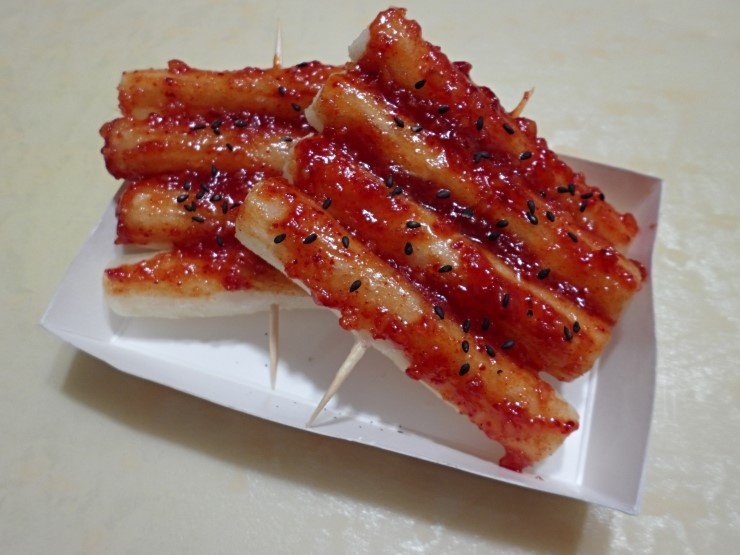
- Tteok-kkochi (rice cake skewers): Thread the rice cakes onto skewers, pan-fry until crispy on the outside, then glaze with a sweet-spicy sauce. Street food style and incredibly satisfying. The same cylinder rice cakes work perfectly.
- Gungjung tteokbokki (royal court tteokbokki): The non-spicy version of tteokbokki made with soy sauce, sesame oil, beef, and vegetables. A completely different flavor profile that is great for people who cannot handle gochujang heat. Same rice cakes, totally different dish.
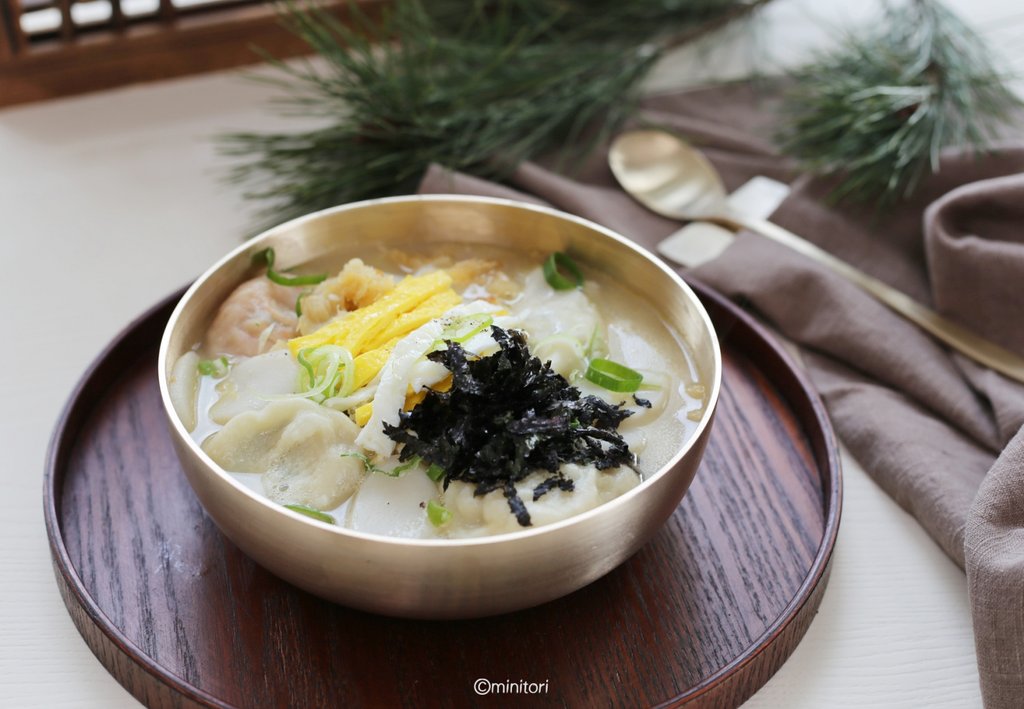
- Tteokguk (rice cake soup): If you bought sliced oval rice cakes (or Trader Joe's version), this is their natural home. A clear beef or anchovy broth with sliced rice cakes, egg, and seaweed. Simple, comforting, and traditional for Korean New Year.
- Tteok-manduguk (rice cake and dumpling soup): Same as tteokguk but with dumplings added. A fuller, more complete meal.
- Stir-fried rice cakes with vegetables: Slice the cylinders in half lengthwise, stir-fry with whatever vegetables you have, and toss with soy sauce and sesame oil. Quick lunch.
How to Store Rice Cakes
Unopened shelf-stable rice cakes last for months in a cool, dry place. Check the expiration date but they are generally forgiving.
Fresh rice cakes should be used within 3-5 days of purchase. If you buy more than you need, freeze them immediately in a freezer bag with as much air removed as possible. They will keep for 2-3 months frozen.
Frozen rice cakes from the store can stay frozen for 6+ months without quality issues. Do not refreeze after thawing — the texture degrades significantly.
What About Rice Cake Kits?
Brands like Yopokki and O'Food sell complete tteokbokki kits with rice cakes and sauce packets included. These are fine for a quick snack but the sauce is usually too sweet and one-dimensional compared to homemade. I recommend buying the rice cakes separately and making your own sauce — it takes about 5 extra minutes and the result is dramatically better.
The Bottom Line
For most home cooks ordering online, Jongga or Apexy rice cakes are the way to go. Soak or thaw them properly, do not overcook, and eat them hot. If you are lucky enough to live near a Korean grocery store, grab the fresh refrigerated ones — they are the gold standard and usually the cheapest option too. And if Trader Joe's is your store, their frozen sliced rice cakes make a perfectly respectable tteokbokki with zero hassle.
You Might Also Like
Related Guides
What Is Gochujang? Korean Chili Paste Guide
Everything about gochujang — Korean fermented red pepper paste, its heat levels, how it's made, cooking uses, and a complete buying guide.
Korean Pantry for Beginners — 10 Essentials
Stock your kitchen with these 10 Korean pantry essentials to make dozens of authentic dishes. Includes where to buy and starter recipes.
Where to Buy Korean Ingredients (2026 Guide)
Find Korean cooking ingredients at H Mart, Amazon, Trader Joe's, and online. Includes budget tips, what to buy where, and money-saving strategies.
How to Use Gochujang — 12 Easy Ways
Not sure what to do with gochujang? Here are 12 ways to use Korean chili paste — from classic Korean recipes to burgers and everyday cooking.
What to Cook with Gochujang — 14 Easy Ways to Use It
Bought a tub of gochujang and not sure what to do with it? Here are 14 ways to use Korean chili paste — beginner-friendly Korean dishes plus non-Korean uses.
Explore This Topic Further
Rice Cakes (Tteok)
Chewy rice cakes used in tteokbokki, soups, and skewered street food. Available frozen, fresh, or shelf-stable.
Soy Sauce
Soy sauce seasons marinades, namul, soups, and sauces across Korean cooking. It is one of the site's most-used pantry ingredients.
Korean Recipes for Beginners
Start your Korean cooking journey with these beginner-friendly recipes. Simple ingredients, clear instructions, no prior experience needed.
Easy Korean Dinners for Weeknights
Quick and satisfying Korean dinner recipes ready in under 30 minutes. Perfect for busy weeknights.
K-Fridge
Already have some of these pantry staples?
Use K-Fridge to see which Korean recipes you can make tonight with the ingredients you already have at home.