Some links below are affiliate links. As an Amazon Associate I earn from qualifying purchases. Learn more
Korean Pantry Starter Kit — Everything You Need Under $50
By Logan · Published 2026-04-17 · Updated 2026-05-10
Quick Verdict
Best overall
Start with gochugaru, gochujang, doenjang, soy sauce, sesame oil, rice vinegar, and sesame seeds.
Best budget
Skip specialty stock ingredients at first and build around the seven basics under the $50 target.
Best for beginners
This is the right first buy if you want to unlock the largest number of recipes with the smallest pantry spend.
Buy it if
It is worth buying as a bundle only if you know you will cook Korean food weekly rather than once a month.
Starting Korean cooking feels overwhelming when you see a recipe call for gochugaru, gochujang, doenjang, and three types of soy sauce. But here is the thing — you do not need all of that on day one. A focused starter kit of seven essentials will get you through the vast majority of Korean recipes, and you can build it for under $50.
I put this list together based on what I actually use most. These are the ingredients that show up again and again across bibimbap, kimchi fried rice, doenjang jjigae, and dozens of other recipes on this site.
The 7 Essentials
1. Gochugaru (Korean Chili Flakes) — ~$8-12
Gochugaru is the vibrant red chili flake used in kimchi, stews, and stir-fries. It is not the same as regular crushed red pepper — gochugaru has a slightly sweet, smoky flavor with moderate heat.
Recommended brand: Taekyung or Chung Jung One. Look for "coarse" cut for kimchi making and "fine" cut for sauces and stews. A 1-pound bag will last months.
Exact product to search: "Taekyung Korean Red Pepper Flakes Gochugaru 1lb" on Amazon or at H Mart.
Substitute: In a pinch, Aleppo pepper flakes are the closest substitute. Regular red pepper flakes are too sharp and lack the sweetness.
Storage: Keep in the freezer for best color and flavor retention. It lasts up to a year frozen without any quality loss. The flakes stay loose and scoopable even at freezer temperature.
How you will use it: Kimchi-jjigae, tteokbokki, kimchi fried rice, dipping sauces, any dish that needs Korean-style heat.
2. Gochujang (Fermented Chili Paste) — ~$5-7
The sweet, spicy, fermented paste that defines Korean flavor. Used in bibimbap sauce, tteokbokki, marinades, and dipping sauces.
Recommended brand: CJ Haechandle medium heat (the red container). A 500g tub is the best value for regular cooking.
Exact product to search: "CJ Haechandle Gochujang 500g" — this is the standard that most Korean households use.
Why this brand: It is the most popular brand in Korea, consistent in quality, and available at every Korean grocery store and on Amazon. The medium heat level is versatile enough for any recipe.
Substitute: There is no perfect substitute. A mix of miso paste, sriracha, and a touch of sugar gets you in the neighborhood but not the real thing. Just buy the real thing.
Storage: Fridge after opening. Lasts 6+ months easily, often over a year.
How you will use it: Bibimbap sauce, tteokbokki, meat marinades, gochujang mayo, stir-fry sauce, glaze for roasted vegetables.
3. Doenjang (Korean Soybean Paste) — ~$5-7
Think of doenjang as Korean miso, but funkier and more assertive. It is the base of doenjang jjigae (soybean paste stew) and shows up in marinades and dipping sauces.
Recommended brand: Sempio or CJ Haechandle. Both are reliable and affordable. The Sempio version tends to have a slightly smoother texture.
Exact product to search: "Sempio Doenjang Soybean Paste 500g" on Amazon or at H Mart.
Substitute: Japanese red (aka) miso works in a pinch but is milder and sweeter. You will need to use more of it and the flavor will be different.
Storage: Fridge after opening. Like gochujang, it lasts a very long time — 6-12 months easily.
How you will use it: Doenjang jjigae (the most common Korean home-cooked meal), ssamjang dipping sauce, marinades for pork, adding depth to soups.
4. Soy Sauce (Soup Soy Sauce + Regular) — ~$6-10
Korean cooking uses two types of soy sauce. Regular soy sauce (jin ganjang) is your all-purpose seasoning. Soup soy sauce (guk ganjang) is saltier, lighter in color, and specifically for seasoning soups and stews without turning them dark.
Recommended brands: Sempio for soup soy sauce (look for the light-colored bottle labeled guk ganjang). For regular soy sauce, Sempio or Kikkoman both work fine.
Exact products to search: "Sempio Guk Ganjang Soup Soy Sauce" and "Kikkoman Soy Sauce" (any size).
Budget tip: You can skip soup soy sauce at first and just use regular soy sauce with a lighter hand. Add a tiny pinch of salt to compensate for the saltiness difference. This saves you $4-5 initially.
Storage: Room temperature is fine for soy sauce. It basically lasts forever.
How you will use it: Literally everything. Seasoning rice, soups, stews, marinades, dipping sauces, stir-fries, namul (vegetable side dishes).
5. Sesame Oil (Toasted) — ~$6-8
Toasted sesame oil is the finishing oil of Korean cooking. You drizzle it on at the end for that nutty, aromatic flavor. It is used in bibimbap, namul (vegetable side dishes), and marinades.
Recommended brand: Ottogi or Kadoya. Make sure it says "toasted" or "roasted" — plain sesame oil is a completely different product with a neutral flavor.
Exact product to search: "Kadoya Pure Sesame Oil" or "Ottogi Premium Roasted Sesame Oil" — both are excellent.
Why it matters: Sesame oil is the single ingredient that makes Korean food taste Korean. Even a few drops transform a simple dish. There is no substitute for the toasted flavor.
Storage: Keep in a cool, dark place. Sesame oil can go rancid if exposed to heat and light. The fridge is safest if you do not use it quickly.
How you will use it: Finishing drizzle on every banchan, rice bowls, noodle dishes, marinades, dipping sauces. It goes in almost everything.
6. Rice Vinegar — ~$3-5
Used in pickled vegetables, dipping sauces, and bibim (mixed) dishes. Korean rice vinegar is mild and slightly sweet compared to other vinegars.
Recommended brand: Ottogi or Marukan. Both are clean-tasting and affordable.
Exact product to search: "Marukan Seasoned Rice Vinegar" or "Ottogi Rice Vinegar" — either works well.
Substitute: Apple cider vinegar diluted slightly with water works reasonably well for dipping sauces. Not ideal for pickled vegetables though.
Storage: Room temperature, indefinite shelf life.
How you will use it: Dipping sauces for dumplings and pancakes, cho-gochujang (sweet-spicy dipping sauce), quick pickled vegetables, bibim-guksu sauce.
7. Sesame Seeds — ~$3-5
Toasted sesame seeds go on top of practically everything in Korean cooking. They add crunch and nuttiness to banchan, rice dishes, and noodles.
Recommended brand: Ottogi roasted sesame seeds. Buy the pre-toasted ones to save time — raw sesame seeds need to be toasted before use.
Exact product to search: "Ottogi Roasted Sesame Seeds" in the largest bag available for best value.
Substitute: No substitute needed — just skip them if you do not have them. They are a garnish, not a core flavor.
Storage: Fridge or freezer to keep them fresh. They can go stale and develop off-flavors at room temperature over time.
How you will use it: Sprinkle on top of everything — namul, rice bowls, noodles, soups, and even as part of dipping sauces.
Total Cost Breakdown
If you buy mid-range brands on Amazon:
- Gochugaru (1 lb): $10
- Gochujang (500g): $6
- Doenjang (500g): $6
- Soy sauce (regular + soup): $8
- Sesame oil (Kadoya 5.5oz): $7
- Rice vinegar: $4
- Sesame seeds: $4
Total: approximately $45. Under $50 with room to spare.
If you shop at H Mart or a Korean grocery store, you might save $5-10 on the total, especially on the pastes and gochugaru.
What This Kit Unlocks
With these 7 ingredients plus basics you likely already have (garlic, oil, rice, eggs), you can make:
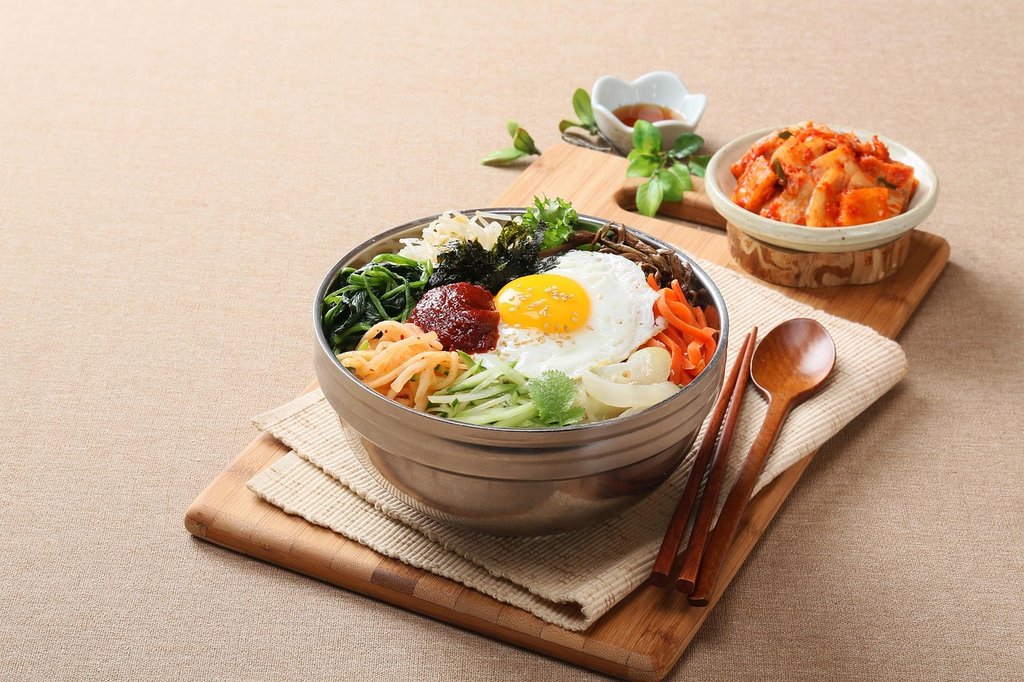
- Bibimbap — gochujang sauce, sesame oil, soy sauce
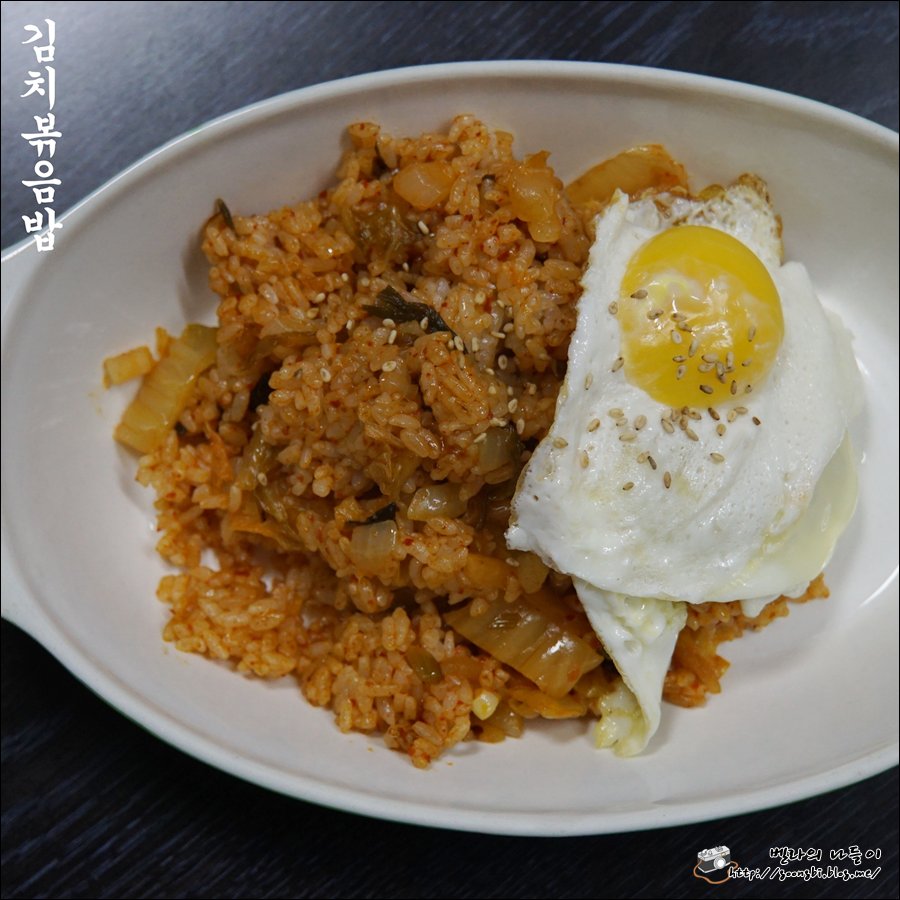
- Kimchi fried rice — gochugaru, sesame oil, soy sauce (plus store-bought kimchi)
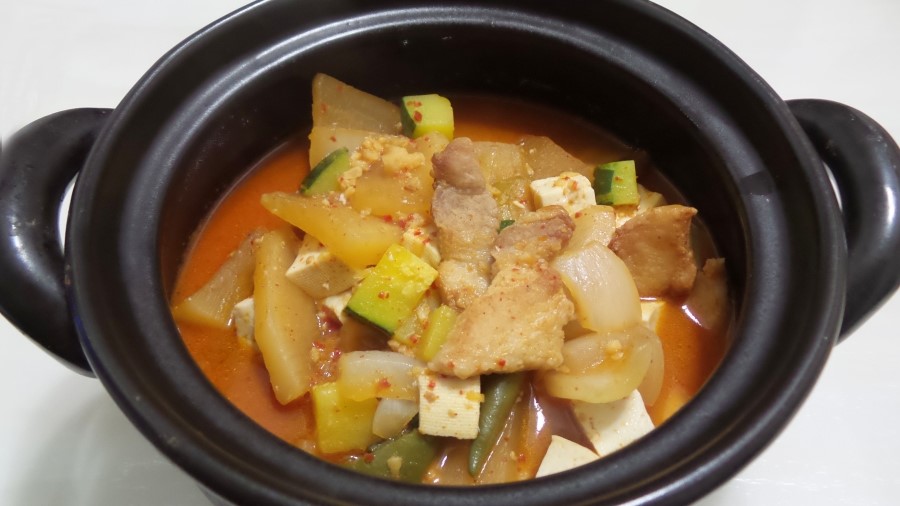
- Doenjang jjigae — doenjang, sesame oil, soy sauce
- Japchae — soy sauce, sesame oil, sesame seeds
- Bulgogi marinade — soy sauce, sesame oil, garlic, sugar
- Tteokbokki — gochujang, gochugaru, soy sauce (plus rice cakes)
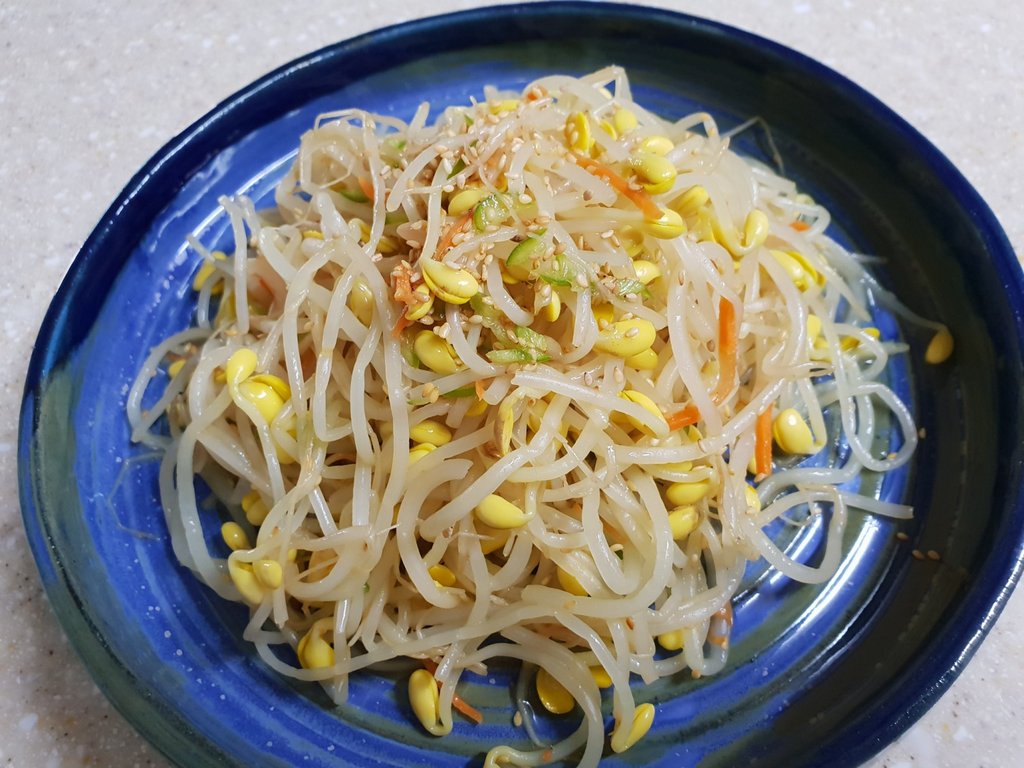
- Any namul (vegetable banchan) — sesame oil, soy sauce, sesame seeds, garlic
- Dipping sauces — soy sauce, rice vinegar, sesame oil, gochugaru
- Korean-style salad dressing — rice vinegar, sesame oil, soy sauce, gochugaru
That is easily 20-30+ distinct dishes from a $45 investment. The per-recipe cost after the initial purchase is very low.
Where to Buy — Comparison
- Amazon: Most convenient if you want everything delivered at once. Prices are slightly higher than in-store but shipping is usually free with Prime. Best for: people without a Korean grocery store nearby.
- H Mart / Korean grocery: Best prices, freshest products, widest selection. You can inspect products before buying. Best for: anyone with a store within reasonable driving distance.
- Regular grocery + Amazon hybrid: Buy soy sauce, sesame oil, and rice vinegar at your regular store (often cheaper for basics), then order gochugaru, gochujang, and doenjang on Amazon. Best for: minimizing trips while still getting good value.
Upgrade Path — What to Add Next
Once you have the 7 essentials and are cooking Korean food regularly, here is what to add in order of usefulness:
- Dried anchovies + dried kelp ($8-12 total): For making proper Korean soup stock (anchovy-kelp broth). This is the foundation of doenjang jjigae, kimchi jjigae, and many Korean soups. Until you buy these, chicken broth is a fine substitute.
- Fish sauce ($4-5): Used in kimchi-making and adds depth to some stews and seasonings. Not essential early on but useful once you start making banchan regularly.
- Korean corn syrup / mulyeot ($5-6): Adds a specific glossy sweetness to sauces and stews. Honey or regular sugar substitutes okay but the texture is different.
- Mirin ($4-5): Sweet rice wine used in marinades and sauces. Adds a subtle sweetness and depth that sugar alone cannot achieve.
- Dashida / Korean soup powder ($4-5): A convenient shortcut for Korean broth when you do not have time to make stock from scratch. Beef dashida is the most versatile.
Adding all of these brings your total pantry investment to about $70-80, but unlocks essentially the entire range of Korean home cooking.
What You Do NOT Need Yet
Skip these until you are cooking Korean food regularly:
- Multiple types of gochugaru: One bag (coarse) handles everything at first
- Maesil-cheong (plum extract): Shows up in some recipes but sugar or honey substitutes fine
- Fermented shrimp (saeujeot): Only needed for making kimchi from scratch
- Perilla oil: Nice to have for specific dishes but sesame oil covers most needs
- Multiple types of doenjang: One tub of regular doenjang is plenty to start
Storage Cheat Sheet
- Freezer: Gochugaru (stays fresh 1+ year)
- Fridge: Gochujang, doenjang, sesame oil (if not using quickly)
- Room temperature: Soy sauce, rice vinegar, sesame seeds (short-term)
That starter kit will carry you through bibimbap, kimchi fried rice, doenjang jjigae, japchae, bulgogi, and dozens of banchan recipes. Build from there as you get comfortable — but these seven ingredients are the foundation that everything else builds on.
You Might Also Like
Related Guides
Korean Pantry for Beginners — 10 Essentials
Stock your kitchen with these 10 Korean pantry essentials to make dozens of authentic dishes. Includes where to buy and starter recipes.
Korean Cooking for Beginners — Start Here
New to Korean cooking? Get the essential equipment, 5 must-have ingredients, easiest starter recipes, and tips to avoid common mistakes.
Where to Buy Korean Ingredients (2026 Guide)
Find Korean cooking ingredients at H Mart, Amazon, Trader Joe's, and online. Includes budget tips, what to buy where, and money-saving strategies.
Korean Cooking Tools — What You Actually Need
Honest guide to Korean cooking tools. Covers rice cookers, ttukbaegi, dolsot, BBQ pans, and more — what to buy, skip, and where to find them.
What Is Doenjang? Korean Fermented Soybean Paste Explained
Learn what doenjang is, how it differs from miso, health benefits, key recipes, and a buying guide for Korean fermented soybean paste.
Explore This Topic Further
Sesame Oil
Toasted sesame oil adds a nutty aroma to finished dishes. A few drops transform any Korean side dish.
Soy Sauce
Soy sauce seasons marinades, namul, soups, and sauces across Korean cooking. It is one of the site's most-used pantry ingredients.
Korean Recipes for Beginners
Start your Korean cooking journey with these beginner-friendly recipes. Simple ingredients, clear instructions, no prior experience needed.
Easy Korean Dinners for Weeknights
Quick and satisfying Korean dinner recipes ready in under 30 minutes. Perfect for busy weeknights.
K-Fridge
Already have some of these pantry staples?
Use K-Fridge to see which Korean recipes you can make tonight with the ingredients you already have at home.