What Is Kimchi? Complete Guide to Korean Kimchi
By Logan · Published 2026-05-10 · Updated 2026-05-10
Kimchi is fermented vegetables — most commonly napa cabbage — seasoned with chili, garlic, ginger, fish sauce, and salt. It's tangy, spicy, crunchy, and deeply savory all at once. Koreans eat it with virtually every meal, and it's been a cornerstone of Korean cuisine for centuries.
If you've never tried kimchi, imagine a cross between sauerkraut and a spicy pickle, but with way more complexity. If you've tried it and weren't sure what to make of it — the flavor, the texture, the pungent smell — this guide will help you understand what you were eating and why half the world is obsessed with it.
What Exactly Is Kimchi?
At its most basic, kimchi is vegetables preserved through lacto-fermentation — the same process that creates sauerkraut, yogurt, and sourdough bread. The vegetables are salted to draw out moisture, then packed with a seasoning paste and left to ferment at room temperature for a few days before being refrigerated.
During fermentation, naturally occurring lactobacillus bacteria convert sugars in the vegetables into lactic acid. This acid is what gives kimchi its distinctive tangy, sour flavor and also acts as a natural preservative. The longer kimchi ferments, the more sour and complex it becomes.
The standard kimchi that most people picture — bright red, made with napa cabbage — is specifically called baechu-kimchi (배추김치). But "kimchi" is actually a category, not a single recipe. There are over 200 documented varieties in Korean cuisine, made from different vegetables and with different seasonings.
A Brief History
Koreans have been fermenting vegetables for over 2,000 years, but the kimchi we know today — the red, spicy version — is relatively modern. Chili peppers didn't arrive in Korea until the 16th or 17th century (brought from the Americas via trade routes through Japan and Portugal).
Before chili peppers, kimchi was made with just salt, garlic, and other seasonings. It was closer to what we'd now call water kimchi or white kimchi (baek-kimchi). The introduction of gochugaru (Korean chili flakes) transformed kimchi into the fiery, red-colored food we know today.
Historically, making kimchi was essential for survival. Korean winters are harsh, and fresh vegetables were unavailable for months. Families would prepare massive batches in late autumn — a tradition called gimjang (김장) — burying clay pots in the ground to keep them at a steady, cool fermentation temperature throughout winter.
Gimjang is still practiced today, though most families now use kimchi refrigerators (specialized fridges that maintain optimal fermentation temperatures). In 2013, UNESCO recognized gimjang as an Intangible Cultural Heritage of Humanity.
Types of Kimchi
While baechu-kimchi (napa cabbage) is the most famous, these other varieties are commonly eaten in Korea:
Kkakdugi (깍두기) — Cubed Radish Kimchi: Korean radish cut into cubes and fermented with the same seasoning paste as cabbage kimchi. It's crunchier and slightly sweeter. Often served alongside soups and stews, especially beef bone soup (seolleongtang).
Oi-sobagi (오이소박이) — Cucumber Kimchi: Small Korean cucumbers stuffed with chili seasoning. Fresh, crunchy, and meant to be eaten relatively quickly — it doesn't ferment as long as cabbage kimchi. A summer specialty.
Chonggak-kimchi (총각김치) — Ponytail Radish Kimchi: Made with whole small radishes including their green tops. Slightly sweet and very crunchy. Named "ponytail" because the radish greens resemble a young man's traditional tied hairstyle.
Mul-kimchi (물김치) — Water Kimchi: Vegetables floating in a thin, tangy brine. Mild, refreshing, and not spicy. The brine is often used as a cold soup base in summer. Great for people who are sensitive to spicy food.
Baek-kimchi (백김치) — White Kimchi: Made without chili flakes. Seasoned with garlic, ginger, pine nuts, and jujubes. Mild, slightly sweet, and refreshing. This is closest to what kimchi tasted like before chili peppers arrived in Korea.
Yeolmu-kimchi (열무김치) — Young Radish Kimchi: Made with tender young summer radish greens. Lighter and less fermented than regular kimchi. Often mixed with cold noodles in summer.
Gat-kimchi (갓김치) — Mustard Leaf Kimchi: Made with Korean mustard greens. Has a distinctive peppery bite from the greens themselves, plus the standard kimchi seasonings. Popular in the southern regions of Korea.
How Kimchi Is Made
The basic process for standard napa cabbage kimchi involves four main steps:
1. Salting: The cabbage is cut in half or quartered, then generously salted (usually with coarse sea salt) and left to wilt for 6-8 hours or overnight. This draws out moisture, softens the leaves, and creates an environment where good bacteria can thrive.
2. Making the seasoning paste: While the cabbage salts, you prepare the kimchi paste — a mixture of gochugaru (Korean chili flakes), fish sauce or salted shrimp, garlic, ginger, sugar, and sometimes rice flour paste for body. Green onions and Korean radish (julienned) are also commonly added.
3. Combining: The salted cabbage is thoroughly rinsed and drained, then each leaf is coated with the seasoning paste. The seasoned cabbage is packed tightly into jars or containers, pressing out air pockets.
4. Fermentation: The packed kimchi sits at room temperature for 1-5 days (depending on the season and desired tanginess), then moves to the refrigerator for long-term storage and slow continued fermentation.
The entire process takes about 30-45 minutes of active work, plus the waiting time for salting and fermentation. It's not difficult — it's just a different rhythm of cooking than most Western recipes.
Health Benefits
Kimchi has gotten a lot of attention from nutritional researchers in recent years. Here's what the science supports:
Probiotics: Kimchi is teeming with beneficial bacteria — primarily various Lactobacillus strains. These are the same types of bacteria found in yogurt and other fermented foods. Regular consumption may support gut health, though research is still ongoing about specific benefits.
Vitamins and minerals: Kimchi is rich in vitamin C, vitamin K, vitamin A (from the chili), and B vitamins. The fermentation process actually increases certain vitamin levels compared to raw vegetables.
Fiber: As a vegetable-based food, kimchi provides dietary fiber that supports digestive health.
Low calorie: A typical serving of kimchi (about 1/2 cup) contains only 15-25 calories, making it an easy way to add flavor and nutrition to meals without significant caloric impact.
Antioxidants: The garlic, ginger, and chili peppers in kimchi all contain beneficial antioxidant compounds.
One caveat: kimchi is high in sodium due to the salt used in fermentation. If you're watching salt intake, be mindful of portion sizes — though a typical serving (a few tablespoons alongside a meal) is fine for most people.
How to Eat Kimchi
If you're new to kimchi, here are the most common ways Koreans eat it:
As a side dish (banchan): The most basic use. A small dish of kimchi accompanies nearly every Korean meal. You eat a bite of kimchi between bites of rice and whatever else is on the table. It cleanses the palate and adds acidity to balance rich or mild foods.
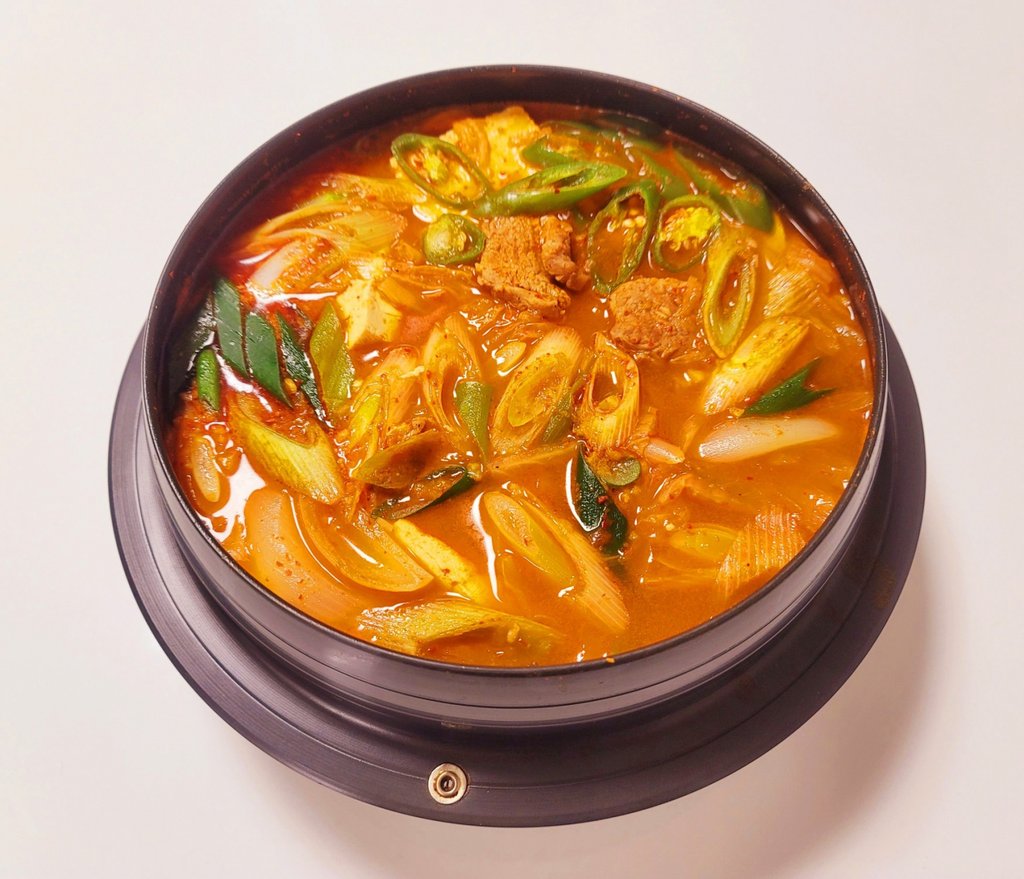
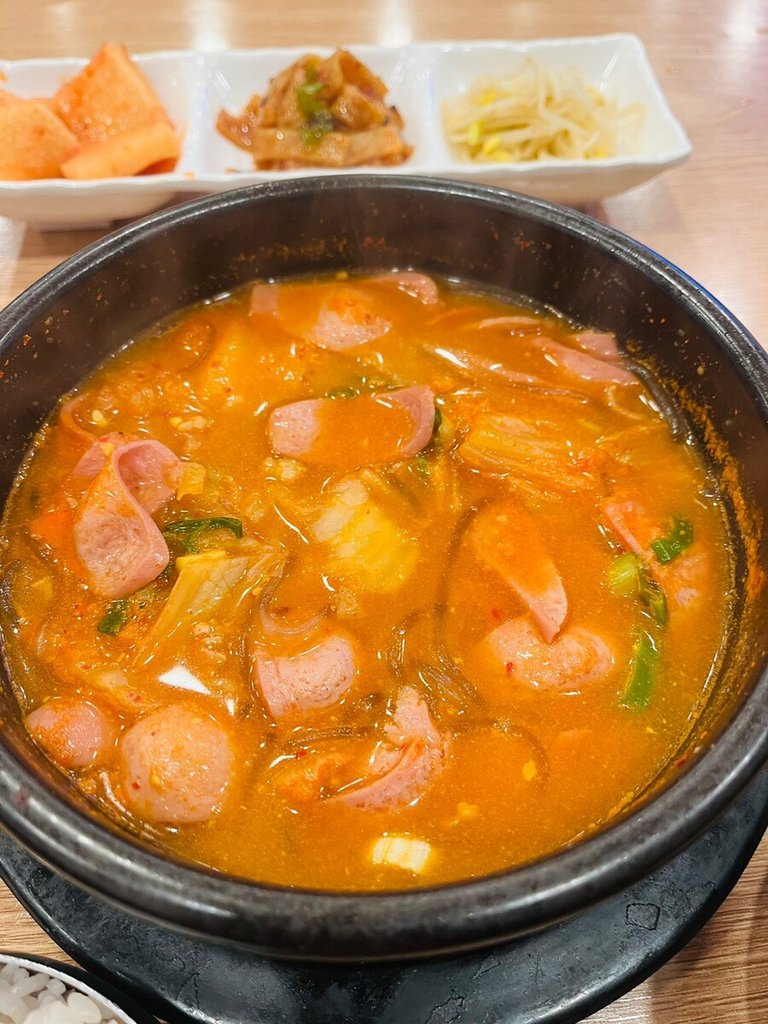
In stews (jjigae): Aged, very sour kimchi makes the best kimchi-jjigae — a bubbling stew with tofu and pork that's one of Korea's most beloved comfort foods. The older and more fermented the kimchi, the better the stew tastes.
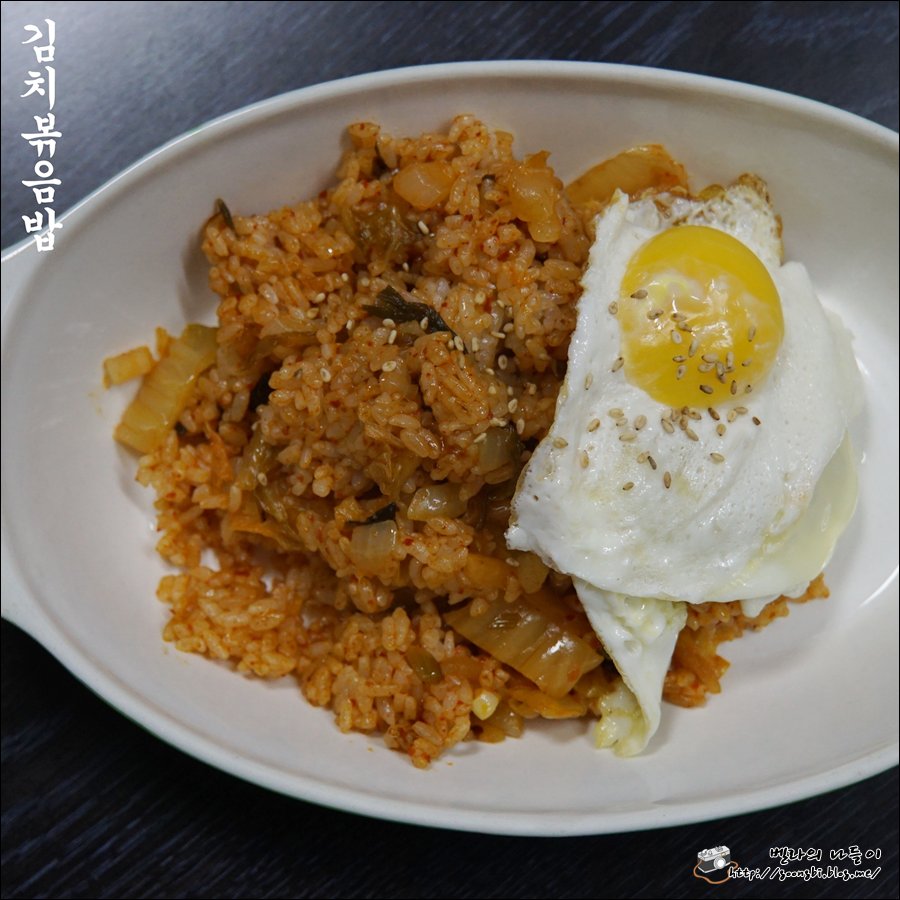
Fried with rice: Kimchi fried rice (kimchi-bokkeumbap) is the go-to lazy dinner in Korean households. Chop kimchi, fry with day-old rice, add an egg on top. Five-minute meal.
In pancakes: Chop kimchi into small pieces, mix into a flour batter, and pan-fry for kimchi-jeon — crispy, tangy pancakes that pair perfectly with a dipping sauce (or a cold beer).
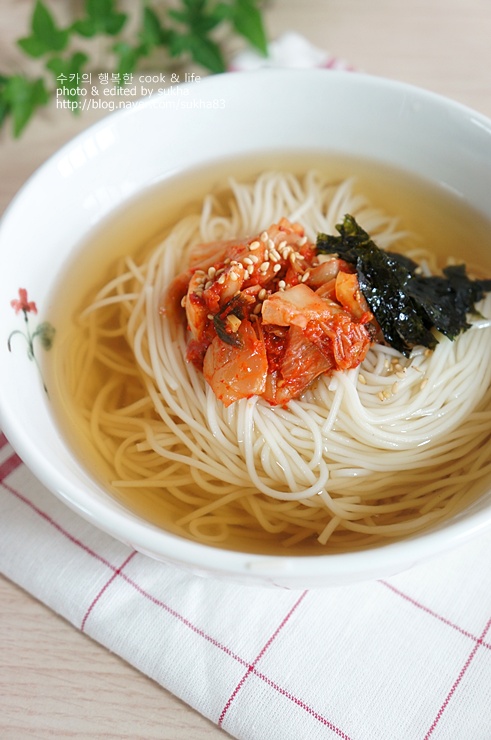
On noodles: Cold kimchi on hot noodles or in cold noodle soups adds crunch and acidity. Kimchi-guksu (kimchi noodle soup) is a summer staple.
With grilled meat: Wrapping a piece of grilled pork belly in a lettuce leaf with a piece of kimchi is one of life's great pleasures. The acid cuts through the richness of the meat.
Straight from the jar: Plenty of people just eat kimchi on its own as a snack. Fresh kimchi (just a few days old) is crunchy and mildly tangy. Well-fermented kimchi (weeks to months old) is deeply sour and complex.
How to Store Kimchi
Proper storage makes a huge difference in how your kimchi tastes over time:
Refrigerator: Once kimchi reaches your desired level of tanginess, keep it in the fridge. Cold temperatures slow (but don't stop) fermentation. Refrigerated kimchi continues to develop flavor slowly over weeks and months.
Keep it submerged: Always press the kimchi below the liquid level in the container. Exposure to air causes the top layer to dry out and can develop off-flavors or mold.
Use clean utensils: Don't stick your fingers or a dirty fork in the kimchi jar. Introducing outside bacteria can cause unwanted fermentation or mold.
Airtight containers: Kimchi is aromatic. Without a tight seal, your entire fridge will smell like kimchi. Glass containers with locking lids or the original sealed containers work best.
Shelf life: Kimchi doesn't really "go bad" in the traditional sense — it just gets more and more sour. Fresh kimchi (1-2 weeks) is mildly tangy and crunchy. Well-aged kimchi (1-3 months) is very sour and softer — perfect for cooking. Kimchi that's over 6 months old is extremely sour and best used in stews or fried rice where the strong flavor gets balanced by other ingredients.
Buying vs. Making Kimchi
Should you buy kimchi or make it yourself? It depends on your situation:
Buy if:
- You're trying kimchi for the first time and want to know what "correct" kimchi tastes like before attempting your own
- You eat small amounts and a store-bought jar lasts you weeks
- You don't have access to Korean chili flakes (gochugaru), which is essential for making proper kimchi
- You want variety — stores carry multiple types you might not make at home
Make if:
- You eat kimchi regularly and go through it quickly
- You want to control the ingredients (salt level, spice level, sugar, etc.)
- You enjoy the process of fermentation and watching food transform
- You want the freshest possible kimchi — nothing beats day-old homemade kimchi for crunch and brightness
For beginners, I'd suggest buying a few different brands to figure out what style you like (sweeter? more sour? very spicy? mild?), then try making a batch at home once you understand your personal preference. Homemade kimchi is genuinely easy — it just requires some planning ahead for the salting and fermentation time.
What Does Kimchi Taste Like?
For the uninitiated, kimchi has a lot going on. Here's what to expect:
Sour/tangy: The dominant flavor, especially in well-fermented kimchi. Similar to sauerkraut but more complex.
Spicy: From the gochugaru (Korean chili flakes). The heat level varies by brand and recipe — some kimchi is mild, some is fiery.
Savory/umami: From the fish sauce, garlic, and fermentation itself. This is what makes kimchi addictive.
Slightly sweet: Many recipes include a small amount of sugar or sweet rice flour paste.
Garlicky: Korean kimchi uses a generous amount of garlic, and it's noticeable.
Crunchy (when fresh): Fresh kimchi has a satisfying crunch from the cabbage. This softens as it ages.
The smell can be off-putting at first — it's strong, funky, and unlike anything in Western cuisine. But the flavor is much more balanced than the smell suggests. Give it at least three tries before deciding you don't like it. Many kimchi lovers didn't love it on the first bite — it's an acquired taste that often clicks after a few experiences.
The Bottom Line
Kimchi is one of those foods that seems complicated until you understand it. It's salted vegetables with seasoning that ferments over time. That's the whole concept. The magic is in the transformation — how simple cabbage and chili becomes something deeply flavorful, probiotic-rich, and endlessly versatile.
Start by buying a jar and eating it alongside your regular meals. Notice how it makes plain rice more interesting, how it cuts through rich foods, how the tanginess wakes up your palate. Once you appreciate what kimchi does at the table, you'll understand why Koreans can't imagine a meal without it.
You Might Also Like
Related Guides
I Tried the 8 Best Store-Bought Kimchi Brands (2026)
We compared 8 popular kimchi brands for eating fresh and cooking. Jongga, Mother in Law's, Cleveland Kitchen, and more — honest pros, cons, and best uses.
How to Store Kimchi — Fridge & Freezer Tips
Learn how to store kimchi in the fridge or freezer, choose the right container, manage fermentation, and use over-fermented kimchi.
Best Kimchi for Cooking — Fresh vs Aged Guide
Fresh or aged kimchi for cooking? Learn when to use each, the best kimchi for jjigae and fried rice, top brands to buy, and ripeness tips.
What to Cook with Kimchi — 15 Ideas Beyond Eating It Straight
Got a jar of kimchi? Here are 15 ways to cook with it — from fried rice to grilled cheese to kimchi pancakes. Categorized by meal type with difficulty levels.
Easy Korean Recipes with Kimchi — 12 Ways to Use Up a Jar
Twelve easy recipes to use up a jar of kimchi — from fried rice and stew to dumplings and pancakes. Includes a fermentation level guide for each dish.
Explore This Topic Further
Kimchi
Fermented napa cabbage — the soul of Korean cuisine. Used in stews, fried rice, pancakes, and dozens of other dishes.
Sesame Oil
Toasted sesame oil adds a nutty aroma to finished dishes. A few drops transform any Korean side dish.
Korean Recipes for Beginners
Start your Korean cooking journey with these beginner-friendly recipes. Simple ingredients, clear instructions, no prior experience needed.
Spicy Korean Recipes
Korean recipes that bring the heat — from tteokbokki to kimchi jjigae. Sorted by spice level.
K-Fridge
Already have some of these pantry staples?
Use K-Fridge to see which Korean recipes you can make tonight with the ingredients you already have at home.