Easy Korean Recipes with Kimchi — 12 Ways to Use Up a Jar
By Logan · Published 2026-04-17 · Updated 2026-05-10
You bought a jar of kimchi. Maybe you've been eating it straight out of the container with rice, which is great — but at some point you're going to want to do more with it. Or maybe your kimchi has been sitting in the fridge so long it's gotten really sour and you're wondering if it's still usable. (Spoiler: it absolutely is, and it might actually be better now.)
Kimchi is one of the most versatile ingredients in Korean cooking. It works as a main flavor in stews and fried rice, a supporting player in dumplings and pancakes, and even a condiment on non-Korean dishes. Here are 12 of my favorite ways to use it up, with a guide to which fermentation level works best for each.
Understanding Fermentation Levels
Before diving into recipes, here's a quick key:
- Fresh (1-2 weeks): Crunchy, mildly tangy, garlicky. Best for eating raw or quick stir-fries.
- Well-fermented (3-6 weeks): Noticeably sour, softer texture. Ideal for most cooking.
- Aged (2+ months): Very sour, soft. Perfect for stews and deep-flavored dishes.
Most cooked dishes taste better with well-fermented or aged kimchi. Don't throw out sour kimchi — it's actually at its cooking peak.
Quick Weeknight Meals
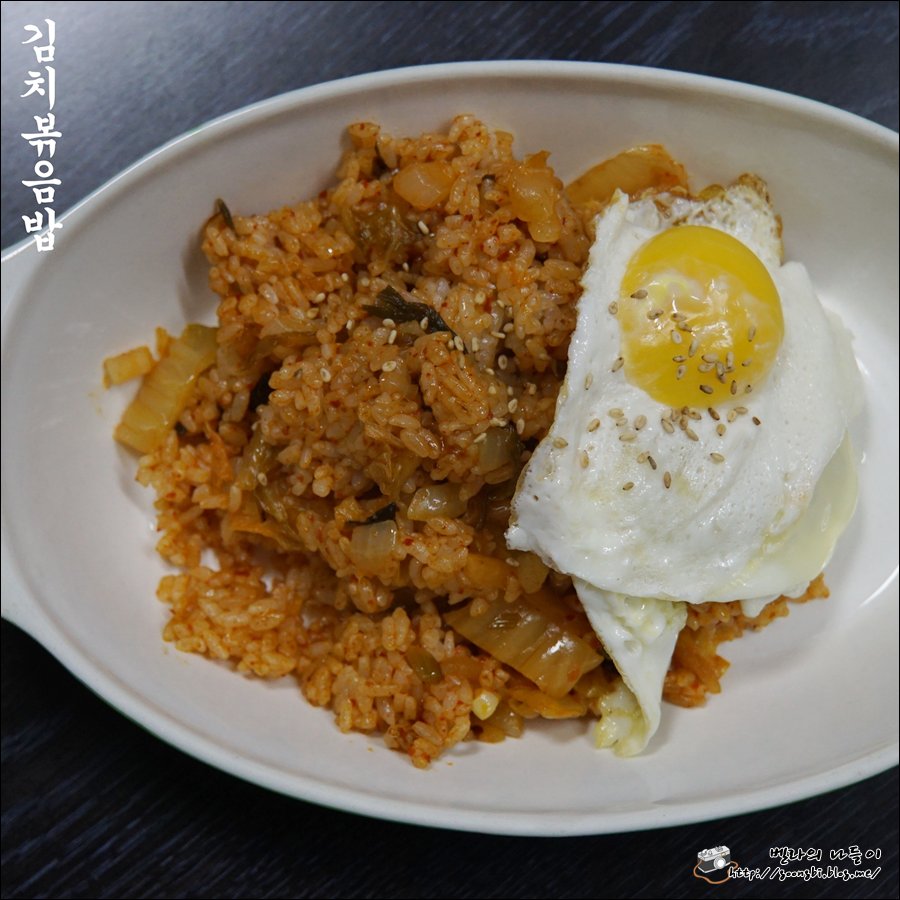
1. Kimchi Fried Rice (Kimchi Bokkeumbap) — Best with: Well-fermented to Aged
The undisputed champion of kimchi cooking. Chop up kimchi, stir-fry it in a hot pan with oil, add day-old rice, and toss until everything is coated. Finish with sesame oil and a fried egg on top. This is a 10-minute meal that tastes like it took much longer.
The sour-er your kimchi, the better this dish tastes. Really aged kimchi brings an intensity that fresh kimchi simply can't match. Don't drain the kimchi juice — add it to the pan for extra flavor and color.
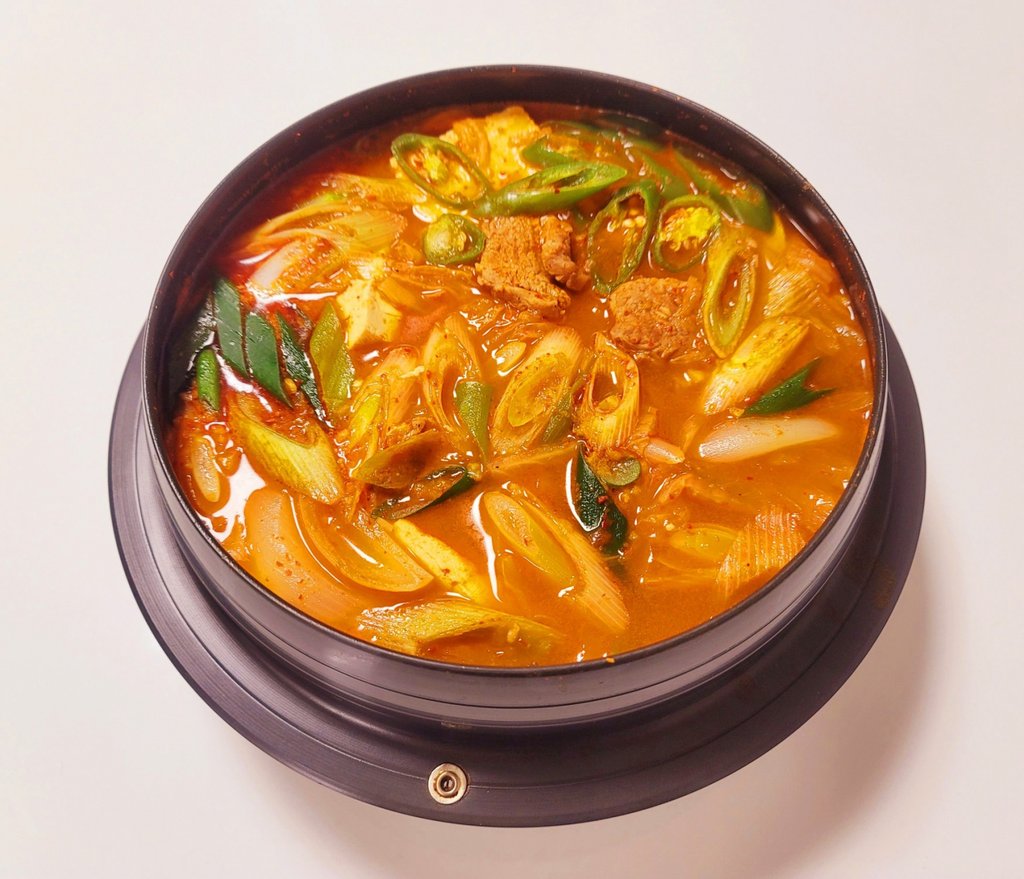
2. Kimchi Jjigae (Kimchi Stew) — Best with: Aged
This is the dish that aged kimchi was born to make. Kimchi jjigae is a bubbling, spicy stew built on a base of well-fermented kimchi, pork (or tuna), and tofu. It's one of the most popular home-cooked meals in Korea and one of the most satisfying things you can eat on a cold day.
The older and sourer your kimchi, the better this stew will be. Seriously — if your kimchi is so sour that you've stopped eating it as a side dish, it's at its absolute peak for jjigae. Simmer it for at least 20 minutes to let the flavors meld.
3. Kimchi Pancakes (Kimchi-Jeon) — Best with: Well-fermented
Simpler than bindaetteok, kimchi-jeon is a thin, crispy pancake made with just flour, water, eggs, and chopped kimchi. It's one of the easiest Korean dishes to make and one of the most satisfying to eat — crispy edges, tangy kimchi, and a dipping sauce of soy sauce and vinegar.
This is a great rainy day meal in Korea. There's actually a cultural connection between rain and kimchi-jeon — the sound of the pancake sizzling in the pan is said to sound like rain. Whatever the reason, it's the perfect cozy, low-effort dish.
4. Kimchi Grilled Cheese — Best with: Well-fermented
This isn't traditional Korean cooking, but it's too good not to include. Spread butter on bread, layer kimchi and cheese (sharp cheddar or pepper jack work great), and grill until golden and melted. The sour kimchi and melty cheese combination is one of those fusion ideas that actually works.
I drain the kimchi slightly and chop it before adding it to the sandwich so it doesn't make the bread soggy. A thin smear of mayo on the bread before grilling creates an even crispier crust.
Heartier Dishes
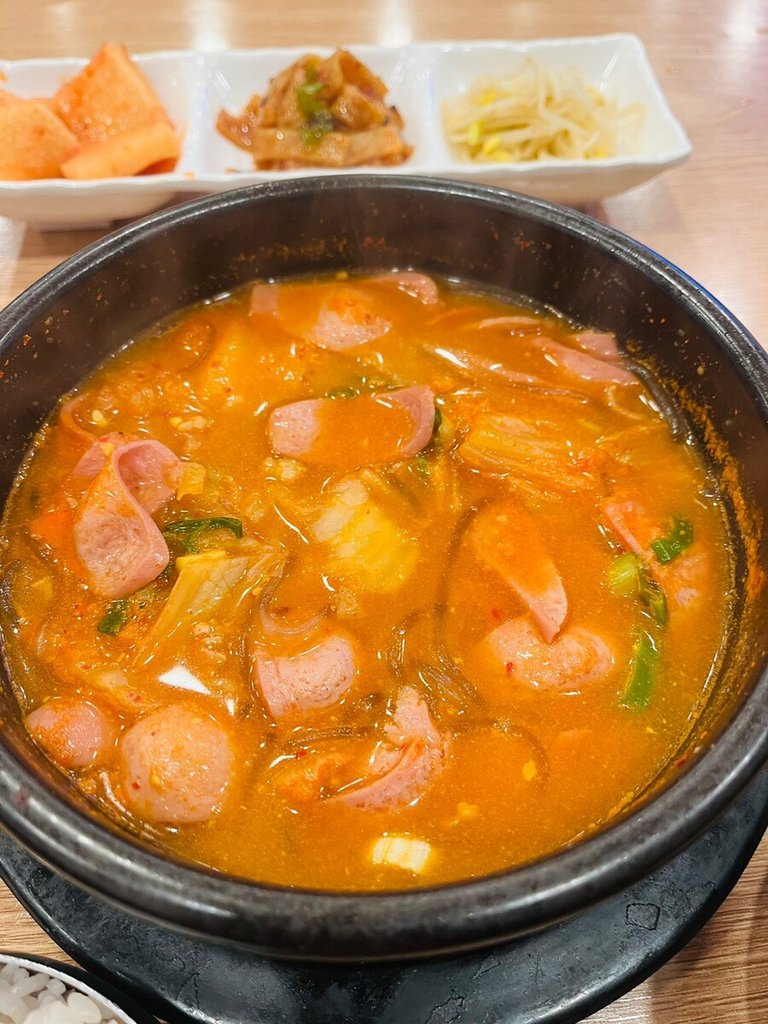
5. Budae-Jjigae (Army Stew) — Best with: Well-fermented
Budae-jjigae is a communal hotpot stew that throws together kimchi, spam, sausage, ramen noodles, American cheese, and whatever else you want. It sounds chaotic and it is — but in the best possible way.
The kimchi provides the sour, funky backbone that ties all the disparate ingredients together. Without it, budae-jjigae is just a pot of random stuff. With it, everything makes sense.
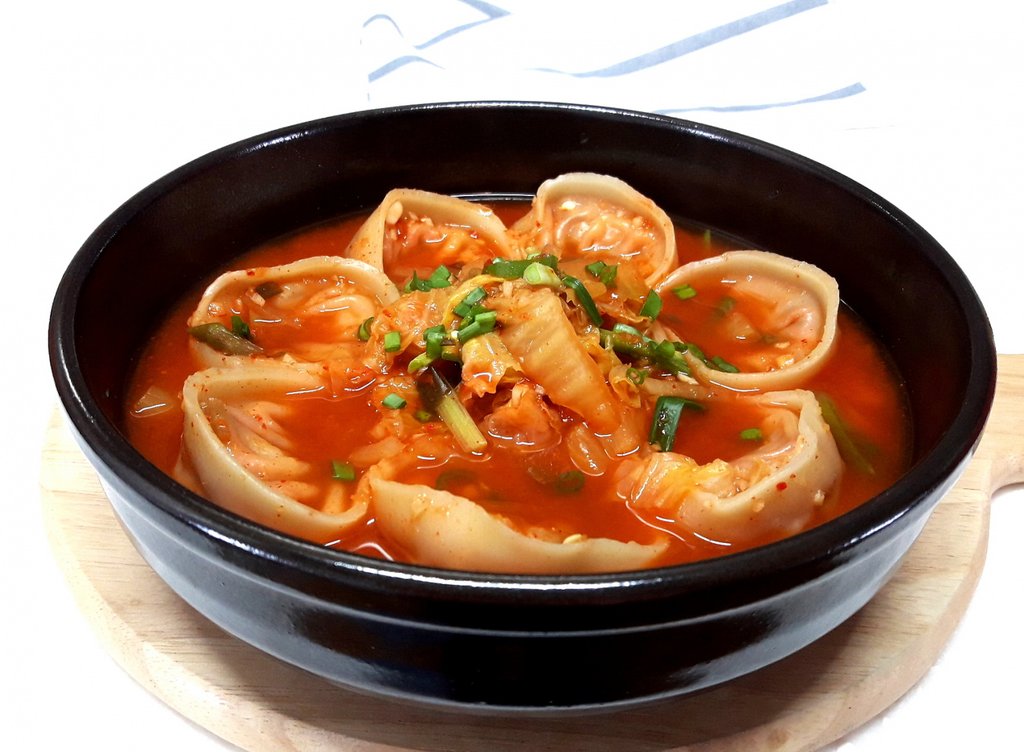
6. Kimchi Manduguk (Kimchi Dumpling Soup) — Best with: Well-fermented to Aged
Manduguk is a comforting dumpling soup, and adding kimchi to the dumplings gives them a tangy kick that elevates the whole dish. Chop kimchi finely, squeeze out excess liquid, and mix it into your dumpling filling along with ground pork, tofu, and scallions.
The kimchi juice you squeezed out? Add it to the soup broth. Nothing goes to waste.
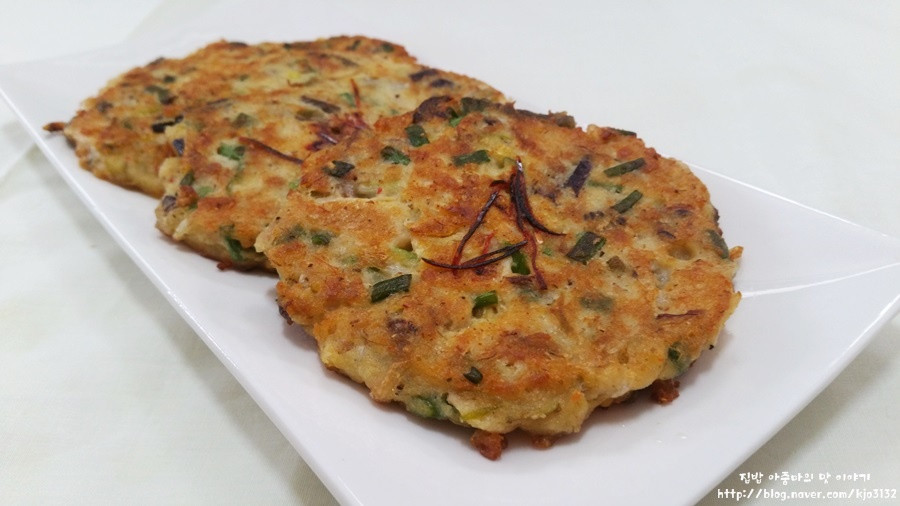
7. Bindaetteok (Mung Bean Pancakes) — Best with: Well-fermented to Aged
Bindaetteok are crispy, savory pancakes made from ground mung beans. Adding chopped kimchi to the batter gives them a sour punch that cuts through the richness of the fried pancake. They're traditionally served as a snack with makgeolli (rice wine), but they make a great side dish or appetizer too.
The kimchi should be chopped small so it distributes evenly through the pancake. Aged kimchi works best here — fresh kimchi doesn't have enough flavor to stand up to the mung bean base.
8. Kimchi Fried Dumplings — Best with: Well-fermented
If you have store-bought frozen dumplings, you can upgrade them instantly by pan-frying them and serving with a quick kimchi topping. Chop kimchi finely, mix with a little sesame oil and sugar, and spoon it over your crispy dumplings. The cold, tangy kimchi against the hot, crispy dumpling is a great contrast.
Alternatively, stir-fry the kimchi briefly in the same pan after removing the dumplings. A minute in the hot pan softens the kimchi and concentrates its flavor.
Comfort Food Variations
9. Kimchi Bokkeumbap with Spam — Best with: Aged
This is a variation on fried rice but it deserves its own mention because the addition of diced, pan-fried spam takes kimchi fried rice to another level. Cube the spam, fry it until crispy on all sides, then add the kimchi and rice. The salty, crispy spam with sour kimchi and sesame oil is a combination that hits every flavor note.
This is unapologetic comfort food. Not fancy, not photogenic, but deeply satisfying. It's the kind of thing I make when nobody's watching and I want something that just tastes good.
10. Kimchi Ramyeon Upgrade — Best with: Any fermentation level
Beyond just dropping kimchi into ramen, try this: stir-fry chopped kimchi in sesame oil for 2 minutes before adding the water and ramen. This caramelizes the kimchi slightly and creates a much deeper flavor base than just adding it raw to the broth. Then cook your ramen as normal in that same pot. The difference is noticeable.
This works with any brand of instant ramyeon. Shin Ramyun with stir-fried kimchi is particularly good.
11. Kimchi Fried Rice Omelette — Best with: Well-fermented
Make kimchi fried rice, then wrap it inside a thin egg omelette. This is a Korean-Japanese fusion dish (omurice-style) that looks impressive but is actually quite easy. Make the fried rice, set it aside, cook a thin omelette in the same pan, slide the rice onto a plate, and drape the omelette over top. Cut it open at the table for the reveal.
12. Kimchi Cheese Buldak — Best with: Well-fermented
Buldak (fire chicken) with kimchi is an intense but rewarding dish. Stir-fry chicken thighs in a spicy gochujang sauce, add chopped kimchi for extra tang, and top with melted mozzarella. The kimchi adds a fermented sourness that balances the intense heat of the buldak sauce. Serve with rice to soak up the sauce.
Tips for Cooking with Kimchi
- Aged beats fresh for cooking. Sour, well-fermented kimchi performs better in every cooked dish. Save fresh kimchi for eating as a side.
- Don't waste the juice. Kimchi brine is liquid gold. Add it to stews, fried rice, marinades, or even salad dressings.
- Chop it to the right size. For fried rice and pancakes, chop kimchi into small pieces. For stews, larger pieces are fine since they'll soften during cooking.
- Squeeze before stuffing. When using kimchi in dumplings or pancakes, squeeze out excess liquid so your filling or batter isn't too wet. Save the liquid.
- Cook on high heat. When stir-frying kimchi, use high heat to get some caramelization. The slightly charred edges of fried kimchi are the best part.
- Match fermentation to dish. Use the guide above to pick the right kimchi age for what you're making. It makes a real difference.
What to Do When Your Kimchi Is Too Sour to Eat
If your kimchi has reached the point where it's unpleasant to eat straight — too sour, too soft, too funky — don't throw it away. This is actually when it's at its best for cooking. Here's your priority list:
- Make kimchi jjigae (the #1 use for very old kimchi)
- Use it for fried rice (the sourness caramelizes beautifully)
- Make kimchi-jeon (the flavor intensifies when the pancake gets crispy)
- Add it to budae-jjigae or any soup
- Blend it into a marinade for pork or chicken
A jar of kimchi in the fridge means you're always close to a great meal. Whether it's fresh or so old you forgot when you bought it, there's a recipe on this list that will put it to perfect use.
Shopping for Kimchi to Cook With
If you are buying kimchi specifically for cooking, here are some tips:
- Buy the larger jar. You will go through it fast when cooking. A 14-16 oz jar disappears in two recipes.
- Pre-cut saves time. Some brands sell pre-sliced kimchi that is ready to stir-fry without any chopping needed.
- Check the date. For cooking, older is better. If you see discounted kimchi near its sell-by date, buy it — it is probably perfectly sour for jjigae and fried rice.
- Store-brand works fine. For cooking purposes, there is no need to buy premium artisanal kimchi. The heat, sauce, and other ingredients will dominate the final flavor anyway.
You Might Also Like
Related Guides
What Is Kimchi? Complete Guide to Korean Kimchi
Everything about kimchi: what it is, how it's made, the types, health benefits, how to eat it, and whether to buy or make it at home.
What to Cook with Kimchi — 15 Ideas Beyond Eating It Straight
Got a jar of kimchi? Here are 15 ways to cook with it — from fried rice to grilled cheese to kimchi pancakes. Categorized by meal type with difficulty levels.
Best Kimchi for Cooking — Fresh vs Aged Guide
Fresh or aged kimchi for cooking? Learn when to use each, the best kimchi for jjigae and fried rice, top brands to buy, and ripeness tips.
How to Store Kimchi — Fridge & Freezer Tips
Learn how to store kimchi in the fridge or freezer, choose the right container, manage fermentation, and use over-fermented kimchi.
Easy Korean Recipes with Rice — 11 Dishes You Can Make Tonight
Eleven simple Korean rice dishes you can make on a weeknight with basic ingredients. From kimchi fried rice to bibimbap, plus ideas for leftover rice.
Explore This Topic Further
Kimchi
Fermented napa cabbage — the soul of Korean cuisine. Used in stews, fried rice, pancakes, and dozens of other dishes.
Gochugaru
Korean red pepper flakes — sun-dried, coarsely ground, and the backbone of kimchi, stews, and most Korean seasoning.
Korean Recipes with Kimchi — Beyond Eating It Straight
10+ Korean recipes that use kimchi as a main ingredient — fried rice, stews, pancakes, dumplings, and more.
Korean Recipes for Beginners
Start your Korean cooking journey with these beginner-friendly recipes. Simple ingredients, clear instructions, no prior experience needed.
K-Fridge
Already have some of these pantry staples?
Use K-Fridge to see which Korean recipes you can make tonight with the ingredients you already have at home.