What to Cook with Kimchi — 15 Ideas Beyond Eating It Straight
By Logan · Published 2026-04-18 · Updated 2026-05-10
If you've got a jar of kimchi sitting in your fridge and you've been eating it straight as a side dish, it's time to start cooking with it. Kimchi transforms when you heat it — the flavors mellow, the texture softens, and it adds a sour, spicy depth to everything it touches.
Older, more sour kimchi is actually better for cooking than fresh kimchi. So if your jar has been in the fridge for a while and tastes a bit too funky to eat straight, that's exactly when it's perfect for these recipes.
I've organized these by meal type and included difficulty levels so you can pick what matches your mood and time.
Quick Meals (Under 15 Minutes)
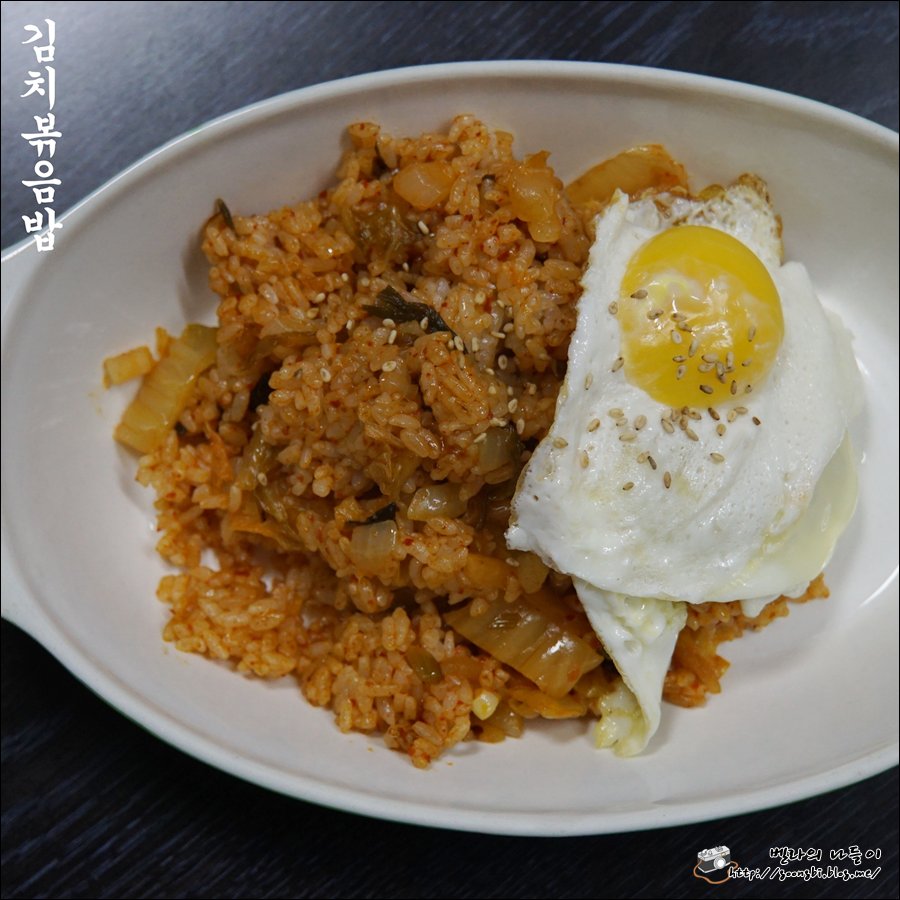
1. Kimchi Fried Rice — Difficulty: Easy
This is the most popular way to cook with kimchi, and for good reason. Chop kimchi, stir-fry it with day-old rice, add a bit of sesame oil and soy sauce, and top with a fried egg. The whole thing takes about 10 minutes. Use the brine from the jar too — it adds flavor and helps the rice pick up color. This is the ultimate fridge-cleanout meal.
2. Kimchi Fried Eggs — Difficulty: Easy
Heat a bit of sesame oil in a skillet, add a handful of chopped kimchi, and let it sizzle for a minute. Crack eggs right on top of the kimchi and cook to your preferred doneness. Serve over rice with a drizzle of soy sauce. Breakfast in under 5 minutes.
3. Kimchi Grilled Cheese — Difficulty: Easy
This one sounds weird but trust me. Butter your bread, layer on sharp cheddar or pepper jack, and add a generous layer of chopped kimchi. Grill it like a normal grilled cheese. The tangy kimchi cuts through the richness of the melted cheese perfectly. It's become one of my favorite quick lunches.
4. Kimchi Quesadilla — Difficulty: Easy
Same concept as the grilled cheese but with tortillas. Spread kimchi and shredded cheese between two tortillas and cook until crispy. Add some thinly sliced scallions for extra flavor. This is fusion cooking at its simplest and most effective.
5. Kimchi in Ramen — Difficulty: Easy
Drop a big spoonful of kimchi into any bowl of ramen — instant or homemade. The broth picks up the sour, garlicky flavor immediately. For instant ramen, this single addition elevates the whole bowl. I do this with Shin Ramyun and Nongshim Neoguri all the time.
Weeknight Dinners (15-30 Minutes)
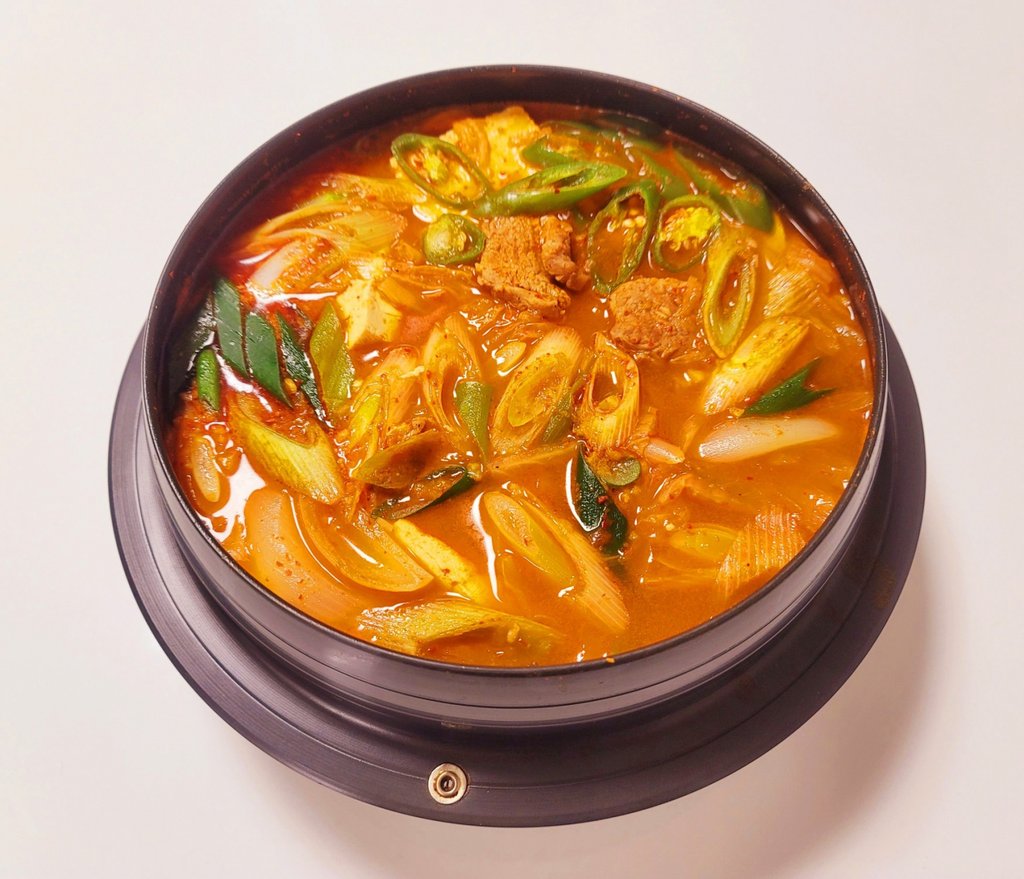
6. Kimchi Jjigae (Kimchi Stew) — Difficulty: Easy-Medium
The classic. Simmer old kimchi with pork belly (or tofu for vegetarian), gochugaru, and water or stock. It's a one-pot meal that's deeply comforting and tastes better the more sour your kimchi is. Serve it with a bowl of white rice and you're set. This is the dish that makes me grateful when my kimchi gets too old to eat raw.
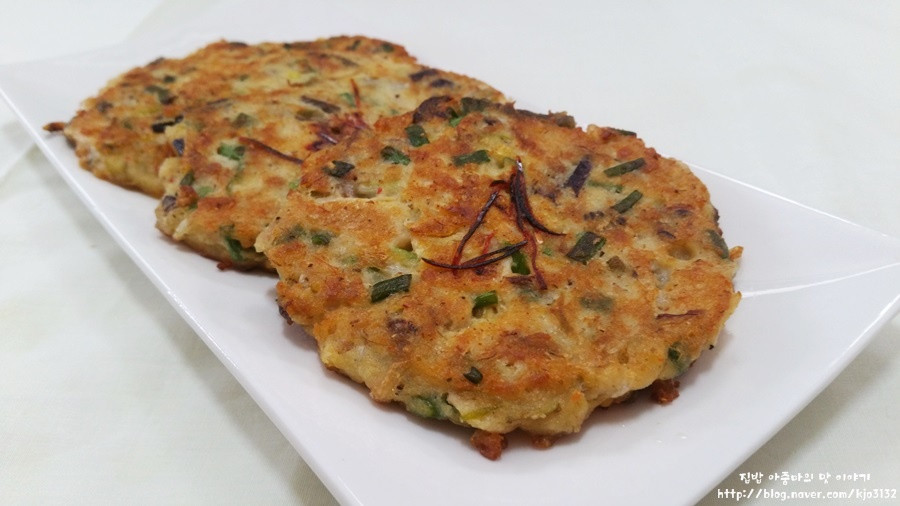
7. Kimchi Pancakes (Kimchi-jeon) — Difficulty: Easy
Mix chopped kimchi into a simple batter of flour, water, and a pinch of salt. Pan-fry until crispy on both sides. The kimchi caramelizes against the hot pan, creating crispy edges that are absolutely addictive. Dip them in a soy-vinegar sauce. These make an excellent appetizer or snack with drinks.
8. Kimchi Fried Noodles — Difficulty: Easy
Stir-fry any noodles — ramen, udon, or even spaghetti — with chopped kimchi, a splash of soy sauce, sesame oil, and whatever vegetables you have. The kimchi provides most of the seasoning, so you barely need anything else. Instant ramen noodles work great for this — just boil them without the seasoning packet and stir-fry.
9. Kimchi Mac and Cheese — Difficulty: Easy-Medium
Make your usual mac and cheese (homemade or boxed, no judgment) and stir in a generous amount of chopped kimchi. The sourness of the kimchi balances the richness of the cheese sauce, and you get little pockets of spicy crunch throughout. Top with panko breadcrumbs and bake for extra credit.
10. Kimchi Soup (Kimchi-guk) — Difficulty: Easy
Lighter than jjigae, kimchi-guk is a simple brothy soup. Simmer kimchi in anchovy broth or water with tofu and a bit of soy sauce. It's less intense than jjigae and works well as a side soup alongside a rice-heavy meal. Good for days when you want something warm but not heavy.
11. Kimchi Fried Rice with Spam — Difficulty: Easy
This variation deserves its own mention. Cube spam, fry it until crispy on all sides, then add chopped kimchi and rice. The salty, crispy spam with sour kimchi and sesame oil hits every flavor note. Unapologetic comfort food that tastes better than it has any right to.
Weekend Projects (30+ Minutes)
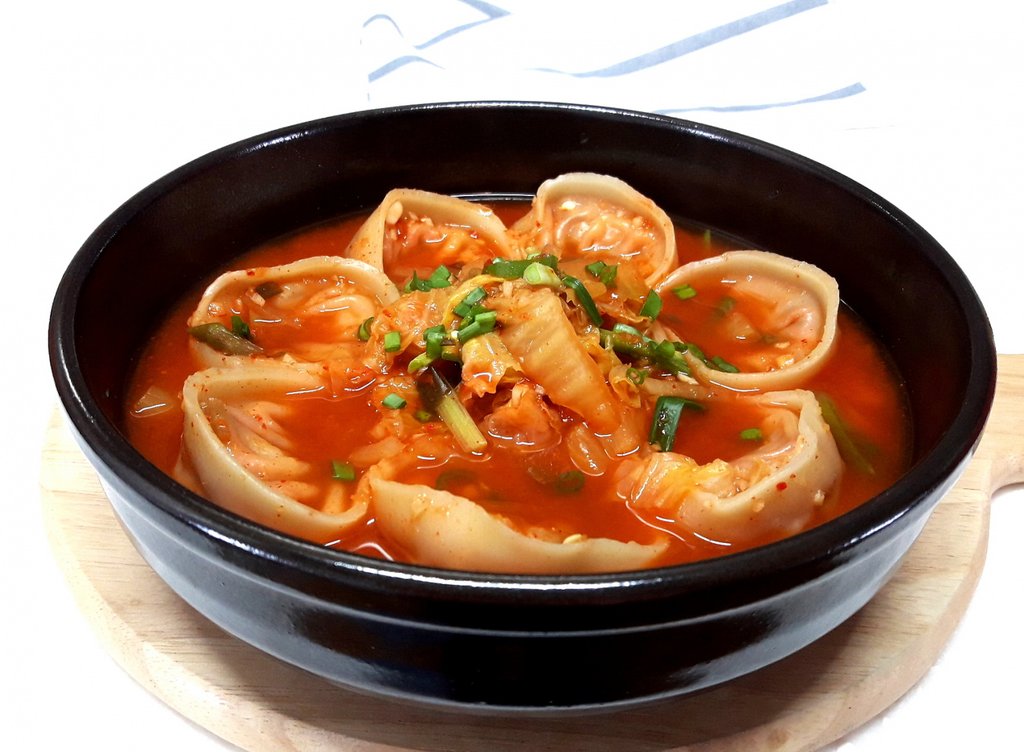
12. Kimchi Dumplings (Kimchi Mandu) — Difficulty: Medium
Finely chop kimchi, squeeze out the excess liquid, and mix with ground pork, tofu, garlic, and sesame oil. Fill dumpling wrappers and pan-fry, steam, or boil. Kimchi mandu are one of the most popular Korean dumplings for a reason — the filling has built-in seasoning from the kimchi. This takes more time but makes great batch-cooking — freeze extras for later.
13. Kimchi Budae-jjigae (Army Stew) — Difficulty: Medium
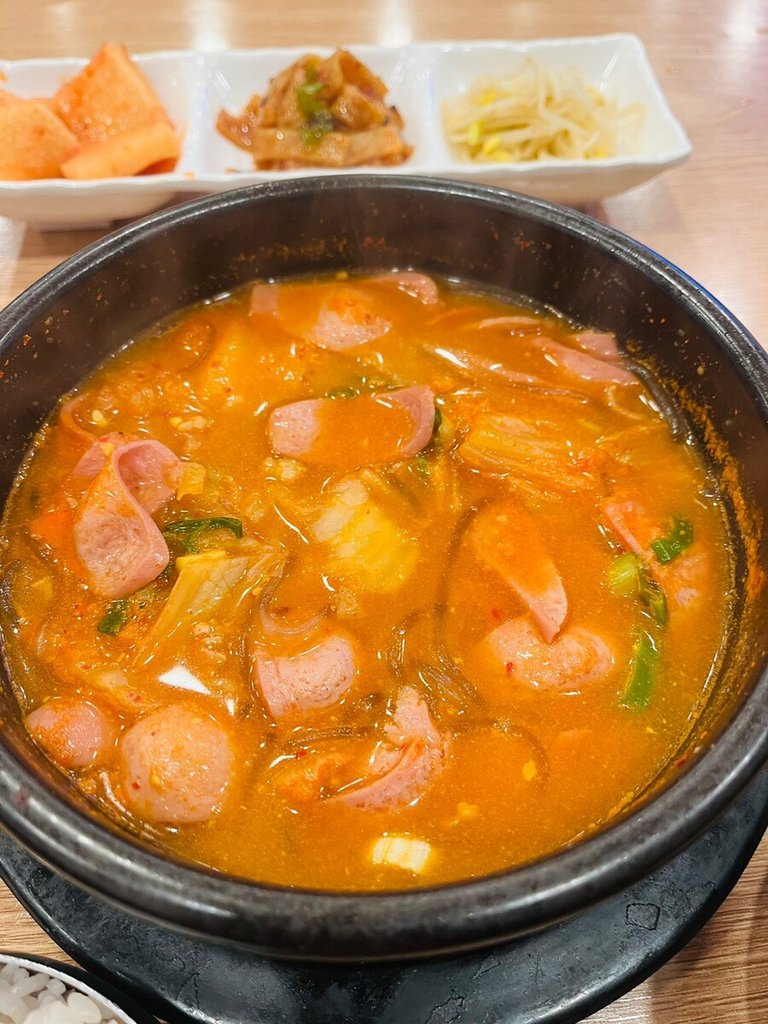
The ultimate comfort stew. Combine kimchi with sliced Spam, hot dogs, baked beans, instant ramen noodles, and American cheese in a bubbling pot of broth. It sounds chaotic, but it's one of Korea's most beloved dishes. The kimchi ties everything together and prevents it from being too rich.
14. Kimchi Bokkeumbap Party Bowl — Difficulty: Medium
Make a giant batch of kimchi fried rice in your biggest pan or wok, shape it into a dome on a big plate, surround it with fried eggs, sliced avocado, pickled radish, and whatever banchan you have. It's essentially a sharing platter that turns simple fried rice into a centerpiece meal.
15. Kimchi and Pork Belly Lettuce Wraps — Difficulty: Medium
Grill or pan-fry thick slices of pork belly until crispy. Serve with lettuce leaves, aged kimchi, ssamjang (dipping paste), sliced garlic, and green chilies. Each person assembles their own wraps at the table. The combination of fatty pork and sour kimchi in a crisp lettuce leaf is one of the best bites in Korean cuisine.
Tips for Cooking with Kimchi
- Use sour kimchi. Fresh, young kimchi is best eaten as a side dish. For cooking, you want kimchi that's been fermenting for at least 2-3 weeks. The more sour, the better the cooked flavor.
- Don't waste the brine. The liquid in the jar is packed with flavor. Add it to fried rice, soups, marinades, or salad dressings.
- Chop it before cooking. Whole leaves are hard to eat in most cooked dishes. Cut kimchi into bite-sized pieces before adding it to the pan.
- Start with high heat. When stir-frying kimchi, use high heat so it caramelizes rather than steaming. Those browned, slightly charred edges are where the magic happens.
- Squeeze for stuffing. When using kimchi in dumplings or pancakes, squeeze out excess liquid. Save that liquid for broth or fried rice.
- Store-bought works fine. You don't need fancy homemade kimchi for cooking. Jongga, Chongga, and even Trader Joe's kimchi all work well in cooked dishes.
- Match fermentation to dish. Very sour kimchi for stews, moderately fermented for stir-fries and pancakes. See the guide above for specifics.
Meal Planning with Kimchi
Here's how I think about kimchi throughout the week:
- Monday: Kimchi fried rice with whatever's left from the weekend
- Tuesday: Kimchi in instant ramen for a quick lunch
- Wednesday: Kimchi grilled cheese for something different
- Thursday: Kimchi jjigae if I have older kimchi and 20 minutes
- Weekend: Kimchi mandu or budae-jjigae when I have more time to cook
Kimchi is one of the most versatile ingredients in any kitchen. Once you start cooking with it, you'll find yourself adding it to things that aren't even on this list. That's exactly the point — it's an ingredient that rewards experimentation.
How Much Kimchi to Use
A common beginner question is how much kimchi to add. Here are some general guidelines:
- Fried rice: About 1 cup of chopped kimchi per 2 cups of rice. This gives a strong kimchi flavor without being overwhelming.
- Stews (jjigae): 1.5-2 cups for a single-serving pot. You want kimchi to be the dominant flavor.
- Pancakes: About 1 cup of chopped kimchi per cup of batter. Enough to fill every bite.
- Grilled cheese/quesadilla: 2-3 tablespoons per sandwich. Too much makes the bread soggy.
- Ramen: A generous spoonful (2-3 tablespoons) per bowl.
- Dumplings: About 1 cup of well-squeezed kimchi per 20-25 dumplings.
When in doubt, start with less and taste as you go. You can always add more kimchi, but you cannot take it out once the sourness has spread through the dish.
Storing Leftover Cooked Kimchi Dishes
Most kimchi-based dishes keep well in the fridge:
- Kimchi jjigae: Actually tastes better the next day. Keeps 3-4 days refrigerated.
- Kimchi fried rice: Best fresh but fine for next-day lunch. Reheat in a hot pan (not microwave) for best texture.
- Kimchi pancakes: Reheat in a dry pan to re-crisp. Good for 2 days.
- Kimchi mandu: Freeze uncooked dumplings on a sheet pan, then bag them. Cook from frozen — no need to thaw.
Beyond This List
Once you are comfortable cooking with kimchi, start experimenting. Kimchi works in tacos, on pizza, in pasta, stirred into scrambled eggs, or even baked into bread. The sour, spicy, garlicky flavor profile complements more foods than you would expect. The key is treating kimchi as a seasoning ingredient, not just a side dish — a handful of chopped kimchi can transform something ordinary into something memorable.
You Might Also Like
Related Guides
What Is Kimchi? Complete Guide to Korean Kimchi
Everything about kimchi: what it is, how it's made, the types, health benefits, how to eat it, and whether to buy or make it at home.
Best Kimchi for Cooking — Fresh vs Aged Guide
Fresh or aged kimchi for cooking? Learn when to use each, the best kimchi for jjigae and fried rice, top brands to buy, and ripeness tips.
How to Store Kimchi — Fridge & Freezer Tips
Learn how to store kimchi in the fridge or freezer, choose the right container, manage fermentation, and use over-fermented kimchi.
Easy Korean Recipes with Kimchi — 12 Ways to Use Up a Jar
Twelve easy recipes to use up a jar of kimchi — from fried rice and stew to dumplings and pancakes. Includes a fermentation level guide for each dish.
I Tried the 8 Best Store-Bought Kimchi Brands (2026)
We compared 8 popular kimchi brands for eating fresh and cooking. Jongga, Mother in Law's, Cleveland Kitchen, and more — honest pros, cons, and best uses.
Explore This Topic Further
Kimchi
Fermented napa cabbage — the soul of Korean cuisine. Used in stews, fried rice, pancakes, and dozens of other dishes.
Gochugaru
Korean red pepper flakes — sun-dried, coarsely ground, and the backbone of kimchi, stews, and most Korean seasoning.
Korean Recipes with Kimchi — Beyond Eating It Straight
10+ Korean recipes that use kimchi as a main ingredient — fried rice, stews, pancakes, dumplings, and more.
Korean Recipes for Beginners
Start your Korean cooking journey with these beginner-friendly recipes. Simple ingredients, clear instructions, no prior experience needed.
K-Fridge
Already have some of these pantry staples?
Use K-Fridge to see which Korean recipes you can make tonight with the ingredients you already have at home.