Best Kimchi for Cooking — Fresh vs Aged Guide
By Logan · Published 2026-04-17 · Updated 2026-05-10
One of the things that confused me early on in Korean cooking was that recipes would sometimes call for "well-fermented kimchi" or "aged kimchi" and I had no idea what that meant. I'd grab whatever jar was at the store and hope for the best. It took me a while to realize that the age of your kimchi makes a huge difference in how a dish turns out.
The short version: fresh kimchi is best for eating as a side dish, while aged (sour) kimchi is what you want for cooking. But there's more to it than that, and understanding the difference will immediately improve your kimchi fried rice, kimchi jjigae, and everything else you cook with kimchi.
Fresh Kimchi vs Aged Kimchi
Fresh kimchi — also called geotjeori or "new" kimchi — has been fermenting for just a few days to a couple of weeks. It's crunchy, mildly tangy, and still tastes strongly of the garlic, ginger, and gochugaru it was seasoned with. The cabbage retains its structure and has a bright, clean flavor.
Aged kimchi has been fermenting for weeks to months. The longer it sits, the more lactic acid the bacteria produce, making it progressively more sour. The texture softens, the flavor deepens, and it develops a complex tanginess that's almost wine-like. Really old kimchi (several months or more) can be intensely sour and quite soft.
Both have their place, but for cooking, aged wins almost every time.
Why Aged Kimchi Is Better for Cooking
When you cook with kimchi, you want that deep sourness to stand up to heat and other ingredients. Fresh kimchi loses its mild flavor when cooked — it just becomes limp cabbage without much character. Aged kimchi, on the other hand, brings a powerful tang that holds up in a hot pan or a boiling pot of stew.
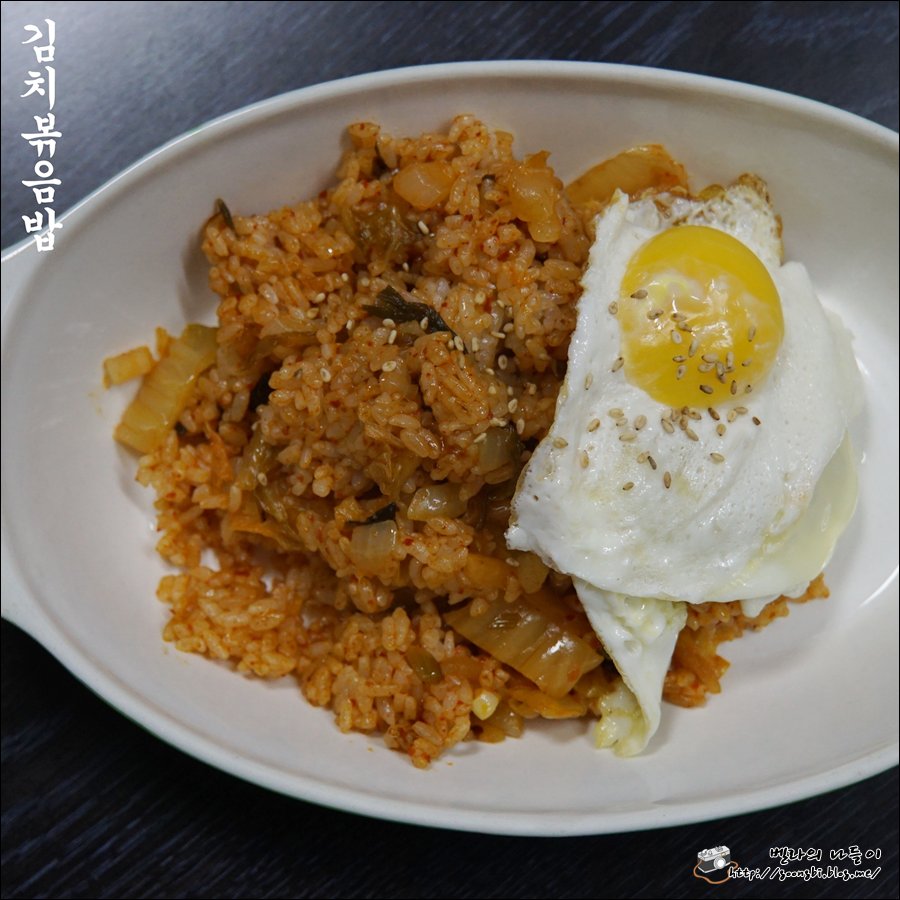
Think about kimchi fried rice. The best versions have a sharp, funky sourness that cuts through the richness of the oil and the egg on top. That sourness comes from properly aged kimchi. Fresh kimchi in fried rice tastes flat and disappointing.
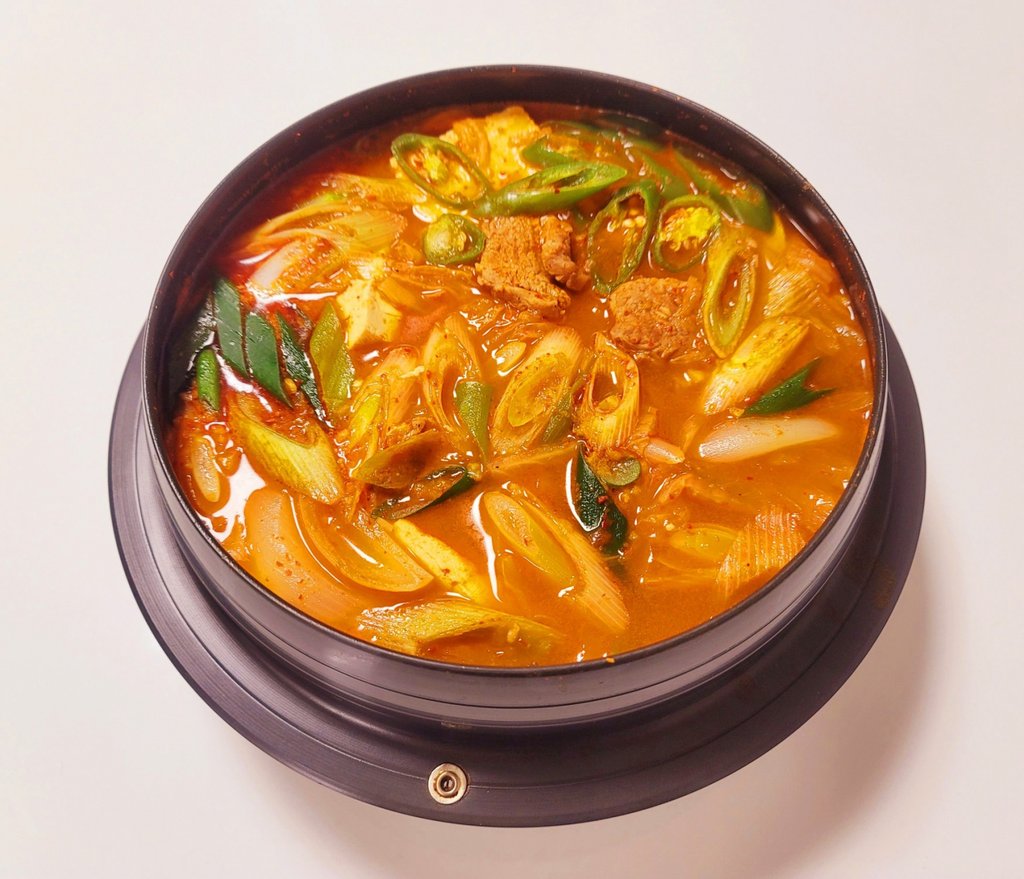
The same goes for kimchi jjigae. The stew relies on the acidity of well-fermented kimchi to create its signature flavor. Using fresh kimchi makes a bland stew that no amount of seasoning can fix.
There's also a chemical reason: aged kimchi contains more free glutamate (natural MSG) due to protein breakdown during extended fermentation. This means more umami in your cooked dishes.
Best Kimchi for Specific Dishes
Different dishes benefit from different levels of fermentation. Here's a guide:
- Kimchi jjigae (kimchi stew): The oldest, sourest kimchi you have. Month-old minimum, ideally 2-3 months. The longer aged, the better the stew. This is the single best use for very over-fermented kimchi.
- Kimchi fried rice: Well-fermented, about 3-6 weeks old. You want sourness but still some texture since it's going in a hot pan briefly rather than simmering for a long time.
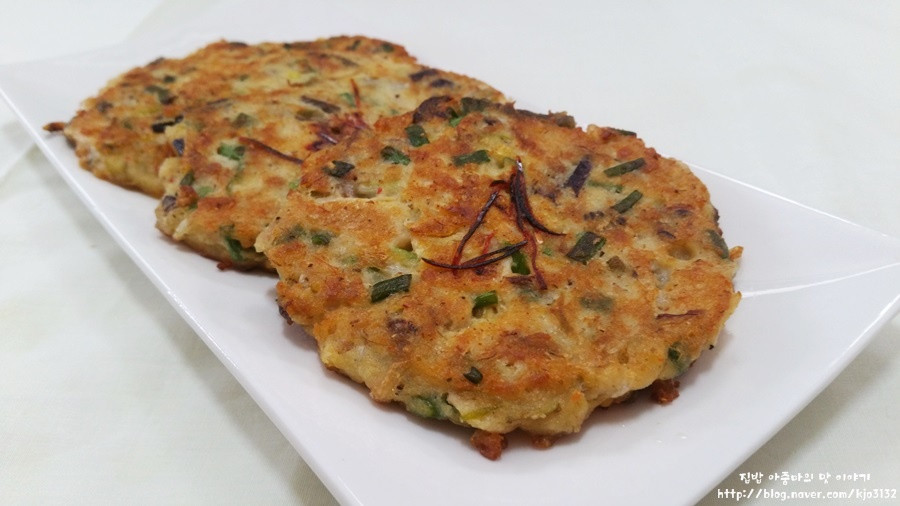
- Kimchi pancakes (kimchi-jeon): Similar to fried rice — well-fermented for flavor, but not so old that it disintegrates. 3-6 weeks works well.
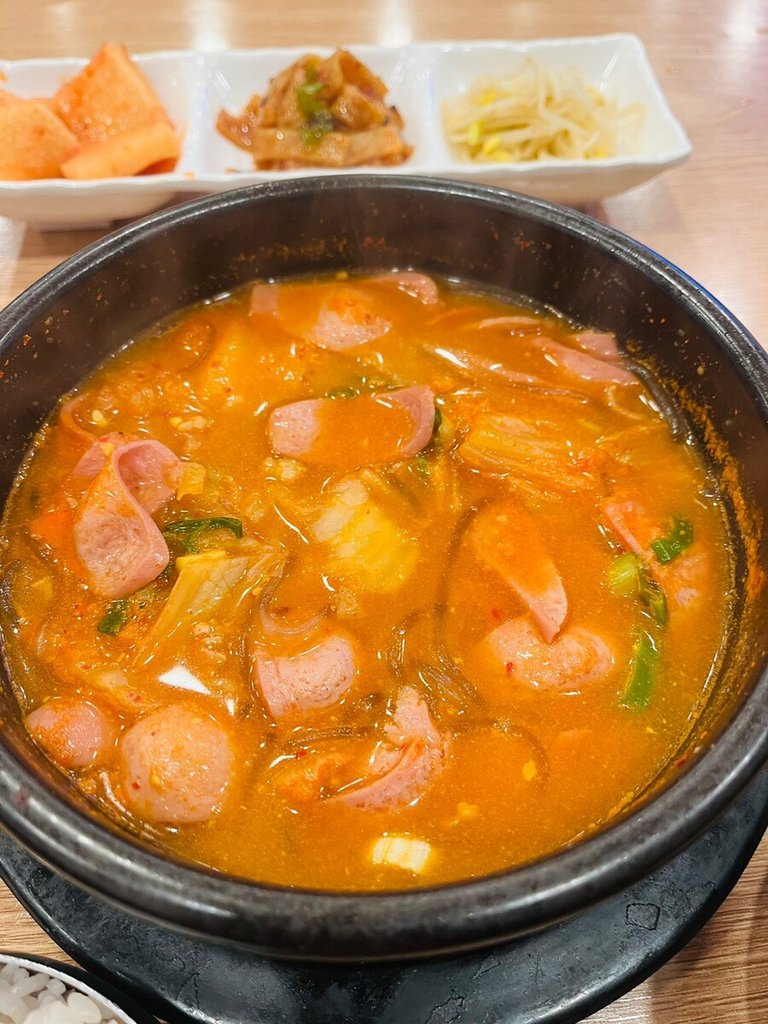
- Budae-jjigae (army stew): Medium to well-fermented. The stew has a lot of other strong flavors (spam, cheese, ramen), so extremely aged kimchi isn't strictly necessary here. 2-4 weeks is sufficient.
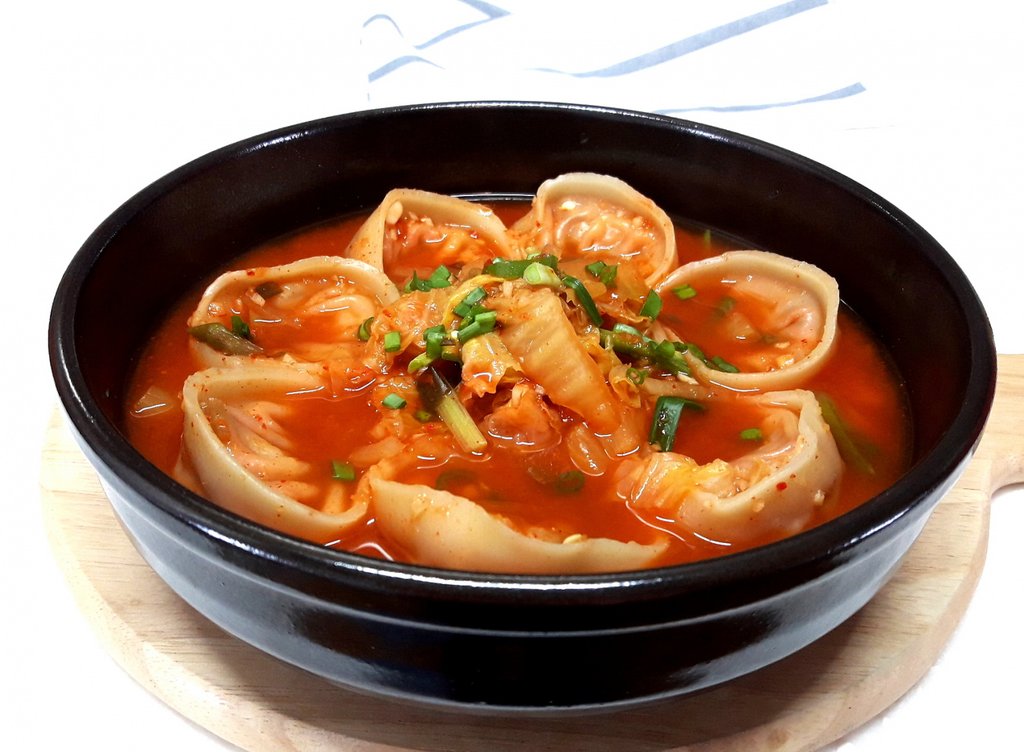
- Kimchi mandu (dumplings): Well-fermented, 4-6 weeks. You want strong flavor since the kimchi is mixed with other filling ingredients that dilute it.
- Kimchi soup (kimchi-guk): Medium fermentation, 2-4 weeks. This is a lighter soup, so super-aged kimchi can overwhelm it.
- Grilled cheese or quesadilla: Medium fermentation. You want tanginess but not overwhelming funk that competes with the cheese.
How to Tell If Kimchi Is Ready for Cooking
Here are the signs that your kimchi has aged enough to cook with:
- Taste: It should be noticeably sour, not just mildly tangy. If it makes your mouth pucker a bit, it's ready.
- Texture: The cabbage leaves should be softer and more translucent than when they were fresh. They'll bend easily without snapping.
- Smell: Aged kimchi has a stronger, more pungent aroma. It should smell fermented and funky, not fresh and garlicky.
- Bubbles: Active fermentation produces gas. If you see bubbles when you press the kimchi down in its container, it's actively fermenting and developing sourness.
- Juice: The brine at the bottom of the container should be cloudy and slightly fizzy. This liquid is gold — save it for your stews and fried rice.
- Color: The bright red-orange of fresh kimchi mutes to a deeper, slightly brownish red as it ages. This color change indicates fermentation progression.
What to Look for at the Store
If you're buying kimchi specifically for cooking, here's what I recommend:
At Korean grocery stores: Look for kimchi labeled "mugeunji" or "aged kimchi." This has been deliberately fermented longer and is sold specifically for cooking purposes. It's usually cheaper than fresh kimchi too. Some stores also sell "kimchi for jjigae" in the refrigerated section — this is pre-aged and ready to cook with immediately.
At regular grocery stores: You'll typically only find one or two brands. That's fine — just buy it and let it age in your fridge for 2-4 weeks before cooking with it. Leave the jar unopened if possible, as exposure to air can affect fermentation.
Best Store-Bought Brands for Cooking
Here are brands I've had consistent good results with:
- Jongga (Chongga): Probably the most widely available Korean kimchi brand in the US. Consistent quality, good fermentation development over time. Their pre-cut kimchi is convenient for cooking since you don't need to chop it.
- Mother-in-Law's Kimchi: A US-based brand that's well-made and widely available at Whole Foods and similar stores. Good for eating, and ages well for cooking if you wait a few weeks.
- Tobagi: Available at H Mart and Korean grocery stores. They sell specifically aged kimchi for cooking, which saves you the waiting time.
- King's Kimchi: Found at many regular grocery stores. Not the most complex flavor, but it functions well in cooked dishes, especially fried rice.
- Trader Joe's kimchi: Budget-friendly and works fine for cooking purposes. It tends to be on the fresher side when you buy it, so let it sit for 2-3 weeks before using in stews.
When choosing between brands, look at the ingredient list. The best cooking kimchi has traditional ingredients: napa cabbage, salt, garlic, ginger, gochugaru, fish sauce or shrimp paste, and scallions. Avoid brands with excessive sugar or preservatives — these can interfere with proper fermentation development.
How to Age Kimchi Faster
If you bought fresh kimchi and want to speed up the process, here are some techniques:
- Room temperature rest: Leave it at room temperature for 1-2 days before moving it to the fridge. The warmer temperature accelerates fermentation significantly. Check it by tasting — once it's tangy enough for your liking, put it in the fridge to slow things down.
- Sugar boost: A teaspoon of sugar mixed into the kimchi can help feed the bacteria and speed up fermentation. The sugar gets consumed by bacteria during fermentation, so it won't make your kimchi sweet.
- Warm spot placement: Place the container near a warm appliance (not on it) — near the back of the fridge's warm exhaust, for example. Even a few degrees warmer makes a difference over days.
- Don't open it: Every time you open the container, you introduce oxygen and slow down anaerobic fermentation. Leave it sealed during the aging period.
The fastest method: room temperature for 2 days, then fridge. This typically gets kimchi to a usable cooking sourness in about 5-7 total days instead of 3-4 weeks.
Cooking with Kimchi Juice
Don't throw away the liquid in your kimchi container. That juice is packed with flavor and is an essential ingredient in many recipes. Here's how to use it:
- Kimchi jjigae: Add it to the stew for extra depth and sourness.
- Fried rice: Splash it into the pan while stir-frying. It adds flavor and helps the rice pick up color.
- Meat marinade: Use it to marinate pork or chicken. The acidity tenderizes the meat while adding complex flavor.
- Salad dressing base: Mix with sesame oil and a touch of sugar for an instant Korean-style vinaigrette.
- Soup stock enhancement: Add a splash to any Korean soup for extra umami and tang.
- Cocktails: Some people use kimchi juice in Bloody Marys or other savory cocktails. It adds a fermented depth that's unique.
What About Making Your Own?
If you make your own kimchi, you have complete control over the aging process. I often make a large batch and deliberately set aside a portion for cooking — I'll leave it in a separate container and let it ferment until it's nice and sour. Having both fresh and aged kimchi available at all times means you're always ready for whatever recipe comes up.
Homemade kimchi also tends to develop a more complex flavor than commercial kimchi because it's using natural, uncontrolled fermentation. If you make kimchi at home even once, you'll notice the difference in your cooked dishes.
Quick Reference: Kimchi Age for Each Dish
- Kimchi jjigae: 2+ months (the sourest you have)
- Kimchi fried rice: 3-6 weeks
- Kimchi-jeon (pancakes): 3-6 weeks
- Kimchi mandu: 4-6 weeks
- Budae-jjigae: 2-4 weeks
- Kimchi-guk (soup): 2-4 weeks
- Eating as side dish: 1-3 weeks
- Fresh/geotjeori style: 1-3 days
Whether you're making kimchi jjigae, kimchi fried rice, or kimchi manduguk, starting with the right kimchi makes all the difference. Don't overlook this step — it's the foundation of the dish.
You Might Also Like
Related Guides
What Is Kimchi? Complete Guide to Korean Kimchi
Everything about kimchi: what it is, how it's made, the types, health benefits, how to eat it, and whether to buy or make it at home.
How to Store Kimchi — Fridge & Freezer Tips
Learn how to store kimchi in the fridge or freezer, choose the right container, manage fermentation, and use over-fermented kimchi.
What to Cook with Kimchi — 15 Ideas Beyond Eating It Straight
Got a jar of kimchi? Here are 15 ways to cook with it — from fried rice to grilled cheese to kimchi pancakes. Categorized by meal type with difficulty levels.
Easy Korean Recipes with Kimchi — 12 Ways to Use Up a Jar
Twelve easy recipes to use up a jar of kimchi — from fried rice and stew to dumplings and pancakes. Includes a fermentation level guide for each dish.
I Tried the 8 Best Store-Bought Kimchi Brands (2026)
We compared 8 popular kimchi brands for eating fresh and cooking. Jongga, Mother in Law's, Cleveland Kitchen, and more — honest pros, cons, and best uses.
Explore This Topic Further
Kimchi
Fermented napa cabbage — the soul of Korean cuisine. Used in stews, fried rice, pancakes, and dozens of other dishes.
Gochugaru
Korean red pepper flakes — sun-dried, coarsely ground, and the backbone of kimchi, stews, and most Korean seasoning.
Korean Recipes with Kimchi — Beyond Eating It Straight
10+ Korean recipes that use kimchi as a main ingredient — fried rice, stews, pancakes, dumplings, and more.
Korean Recipes for Beginners
Start your Korean cooking journey with these beginner-friendly recipes. Simple ingredients, clear instructions, no prior experience needed.
K-Fridge
Already have some of these pantry staples?
Use K-Fridge to see which Korean recipes you can make tonight with the ingredients you already have at home.