How to Store Kimchi — Fridge & Freezer Tips
By Logan · Published 2026-04-17 · Updated 2026-05-10
Kimchi is a living food. The bacteria inside it are constantly working, slowly fermenting the cabbage and producing lactic acid. That's what gives kimchi its signature tang — but it also means that how you store it has a direct impact on flavor, texture, and shelf life.
I've made the mistake of leaving kimchi in a loosely covered bowl on the counter for too long (the smell was memorable, and not in a good way). I've also frozen kimchi that I later used for amazing fried rice. Through trial and error, I've figured out what works and what doesn't. Here's what I know.
Fridge Storage — The Standard Method
The refrigerator is where most kimchi lives, and for good reason. The cold temperature (ideally 32-39°F / 0-4°C) slows down fermentation dramatically, letting kimchi age gradually over weeks and months rather than days.
Here's how to store kimchi in the fridge properly:
- Keep it submerged. Make sure the kimchi is pressed down below the level of its brine. Cabbage exposed to air can dry out and develop off-flavors or mold on the surface.
- Use a tight lid. Kimchi releases gas as it ferments, and it has a strong smell. A tight-sealing container keeps the odor from taking over your entire fridge.
- Don't cross-contaminate. Always use clean utensils when scooping kimchi out. Introducing bacteria from other foods can cause issues.
- Store it in the back. The back of the fridge is colder and has more consistent temperature than the door shelves.
- Keep a dedicated section. If possible, store kimchi in a separate drawer or section. This helps contain the smell and prevents other foods from absorbing kimchi odor.
Stored this way, kimchi will keep for 3-6 months easily, and even longer if it started very fresh. It will continue to ferment slowly, becoming more sour over time. This is completely normal and actually desirable if you plan to cook with it.
Fridge vs Room Temperature — When to Use Each
The temperature you store kimchi at determines how fast it ferments:
- Room temperature (68-72°F / 20-22°C): Kimchi ferments rapidly — noticeably sourer within 1-2 days. Use room temperature when you want to intentionally speed up fermentation (e.g., freshly made kimchi that you want to age quickly for cooking).
- Fridge (32-39°F / 0-4°C): Slow, gradual fermentation over weeks and months. This is the standard for most situations.
- Kimchi fridge (specific temperature): Korean kimchi refrigerators maintain a precise temperature just above freezing (around 32-35°F / 0-2°C), which is colder than most regular fridges. This is why dedicated kimchi fridges are common in Korean households — they significantly extend the time kimchi stays at its ideal ripeness.
A general rule: if you want to eat your kimchi as a side dish and keep it crunchy, keep it cold. If you want it to sour faster for cooking, leave it at room temperature for a day or two then refrigerate once it reaches the tanginess you want.
Choosing the Right Container
The container matters more than you might think. Here are your options:
Glass jars: My top recommendation. Glass doesn't absorb odors or stain, and you can see the kimchi level and brine without opening the lid. Mason jars work great for small batches. Wide-mouth jars are easier to pack kimchi into and scoop from.
Important note with glass: during active fermentation, gas builds up. If you're storing freshly made kimchi in a sealed glass jar, "burp" it daily by opening the lid briefly to release pressure. I've heard stories of jars cracking from gas buildup, though it's never happened to me personally.
Plastic containers with tight lids: These work fine but will eventually stain red and absorb the kimchi smell permanently. Dedicate specific containers to kimchi and don't expect to use them for anything else afterward. Look for BPA-free containers. Lock-and-lock style containers with rubber gaskets are good for odor containment.
Traditional onggi (Korean clay pots): These are the gold standard for fermentation. The porous clay allows tiny amounts of air exchange, which promotes beneficial bacteria while keeping harmful ones out. If you make kimchi often, an onggi is a worthwhile investment. They're available online and at Korean housewares stores. Note: onggi works best at a consistent cool temperature — they're traditionally kept outdoors or in a cool cellar, not in the fridge.
Stainless steel containers: Some Korean brands make kimchi-specific stainless steel containers. These don't stain, don't absorb odors, and are easy to clean. They're a good middle ground between glass and plastic.
What to avoid: Reactive metals like aluminum or uncoated iron. The acidity of kimchi can react with these and create off-flavors or even discoloration.
Understanding Fermentation Stages
Kimchi doesn't just go from "fresh" to "old." It passes through several distinct stages, and each one is useful for different purposes:
- Day 1-3 (Fresh/Geotjeori): Crunchy, garlicky, barely tangy. Best eaten as a side dish with rice. The flavors are bright and the spice from gochugaru is prominent. This is geotjeori-style kimchi.
- Day 4-7 (Starting to ferment): Beginning to develop a slight fizz and very mild tanginess. Still mostly crunchy. Starting to taste like "real" kimchi rather than a fresh salad.
- Week 1-2 (Young): Noticeably tangy. Still crunchy. Good for eating and beginning to be usable for cooking. This is what most store-bought kimchi tastes like when you first open it.
- Week 3-6 (Well-fermented): Clearly sour, softer texture. This is the sweet spot for cooking — perfect for fried rice and stews. The cabbage has softened but still has structure.
- Month 2-3 (Aged): Very sour, quite soft. Excellent for kimchi jjigae and other dishes where you want maximum funk and depth. The brine is cloudy and intensely flavored.
- Month 4+ (Mugeunji/Deep-aged): Intensely sour, very soft, deeply funky. This is mugeunji — deliberately aged kimchi prized for stews, soups, and braises. In Korea, some restaurants specialize in mugeunji dishes and age their kimchi for a year or more.
There's no single "right" stage. It depends entirely on what you want to do with it.
Can You Freeze Kimchi?
Yes, and it works better than most people expect. Freezing stops fermentation completely, so it's useful if your kimchi is at the perfect sourness and you want to lock it in.
Here's how to freeze kimchi effectively:
- Portion it into freezer-safe bags or containers. Don't freeze the whole batch — you want to be able to thaw only what you need.
- Leave some headspace, as the liquid will expand when frozen.
- Squeeze out excess air from bags before sealing.
- Label with the date so you remember how old it is.
- Flat freezer bags stack efficiently and thaw faster than bulky containers.
Frozen kimchi keeps for 2-3 months at best quality, though it's safe to eat beyond that. The texture changes after thawing — the cabbage becomes softer and loses its crunch. This makes frozen kimchi ideal for cooking (fried rice, stews, pancakes) but not great for eating raw as a side dish.
To thaw, move it to the fridge overnight. Don't thaw at room temperature, as the rapid temperature change can make the texture mushy and restart fermentation unevenly.
How to Tell If Kimchi Has Gone Bad
Kimchi is already a fermented food, so it has a naturally strong smell and sour taste. This confuses some people — how do you tell the difference between "properly fermented" and "actually spoiled"?
Here are the signs that kimchi is still safe:
- Sour smell (like vinegar or pickles) — this is normal fermentation
- Fizzy or bubbly when you open the container — this is active, healthy fermentation
- Soft texture — this just means it's well-fermented, not spoiled
- Cloudy brine — normal and expected
Here are the signs that kimchi has actually gone bad:
- Rotten smell: Distinct from sour. Spoiled kimchi smells like rotting vegetables, not like fermentation. You'll know the difference immediately.
- Fuzzy mold (green, black, or blue): A thin white film on the surface (kahm yeast) is harmless and can be scraped off. But colored fuzzy mold means contamination. Discard the whole batch if colored mold is present.
- Slimy or mushy beyond recognition: If the vegetables have completely disintegrated into an unrecognizable slime, it's past its useful life.
- Off-taste that isn't just sourness: If it tastes bitter, metallic, or rotten (rather than just intensely sour), discard it.
Signs of Over-Fermentation (Still Safe, Just Very Sour)
Over-fermented kimchi is different from spoiled kimchi. Over-fermented kimchi is perfectly safe — it's just very sour:
- Extremely sour taste: If it's so sour it's unpleasant to eat, it's past its prime for a side dish — but still absolutely fine for cooking.
- Mushy texture: When the cabbage has completely lost its structure and falls apart, it's very over-fermented. Cook with it or use it in soup.
- White film on surface: A white yeast layer (called kahm yeast) can form on top. It's not harmful — just scrape it off and use the kimchi underneath. But it's a sign that the kimchi has been exposed to too much air.
What to Do with Over-Fermented Kimchi
Don't throw away super-sour kimchi. It's actually at its best for cooking. Here's what to make with it:
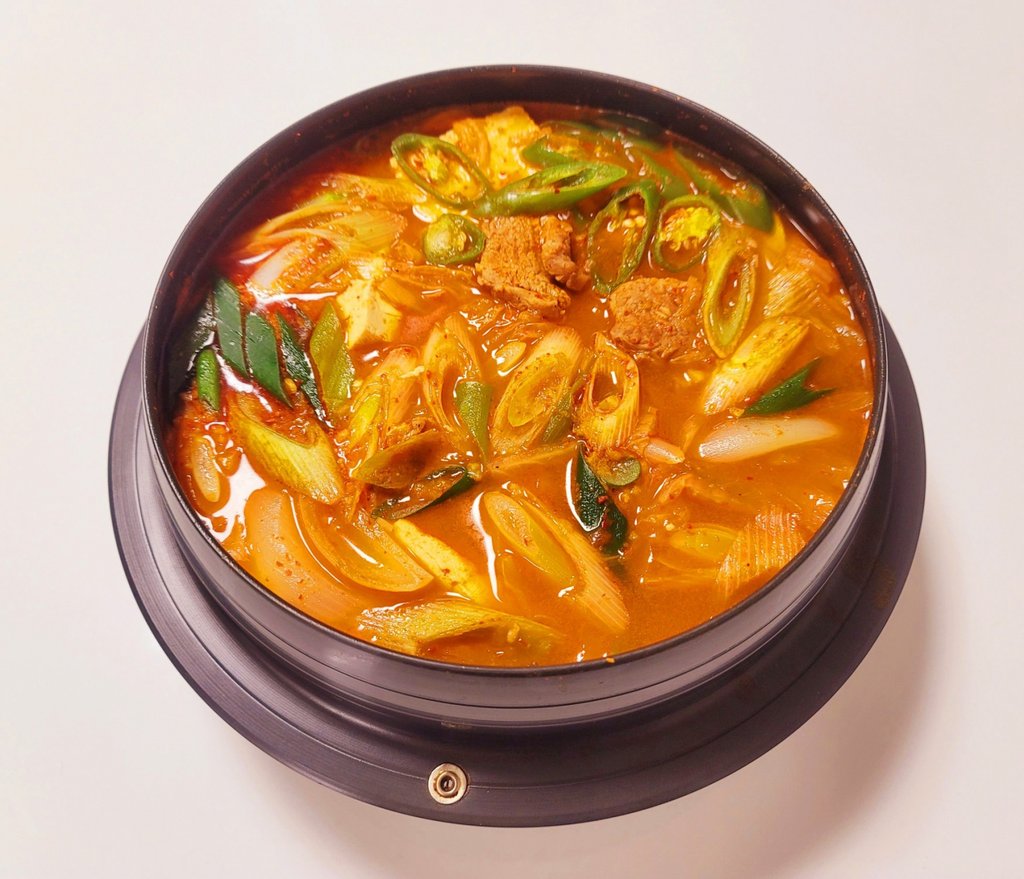
- Kimchi jjigae: The number one use for old kimchi. The stew tastes better with very aged, sour kimchi. It's actually difficult to make good kimchi jjigae without well-aged kimchi.
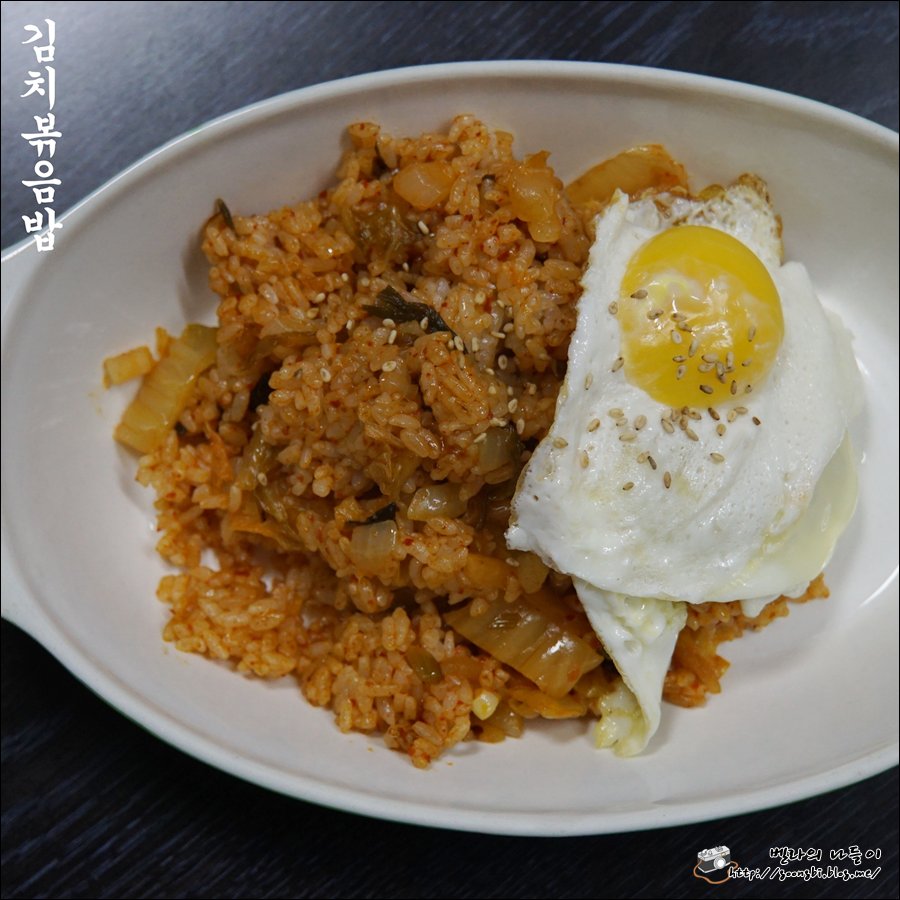
- Kimchi fried rice: Old kimchi caramelizes beautifully in a hot pan. The sourness adds complexity that fresh kimchi simply can't provide.
- Kimchi pancakes (kimchi-jeon): Sour kimchi makes crispier, more flavorful pancakes.
- Kimchi soup (kimchi-guk): A lighter alternative to jjigae. The sourness creates a clean, tangy broth.
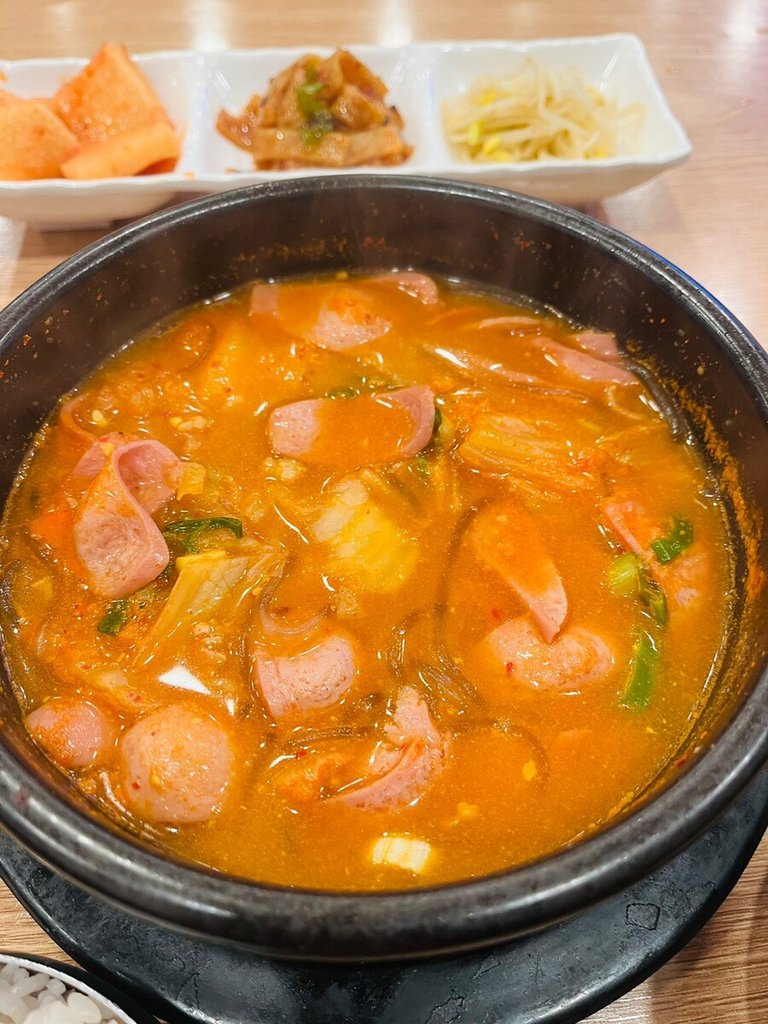
- Budae-jjigae: Army stew benefits from very aged kimchi — it stands up to all the other strong flavors.
- Kimchi mandu filling: Chop finely, squeeze out liquid, and use in dumpling filling. The intense flavor means you need less.
- Kimchi bokkeumbap with spam: The ultimate comfort food that specifically benefits from very sour kimchi.
A friend of mine deliberately over-ferments kimchi specifically for cooking. She keeps two containers — one fresh for eating, one aging for cooking. It's a smart approach if you cook Korean food regularly.
Special Storage Situations
Storing kimchi during a move: Double-bag it in zip-locks inside a hard container. Kimchi containers are notorious for leaking during transport, and the smell is nearly impossible to remove from fabric.
Taking kimchi on a trip: Frozen kimchi travels well in a cooler. It thaws slowly and stays cold, and you can cook with it when you arrive.
Bulk kimchi storage: If you make a large batch, divide it into smaller containers immediately. This way you only open and expose one container at a time, keeping the rest sealed and fermenting undisturbed.
The good news about kimchi storage is that it's very forgiving. Even if you don't do everything perfectly, the salt and acid in kimchi naturally protect it from harmful bacteria. The worst thing that usually happens is it gets sourer than you intended — and that's easily solved by using it for cooking instead of eating it straight.
You Might Also Like
Related Guides
What Is Kimchi? Complete Guide to Korean Kimchi
Everything about kimchi: what it is, how it's made, the types, health benefits, how to eat it, and whether to buy or make it at home.
Best Kimchi for Cooking — Fresh vs Aged Guide
Fresh or aged kimchi for cooking? Learn when to use each, the best kimchi for jjigae and fried rice, top brands to buy, and ripeness tips.
I Tried the 8 Best Store-Bought Kimchi Brands (2026)
We compared 8 popular kimchi brands for eating fresh and cooking. Jongga, Mother in Law's, Cleveland Kitchen, and more — honest pros, cons, and best uses.
What to Cook with Kimchi — 15 Ideas Beyond Eating It Straight
Got a jar of kimchi? Here are 15 ways to cook with it — from fried rice to grilled cheese to kimchi pancakes. Categorized by meal type with difficulty levels.
Korean Pantry for Beginners — 10 Essentials
Stock your kitchen with these 10 Korean pantry essentials to make dozens of authentic dishes. Includes where to buy and starter recipes.
Explore This Topic Further
Gochugaru
Korean red pepper flakes — sun-dried, coarsely ground, and the backbone of kimchi, stews, and most Korean seasoning.
Kimchi
Fermented napa cabbage — the soul of Korean cuisine. Used in stews, fried rice, pancakes, and dozens of other dishes.
Korean Recipes for Beginners
Start your Korean cooking journey with these beginner-friendly recipes. Simple ingredients, clear instructions, no prior experience needed.
Spicy Korean Recipes
Korean recipes that bring the heat — from tteokbokki to kimchi jjigae. Sorted by spice level.
K-Fridge
Already have some of these pantry staples?
Use K-Fridge to see which Korean recipes you can make tonight with the ingredients you already have at home.