Where to Buy Korean Ingredients (2026 Guide)
By Logan · Published 2026-04-18 · Updated 2026-05-10
One of the biggest barriers to cooking Korean food at home is finding the ingredients. Gochujang, gochugaru, doenjang, dried kelp, rice cakes — these aren't things most people have in their pantry. But they're more accessible than you might think, and you probably don't need to make a special trip to get started.
Here's where I buy everything, broken down by store type, with budget tips and online alternatives for each.
H Mart and Korean Grocery Stores — The Best Selection
If you have an H Mart nearby, this is the easiest one-stop shop for Korean cooking. H Mart carries everything — every paste, every dried ingredient, fresh produce like Korean radish and perilla leaves, and a meat counter that'll slice bulgogi-thin beef for you on request.
What to buy at H Mart:
- Gochugaru (Korean chili flakes): Buy the big bag. Brands like Taekyung and Chung Jung One are reliable. A 1-pound bag runs about $8-12 and lasts months.
- Gochujang: CJ Haechandle and Sunchang are the most popular. A 500g tub is under $7.
- Doenjang: Sempio and Chungjungone are solid everyday brands. Same price range as gochujang.
- Rice cakes (tteok): Fresh and frozen options. For tteokbokki, grab the cylinder-shaped ones in the refrigerated or frozen section.
- Korean radish and napa cabbage: Produce section, always in stock.
- Dried kelp (dashima) and dried anchovies: Soup aisle. These are the foundation of Korean soup stock.
- Sesame oil: Kadoya and Korean brands like CJ are excellent. Korean sesame oil tends to be nuttier and more aromatic.
- Fresh perilla leaves: These are nearly impossible to find outside Korean grocery stores. Buy them here if you want them.
- Korean-cut meat: Thinly sliced beef for bulgogi, pork belly for samgyeopsal — the meat counter at H Mart slices to Korean specifications, which saves you a lot of prep work.
H Mart also has a great selection of Korean instant noodles, banchan (side dishes) in the deli section, and frozen dumplings. It's worth browsing even if you came for specific items.
Other Korean grocery chains to look for: Lotte Plaza, Zion Market (West Coast), and Hana World Market. Asian grocery stores like 99 Ranch and Seafood City also carry most Korean staples.
Amazon — Best for Pantry Staples
Amazon is great for shelf-stable Korean ingredients, especially if you don't live near a Korean grocery store. Here's what's worth ordering online:
- Gochujang: CJ Haechandle is available with Prime shipping. The 500g tub is the sweet spot for home cooks.
- Gochugaru: Taekyung brand ships well and stays fresh in a sealed bag.
- Doenjang: Sempio doenjang is on Amazon. Check expiration dates — fermented pastes do best when fresh.
- Dried kelp and dried anchovies: Both ship perfectly since they're shelf-stable.
- Sesame oil: Kadoya is widely available on Amazon.
- Rice vinegar and mirin: Marukan and Kikkoman brands are easy to find.
- Korean soup base (dashida): A convenient shortcut if you don't want to make broth from dried anchovies.
- Sesame seeds: Ottogi pre-roasted sesame seeds in the large bag are great value.
What I wouldn't order on Amazon:
- Fresh rice cakes: These don't ship well and have a short shelf life.
- Fresh produce: Obviously. No shipping Korean radishes.
- Anything you can get at your regular grocery store — soy sauce, sesame seeds, tofu. No need to pay Amazon prices for basics.
- Kimchi: It can ship okay, but quality varies and prices are inflated. Buy locally if possible.
Online Korean Grocery Stores
Beyond Amazon, there are dedicated online Korean grocery stores that offer better selection and often better prices:
- Weee!: Asian grocery delivery in many metro areas. Good selection of Korean ingredients with reasonable prices. Fresh items available depending on your location.
- H Mart online: H Mart has expanded their online ordering and delivery. Selection varies by location but it's worth checking.
- Seoul Mills: Premium Korean ingredients with a focus on traditional, artisanal products. More expensive but higher quality for things like traditional doenjang and gochugaru.
Your Regular Grocery Store — More Than You'd Expect
Most major grocery chains have expanded their Asian ingredient sections significantly. Here's what you can often find at stores like Kroger, Safeway, Publix, Whole Foods, and Target:
- Soy sauce: Kikkoman is everywhere. It works great for Korean cooking.
- Sesame oil: Usually in the Asian aisle. Kadoya is the most common brand.
- Rice vinegar: Marukan is widely available.
- Tofu: Most stores carry firm and silken tofu. For Korean stews, you want soft or silken.
- Sriracha and sambal oelek: Not Korean, but useful as gochujang substitutes in a pinch.
- Miso paste: Usually in the refrigerated section near tofu. Works as a doenjang substitute.
- Napa cabbage: Most produce sections stock this.
- Green onions and garlic: Obviously available everywhere.
- Short-grain rice: Brands like Nishiki and Kokuho Rose are common. Both work great for Korean rice.
- Gochujang: Increasingly available. I've seen it at Whole Foods (their 365 brand makes one), Target, and well-stocked Kroger locations.
Trader Joe's — Hidden Korean Gems
Trader Joe's has been quietly building a solid Korean ingredient lineup:
- Gochujang: They sell their own brand in a small pouch. It's decent for the price and perfect for trying gochujang if you've never used it before.
- Kimchi: Their refrigerated kimchi is fine for cooking — great in fried rice or jjigae. Not the best for eating straight, but functional.
- Frozen Korean items: Mandoo (dumplings), japchae, and bibimbap bowls. These aren't ingredients per se, but they're convenient.
- Tofu: Good quality and affordable.
- Sesame oil: Their toasted sesame oil is solid and priced well.
- Rice: Their jasmine and short-grain rice options work for Korean cooking.
- Everything But the Bagel seasoning: Not Korean, but many people use it as a topping for rice bowls and it works surprisingly well.
Trader Joe's won't cover all your Korean cooking needs, but it's a great supplementary stop, especially for gochujang, sesame oil, and tofu.
Costco — Bulk Buying for Korean Cooking
If you cook Korean food regularly, Costco can save you significant money on certain items:
- Sesame oil: Large bottles at much better per-ounce pricing than grocery stores.
- Rice: 25-pound bags of Calrose rice are the best value if you eat rice regularly.
- Pre-minced garlic: The large jars are perfect for Korean cooking where you go through garlic fast.
- Eggs: Korean cooking uses a lot of eggs. Costco pricing is hard to beat.
- Tofu: Multi-packs at good prices.
- Spam: If you make budae-jjigae or spam fried rice, the multi-packs here are significantly cheaper.
- Napa cabbage: Sometimes available in the produce section at great prices for kimchi-making.
Budget Tips for Korean Ingredient Shopping
Korean cooking can be very affordable once you have the pantry basics. Here's how to minimize costs:
- Buy pastes and dried goods in bulk. Gochugaru, gochujang, doenjang, and dried ingredients all last months. The larger size is almost always a better per-ounce deal.
- Store gochugaru in the freezer. A big bag stays fresh for a year when frozen, so you can buy the economy size without worrying about it going stale.
- Skip specialty items early on. You don't need pine nuts, dried jujubes, or specialty rice cakes when you're starting out. Build up as you cook more.
- Use chicken broth as a shortcut. Proper Korean broth uses dried anchovies and kelp, but chicken broth works fine for most stews and soups while you're learning.
- Buy meat at Korean grocery stores. Pre-sliced bulgogi beef and pork belly are often competitively priced and save you prep time.
- Rice is the cheapest base. Korean meals built around rice with vegetables and eggs can cost under $2-3 per serving, even with quality ingredients.
- Check expiration dates on Amazon. Fermented products are better fresh. Some Amazon sellers move older stock at discount — check dates before buying.
Building Your Starter Kit — Priority Order
If you're just getting into Korean cooking, here's the priority order for stocking up:
- Must-haves (buy first): Soy sauce, sesame oil, garlic, green onions, short-grain rice. These appear in virtually every Korean recipe.
- Second tier: Gochujang, gochugaru, doenjang. These three pastes/spices unlock 80% of Korean cooking.
- Third tier: Dried kelp, dried anchovies, rice cakes, Korean radish. For soups, stews, and specific dishes.
- Nice to have: Mirin, rice vinegar, Korean corn syrup (mulyeot), fish sauce. These add finesse.
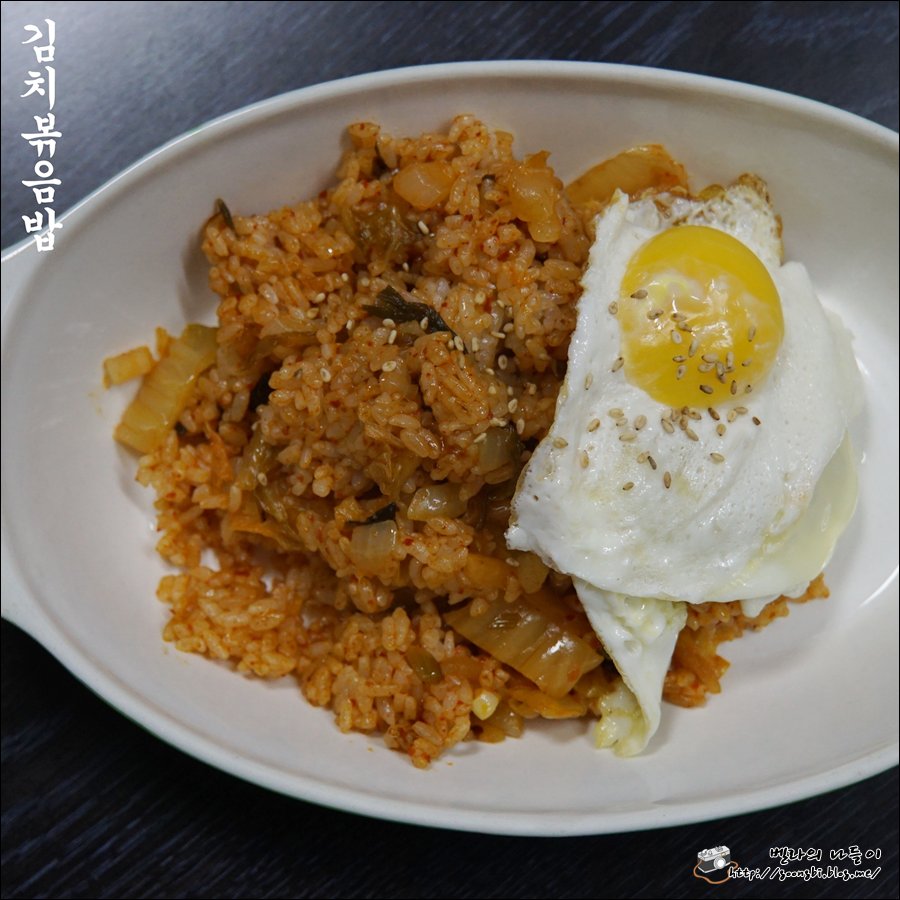
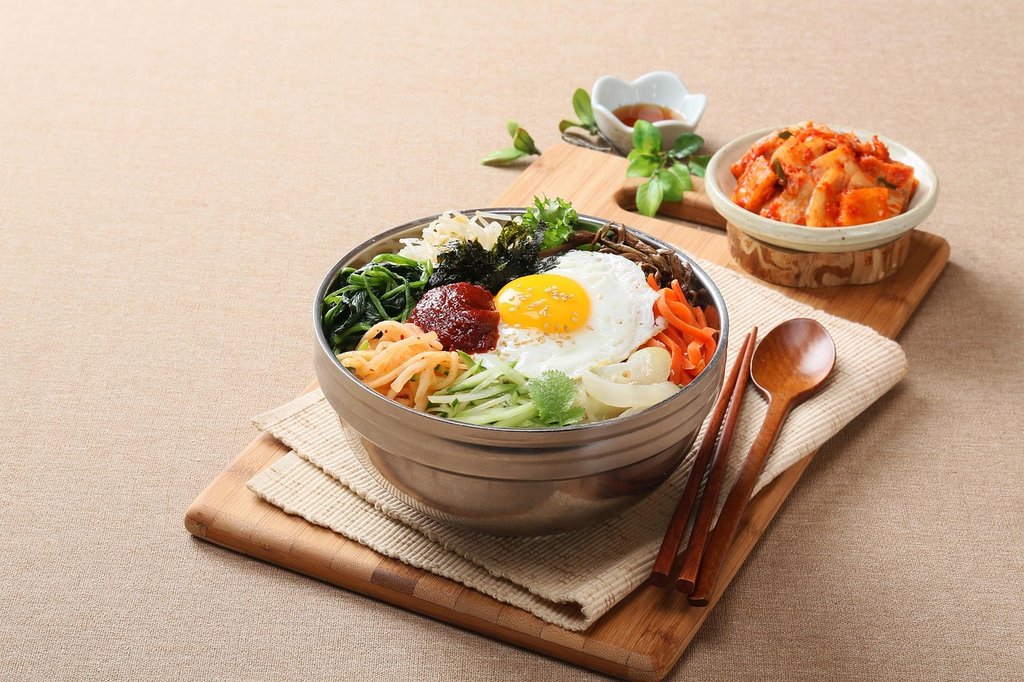
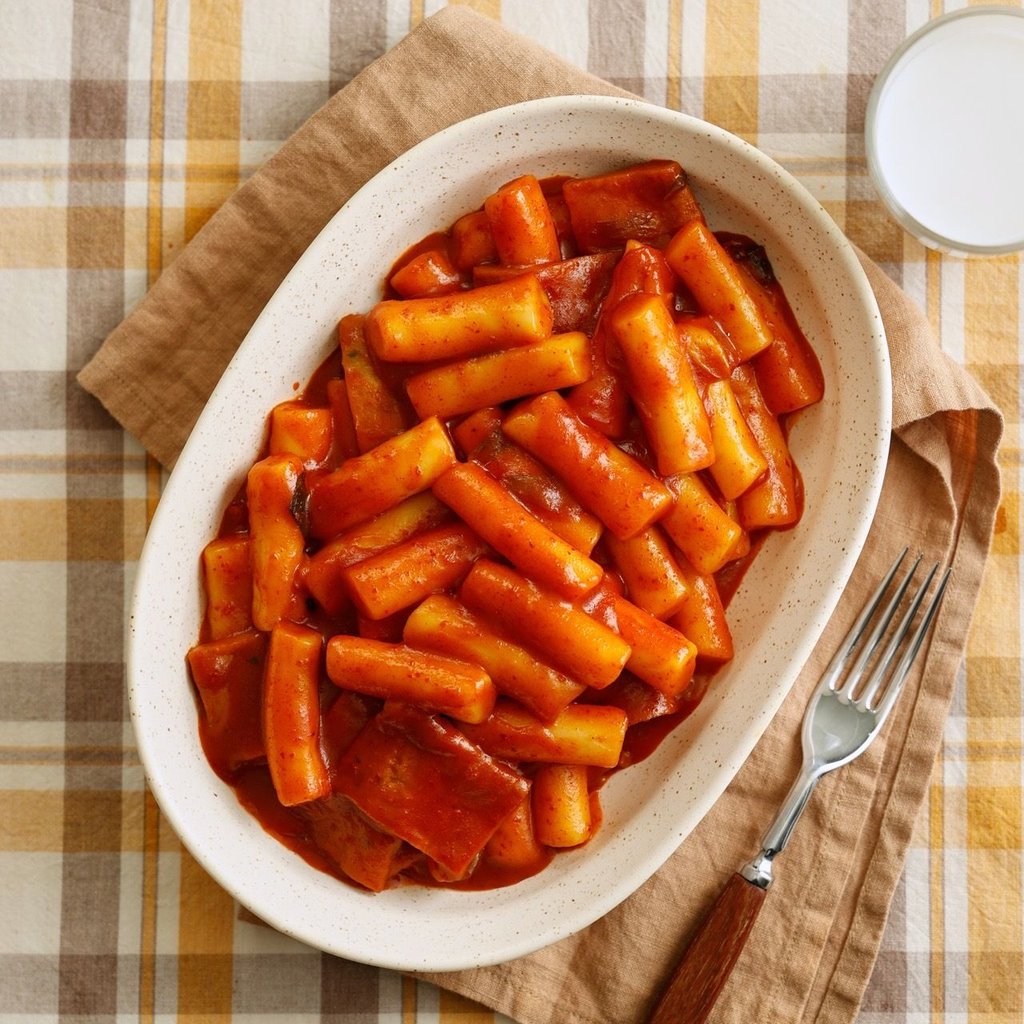
Start with the must-haves — you can make kimchi fried rice, egg fried rice, and basic stir-fries with just those. Then add the pastes when you're ready for bibimbap, tteokbokki, and jjigae.
Storage Tips
Most Korean pantry staples last a long time:
- Gochujang and doenjang: Months in the fridge after opening. The flavor actually deepens over time.
- Gochugaru: Store in the freezer for maximum freshness. It stays loose and scoopable even frozen.
- Dried kelp and anchovies: Pantry-stable for months. Keep them in sealed bags.
- Sesame oil: Lasts 6-12 months. Store in a cool, dark place.
- Soy sauce: Essentially indefinite shelf life at room temperature.
- Rice: Uncooked white rice lasts years in a cool, dry place.
Korean cooking ingredients are an investment that pays off across dozens of recipes. A $30-40 initial pantry stock will carry you through months of cooking. The per-meal cost drops dramatically once you're stocked up.
Common Shopping Mistakes to Avoid
- Buying too many specialty items on day one. Start with the basics (pastes, sesame oil, soy sauce) and add specialty ingredients only when a specific recipe calls for them.
- Confusing Japanese and Korean products. Miso is not doenjang. Regular chili flakes are not gochugaru. Mirin is not cheongju. They look similar on the shelf but taste different. Check the labels.
- Ignoring expiration dates on fermented products. While gochujang and doenjang last a long time, they do taste better when fresher. Check dates especially when buying online.
- Buying the smallest size to save money. The per-ounce cost on small containers is much higher. If you are committed to Korean cooking, buy the medium or large size — it will save money over time.
- Skipping the Asian grocery store. Even one trip to H Mart can stock your Korean pantry for months at better prices than Amazon. The drive is worth it if one is within an hour.
You Might Also Like
Related Guides
Korean Pantry for Beginners — 10 Essentials
Stock your kitchen with these 10 Korean pantry essentials to make dozens of authentic dishes. Includes where to buy and starter recipes.
Korean Pantry Starter Kit — Everything You Need Under $50
Build a complete Korean pantry for under $50. Covers gochugaru, gochujang, doenjang, sesame oil — with brand picks and where to buy.
Korean Cooking for Beginners — Start Here
New to Korean cooking? Get the essential equipment, 5 must-have ingredients, easiest starter recipes, and tips to avoid common mistakes.
Korean Cooking Tools — What You Actually Need
Honest guide to Korean cooking tools. Covers rice cookers, ttukbaegi, dolsot, BBQ pans, and more — what to buy, skip, and where to find them.
8 Best Gochujang Brands (2026) — From Mild to Extra Hot, Ranked
Comparing 8 gochujang brands by heat, sweetness, texture, and price. Find the best Korean chili paste for your cooking level and favorite recipes.
Explore This Topic Further
Gochujang
Korean fermented red pepper paste — sweet, spicy, and essential for bibimbap, tteokbokki, and dozens of marinades.
Sesame Oil
Toasted sesame oil adds a nutty aroma to finished dishes. A few drops transform any Korean side dish.
Korean Recipes for Beginners
Start your Korean cooking journey with these beginner-friendly recipes. Simple ingredients, clear instructions, no prior experience needed.
Easy Korean Dinners for Weeknights
Quick and satisfying Korean dinner recipes ready in under 30 minutes. Perfect for busy weeknights.
K-Fridge
Already have some of these pantry staples?
Use K-Fridge to see which Korean recipes you can make tonight with the ingredients you already have at home.