Gochujang vs Gochugaru — Differences Explained
By Logan · Published 2026-05-10 · Updated 2026-05-10
| Product | Form | Flavor | Heat Level | Salt | Best For |
|---|---|---|---|---|---|
| Gochugaru (Korean Chili Flakes)Dry Ingredient | Dry flakes or powder | Clean chili, sweet, fruity | Moderate–High (4K–8K SHU) | None | Kimchi, dry rubs, stir-fries, finishing |
| Gochujang (Korean Chili Paste)Fermented Paste | Thick, sticky paste | Sweet, savory, umami, fermented | Mild–Moderate (diluted) | High (built-in) | Sauces, marinades, glazes, dips |
If you're getting into Korean cooking, you'll run into gochujang and gochugaru within your first few recipes. They sound similar, they're both red, and they both come from Korean chili peppers. So what's the difference? And more importantly, when do you use which one?
I confused these two for an embarrassingly long time when I first started cooking Korean food. I once dumped gochujang into a kimchi recipe that called for gochugaru, and the result was... not great. They're fundamentally different ingredients that serve different purposes, even though they share the same base pepper.
Here's everything you need to know to use them correctly.
What Is Gochugaru?
Gochugaru is dried Korean red pepper flakes. That's it — dried peppers, crushed or ground. No fermentation, no added ingredients, just pure chili.
The peppers are sun-dried (traditionally) or machine-dried, then deseeded and crushed into flakes of varying coarseness. You'll find it in two main forms:
- Coarse flakes (굵은 고춧가루) — used for kimchi, where you want visible red flecks and a slower release of heat
- Fine powder (고운 고춧가루) — used for stews, sauces, and seasonings where it needs to blend smoothly
The flavor is straightforward: moderately spicy (4,000–8,000 Scoville units), slightly sweet, a bit fruity, with a subtle smokiness. It has that bright red color that makes Korean food look so vibrant. Think of it as the Korean equivalent of paprika or crushed red pepper, but with its own distinct flavor profile that's sweeter and less sharp.
Gochugaru is a dry ingredient. It doesn't add moisture to a dish, and it keeps its texture when sprinkled on top of things.
What Is Gochujang?
Gochujang is a fermented chili paste. It's made from gochugaru (the pepper flakes above), glutinous rice powder, fermented soybean powder (meju), salt, and sometimes sweeteners like rice syrup. The mixture is traditionally fermented in clay pots outdoors for months or even years.
The result is a thick, sticky, deep red paste with layers of flavor: spicy, sweet, savory (umami), and slightly funky from fermentation. It has a consistency similar to miso paste — thick enough to scoop with a spoon, but spreadable.
Gochujang adds moisture, body, sweetness, salt, and umami to a dish — not just heat. The fermentation process creates complex flavors that you simply can't get from raw chili flakes. It's a condiment, a sauce base, and a seasoning all in one.
Heat-wise, gochujang is actually milder than straight gochugaru because the pepper is diluted with rice and soybean. Most brands range from mild to medium-hot.
Head-to-Head Comparison
Let's break down the key differences side by side:
Form: Gochugaru is a dry flake or powder. Gochujang is a wet, thick paste.
Ingredients: Gochugaru is just dried chili peppers. Gochujang contains chili, rice, fermented soybeans, and salt.
Flavor complexity: Gochugaru gives you clean chili flavor — heat, sweetness, fruitiness. Gochujang gives you heat plus umami, fermented depth, and noticeable sweetness from the rice.
Heat level: Gochugaru is spicier gram-for-gram because it's concentrated chili. Gochujang is milder because the pepper is diluted with other ingredients.
Salt content: Gochugaru has zero salt. Gochujang is noticeably salty — you need to account for this in recipes.
Texture in food: Gochugaru adds visible red flecks and a dry heat. Gochujang dissolves into sauces and creates a smooth, glossy coating.
Shelf life: Both last a long time. Gochugaru keeps 6+ months in the freezer. Gochujang lasts over a year in the fridge after opening.
When to Use Gochugaru
Use gochugaru when you want pure chili flavor without the extra sweetness and umami of a fermented paste. Here are the main use cases:
Kimchi making: This is the number one use for gochugaru. You need the dry flakes to coat the vegetables and create that signature red color. Gochujang would make the kimchi too sweet and pasty.
Seasoning cooked dishes: Sprinkle gochugaru into stir-fries, soups, and stews when you want heat and color without changing the sauce consistency. It's like using red pepper flakes in Italian cooking.
Dry rubs and marinades: When you're making bulgogi or galbi marinade, gochugaru gives you heat without the stickiness of paste.
Finishing dishes: A sprinkle of coarse gochugaru on top of a finished dish adds heat, color, and visual appeal. Gochujang can't do this — it would just sit there as a blob.
Namul (vegetable side dishes): Many banchan recipes use gochugaru for a clean, simple heat that doesn't overpower delicate vegetables.
When to Use Gochujang
Use gochujang when you want a complex, multi-dimensional flavor — especially when you need a sauce or glaze with body.
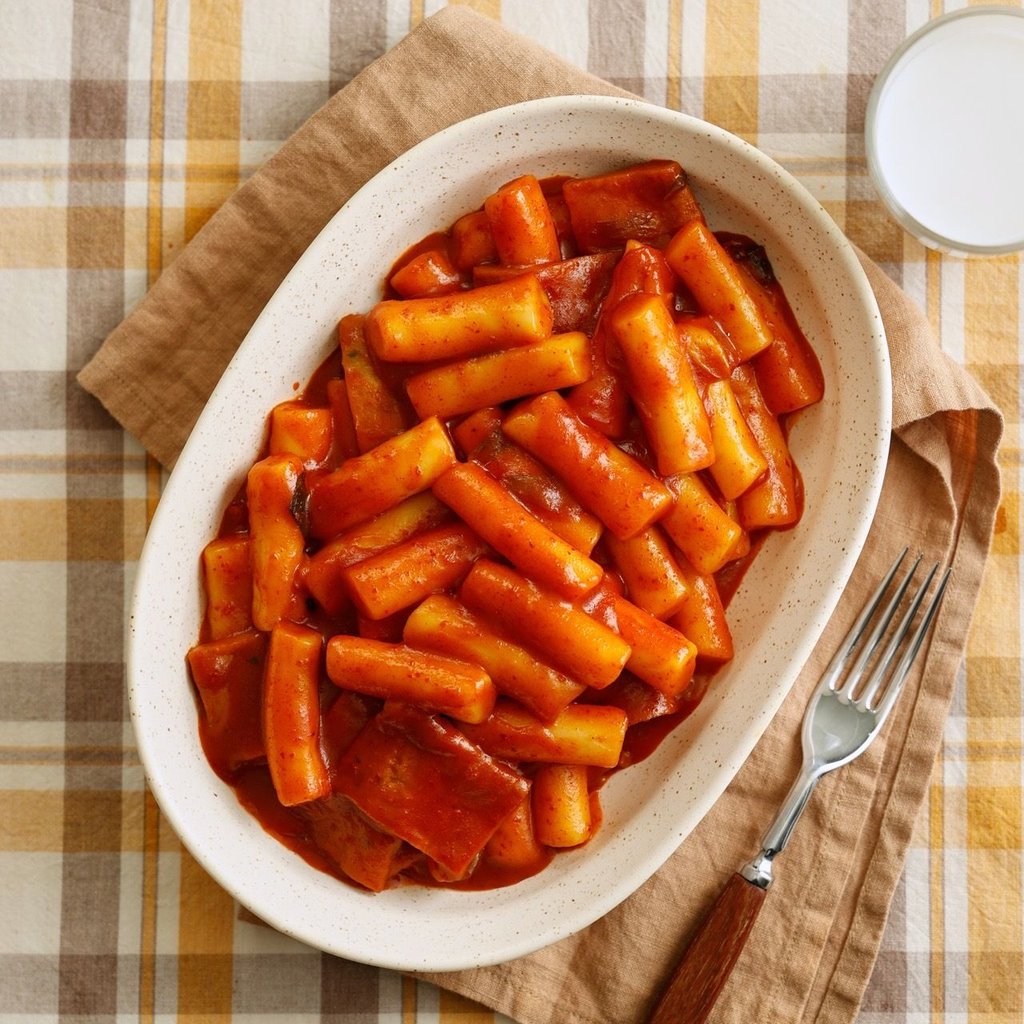
Tteokbokki sauce: The classic spicy rice cake sauce is built around gochujang. It provides the sweetness, heat, color, and glossy consistency all at once.
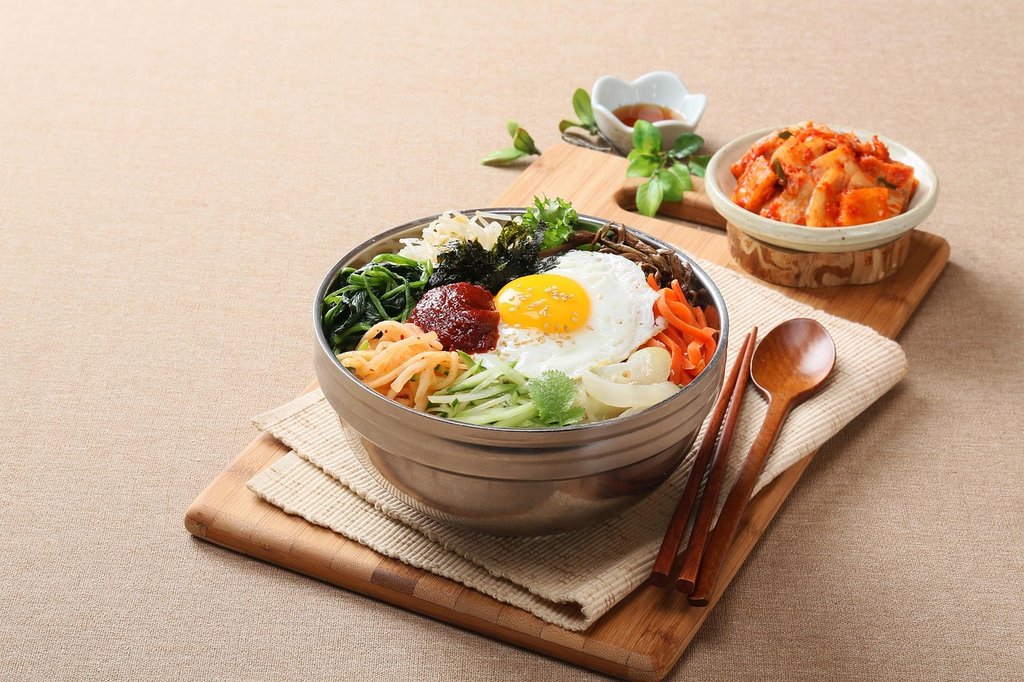
Bibimbap sauce: That red sauce you mix into bibimbap? Gochujang, thinned with a little sesame oil and rice vinegar.
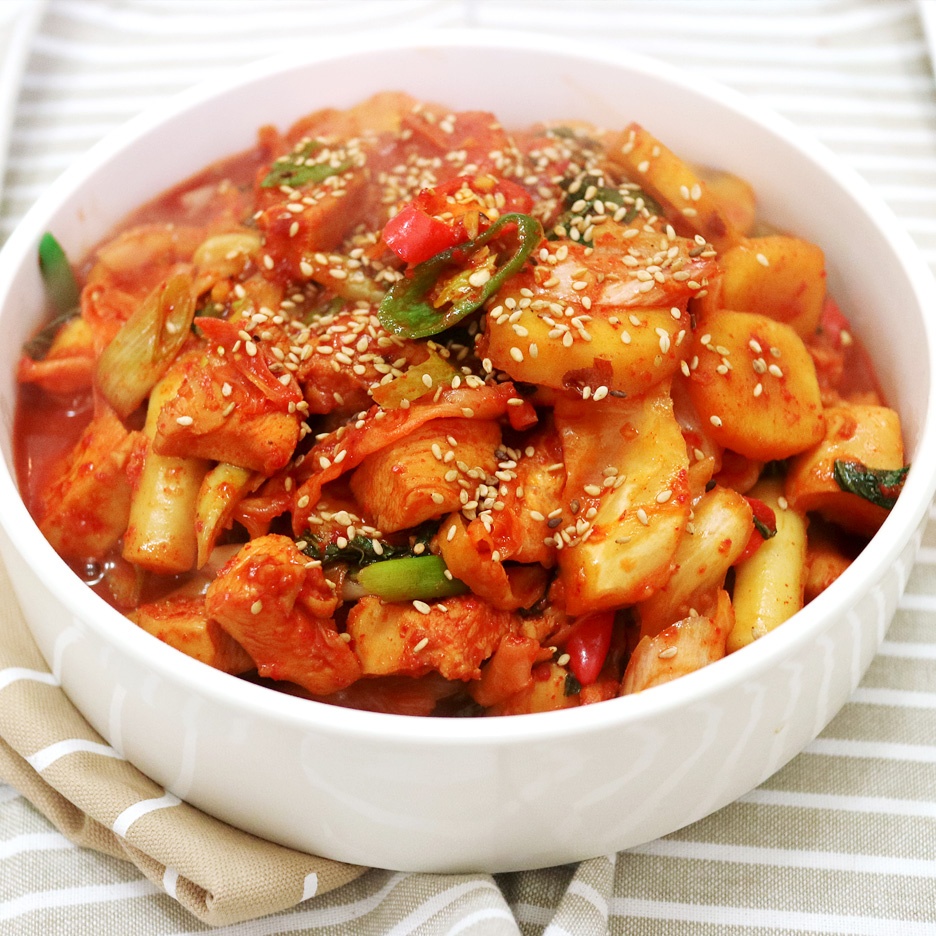
Marinades for grilled meat: Dakgalbi and spicy pork belly use gochujang-based marinades because the paste clings to the meat and caramelizes beautifully on the grill.
Dipping sauces: Mixed with vinegar and sugar (cho-gochujang), it becomes a tangy dipping sauce for raw fish, vegetables, and dumplings.
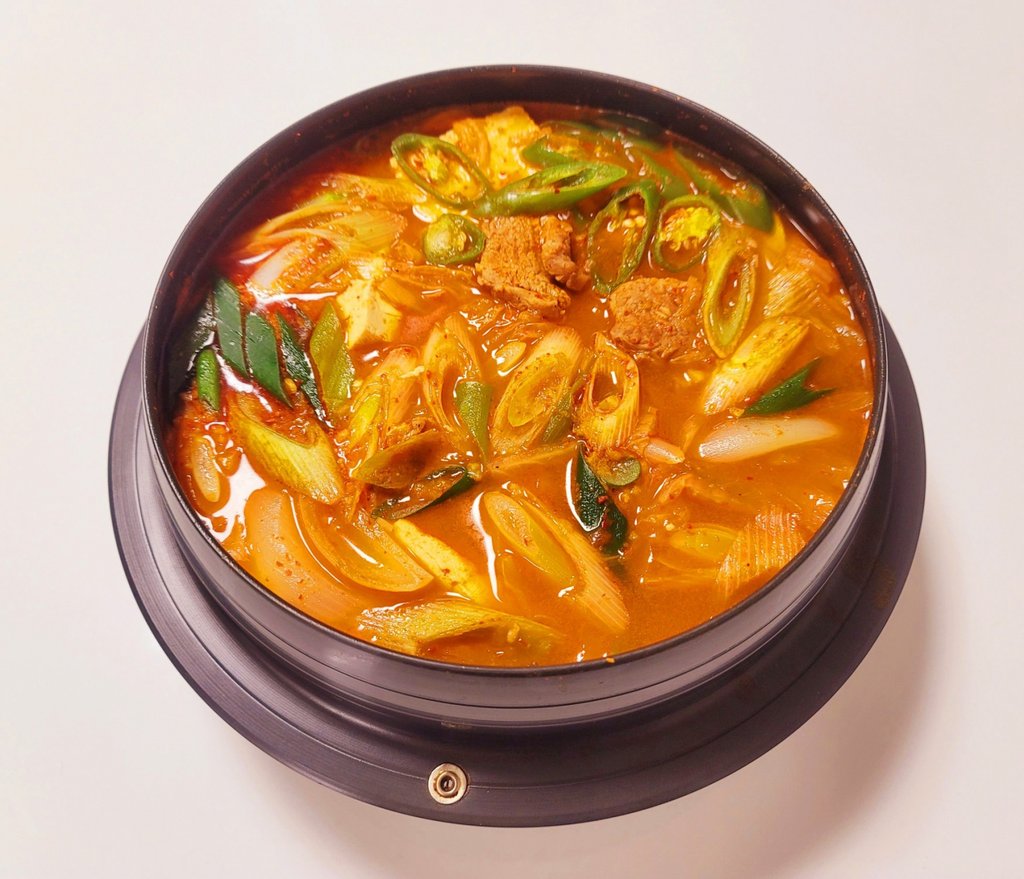
Stews and soups: Budae-jjigae and other spicy stews use gochujang for body and depth. It thickens the broth slightly and adds umami.
Non-Korean uses: Gochujang works amazingly in burger patties, on roasted vegetables, as a pizza drizzle, or mixed into mayo for sandwiches. Its balanced flavor plays well with Western food.
Can You Substitute One for the Other?
The short answer: sometimes, with adjustments. The long answer: it depends on the recipe.
Substituting gochujang for gochugaru: This works in wet dishes like soups and stews. Use about 1 tablespoon of gochujang for every 2 teaspoons of gochugaru. Remember to reduce other salt in the recipe since gochujang is already salty, and expect the dish to be sweeter and less purely spicy. This does NOT work for kimchi or dry applications.
Substituting gochugaru for gochujang: This is harder. You can approximate gochujang by mixing gochugaru with a small amount of miso paste, a drizzle of honey, and a splash of soy sauce. For every tablespoon of gochujang needed, try 1 teaspoon gochugaru + 1 teaspoon white miso + 1/2 teaspoon honey + 1/4 teaspoon soy sauce. It won't taste exactly the same, but it gets you in the ballpark for sauces and marinades.
The bottom line: if you cook Korean food regularly, you need both. They're not interchangeable in the way that, say, fresh garlic and garlic powder are. They're more like tomato paste versus diced tomatoes — related, but different tools for different jobs.
Buying Guide
If you're stocking your Korean pantry for the first time, here's what to look for:
Gochugaru:
- Buy both coarse and fine if possible. If you can only get one, coarse is more versatile.
- Look for bright red color — dull or brown means it's old.
- Korean-made is best. The peppers grown in Korea (especially Yeongyang and Cheongyang regions) have a specific flavor profile.
- Store in the freezer after opening. It loses flavor quickly at room temperature.
- A 1-pound bag ($8–12) lasts months for a typical home cook.
Gochujang:
- Start with a medium-heat level (the label usually shows a heat scale of 1–5; pick 2 or 3).
- Check ingredients — traditional gochujang lists rice, chili, and fermented soybeans. Budget brands often use corn syrup and artificial flavoring.
- Popular brands that are widely available: Sunchang, CJ Haechandle, Sempio.
- A 500g tub ($5–8) lasts a long time since you use small amounts per dish.
- Store in the refrigerator after opening. It basically lasts forever if kept cold.
Recipes That Use Both
Some Korean dishes actually use gochugaru AND gochujang together. This gives you the best of both worlds — the complex fermented depth from the paste plus the bright, clean heat from the flakes.
Dakgalbi: The marinade uses gochujang for body and sweetness, then gochugaru is added for extra heat and color.
Tteokbokki (some versions): Many recipes start with gochujang as the base sauce, then add gochugaru to amp up the spice level without making the sauce too sweet.
Kimchi-jjigae: The stew gets its depth from aged kimchi (which already has gochugaru), but many cooks add a spoonful of gochujang for umami and body.
Budae-jjigae: Both show up in the broth — gochujang for the savory base, gochugaru for the heat.
When a recipe calls for both, it's not redundant. Each one contributes something different, and the combination creates a more complete, layered spiciness than either one alone.
Common Mistakes to Avoid
After years of cooking with both ingredients, here are the mistakes I see most often:
- Using gochujang in kimchi: Your kimchi will be too sweet, too salty, and won't ferment properly because of the rice content in gochujang.
- Not accounting for salt in gochujang: If a recipe calls for 2 tablespoons of gochujang, that's adding significant salt. Taste before adding soy sauce or additional salt.
- Storing gochugaru at room temperature: It oxidizes and loses its bright color and flavor within weeks. The freezer is the right place.
- Buying the wrong coarseness of gochugaru: Coarse for kimchi, fine for sauces. Using fine powder in kimchi makes it too mushy; using coarse flakes in a smooth sauce leaves visible chunks.
- Treating them as interchangeable: They come from the same pepper, but once you understand what each one does, you'll see why every Korean kitchen has both.
The Bottom Line
Gochugaru is the raw material — pure dried chili with clean heat and color. Gochujang is the finished product — a fermented condiment with complex flavor, body, and built-in seasoning. You need both if you're serious about Korean cooking, and knowing when to reach for which one will immediately make your food taste more authentic.
Start with one container of each. Use gochugaru when you want heat and color in a dry or semi-dry application. Use gochujang when you need a sauce, glaze, or complex seasoning in one ingredient. Once you've cooked with both a few times, the distinction becomes second nature.
You Might Also Like
Related Guides
What Is Gochujang? Korean Chili Paste Guide
Everything about gochujang — Korean fermented red pepper paste, its heat levels, how it's made, cooking uses, and a complete buying guide.
Gochugaru Substitute: 9 Swaps That Actually Work
The best gochugaru substitutes, ranked — 9 swaps with suggested ratios for kimchi, stews, stir-fries, and marinades, from paprika blends to Aleppo pepper.
9 Best Gochujang Substitutes — DIY Blends That Actually Work
Out of gochujang? These 9 DIY blends using sriracha, miso, harissa, sambal oelek, and more get surprisingly close to the real thing in Korean recipes.
How to Use Gochujang — 12 Easy Ways
Not sure what to do with gochujang? Here are 12 ways to use Korean chili paste — from classic Korean recipes to burgers and everyday cooking.
8 Best Gochujang Brands (2026) — From Mild to Extra Hot, Ranked
Comparing 8 gochujang brands by heat, sweetness, texture, and price. Find the best Korean chili paste for your cooking level and favorite recipes.
Explore This Topic Further
Soy Sauce
Soy sauce seasons marinades, namul, soups, and sauces across Korean cooking. It is one of the site's most-used pantry ingredients.
Gochujang
Korean fermented red pepper paste — sweet, spicy, and essential for bibimbap, tteokbokki, and dozens of marinades.
Spicy Korean Recipes
Korean recipes that bring the heat — from tteokbokki to kimchi jjigae. Sorted by spice level.
Korean Recipes for Beginners
Start your Korean cooking journey with these beginner-friendly recipes. Simple ingredients, clear instructions, no prior experience needed.
K-Fridge
Already have some of these pantry staples?
Use K-Fridge to see which Korean recipes you can make tonight with the ingredients you already have at home.