Korean Cooking for Beginners — Start Here
By Logan · Published 2026-05-10 · Updated 2026-05-10
Korean food looks intimidating from the outside. There are unfamiliar ingredients, techniques you've never seen, and recipes with names you can't pronounce. But here's something that took me too long to learn: most everyday Korean cooking is actually simple. Stews that simmer themselves, rice bowls you assemble from leftovers, and side dishes that take five minutes.
The hard part isn't the cooking — it's knowing where to start. Which ingredients do you actually need? What equipment matters? Which recipes should you try first? That's what this guide covers. I'll get you from zero to cooking real Korean food at home, without spending a fortune or needing a specialty store for every recipe.
Essential Equipment (You Probably Already Own Most of It)
Korean home cooking doesn't require exotic tools. Here's what you actually need:
A good rice cooker: This is the one item I'd call truly essential. Koreans eat rice with almost every meal, and a rice cooker makes perfect rice every time with zero effort. You don't need an expensive one — a basic $30 model works fine. If you're cooking Korean food more than twice a week, this pays for itself in convenience immediately.
A large, deep skillet or sauté pan: Many Korean stir-fries and pan dishes need space and some depth. A 12-inch skillet or deep sauté pan handles most recipes. Non-stick makes cleanup easier for egg dishes and fried rice.
A medium stockpot (4-6 quarts): Jjigae (stews) and guk (soups) are staples of Korean cooking. You need a pot big enough to make a proper stew for 2-4 people. Nothing fancy — any pot with a lid works.
A sharp knife and cutting board: Korean cooking involves a lot of vegetable prep — julienning, slicing, dicing. A sharp chef's knife makes this faster and safer. Invest in a good one if you haven't already.
Optional but nice: a Korean stone pot (dolsot): These create the crispy rice crust in dolsot bibimbap. They're fun but not necessary — you can get similar results in a cast iron skillet.
Optional: a mandoline slicer: Makes quick work of the thin vegetable cuts used in many Korean dishes. Cheaper models work fine, but watch your fingers.
That's it. You don't need a Korean-specific kitchen. A basic well-equipped kitchen handles 90% of Korean recipes.
5 Must-Have Ingredients to Buy First
If you're starting from scratch, these five ingredients open up the most recipes for the least money:
1. Soy sauce (간장): Not just any soy sauce — look for Korean soy sauce (Sempio or CJ brands) or use Japanese soy sauce (Kikkoman). Korean cooking uses soy sauce in virtually everything: marinades, stews, seasonings, and dipping sauces. Buy a large bottle — you'll go through it fast.
2. Gochujang (고추장): Korean fermented chili paste. This is your gateway to Korean flavors. One tub lets you make bibimbap sauce, tteokbokki, marinades, stir-fry sauces, and a dozen other things. Get medium heat to start.
3. Sesame oil (참기름): Used as a finishing oil in almost every Korean dish. A drizzle adds that signature nutty aroma that makes food smell and taste Korean. Buy toasted sesame oil (dark amber color), not the light/refined kind.
4. Garlic: Korean cooking uses an almost absurd amount of garlic. Fresh is best, but pre-minced in a jar works for busy weeknights. You'll use garlic in virtually every savory recipe.
5. Gochugaru (고춧가루): Korean red pepper flakes. Essential for kimchi, stews, and stir-fries. The flavor is different from regular red pepper flakes — sweeter, fruitier, less sharp. Buy a bag and store it in the freezer.
With these five ingredients plus common pantry staples (sugar, salt, green onions, onions, cooking oil), you can cook at least 30-40 different Korean dishes. Everything else is a nice-to-have that you can add as you explore more recipes.
Secondary Ingredients to Add Next
Once you've cooked a few recipes with the basics above, here are the next items to stock:
- Doenjang (된장): Korean fermented soybean paste. Makes incredible soups and stews. Similar to miso but earthier and stronger.
- Rice wine (미림 or 맛술): Used in marinades and sauces to add sweetness and tenderize meat. Mirin works as a substitute.
- Fish sauce or anchovy stock: Adds savory depth to soups, stews, and kimchi. A small bottle lasts ages.
- Toasted sesame seeds: Sprinkled on almost everything as a finishing touch.
- Korean radish or regular daikon: Shows up in soups, stews, and as a side dish. Regular daikon from any grocery store works fine.
5 Easiest Recipes to Start With
Don't start with kimchi. Don't start with anything that takes hours. Start with these five recipes that are genuinely easy, require minimal ingredients, and taste great even on your first attempt:
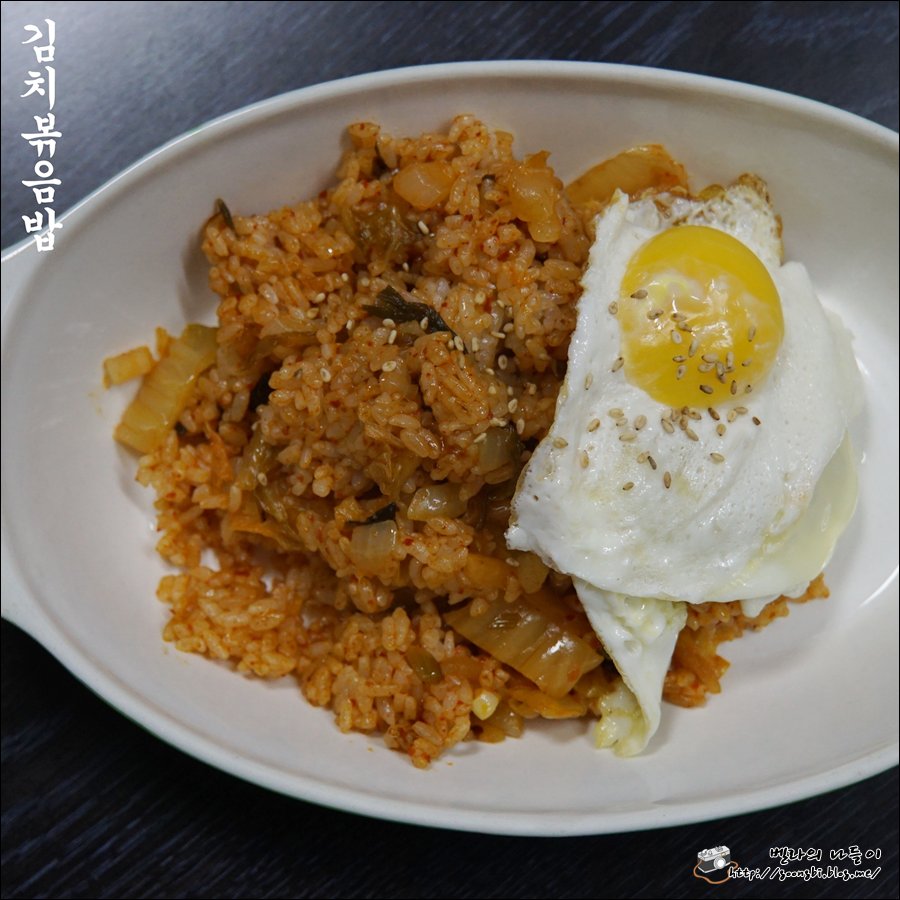
1. Kimchi Fried Rice (김치볶음밥): If you have leftover rice, kimchi, and an egg, you can make this in 10 minutes. It's the #1 recipe I recommend for complete beginners because it's nearly impossible to mess up. Chop kimchi, fry with rice, top with a fried egg. Done.
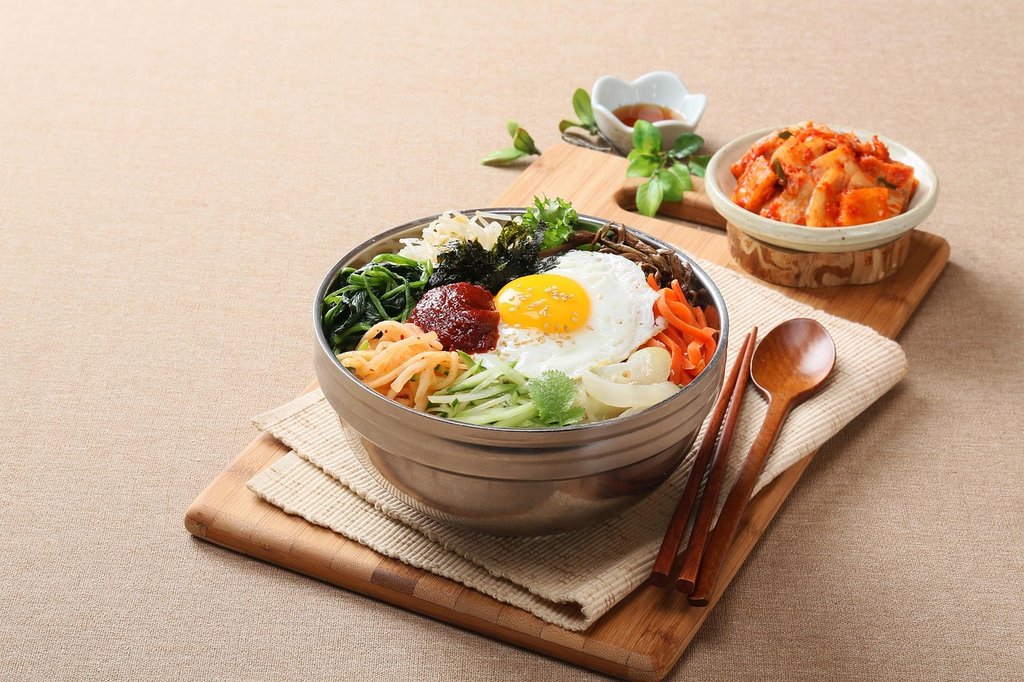
2. Bibimbap (비빔밥): A rice bowl topped with whatever vegetables and protein you have, plus gochujang sauce. It's more of an assembly job than actual cooking. You can start simple with just rice, a fried egg, some sautéed spinach, and carrots. Build from there as you gain confidence.
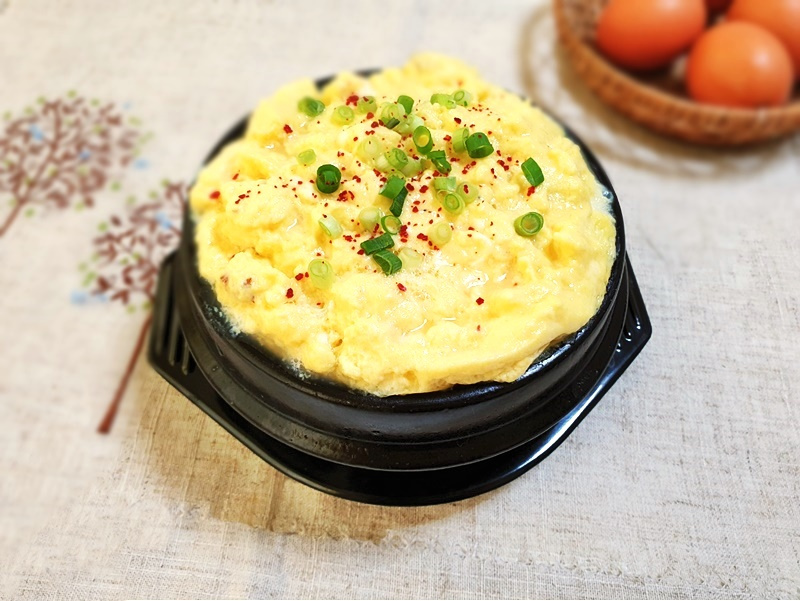
3. Gyeran-jjim (계란찜, steamed egg): Beaten eggs steamed in a pot with water, sesame oil, and green onions. It's Korean comfort food that takes 10 minutes and requires almost no skill. The texture is like a savory egg custard — fluffy and silky.
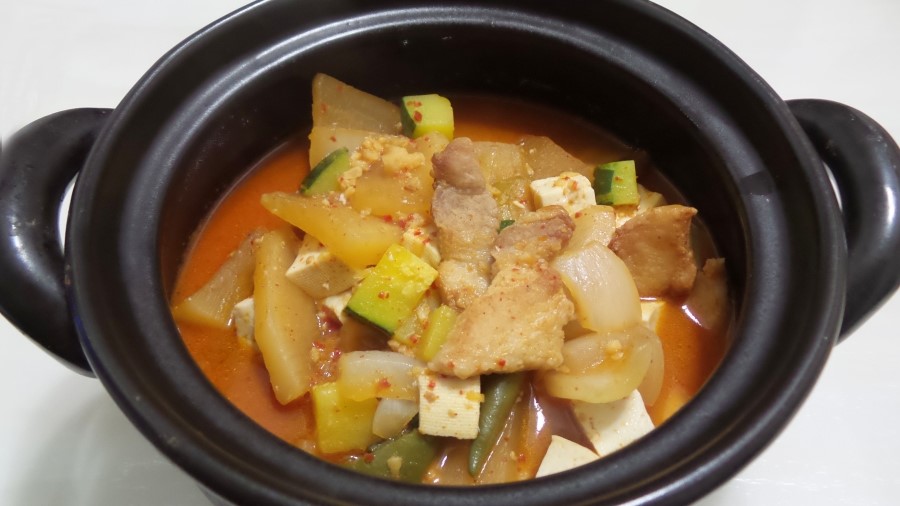
4. Doenjang-jjigae (된장찌개, soybean paste stew): Korea's everyday stew. Sauté garlic and vegetables, add water and doenjang, simmer for 15 minutes. It's forgiving, flexible, and tastes deeply comforting. Use whatever vegetables you have on hand.
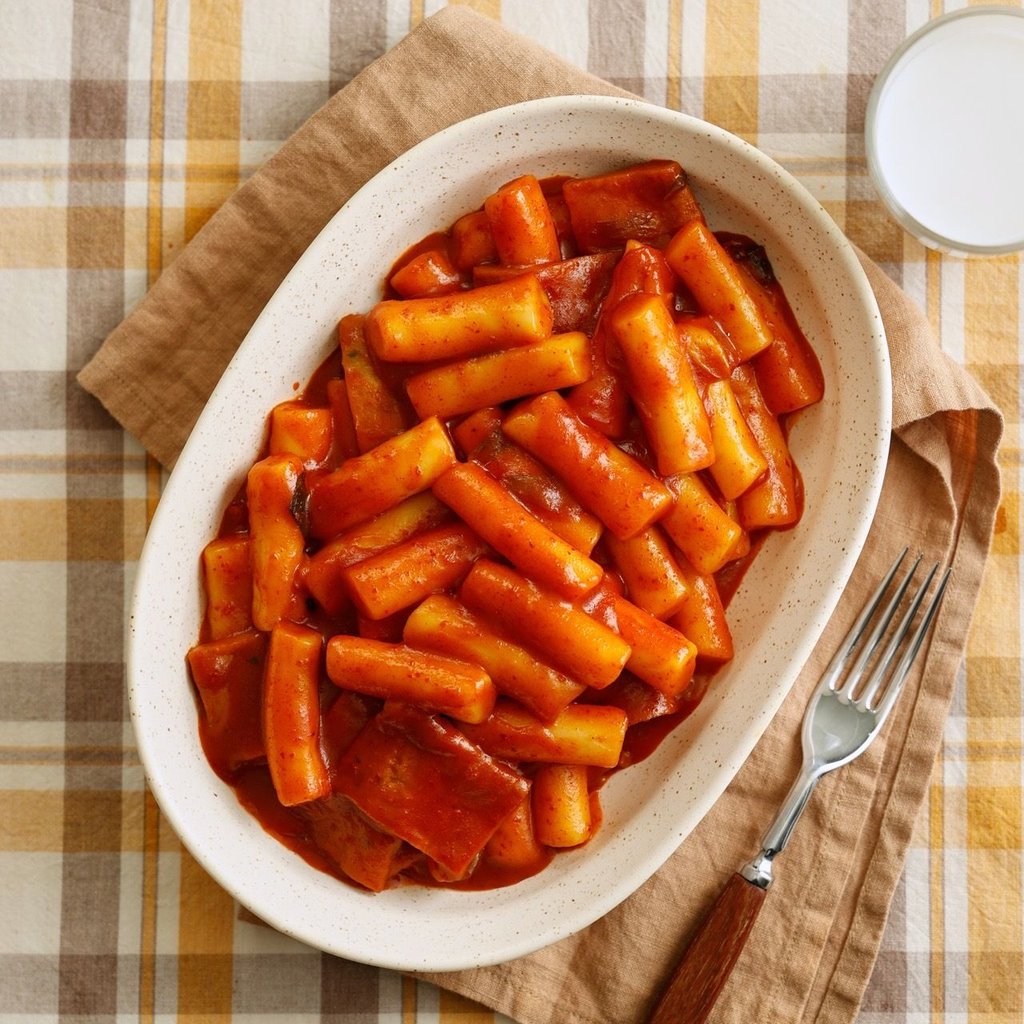
5. Tteokbokki (떡볶이, spicy rice cakes): Chewy rice cakes in a sweet-spicy gochujang sauce. Requires rice cakes (frozen from a Korean store), gochujang, gochugaru, sugar, and water. That's it. Takes 15 minutes and delivers huge flavor for minimal effort.
Each of these recipes teaches you something fundamental about Korean cooking — working with rice, using gochujang, making a stew base, or understanding how Korean flavors balance.
Common Beginner Mistakes
I made all of these when I started. Learn from my failures:
Using too little garlic: If a Korean recipe says 3 cloves of garlic, it means 3 generous cloves. Korean cooking is not subtle about garlic. When in doubt, use more.
Skipping the sesame oil at the end: That final drizzle of sesame oil before serving isn't optional. It's what makes the dish smell and taste Korean. Don't cook with it (it burns easily) — add it off-heat as a finishing touch.
Rushing jjigae (stews): Korean stews taste better the longer they simmer. Even 10 extra minutes makes a noticeable difference. The flavors need time to meld together.
Not seasoning rice: In bibimbap and many Korean dishes, the rice itself should have a drop of sesame oil and a pinch of salt mixed in. Plain, unseasoned rice tastes flat in these preparations.
Buying the wrong gochugaru: Make sure you get Korean chili flakes (고춧가루), not generic red pepper flakes or chili powder. They're completely different products with different flavors.
Overcrowding the pan: Korean stir-fries need high heat and space. If you pile too much into the pan, everything steams instead of searing. Cook in batches if needed.
Being scared of fermented ingredients: Doenjang, gochujang, and aged kimchi all smell strong. That's normal. The smell mellows dramatically during cooking and the flavor becomes rich and complex.
Korean Cooking Terms Glossary
You'll see these words constantly in Korean recipes. Here's what they actually mean:
- Jjigae (찌개): Stew. Thicker and more intensely flavored than soup. Served bubbling hot in a shared pot.
- Guk/Tang (국/탕): Soup. Lighter and more brothy than jjigae. Usually served as part of a meal, one bowl per person.
- Bokkeum (볶음): Stir-fry. Anything cooked quickly in a hot pan with oil.
- Namul (나물): Seasoned vegetable side dishes. Usually blanched or sautéed, then dressed with sesame oil, garlic, and salt.
- Banchan (반찬): Side dishes. The small plates that come with every Korean meal. Can be anything — pickles, vegetables, tofu, fish.
- Jeon (전): Pan-fried fritters or pancakes. Vegetables, seafood, or meat dipped in egg batter and fried.
- Bap (밥): Cooked rice. Also used to refer to a meal in general.
- Yangnyeom (양념): Seasoning or sauce. Often refers to a marinade or dressing made from multiple Korean condiments.
- Muchim (무침): Mixed or seasoned. Usually a vegetable or seafood tossed with a sauce or dressing.
- Jorim (조림): Braised. Food simmered in a flavorful sauce until it reduces and concentrates.
Where to Buy Korean Ingredients
You have more options than you might think:
Korean/Asian grocery stores: The best selection and usually the cheapest prices. H Mart is the biggest Korean chain in the US. Other common ones include Lotte Plaza, Zion Market, and local Korean marts. Even general Asian supermarkets (99 Ranch, Mitsuwa) stock Korean basics.
Regular supermarkets: Most major chains now stock soy sauce, sesame oil, gochujang, and sometimes gochugaru in the international aisle. Selection varies by location, but the basics are usually there.
Amazon: Everything is available online. Slightly more expensive, but convenient if you don't live near an Asian grocery. Gochugaru, gochujang, doenjang, rice cakes — all available with standard shipping.
Online Korean grocery stores: Weee!, Hmart.com, and Seoul Mills ship Korean ingredients directly. Great for specialty items you can't find locally.
My advice: make a trip to a Korean grocery store for your initial pantry stocking. Buy the big items (gochugaru, soy sauce, sesame oil, gochujang, doenjang) in one trip. After that, you can replenish individual items online or at regular stores as needed.
Your First Week Plan
If I were starting over from zero, here's what I'd do:
Day 1: Buy the 5 essential ingredients. Make kimchi fried rice for dinner. It takes 10 minutes and immediately shows you what Korean flavors can do.
Day 3: Make bibimbap. Prep 2-3 simple vegetable toppings (sautéed spinach, julienned carrots, bean sprouts) and assemble bowls with rice, gochujang sauce, and a fried egg.
Day 5: Try gyeran-jjim (steamed eggs). It's unlike anything in Western cooking and takes minimal ingredients.
Day 7: Make doenjang-jjigae. This teaches you the jjigae technique you'll use for dozens of other Korean stews.
By the end of one week, you'll have cooked four completely different styles of Korean food, used all your essential ingredients, and built enough confidence to tackle more complex recipes.
What to Cook Next
Once you're comfortable with the basics, branch out into:
- Tteokbokki — your introduction to working with rice cakes and making sauces from scratch
- Japchae — glass noodle stir-fry, teaches multi-component cooking
- Bulgogi — the iconic Korean BBQ that teaches marinating technique
- Kimchi-jjigae — the next-level stew that uses aged kimchi
Korean cooking is a rabbit hole in the best way. Each recipe teaches you techniques and flavor combinations that make the next one easier. The key is to start simple, nail the fundamentals, and build from there. Don't try to make kimchi from scratch in your first month. Get comfortable with the ingredients, learn how they interact, and let your confidence grow naturally.
You Might Also Like
Related Guides
Korean Pantry for Beginners — 10 Essentials
Stock your kitchen with these 10 Korean pantry essentials to make dozens of authentic dishes. Includes where to buy and starter recipes.
Korean Pantry Starter Kit — Everything You Need Under $50
Build a complete Korean pantry for under $50. Covers gochugaru, gochujang, doenjang, sesame oil — with brand picks and where to buy.
Korean Cooking Tools — What You Actually Need
Honest guide to Korean cooking tools. Covers rice cookers, ttukbaegi, dolsot, BBQ pans, and more — what to buy, skip, and where to find them.
Where to Buy Korean Ingredients (2026 Guide)
Find Korean cooking ingredients at H Mart, Amazon, Trader Joe's, and online. Includes budget tips, what to buy where, and money-saving strategies.
What Is Gochujang? Korean Chili Paste Guide
Everything about gochujang — Korean fermented red pepper paste, its heat levels, how it's made, cooking uses, and a complete buying guide.
Explore This Topic Further
Sesame Oil
Toasted sesame oil adds a nutty aroma to finished dishes. A few drops transform any Korean side dish.
Soy Sauce
Soy sauce seasons marinades, namul, soups, and sauces across Korean cooking. It is one of the site's most-used pantry ingredients.
Korean Recipes for Beginners
Start your Korean cooking journey with these beginner-friendly recipes. Simple ingredients, clear instructions, no prior experience needed.
Easy Korean Dinners for Weeknights
Quick and satisfying Korean dinner recipes ready in under 30 minutes. Perfect for busy weeknights.
K-Fridge
Already have some of these pantry staples?
Use K-Fridge to see which Korean recipes you can make tonight with the ingredients you already have at home.