Korean Pantry for Beginners — 10 Essentials
By Logan · Published 2026-04-17 · Updated 2026-05-10
When I first started cooking Korean food outside Korea, I made the mistake of buying everything at once. Fifteen bottles of sauce, three types of pepper flake, fermented this and pickled that. Most of it sat unused until it expired.
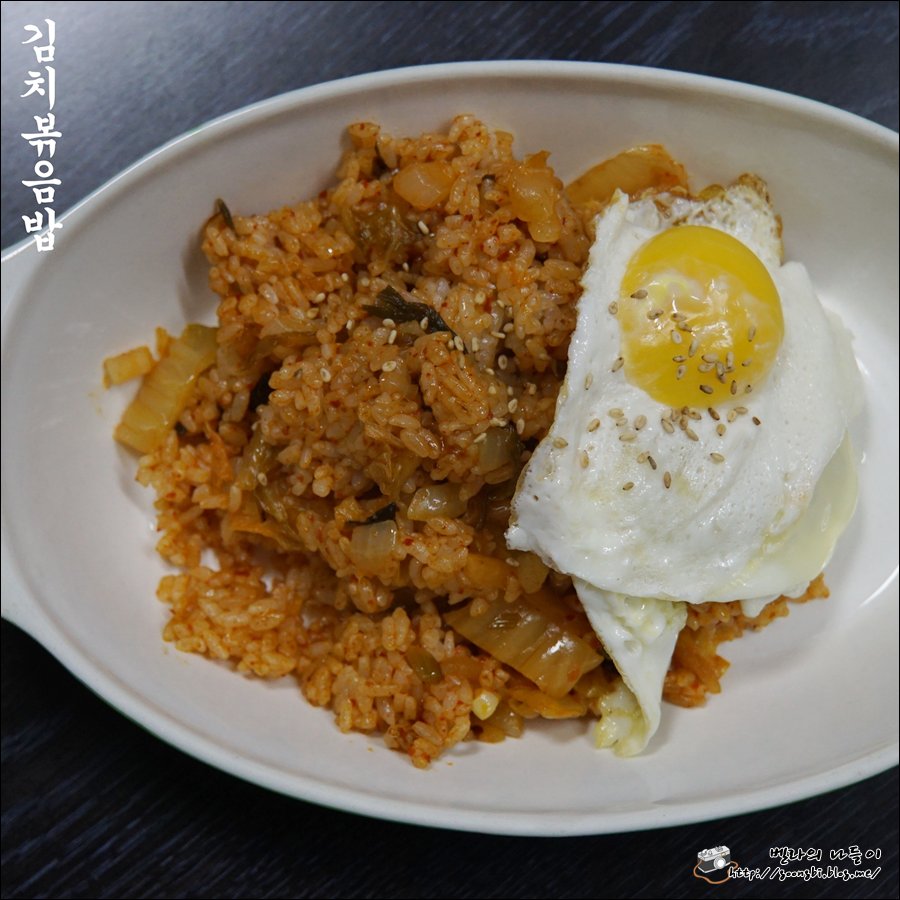
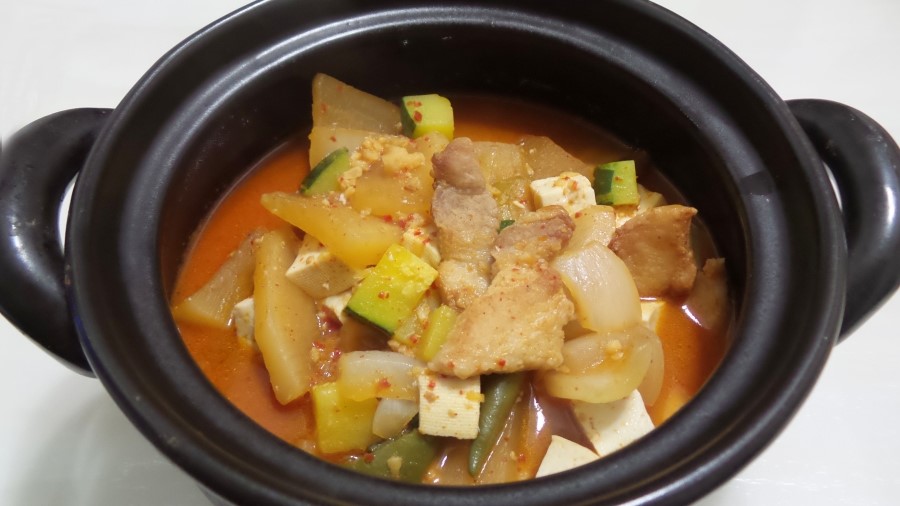
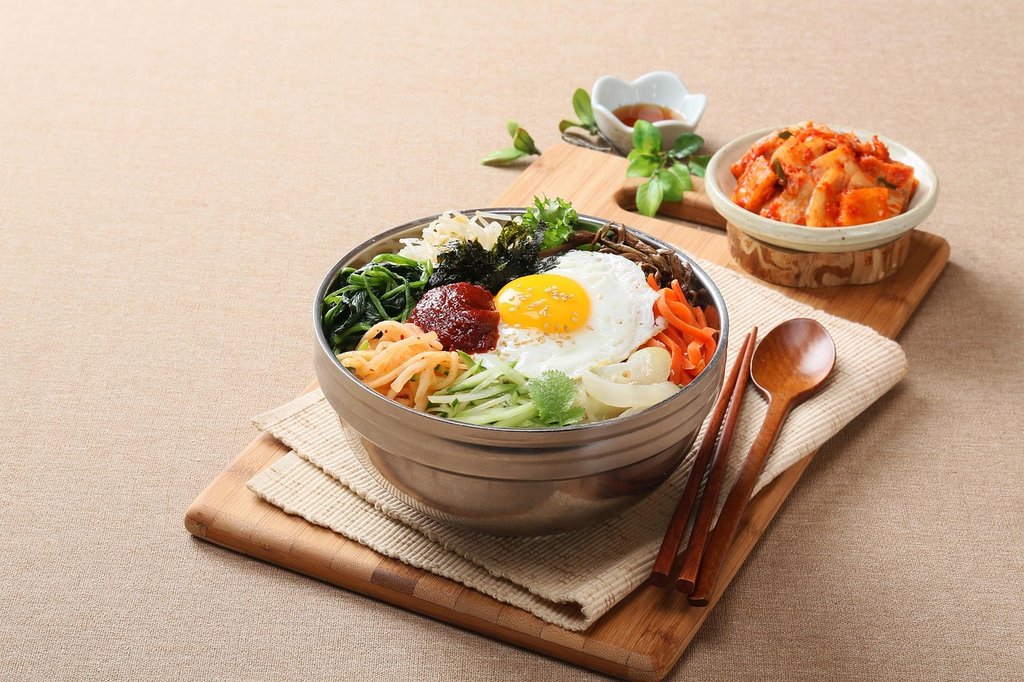
Here's what you actually need to get started. Ten ingredients. That's it. With these in your kitchen, you can make bibimbap, kimchi fried rice, doenjang jjigae, bulgogi, japchae, and dozens of other recipes without a single extra shopping trip.
I've organized these by importance — the first five are absolutely essential, and the last five round out your pantry for more variety.
1. Gochugaru (Korean Red Pepper Flakes) — $8-12
This is the backbone of Korean cooking. Not the same as regular chili flakes — gochugaru is sun-dried, coarsely ground, and has a slightly sweet, smoky quality. You'll use it in kimchi, stews, stir-fries, and most banchan. Buy the coarse flakes (not the fine powder) for most recipes.
Gochugaru comes in two cuts: coarse (for kimchi-making and visible flakes in dishes) and fine (for sauces and marinades where you want the heat distributed evenly). If you're only buying one, get the coarse — you can always grind it finer in a pinch.
Where to buy: H Mart, any Asian grocery store, or Amazon. Taekyung and Chung Jung One are reliable brands. A 1-pound bag runs about $8-12.
Storage: Keep it in the freezer for maximum freshness. It stays loose and scoopable even frozen, and the color and flavor last much longer than at room temperature.
Starter recipe: Sprinkle a teaspoon into any stir-fry with sesame oil for instant Korean flavor, or use it to make a quick kimchi-style cucumber salad.
2. Gochujang (Fermented Red Pepper Paste) — $5-7
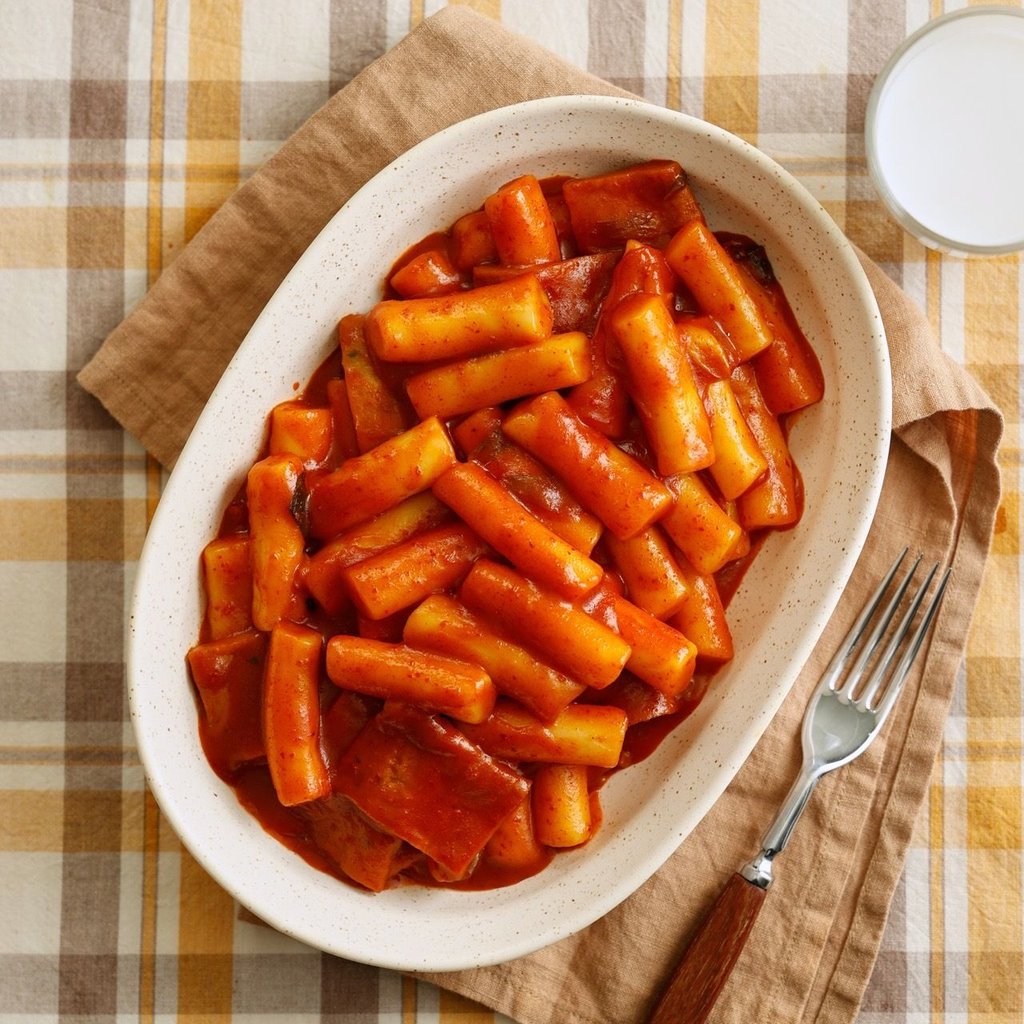
Thick, sweet, spicy, and fermented. Gochujang is what makes bibimbap sauce, tteokbokki sauce, and dozens of marinades. A small tub lasts months in the fridge. Start with a mild one if you're sensitive to heat.
This is the ingredient that makes Korean food taste uniquely Korean. The combination of fermented sweetness, heat, and umami is impossible to replicate with other hot sauces.
Where to buy: Most grocery stores now carry it. CJ Haechandle (the red container) is the most popular brand. Also available on Amazon.
Storage: Fridge after opening. Lasts over a year easily.
Starter recipe: Mix 2 tablespoons with sesame oil, soy sauce, and a touch of sugar — drizzle over any rice bowl for instant bibimbap sauce.
3. Doenjang (Fermented Soybean Paste) — $5-7
Deeper and earthier than Japanese miso. Doenjang is the base of doenjang jjigae, one of the most common home-cooked Korean soups. It's also mixed into dipping sauces and used in braised dishes. Not interchangeable with miso — the fermentation process is different and the flavor is bolder.
Where to buy: Korean grocery stores, Amazon. Sempio and Haechandle are the go-to everyday brands.
Storage: Fridge after opening. Lasts 6-12 months.
Starter recipe: Make doenjang jjigae — dissolve 2 tablespoons in broth with tofu, zucchini, and garlic. The simplest and most common Korean home-cooked meal.
4. Soy Sauce (Ganjang) — $4-8
Korean soy sauce tends to be lighter and saltier than Japanese soy sauce. For most recipes on this site, regular soy sauce works fine. If a recipe calls for 'guk-ganjang' (soup soy sauce), it means the lighter, saltier variety used specifically in soups and namul.
You don't need to buy Korean-brand soy sauce to start. Kikkoman works perfectly for most recipes. As you get more into Korean cooking, you might add a bottle of soup soy sauce (guk-ganjang) for seasoning soups without darkening the broth.
Where to buy: Any grocery store. Kikkoman is everywhere.
Storage: Room temperature. Basically lasts forever.
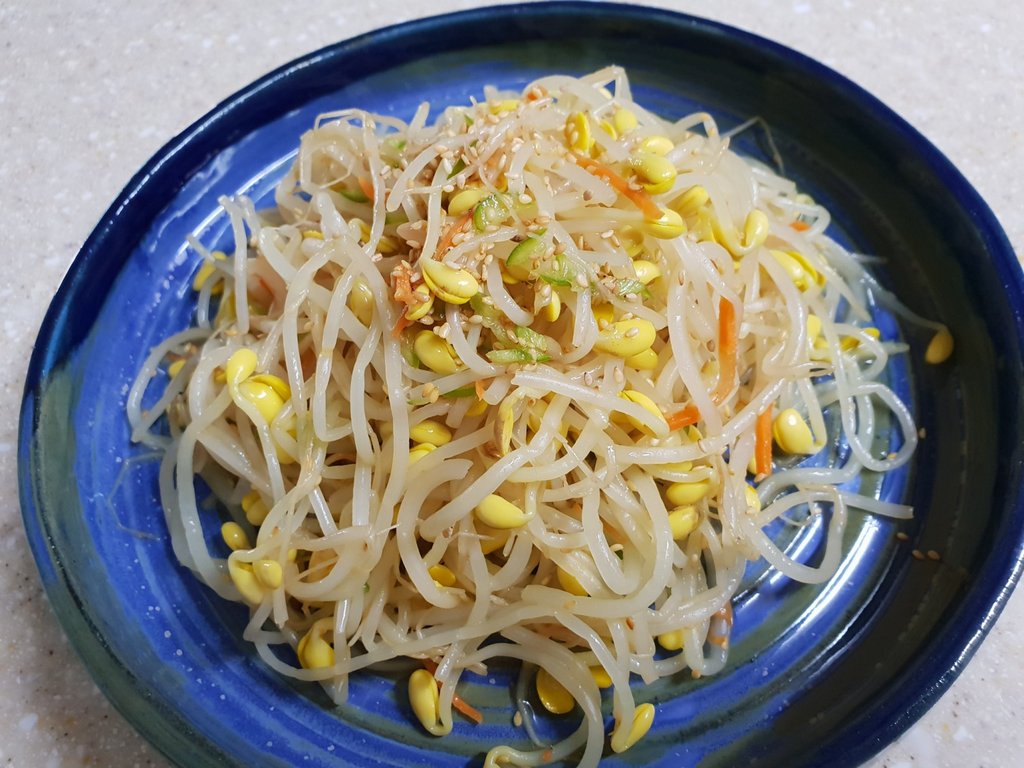
Starter recipe: Season any vegetables with a splash of soy sauce, sesame oil, and garlic for a basic namul (Korean vegetable side dish).
5. Sesame Oil (Toasted) — $6-8
Toasted sesame oil, specifically. A few drops transform any banchan. It goes in after cooking — high heat burns off the fragrance. This is the one ingredient that makes Korean food taste Korean. Don't skip it.
Make sure you're buying toasted (or roasted) sesame oil, not plain sesame oil. Plain sesame oil is a neutral cooking oil with none of the nutty aroma you need.
Where to buy: Any grocery store. Kadoya is the most common brand. Korean brands like Ottogi tend to be slightly more aromatic.
Storage: Cool, dark place. Lasts 6-12 months. The fridge is safest if you don't use it quickly.
Starter recipe: Drizzle over a bowl of rice with soy sauce and a fried egg — this alone is a satisfying Korean comfort meal.
6. Garlic — $1-3
Korean cooking uses more garlic per dish than almost any other cuisine. Fresh cloves, minced. Pre-minced garlic in a jar works for weeknight cooking. You'll go through it fast.
If a Korean recipe calls for 2 cloves of garlic, it usually means 2 generous Korean-sized cloves — which are bigger than what you typically find at American grocery stores. When in doubt, add more. Very few Korean dishes suffer from too much garlic.
Where to buy: Everywhere. For convenience, the pre-minced jars at Costco or your regular grocery store are perfectly fine.
Storage: Whole bulbs keep for weeks at room temperature. Pre-minced keeps for months in the fridge.
Starter recipe: Every recipe. Seriously, garlic goes in nearly everything.
7. Rice (Short-Grain White) — $5-10
Short-grain white rice. Calrose or any sushi-style rice works. Korean meals are built around a bowl of rice — the banchan and soups are accompaniments. A basic rice cooker makes this effortless.
The difference between short-grain and long-grain rice matters for Korean food. Short-grain is sticky and clumps together, which is what you want — it's easier to eat with chopsticks and pairs better with banchan.
Where to buy: Any grocery store. Nishiki, Kokuho Rose, and Calrose are all good options.
Storage: Cool, dry place. Uncooked white rice lasts essentially forever.
Starter recipe: Cook a pot of rice and serve it with any combination of banchan and a stew. That's a complete Korean meal.
8. Rice Vinegar — $3-5
Milder and slightly sweeter than other vinegars. Rice vinegar shows up in dipping sauces, pickled vegetables, bibim (mixed) dishes, and salad dressings. It's the acid component in a lot of Korean condiment sauces.
Where to buy: Any grocery store. Marukan is widely available and works perfectly.
Storage: Room temperature. Lasts indefinitely.
Starter recipe: Mix soy sauce, rice vinegar, sesame oil, and gochugaru for a quick dipping sauce for dumplings or pancakes.
9. Sesame Seeds (Toasted) — $3-5
These go on top of nearly everything as a finishing garnish. They add nutty flavor and visual appeal to any Korean dish. Buy them pre-toasted to save time.
Where to buy: Asian grocery stores for the best value. Ottogi sells pre-roasted sesame seeds. Also available at regular grocery stores, though in smaller quantities.
Storage: Fridge or freezer to prevent them from going rancid.
Starter recipe: Sprinkle generously over any banchan, rice bowl, or noodle dish.
10. Green Onions (Scallions) — $1-2
Korean cooking uses green onions constantly — as a garnish, a seasoning component, and even as a main ingredient in pajeon (scallion pancakes). Buy a bunch every time you shop and you'll always have them when you need them.
Where to buy: Every grocery store.
Storage: Wrap in a damp paper towel and store in the fridge. They last about a week. You can also stand them in a glass of water on the counter for a few days.
Starter recipe: Slice and scatter over literally any Korean dish you make. They add freshness and color to everything.
What About Kimchi?
Kimchi isn't a pantry staple in the same way — it's a prepared food. But if you're cooking Korean food regularly, keeping a jar of store-bought kimchi in your fridge is practical. Aged kimchi (the sour kind) is actually better for cooking than fresh. You'll use it in fried rice, stews, and pancakes.
Budget Guide: Building Your Pantry
You don't need to buy everything at once. Here's how to phase it in:
- Week 1 ($15-20): Soy sauce, sesame oil, garlic, rice, green onions. You can make egg rice, basic stir-fries, and simple namul with just these.
- Week 2 ($15-20): Gochujang and gochugaru. Now you can make bibimbap, tteokbokki sauce, and spicy stir-fries.
- Week 3 ($10-15): Doenjang, rice vinegar, sesame seeds. You can now make doenjang jjigae, proper dipping sauces, and complete banchan.
Total investment: about $40-55, and most of these will last months. Per-meal cost is extremely low once you're stocked up.
Where to Buy — Quick Reference
- H Mart / Korean grocery store: Best selection, best prices, freshest products. If you have one nearby, do your initial shopping trip here.
- Amazon: Best for shelf-stable items like gochugaru, gochujang, doenjang, and sesame oil. Convenient if no Korean store is nearby. Look for bundle deals.
- Regular grocery store (Kroger, Safeway, Whole Foods): Good for soy sauce, sesame oil, rice, rice vinegar, garlic. Some now carry gochujang too.
- Trader Joe's: Decent sesame oil, tofu, and they now sell their own gochujang. Limited but affordable.
What You Don't Need Yet
Resist the urge to buy everything. These can wait until you're cooking Korean food regularly:
- Fish sauce (used in some recipes, but not essential to start)
- Dried anchovies and kelp (for soup stock — use chicken broth as a substitute early on)
- Korean corn syrup (mulyeot) — sugar or honey works fine
- Mirin — not strictly necessary for most beginner recipes
- Multiple types of soy sauce — one bottle is fine to start
Start with the 10 essentials, make a few dishes, and expand your pantry based on what you actually cook. That's how you build a Korean pantry that gets used rather than one that expires in the back of a cabinet.
You Might Also Like
Related Guides
Korean Cooking for Beginners — Start Here
New to Korean cooking? Get the essential equipment, 5 must-have ingredients, easiest starter recipes, and tips to avoid common mistakes.
Korean Pantry Starter Kit — Everything You Need Under $50
Build a complete Korean pantry for under $50. Covers gochugaru, gochujang, doenjang, sesame oil — with brand picks and where to buy.
Where to Buy Korean Ingredients (2026 Guide)
Find Korean cooking ingredients at H Mart, Amazon, Trader Joe's, and online. Includes budget tips, what to buy where, and money-saving strategies.
What Is Gochujang? Korean Chili Paste Guide
Everything about gochujang — Korean fermented red pepper paste, its heat levels, how it's made, cooking uses, and a complete buying guide.
What Is Doenjang? Korean Fermented Soybean Paste Explained
Learn what doenjang is, how it differs from miso, health benefits, key recipes, and a buying guide for Korean fermented soybean paste.
Explore This Topic Further
Sesame Oil
Toasted sesame oil adds a nutty aroma to finished dishes. A few drops transform any Korean side dish.
Soy Sauce
Soy sauce seasons marinades, namul, soups, and sauces across Korean cooking. It is one of the site's most-used pantry ingredients.
Korean Recipes for Beginners
Start your Korean cooking journey with these beginner-friendly recipes. Simple ingredients, clear instructions, no prior experience needed.
Easy Korean Dinners for Weeknights
Quick and satisfying Korean dinner recipes ready in under 30 minutes. Perfect for busy weeknights.
K-Fridge
Already have some of these pantry staples?
Use K-Fridge to see which Korean recipes you can make tonight with the ingredients you already have at home.