What Is Gochujang? Korean Chili Paste Guide
By Logan · Published 2026-04-17 · Updated 2026-05-10
Gochujang might be the single most recognizable Korean ingredient in the world right now. That red tub with the Korean writing has made its way into mainstream grocery stores, food blogs, and even fast food menus. But a lot of people buy it, use it once, and then leave it sitting in the back of the fridge because they're not quite sure what else to do with it.
I want to change that. Gochujang is one of the most versatile condiments you can own, and once you understand what it is and how it works, you'll find yourself reaching for it constantly.
What Gochujang Is
Gochujang is a thick, sticky fermented paste made from four key components: gochugaru (Korean red pepper flakes), glutinous rice, fermented soybean powder (meju), and salt. These ingredients are mixed together and left to ferment — traditionally in earthenware pots called onggi, sitting outdoors for months or even years.
The fermentation does something magical. The glutinous rice breaks down into sugars, giving gochujang a natural sweetness. The soybean component adds deep umami. And the gochugaru provides a warm, building heat that's never aggressive. The result is a paste that's simultaneously sweet, savory, spicy, and slightly funky — all at once.
This complexity is what makes gochujang so useful. It's not just a hot sauce. It's a complete flavor system in one ingredient.
The History of Gochujang
Gochujang has been part of Korean cuisine for centuries, but its history is more complicated than most people realize. Chili peppers are not native to Korea — they arrived from the Americas via Portuguese and Japanese trade routes sometime in the late 1500s or early 1600s. Before that, Korean fermented pastes existed but without the chili component.
Once peppers arrived, Koreans quickly adapted their existing fermentation traditions to incorporate them. The earliest written records of gochujang appear in the 1700s, and by the 1800s it had become a household staple across the peninsula. Every region developed its own variation, and families passed recipes down through generations.
Traditionally, gochujang was made once a year in early spring. Families would prepare large batches, pack them into onggi pots, and set them outside on a stone platform called a jangdokdae. The pots sat in direct sunlight through summer, with the heat accelerating fermentation. Many rural families in Korea still follow this practice today, though most urban Koreans buy commercially produced gochujang.
The traditional process takes months. Commercial production has shortened this considerably using controlled fermentation environments, which is why mass-produced gochujang tastes different from artisanal versions.
How Gochujang Is Made
The traditional process starts with cooking glutinous rice (or sometimes barley or wheat) into a thick porridge. This porridge is mixed with meju powder (dried fermented soybean blocks that have been ground), gochugaru, salt, and sometimes a bit of grain syrup or honey. The mixture is packed into onggi pots and covered with a breathable lid.
Over the following months, several things happen simultaneously. Enzymes from the meju break down the starches in the rice into sugars, creating natural sweetness. Beneficial bacteria produce lactic acid, adding tanginess. The chili peppers meld with everything else, and the entire paste develops a complex depth that's impossible to replicate with shortcuts.
Modern commercial production uses similar ingredients but in a controlled factory environment with standardized fermentation times. Some brands add corn syrup or sugar to boost sweetness and reduce fermentation time. This isn't necessarily bad — it produces a consistent, approachable product — but it's worth knowing the difference when you're shopping.
How Spicy Is Gochujang? Understanding Heat Levels
Gochujang comes in different heat levels, usually marked on Korean brands with a number system from 1 (mild) to 5 (very hot). Most commonly available gochujang is in the 2-3 range, which is moderately spicy — enough to add warmth but not enough to make you sweat.
Here's a rough guide to the heat levels:
- Level 1 (Mild): Barely spicy. Good for children or people who are very sensitive to heat. You'll taste mostly sweetness and umami.
- Level 2 (Medium-Mild): Gentle warmth. This is what most first-time buyers should start with. You can use it generously without overwhelming a dish.
- Level 3 (Medium): The most common level on store shelves. Noticeable heat that adds warmth without dominating. This is what most recipes assume you're using.
- Level 4 (Hot): Serious heat. Use this if you enjoy spicy food and want the heat to be a prominent feature of the dish.
- Level 5 (Very Hot): Uncommon in regular stores. This is for people who actively seek out heat.
The heat in gochujang is different from something like a hot sauce. It builds slowly and sits in the background rather than hitting you immediately. This makes it very forgiving — even if you add a bit too much, it rarely ruins a dish.
If you're new to gochujang, start with a tablespoon in a sauce or stew and adjust from there. You can always add more, but you can't take it out.
Gochujang vs Sriracha
People often compare these two, but they're fundamentally different. Sriracha is a vinegar-based hot sauce made from fresh chili peppers. It's sharp, tangy, and one-dimensional in its heat. It hits you right away and fades quickly.
Gochujang is fermented, thick, and complex. It has sweetness, umami depth, and a slow-building warmth. You can't drizzle gochujang on a taco the way you would sriracha — it's too thick and too concentrated. But you can build an entire sauce or marinade around it.
They're not substitutes for each other. They do completely different things. Sriracha adds sharp heat to a finished dish. Gochujang is a foundational ingredient you build a dish around.
Gochujang vs Sambal Oelek
Sambal oelek is another common comparison. It's an Indonesian chili paste made from ground fresh peppers, vinegar, and salt. Like sriracha, it's straightforward heat without the fermented complexity of gochujang. Sambal oelek is a reasonable substitute when you need chili heat in a recipe, but it won't replicate the sweetness and depth that gochujang brings.
How to Use Gochujang in Cooking
Here's where it gets fun. Gochujang works in far more situations than most people realize:
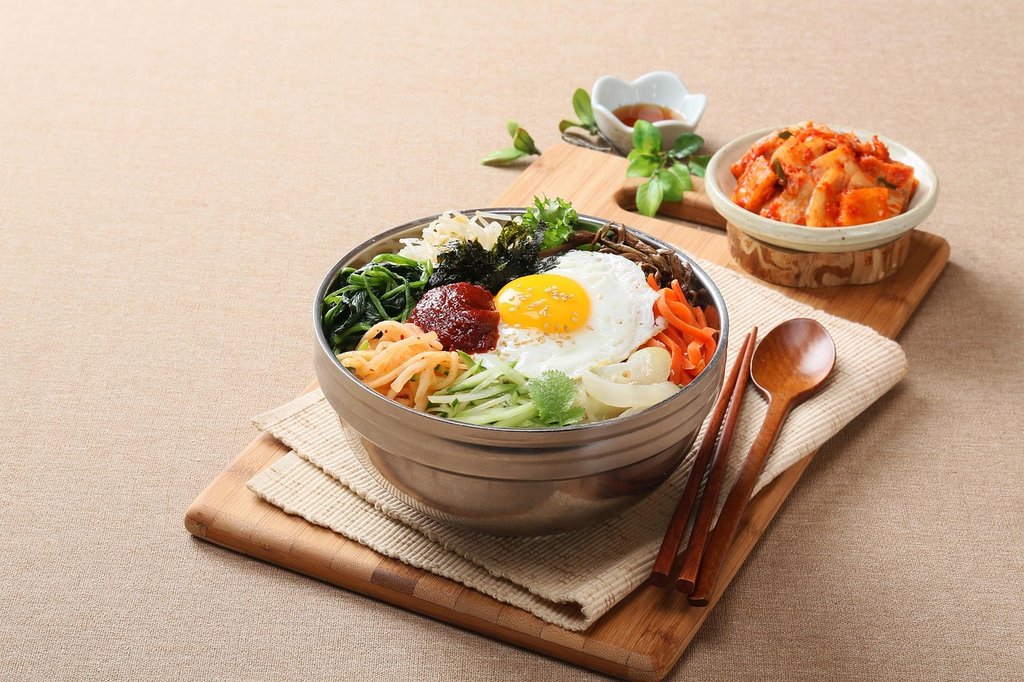
- Bibimbap sauce: The classic use. Mix gochujang with a little sesame oil, vinegar, and sugar for the sauce that goes on top of bibimbap. This is probably the simplest way to experience what gochujang can do.
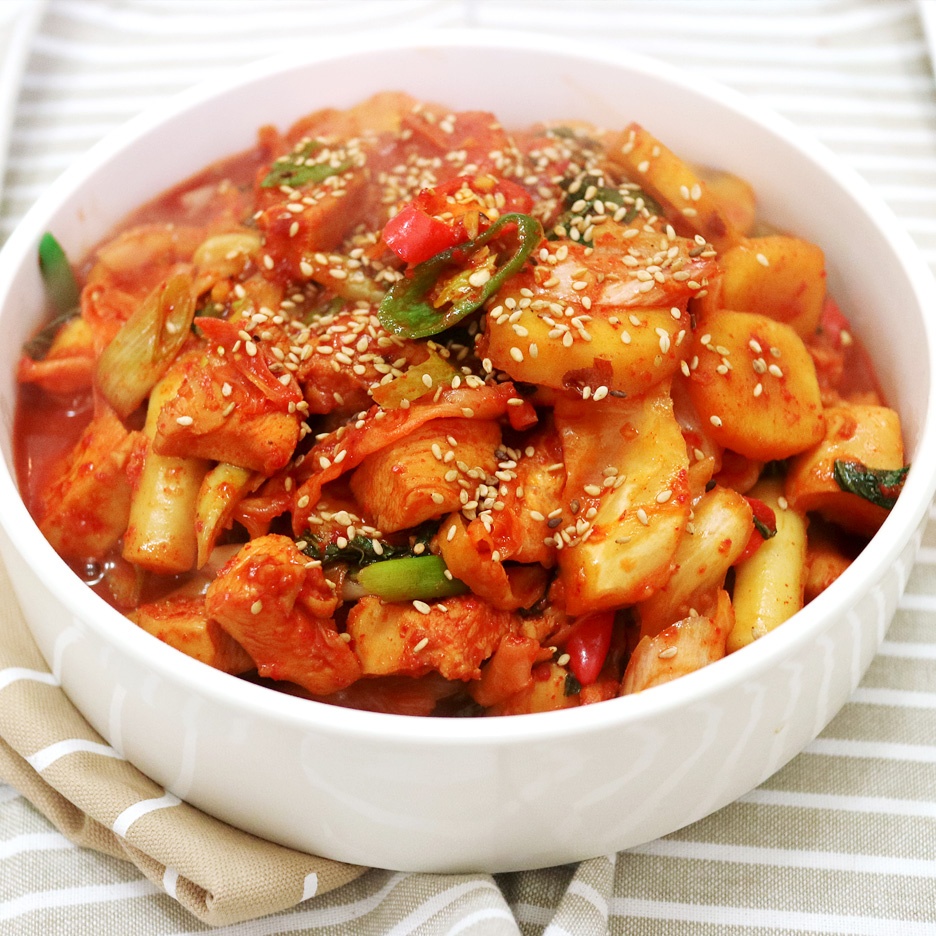
- Stir-fry sauce: Thinned out with a splash of soy sauce and rice wine, gochujang becomes an excellent stir-fry sauce. Dakgalbi (spicy chicken stir-fry) is built entirely on this concept.
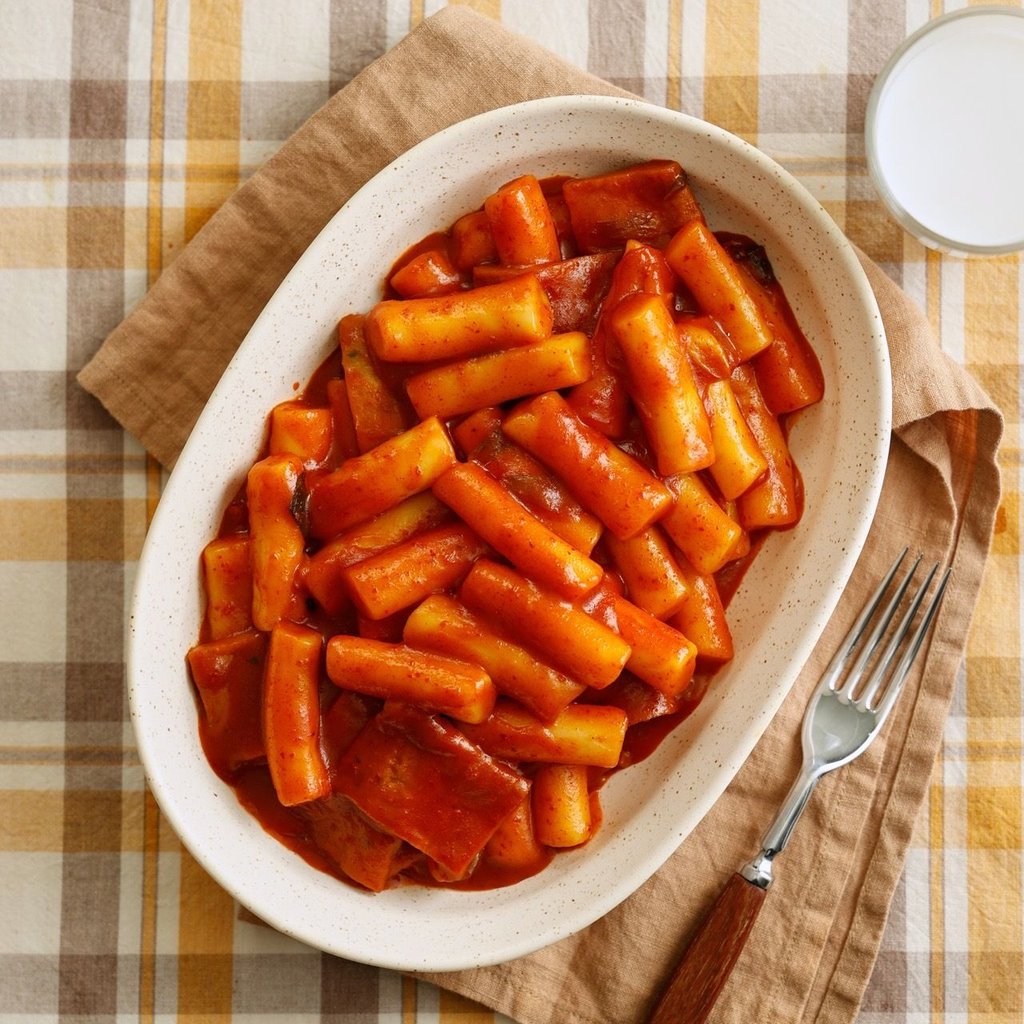
- Tteokbokki sauce: The sweet-spicy sauce coating those chewy rice cakes? That's gochujang, thinned with water or broth and sweetened with sugar or corn syrup.
- Marinades: Mix with soy sauce, garlic, sesame oil, and a little sugar for a quick marinade for chicken, pork, or tofu.
- Dipping sauce: Combine with vinegar and sugar for cho-gochujang, a tangy dipping sauce for raw fish, vegetables, or Korean pancakes.
- Soup and stew base: A spoonful of gochujang adds depth and color to soups and jjigae (stews).
- Glaze for roasted vegetables: Mix with honey and sesame oil, toss with vegetables before roasting. The sugars caramelize and create an incredible sticky coating.
- Burger sauce: Mix with mayo for an instant spicy-sweet spread that works on burgers, sandwiches, and wraps.
- Salad dressing: Whisk with rice vinegar, sesame oil, and a touch of honey for a Korean-style vinaigrette.
Non-Korean Uses for Gochujang
Gochujang has crossed over into all kinds of cuisines. Here are some ways to use it outside of Korean cooking:
- Pizza dipping sauce: Mix with a bit of honey. The sweet-spicy combination works surprisingly well with melted cheese.
- Pasta: Stir a spoonful into tomato sauce for depth and gentle heat. It works especially well with creamy pasta dishes.
- Grilled cheese: Spread a thin layer on the bread before grilling. It adds a subtle kick that complements melted cheese.
- Bloody Mary: Replace hot sauce with a teaspoon of gochujang dissolved into the mix. The fermented complexity makes a better drink.
- Avocado toast: A small smear of gochujang under the avocado adds warmth without overpowering.
Choosing a Gochujang Brand — Buying Guide
The two most widely available brands are Haechandle (CJ, the one in the red tub) and Sempio. Both are solid everyday choices. They're mass-produced and contain some corn syrup, which is fine for cooking.
Best for everyday cooking: CJ Haechandle Medium Hot (the standard red container). It's consistent, affordable, and available everywhere from H Mart to Amazon. The 500g tub is the best value for home cooks — large enough to last months but small enough to stay fresh.
Best for beginners: Sunchang Mild. Lower heat level makes it more forgiving when you're learning how much to use.
Best premium option: Look for brands that list only gochugaru, glutinous rice, meju powder, and salt in the ingredients. These artisanal versions have deeper flavor and less sweetness. They cost more but the difference is noticeable, especially in simple preparations where gochujang is the star. Brands like O'Food Sunchang Traditional are a good middle ground.
What to avoid: Products with a very long ingredient list that includes multiple types of corn syrup, artificial colors, or preservatives. A few additives are fine in mass-market brands, but if the list is longer than 8-10 ingredients, the flavor will be less complex.
How to Store Gochujang
Gochujang is extremely shelf-stable thanks to its salt content and fermentation. Store it in the refrigerator after opening and it will keep for well over a year — often two years or more with no issues.
The paste may darken slightly over time and the flavor can deepen, but this is a feature, not a bug. As long as it smells normal (fermented and a little sweet), it's perfectly fine to use.
One tip: keep the lid clean. Gochujang is sticky, and residue around the rim can attract mold. Wipe the edge with a clean paper towel before sealing the container.
If you buy a large container and won't use it quickly, you can scoop some into a smaller jar for everyday use and keep the main container sealed. This reduces the number of times you expose the bulk container to air.
Can you freeze gochujang? You can, but there's really no need. It lasts so long in the fridge that freezing is unnecessary for most home cooks.
Start Here
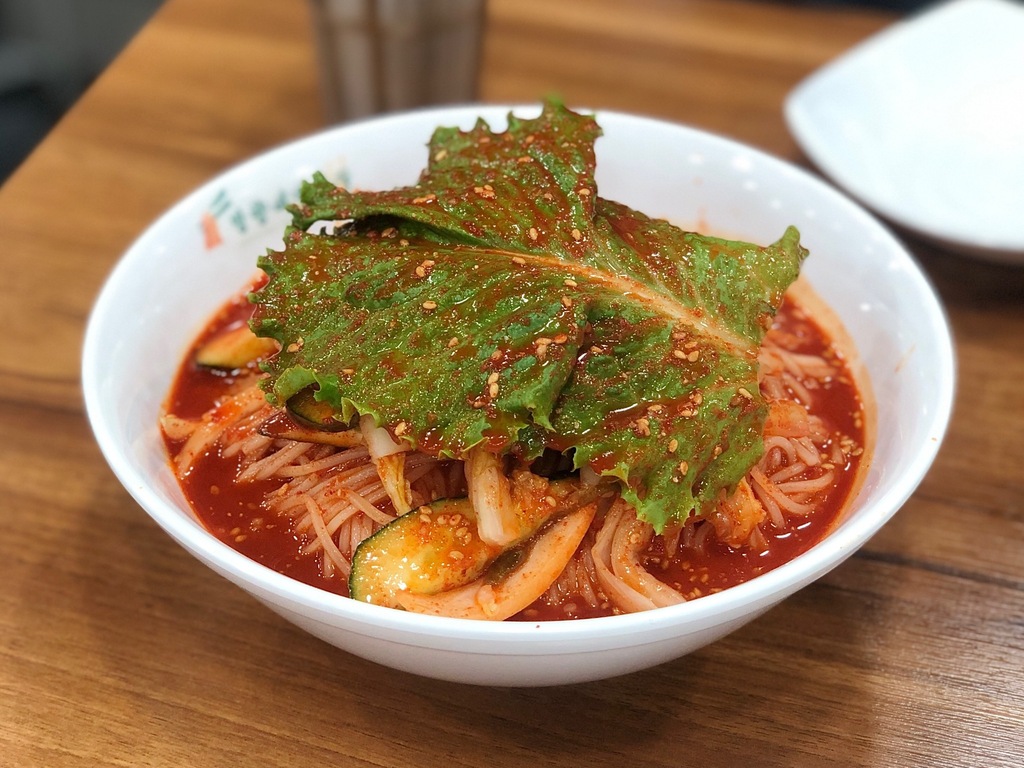
If you've never used gochujang before, I'd suggest starting with bibimbap or bibim-guksu (spicy mixed noodles). Both recipes let you taste what gochujang does without masking it with other strong flavors. From there, try it in a stir-fry or a stew. Within a week, you'll understand why this paste has earned its place in kitchens around the world.
The most important thing is to not let that tub sit unused. Gochujang rewards experimentation — add a spoonful to whatever you're cooking tonight and see what happens. Chances are, it'll make it better.
You Might Also Like

Related Guides
8 Best Gochujang Brands (2026) — From Mild to Extra Hot, Ranked
Comparing 8 gochujang brands by heat, sweetness, texture, and price. Find the best Korean chili paste for your cooking level and favorite recipes.
9 Best Gochujang Substitutes — DIY Blends That Actually Work
Out of gochujang? These 9 DIY blends using sriracha, miso, harissa, sambal oelek, and more get surprisingly close to the real thing in Korean recipes.
How to Use Gochujang — 12 Easy Ways
Not sure what to do with gochujang? Here are 12 ways to use Korean chili paste — from classic Korean recipes to burgers and everyday cooking.
Gochujang vs Gochugaru — Differences Explained
Gochujang and gochugaru are both Korean red pepper products but totally different. Learn how they compare in flavor, heat, and when to use each.
What to Cook with Gochujang — 14 Easy Ways to Use It
Bought a tub of gochujang and not sure what to do with it? Here are 14 ways to use Korean chili paste — beginner-friendly Korean dishes plus non-Korean uses.
Explore This Topic Further
Gochujang
Korean fermented red pepper paste — sweet, spicy, and essential for bibimbap, tteokbokki, and dozens of marinades.
Soy Sauce
Soy sauce seasons marinades, namul, soups, and sauces across Korean cooking. It is one of the site's most-used pantry ingredients.
Spicy Korean Recipes
Korean recipes that bring the heat — from tteokbokki to kimchi jjigae. Sorted by spice level.
Easy Korean Dinners for Weeknights
Quick and satisfying Korean dinner recipes ready in under 30 minutes. Perfect for busy weeknights.
K-Fridge
Already have some of these pantry staples?
Use K-Fridge to see which Korean recipes you can make tonight with the ingredients you already have at home.