How to Use Gochujang — 12 Easy Ways
By Logan · Published 2026-05-10 · Updated 2026-05-10
You bought a tub of gochujang. Maybe you used it for one recipe — tteokbokki or bibimbap — and now it's sitting in the back of your fridge. I get it. That container looks like it'll last forever, and you're not sure what else to do with it.
Here's the thing: gochujang might be the most versatile condiment in my entire kitchen. It works in Korean food, obviously, but it also goes into burgers, salad dressings, roasted vegetables, and basically anything that needs a hit of sweet-spicy-savory flavor. I use mine multiple times a week, and I'm not even cooking Korean food most of those times.
Here are 12 ways I actually use gochujang, from traditional Korean applications to things that would make a Korean grandmother raise an eyebrow.
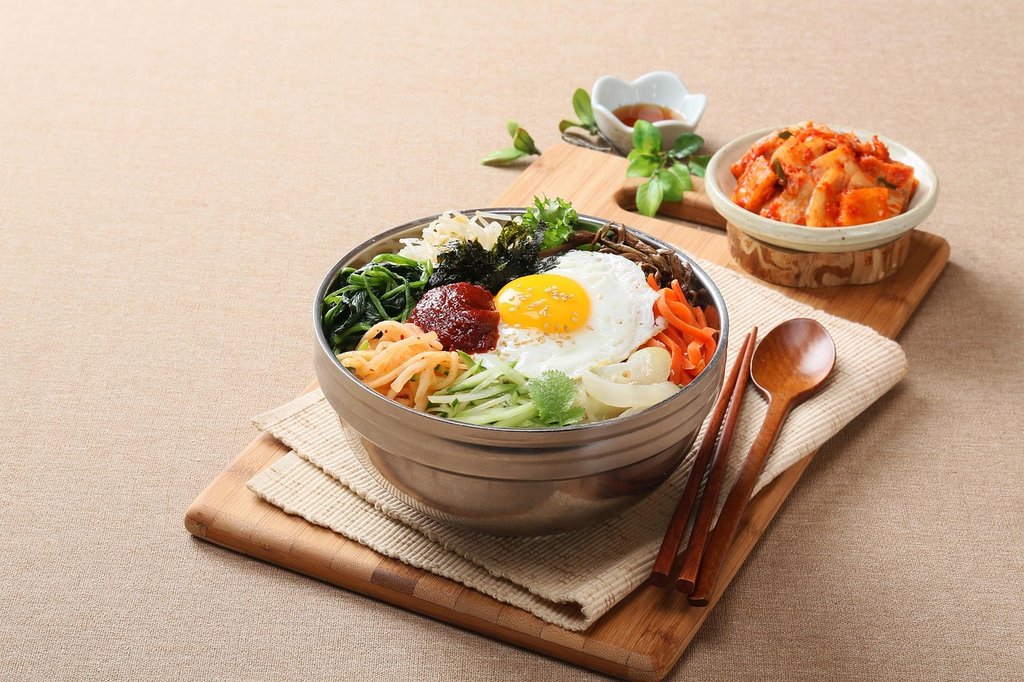
1. Bibimbap Sauce
This is probably the most classic use of gochujang, and it's dead simple. Mix gochujang with sesame oil, a little rice vinegar, and a drizzle of sugar or honey. That's your bibimbap sauce — the red stuff you swirl into the rice bowl before mixing everything together.
My go-to ratio: 2 tablespoons gochujang, 1 tablespoon sesame oil, 1 teaspoon rice vinegar, 1 teaspoon sugar. Adjust heat by adding more or less gochujang. This sauce also works as a dip for vegetables or dumplings.
The key is that gochujang is thick enough to cling to every grain of rice when you mix it. No other hot sauce does this as well.
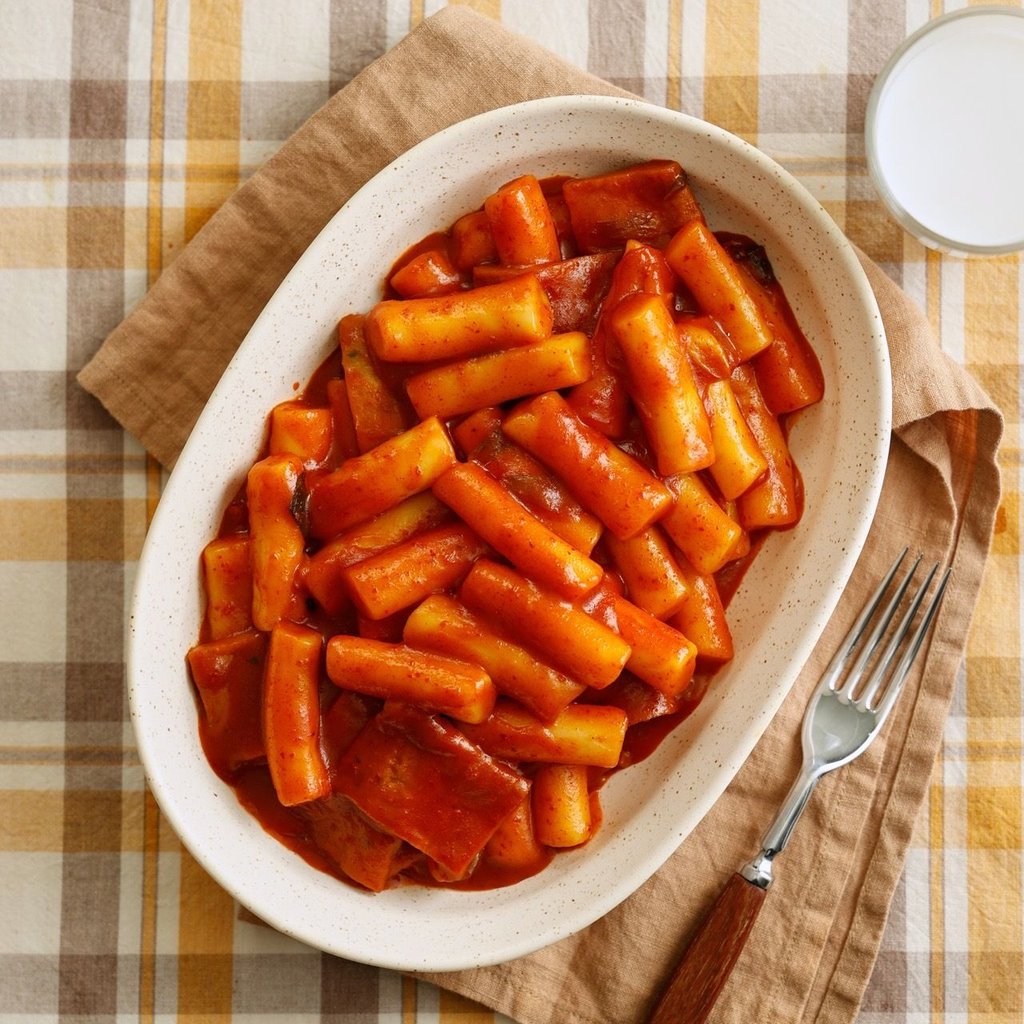
2. Tteokbokki Base
Tteokbokki — those chewy spicy rice cakes — gets its signature flavor from gochujang. The paste melts into the cooking liquid and creates a thick, glossy, sweet-spicy sauce that coats the rice cakes.
Most tteokbokki recipes use gochujang plus gochugaru (chili flakes) together. The gochujang provides sweetness, body, and umami, while the flakes add extra heat and color. You can adjust the ratio based on how spicy you want it.
This is one recipe where gochujang is truly irreplaceable. Nothing else gives you that specific combination of thick texture, red color, and sweet-heat flavor.
3. Meat Marinades
Gochujang-based marinades work on practically any protein. The paste clings to meat, the sugars in it caramelize on the grill or in a hot pan, and the fermented flavor penetrates deep into the protein.
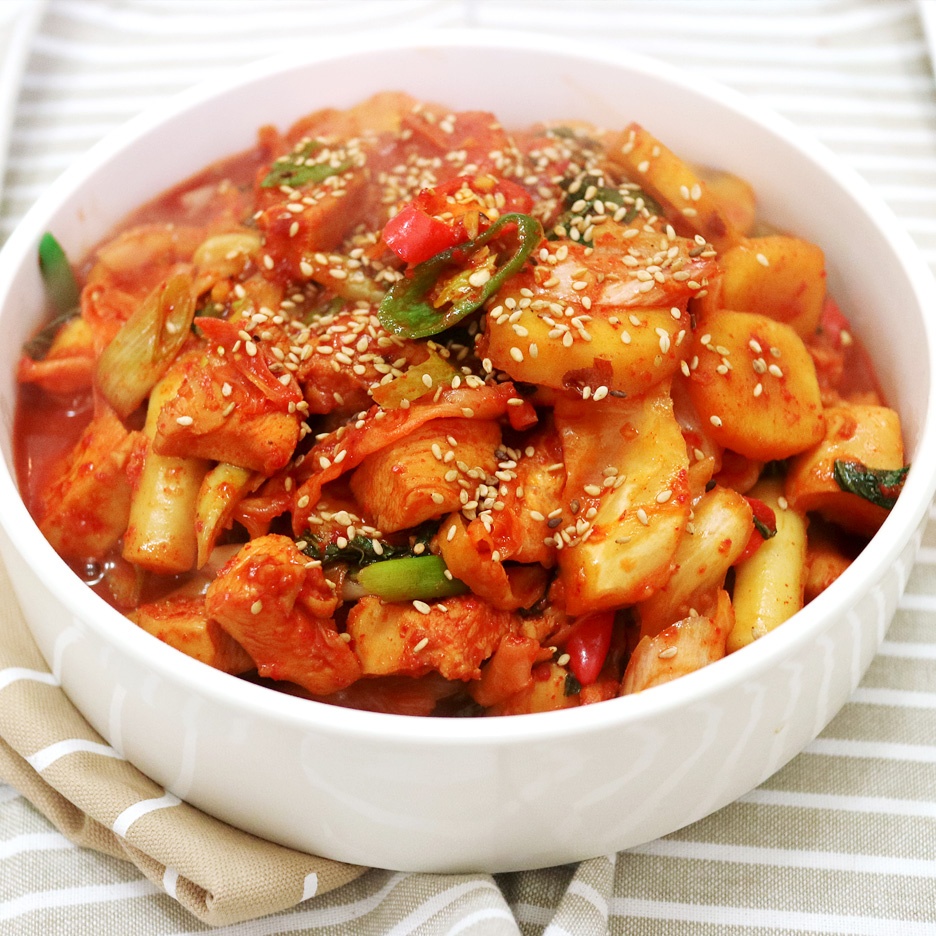
For chicken (dakgalbi-style): Mix gochujang with soy sauce, garlic, ginger, sugar, and sesame oil. Marinate for at least 30 minutes, preferably a few hours.
For pork: Gochujang + doenjang (soybean paste) + garlic + rice wine. This combo is incredible on pork shoulder or belly.
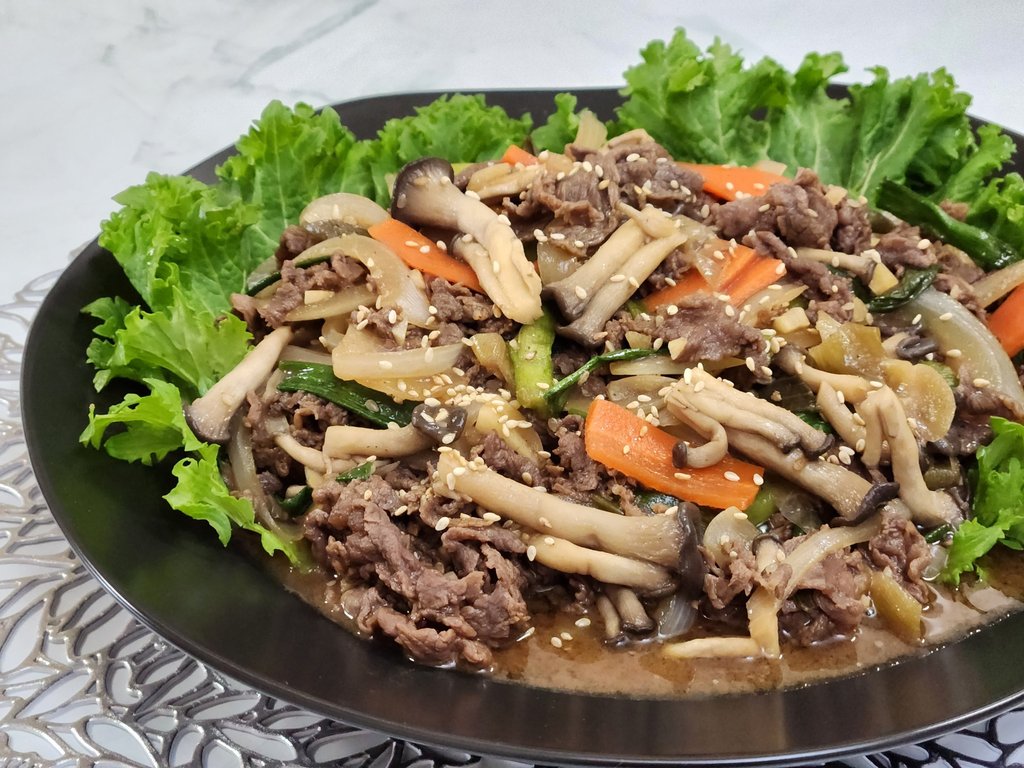
For beef: Go lighter on the gochujang and add more soy sauce and pear juice (or sugar). You want the beef flavor to come through.
The caramelization is what makes gochujang marinades special. The sugars in the paste brown beautifully under high heat, creating crispy, slightly charred edges.
4. Stew and Soup Base
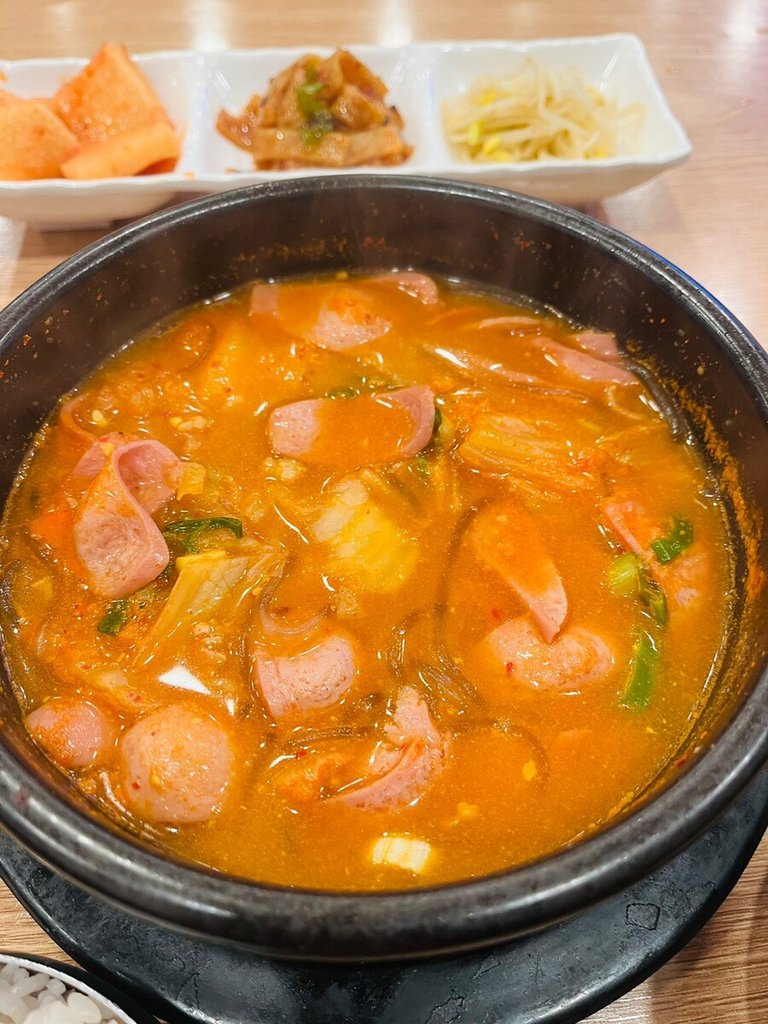
A spoonful of gochujang transforms any broth. Drop it into budae-jjigae (army stew), sundubu-jjigae (soft tofu stew), or really any Korean soup that needs spicy depth.
The paste dissolves completely into hot liquid, thickening the broth slightly and giving it a rich red color. Unlike just adding chili flakes, gochujang also contributes umami and a rounded sweetness that makes the whole stew taste more complete.
Start with 1 tablespoon per serving of soup and adjust from there. Remember it adds salt, so taste before adding soy sauce or salt separately.
5. Stir-Fry Sauce
When I need a quick weeknight stir-fry sauce, gochujang is my shortcut. It already has sweetness, salt, heat, and umami built in — you just need to thin it out.
Quick stir-fry formula: 1 tablespoon gochujang + 1 tablespoon soy sauce + 1 teaspoon sugar + 2 tablespoons water. Whisk until smooth, then pour into your stir-fry in the last 2 minutes of cooking. It coats vegetables and protein evenly and reduces into a glossy sauce fast.
This works with any vegetable combination — zucchini, mushrooms, peppers, onions. Add some sliced pork or tofu and you have dinner in 15 minutes.
6. Dipping Sauce (Cho-Gochujang)
Mix gochujang with vinegar and sugar, and you get cho-gochujang — a tangy, sweet, spicy dipping sauce that Koreans use for everything from raw fish to blanched vegetables to dumplings.
Basic ratio: 2 tablespoons gochujang, 1 tablespoon rice vinegar, 1 tablespoon sugar, 1 teaspoon sesame oil. Mix until smooth. Some people add a little mustard for extra kick.
This is a great gateway sauce for people who think they don't like spicy food. The vinegar and sugar balance the heat perfectly, and the fermented umami makes it addictive.
7. Burger Patties and Meatloaf
Here's where gochujang crosses over into non-Korean territory. Mix a tablespoon directly into your ground beef or turkey before forming patties. The paste seasons the meat from the inside, adds moisture, and creates incredible caramelization on the exterior.
For burgers: 1 tablespoon gochujang per pound of ground meat. Mix gently — don't overwork. Grill or pan-fry as normal. The sugars in the gochujang will caramelize and create a slightly sweet, spicy crust.
Top with pickled onions and a fried egg for the full effect. This is one of those tricks that makes people ask what your secret ingredient is.
8. Roasted Vegetables
Toss vegetables with a mixture of gochujang, oil, and a touch of honey before roasting. The paste chars slightly in the oven, creating those crispy, caramelized edges that make roasted vegetables addictive.
Works especially well with: cauliflower, Brussels sprouts, sweet potatoes, carrots, and broccoli. The natural sweetness of these vegetables complements the sweet-spicy paste.
Mix: 1 tablespoon gochujang + 2 tablespoons olive oil + 1 teaspoon honey + pinch of salt. Toss with vegetables, spread on a sheet pan, roast at 425°F (220°C) until charred in spots. This has become one of my go-to side dishes for any meal, Korean or not.
9. Salad Dressing
Thin gochujang with rice vinegar and sesame oil for an instant salad dressing that's more interesting than anything you'll buy in a bottle. It works particularly well on grain bowls, noodle salads, and any salad with hearty greens.
Formula: 1 tablespoon gochujang + 2 tablespoons rice vinegar + 1 tablespoon sesame oil + 1 teaspoon soy sauce + 1 teaspoon honey. Whisk until smooth. Add water to thin if needed.
This dressing makes a simple bowl of rice, sliced cucumber, and avocado taste like a complete meal. It's also great drizzled over cold soba noodles in summer.
10. Pizza Drizzle
Thin gochujang with a little honey and drizzle it over pizza — either before or after baking. It works like a spicy honey but with way more flavor depth. The fermented funk pairs surprisingly well with cheese and tomato.
Best on: margherita, pepperoni, anything with mushrooms, or Hawaiian pizza (the sweetness makes sense there). Just thin with honey 1:1 and drizzle with a spoon.
This sounds weird until you try it. Then you'll do it every time.
11. Soup Ramen Upgrade
Drop half a tablespoon of gochujang into a bowl of instant ramen while the broth is still hot. Stir until dissolved. This transforms budget ramen into something that tastes intentional rather than desperate.
It works with any flavor of instant ramen — even the non-Korean ones. The paste adds body, umami, and a rounded heat that cheap seasoning packets can't match. If you eat instant noodles regularly, this one trick makes a massive difference.
12. Mayo and Aioli
Mix gochujang into mayonnaise for an instant spicy mayo that works on sandwiches, as a fry dip, or as a sauce for grain bowls. Start with a 1:3 ratio (gochujang to mayo) and adjust to taste.
This gochujang mayo is excellent on: fried chicken sandwiches, fish tacos, french fries, as a spread on toast with avocado, or as a dip for sweet potato fries. It's become a permanent fixture in my fridge.
For a fancier version, add a squeeze of lime juice and a grated garlic clove. Now you have gochujang aioli that would cost $4 extra at a restaurant.
Common Beginner Mistakes
After watching friends and family start cooking with gochujang, these are the errors I see most:
- Using too much at once: Gochujang is concentrated. Start with less than you think you need and add more. You can always add heat; you can't take it away.
- Forgetting it's salty: A tablespoon of gochujang contains meaningful sodium. If you're also adding soy sauce, taste first.
- Not dissolving it properly: In soups and sauces, gochujang needs to be whisked or stirred into warm liquid. If you just plop it in, you'll get chunks of paste floating around.
- Cooking on too-high heat without liquid: The sugars in gochujang burn easily. In stir-fries, add it toward the end or mix with liquid first. On a grill, watch carefully for burning.
- Confusing it with gochugaru: They're different ingredients. Gochujang is a paste; gochugaru is dry flakes. A recipe calling for gochugaru will not work with gochujang as a direct swap.
Storage Tips
Gochujang is incredibly shelf-stable thanks to the fermentation and salt content. Here's how to keep it in good shape:
- Refrigerate after opening. It won't go bad at room temperature quickly, but the flavor stays brighter in the fridge.
- It lasts over a year in the refrigerator, easily. Possibly longer — I've never had a tub go bad on me.
- Use a clean spoon every time. Introducing other foods or moisture can potentially cause mold on the surface.
- If the surface darkens slightly, that's normal oxidation. Stir it and the color underneath is still vibrant red.
- Freeze it if you won't use it for months. It freezes well and thaws quickly since the salt content keeps it from freezing solid.
Start Small, Then Go Wild
If you've only used gochujang in traditional Korean recipes, you're leaving money on the table. It's one of those ingredients — like miso or fish sauce — that quietly makes everything taste better once you learn how to deploy it.
Start with the bibimbap sauce or the burger trick. Once you see how it transforms simple dishes, you'll find yourself reaching for it constantly. That tub in the back of your fridge deserves a spot in the front.
You Might Also Like
Related Guides
What Is Gochujang? Korean Chili Paste Guide
Everything about gochujang — Korean fermented red pepper paste, its heat levels, how it's made, cooking uses, and a complete buying guide.
8 Best Gochujang Brands (2026) — From Mild to Extra Hot, Ranked
Comparing 8 gochujang brands by heat, sweetness, texture, and price. Find the best Korean chili paste for your cooking level and favorite recipes.
What to Cook with Gochujang — 14 Easy Ways to Use It
Bought a tub of gochujang and not sure what to do with it? Here are 14 ways to use Korean chili paste — beginner-friendly Korean dishes plus non-Korean uses.
Gochujang vs Gochugaru — Differences Explained
Gochujang and gochugaru are both Korean red pepper products but totally different. Learn how they compare in flavor, heat, and when to use each.
9 Best Gochujang Substitutes — DIY Blends That Actually Work
Out of gochujang? These 9 DIY blends using sriracha, miso, harissa, sambal oelek, and more get surprisingly close to the real thing in Korean recipes.
Explore This Topic Further
Gochujang
Korean fermented red pepper paste — sweet, spicy, and essential for bibimbap, tteokbokki, and dozens of marinades.
Soy Sauce
Soy sauce seasons marinades, namul, soups, and sauces across Korean cooking. It is one of the site's most-used pantry ingredients.
Spicy Korean Recipes
Korean recipes that bring the heat — from tteokbokki to kimchi jjigae. Sorted by spice level.
Korean Recipes for Beginners
Start your Korean cooking journey with these beginner-friendly recipes. Simple ingredients, clear instructions, no prior experience needed.
K-Fridge
Already have some of these pantry staples?
Use K-Fridge to see which Korean recipes you can make tonight with the ingredients you already have at home.