What to Cook with Gochujang — 14 Easy Ways to Use It
By Logan · Published 2026-04-18 · Updated 2026-05-10
You bought a tub of gochujang. Maybe you used it once for a recipe and now it's sitting in the back of your fridge. Good news: gochujang is one of the most versatile condiments you can own, and it goes way beyond Korean cooking. It's spicy, sweet, savory, and thick enough to cling to anything — which means it works as a sauce, a marinade, a glaze, and a flavor booster.
I've split this guide into Korean uses (the traditional stuff) and non-Korean uses (where gochujang gets creative). Whether you're a beginner or already comfortable in the kitchen, there's something here for you.
Beginner-Friendly Korean Uses
1. Mix It into Mayo for an Instant Spicy Sauce
This is the gateway. Take a tablespoon of mayo and stir in a teaspoon of gochujang. That's it. You now have a spicy, slightly sweet dipping sauce that works on fries, burgers, chicken sandwiches, or as a dip for vegetables. Adjust the ratio to your spice tolerance — more gochujang for more heat.
This gochujang mayo has become something I keep pre-mixed in a small container in my fridge. It replaces ketchup, sriracha mayo, and regular mayo for me on most things.
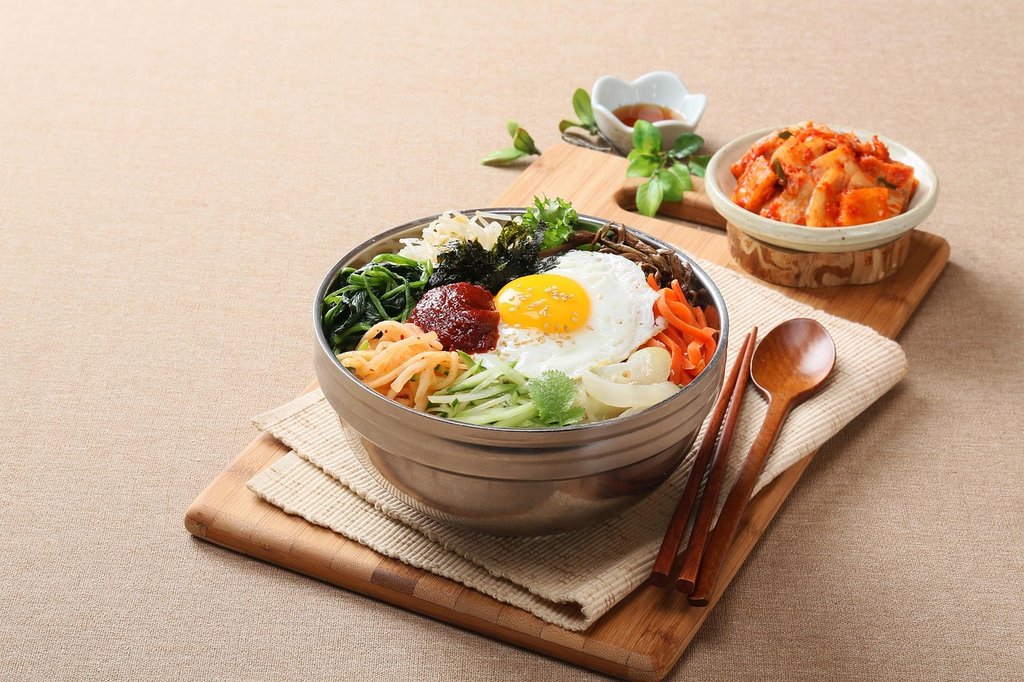
2. Make a Quick Bibimbap Sauce
The classic use. Mix together:
- 2 tablespoons gochujang
- 1 tablespoon sesame oil
- 1 tablespoon soy sauce
- 1 teaspoon sugar or honey
- 1 teaspoon rice vinegar
Drizzle this over a bowl of rice topped with whatever vegetables and protein you have. A fried egg on top is essential. This sauce is what makes bibimbap taste like bibimbap — it ties all the components together.
3. Stir It into Soup or Stew
Drop a spoonful of gochujang into any soup or stew that needs a kick. It dissolves into the broth and adds depth without making things overwhelming. I add it to chicken noodle soup, tomato soup, chili, and ramen. Start with a teaspoon and taste — you can always add more.
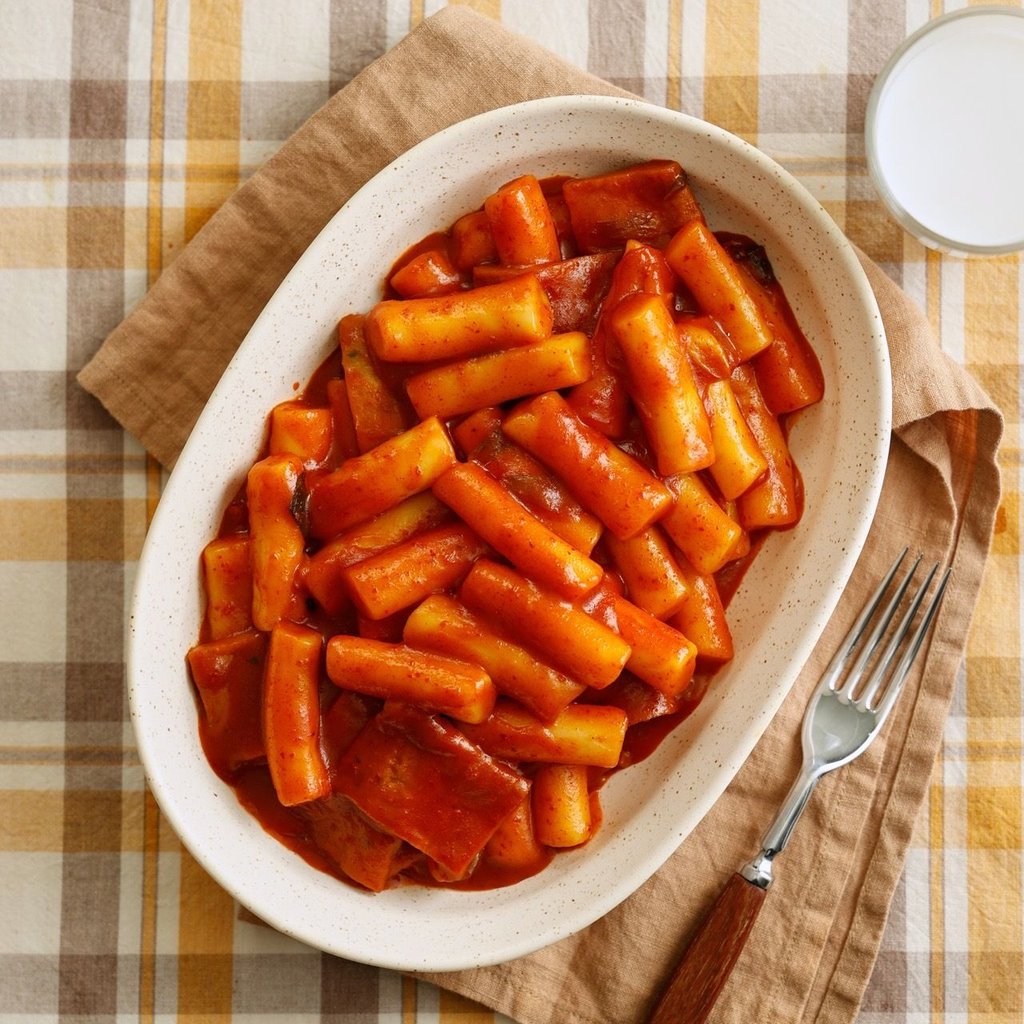
In Korean cooking, this is exactly how tteokbokki and budae-jjigae get their flavor — gochujang dissolved into a bubbling broth.
4. Use It as a Meat Marinade
Gochujang makes an incredible marinade base for chicken, pork, or beef. Combine 2 tablespoons gochujang with 1 tablespoon soy sauce, 1 tablespoon honey, 2 cloves of minced garlic, and a splash of sesame oil. Marinate your protein for at least 30 minutes (overnight is better).
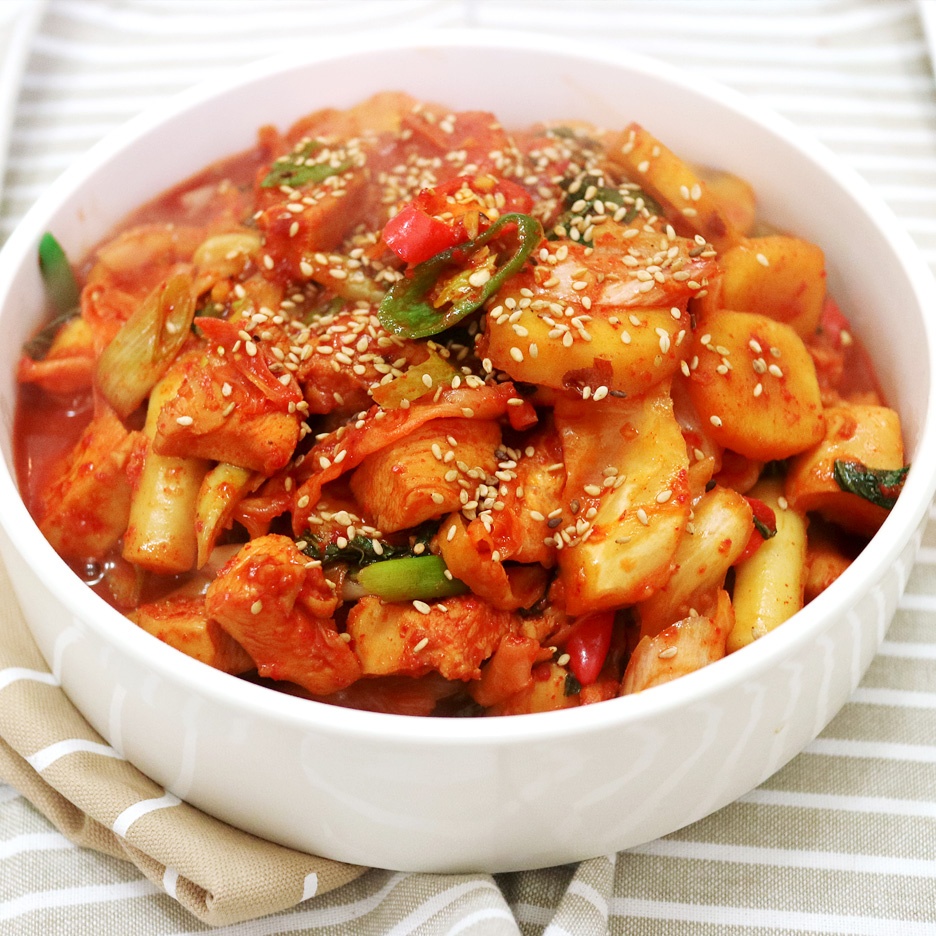
This is essentially the marinade for dakgalbi (spicy chicken stir-fry). It works on the grill, in a skillet, or in the oven. The sugars in the gochujang caramelize beautifully, creating those charred, sticky edges that make grilled Korean food so good.
5. Toss It with Noodles
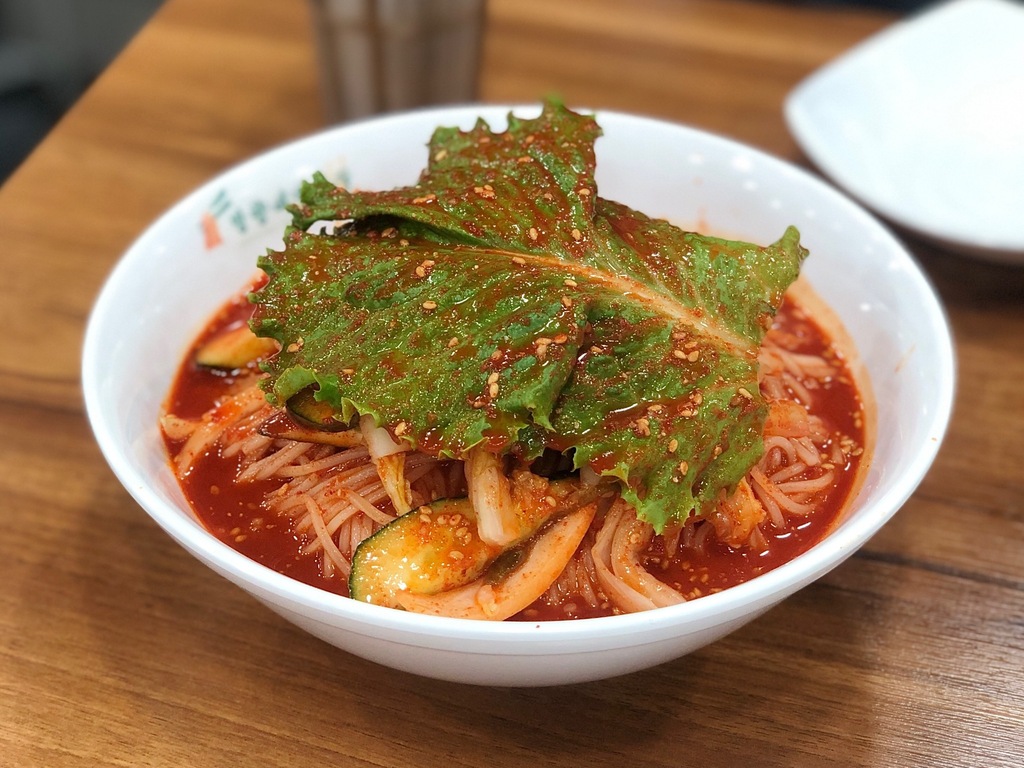
Cook any noodles — spaghetti, udon, ramen, rice noodles — and toss them with a sauce made from gochujang, sesame oil, soy sauce, and a bit of sugar. Add some sliced cucumbers and a hard-boiled egg, and you've basically made bibim-guksu (spicy mixed noodles). This is a 15-minute meal that's become a regular in my rotation.
6. Make a Dipping Sauce (Cho-Gochujang)
Cho-gochujang is a tangy, sweet-spicy dipping sauce that Koreans serve with raw fish, blanched vegetables, and rice rolls. Mix:
- 2 tablespoons gochujang
- 1 tablespoon rice vinegar
- 1 tablespoon sugar or honey
- 1 teaspoon sesame oil
This is the sauce that comes with hoe (Korean raw fish) and gimbap at many restaurants. Making it at home takes 30 seconds and tastes better than any bottled version.
Intermediate Korean Uses
7. Tteokbokki Sauce
Korea's beloved street food — chewy rice cakes in a sweet-spicy sauce — is built entirely on gochujang. The basic formula: dissolve gochujang in water or broth, add sugar or corn syrup, and simmer with rice cakes until the sauce thickens and coats everything. You can add fish cakes, boiled eggs, and scallions for a more complete dish.
8. Dakgalbi Sauce (Spicy Chicken Stir-Fry)
Dakgalbi is one of the best weeknight Korean dinners. Marinate chicken thighs in gochujang, gochugaru, soy sauce, garlic, and sugar. Stir-fry with cabbage, sweet potato, and rice cakes. The sauce caramelizes and creates a sticky coating on everything. Add mozzarella for the cheese dakgalbi variation that's become incredibly popular.
9. Spicy Braised Tofu
Slice firm tofu into thick rectangles, pan-fry until golden, then simmer in a sauce made from gochujang, soy sauce, garlic, and a little water. The tofu soaks up the spicy-sweet sauce and becomes intensely flavored. This is one of the simplest Korean side dishes and a great vegetarian option.
Non-Korean Uses (Where It Gets Creative)
10. Glaze Roasted Vegetables
Mix 1 tablespoon gochujang with 1 tablespoon honey and a splash of sesame oil. Toss it with any roasted vegetables — sweet potatoes, Brussels sprouts, cauliflower, carrots — before or after roasting. The gochujang caramelizes in the oven and creates a sticky, spicy-sweet coating that makes vegetables genuinely exciting.
This works at 400-425F. Spread the vegetables in a single layer so they crisp up rather than steam.
11. Spike Your Salad Dressing
Add a teaspoon of gochujang to any vinaigrette. It emulsifies naturally because of its thick texture, and it adds a warm heat that's more interesting than black pepper. Try it with rice vinegar, sesame oil, soy sauce, and a pinch of sugar for a Korean-style salad dressing.
This dressing works especially well on grain bowls, cold noodle salads, and any salad with cucumber or cabbage.
12. Spread It on Burgers
Replace your usual ketchup-mustard combo with a thin layer of gochujang on your burger bun. The paste is thick enough to stay put and adds sweet-spicy flavor that pairs incredibly well with beef. Add some pickled onions or a slice of sharp cheddar and you've got something special.
I also mix gochujang into the ground beef itself before forming patties — about 1 tablespoon per pound. It seasons the meat from the inside out.
13. Add It to Scrambled Eggs
Stir half a teaspoon of gochujang into your eggs before scrambling. It colors the eggs a light orange and adds a gentle warmth throughout. Not spicy enough to wake you up aggressively — just enough to make breakfast more interesting. Serve on toast or in a breakfast burrito.
14. Make Gochujang Butter
Mix softened butter with gochujang (about 1 tablespoon per stick of butter) and a pinch of salt. Roll it into a log in plastic wrap and refrigerate. Slice off rounds and melt them over grilled steak, corn on the cob, baked potatoes, or toast. The compound butter melts into a glossy, spicy-sweet sauce right on the plate.
This is an easy make-ahead item that impresses people without any real effort.
Gochujang Cheat Sheet by Skill Level
- Never used it before: Start with gochujang mayo (#1) or stir it into soup (#3). These are zero-risk ways to learn what it tastes like.
- Comfortable with basics: Try bibimbap sauce (#2), meat marinade (#4), or roasted vegetables (#10). These showcase what gochujang does best.
- Ready for Korean recipes: Make tteokbokki (#7), dakgalbi (#8), or bibim-guksu (#5). These are dishes where gochujang is the star.
- Experimenting freely: Gochujang butter (#14), pasta sauce additions, cocktails, pizza — go wherever your curiosity takes you.
Getting Started
The beauty of gochujang is that it's hard to mess up. It's already a balanced condiment — salty, sweet, spicy, and umami all in one paste. So even if you just squeeze some on a plate and dip things in it, you'll get good results.
Start with a mainstream brand like CJ Haechandle or Sunchang — both are reliable and widely available at H Mart, Asian grocery stores, and Amazon. A 500g tub costs under $7 and will last you months. Once you start using it, you'll wonder how you cooked without it.
The most important thing: don't let that tub sit untouched in your fridge. Gochujang wants to be used. Pick any one of these ideas tonight and just try it.
How Much Gochujang to Use
One of the most common mistakes with gochujang is using too little. Because it looks like a hot sauce, people treat it like one — a tiny dab here and there. But gochujang is meant to be used more generously than that. Here are some guidelines:
- Sauce or dressing: 1-2 tablespoons per serving. This is a base ingredient, not a garnish.
- Marinade: 2-3 tablespoons per pound of meat. You want enough to coat everything.
- Stew or soup: Start with 1 tablespoon per serving and add more to taste.
- Mixed into mayo or butter: About a 1:3 ratio (gochujang to mayo/butter) for a noticeable but not overwhelming flavor.
- Glaze for vegetables: 1 tablespoon per sheet pan, mixed with equal parts honey.
If you add gochujang and can barely taste it, you didn't add enough. It should be a prominent flavor, not a background note. The heat is gentle enough that even generous amounts won't burn your mouth.
Pairing Gochujang with Other Flavors
Gochujang plays well with specific flavor combinations:
- Gochujang + honey/sugar: Amplifies the sweetness for glazes and caramelized dishes
- Gochujang + vinegar: Cuts through the richness and adds brightness for dipping sauces
- Gochujang + soy sauce: Deepens the umami for marinades and stir-fry sauces
- Gochujang + sesame oil: Adds nuttiness and rounds out the flavor for finishing sauces
- Gochujang + garlic: Intensifies the savory depth for cooked applications
- Gochujang + dairy (mayo, butter, cream cheese): Mellows the heat and creates creamy, spreadable sauces
Understanding these pairings lets you improvise your own gochujang sauces without following a recipe. Mix two or three of these elements together and you'll have something delicious every time.
You Might Also Like

Related Guides
What Is Gochujang? Korean Chili Paste Guide
Everything about gochujang — Korean fermented red pepper paste, its heat levels, how it's made, cooking uses, and a complete buying guide.
8 Best Gochujang Brands (2026) — From Mild to Extra Hot, Ranked
Comparing 8 gochujang brands by heat, sweetness, texture, and price. Find the best Korean chili paste for your cooking level and favorite recipes.
How to Use Gochujang — 12 Easy Ways
Not sure what to do with gochujang? Here are 12 ways to use Korean chili paste — from classic Korean recipes to burgers and everyday cooking.
Gochujang vs Gochugaru — Differences Explained
Gochujang and gochugaru are both Korean red pepper products but totally different. Learn how they compare in flavor, heat, and when to use each.
Easy Korean Recipes with Kimchi — 12 Ways to Use Up a Jar
Twelve easy recipes to use up a jar of kimchi — from fried rice and stew to dumplings and pancakes. Includes a fermentation level guide for each dish.
Explore This Topic Further
Gochujang
Korean fermented red pepper paste — sweet, spicy, and essential for bibimbap, tteokbokki, and dozens of marinades.
Soy Sauce
Soy sauce seasons marinades, namul, soups, and sauces across Korean cooking. It is one of the site's most-used pantry ingredients.
Spicy Korean Recipes
Korean recipes that bring the heat — from tteokbokki to kimchi jjigae. Sorted by spice level.
Easy Korean Dinners for Weeknights
Quick and satisfying Korean dinner recipes ready in under 30 minutes. Perfect for busy weeknights.
K-Fridge
Already have some of these pantry staples?
Use K-Fridge to see which Korean recipes you can make tonight with the ingredients you already have at home.