9 Best Gochujang Substitutes — DIY Blends That Actually Work
By Logan · Published 2026-04-18 · Updated 2026-05-10
Gochujang is one of those ingredients that seems impossible to replace. It's spicy, sweet, fermented, and thick — all at once. No single condiment in your pantry does all four of those things. But you can get surprisingly close by combining a few everyday ingredients.
I've run through these substitutes in real recipes — bibimbap, tteokbokki, marinades, dipping sauces — and here's what actually works, ranked from best to "it'll do in a pinch."
1. Sriracha + Miso Paste — Best Overall Substitute
This is the combination I reach for most often, and it's the one I'd recommend if you only memorize one. Sriracha brings the chili heat and garlic, while miso adds the fermented depth and thick texture that gochujang is known for.
The ratio that works best:
- 1 tablespoon sriracha
- 1 tablespoon red or white miso
- 1 teaspoon honey or sugar
- ½ teaspoon soy sauce
Mix everything into a smooth paste. This gives you roughly 2 tablespoons of gochujang substitute, which is enough for most recipes. The honey is important — gochujang has a natural sweetness from the rice that it's fermented with, and without it, your substitute will taste one-dimensional.
This blend works great in bibimbap sauce, dakgalbi marinade, and any stir-fry where gochujang is mixed into a sauce. It's also the only substitute I'd trust for dipping sauces, since it has the right thickness and complexity to stand on its own.
2. Sriracha + Hoisin Sauce — Quick 2-Ingredient Blend
If you want something fast with minimal measuring, this is it. Hoisin sauce already has sweetness, thickness, and a hint of fermented soybean flavor — so pairing it with sriracha covers a lot of ground.
- 1 tablespoon sriracha
- 1 tablespoon hoisin sauce
Just stir them together. The result is sweeter and more Chinese-leaning than real gochujang, but it works surprisingly well in marinades and stir-fries where other ingredients balance things out. A friend used this for bulgogi marinade once when we were out of gochujang, and honestly nobody at the table noticed.
The one caveat: hoisin has a distinctive five-spice flavor that becomes noticeable in dishes where gochujang is the star. Skip this one for tteokbokki or ssamjang — use it for cooked dishes where it blends into a larger sauce.
3. Harissa Paste — The Mediterranean Swap
Harissa is a North African chili paste made from roasted red peppers, garlic, and spices like coriander and caraway. It doesn't taste Korean at all, but it fills the same functional role as gochujang — thick, spicy paste with depth and complexity.
- 1 tablespoon harissa paste
- 1 teaspoon honey or brown sugar
- ½ teaspoon soy sauce
The sweetness and soy sauce bring it closer to gochujang's profile. Harissa tends to be smokier and more aromatic than gochujang, which actually works really well in grilled meat marinades and roasted vegetable dishes. I've used this in dakgalbi and the slightly smoky edge was a nice surprise.
Look for tube or jarred harissa — the dry powder version won't give you the paste consistency you need. Brands like DEA, Entube, and Mina are widely available.
4. Sambal Oelek + Honey — Quick and Easy
Sambal oelek is a chunky chili paste that's widely available (Huy Fong is the most common brand — same company that makes sriracha). It's basically just ground chilies, vinegar, and salt.
To make it work as a gochujang substitute:
- 1 tablespoon sambal oelek
- 1 teaspoon honey
- ½ teaspoon soy sauce
- ½ teaspoon sesame oil (optional but nice)
This gives you heat and sweetness, which covers two of gochujang's four dimensions. You'll miss the fermented funk, but for quick weeknight cooking, it's absolutely good enough. I use this one for bibim-guksu when I don't feel like pulling together a more complex substitute.
5. Ssamjang — Already in the Family
Here's one that gets overlooked: ssamjang is literally made with gochujang. It's a Korean dipping sauce that combines gochujang, doenjang, sesame oil, garlic, and sometimes honey. If you have a tub of ssamjang in your fridge, you already have a gochujang product on hand.
The catch is that ssamjang has doenjang mixed in, making it funkier, saltier, and less sweet than straight gochujang. It also has garlic and sesame flavors baked in, so you're adding those whether the recipe wants them or not.
Use ssamjang at about 75% of the gochujang amount called for, and add a bit of honey to sweeten it up. This works best in marinades, fried rice, and stir-fries. I wouldn't use it for tteokbokki — the doenjang flavor throws the sauce off.
6. Chili Garlic Sauce + Miso — Extra Texture
Chili garlic sauce (the one in the jar with the green lid, from Huy Fong) is chunkier than sriracha and has visible garlic bits. Pairing it with miso gives you a more textured substitute that works well in dishes where you want some body.
- 1 tablespoon chili garlic sauce
- 1 tablespoon miso paste
- 1 teaspoon honey
This is essentially a rougher version of the sriracha + miso blend. The texture is closer to homemade gochujang, which tends to be less smooth than the commercial stuff. Try this in bibimbap sauce or as a base for jjigae. The garlic bits add a nice punch.
7. Thai Chili Paste (Nam Prik Pao) — The Underrated Option
Thai roasted chili paste has more in common with gochujang than you might think. It's sweet, spicy, and has depth from roasted shallots and dried shrimp. The flavor profile is different — more Southeast Asian than Korean — but it fills the same functional role in a recipe.
Use it 1:1 as a gochujang replacement. It works especially well in fried rice and stir-fries. I wouldn't use it in a traditional Korean soup where the gochujang flavor really needs to be authentic, but for fusion cooking or casual weeknight meals, it's a solid choice.
Note that most Thai chili paste contains dried shrimp, so it's not vegan. Look for Pantai or Mae Pranom brands at Asian grocery stores.
8. Tomato Paste + Chili Flakes + Soy Sauce — The Pantry Staple Version
If you don't have miso, sriracha, or any Asian condiments, this combination uses things that are probably already in your kitchen:
- 1 tablespoon tomato paste
- 1 teaspoon red chili flakes (gochugaru is ideal, but any red chili flakes work)
- 1 teaspoon soy sauce
- 1 teaspoon honey or brown sugar
- ½ teaspoon rice vinegar
Tomato paste gives you the thick texture and a subtle sweetness. It doesn't taste like gochujang, but it fills the same role in a recipe — adding body, color, and a base layer of flavor that the other ingredients build on.
This substitute works best in marinades and sauces where it's cooked. I wouldn't use it raw as a dipping sauce — the tomato flavor is too noticeable when it's not heated.
9. Thai Red Curry Paste — In a Pinch
Thai red curry paste is spicy, aromatic, and paste-consistency — so structurally it works. But flavor-wise it's a bigger departure than the other options on this list. You'll get lemongrass, galangal, and kaffir lime notes that have nothing to do with Korean food.
If you use it, keep the amount small — maybe half of what the recipe calls for in gochujang — and add a teaspoon of soy sauce and honey to push it in a more Korean direction. This works in a stir-fry where lots of other flavors are happening. Don't try it in anything where gochujang is supposed to be the dominant flavor.
Which Substitute for Which Dish?
Different recipes are more or less forgiving of substitutes. Here's what I'd actually use for specific Korean dishes:
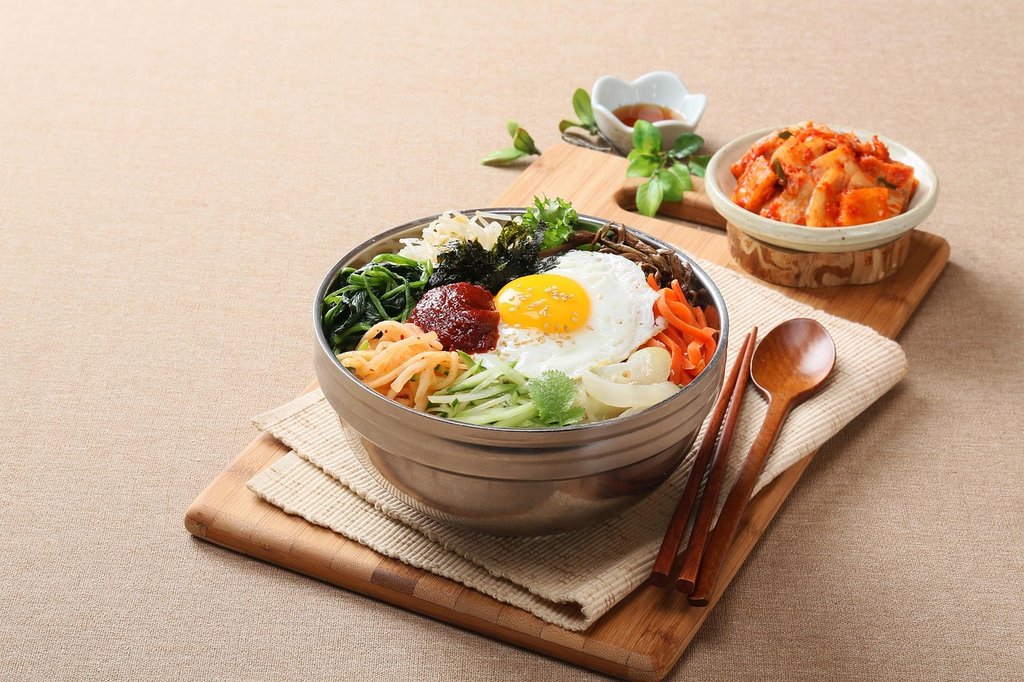
- Bibimbap sauce: Sriracha + miso (#1). This is where you need thickness and complexity. The quick hoisin blend (#2) also works.
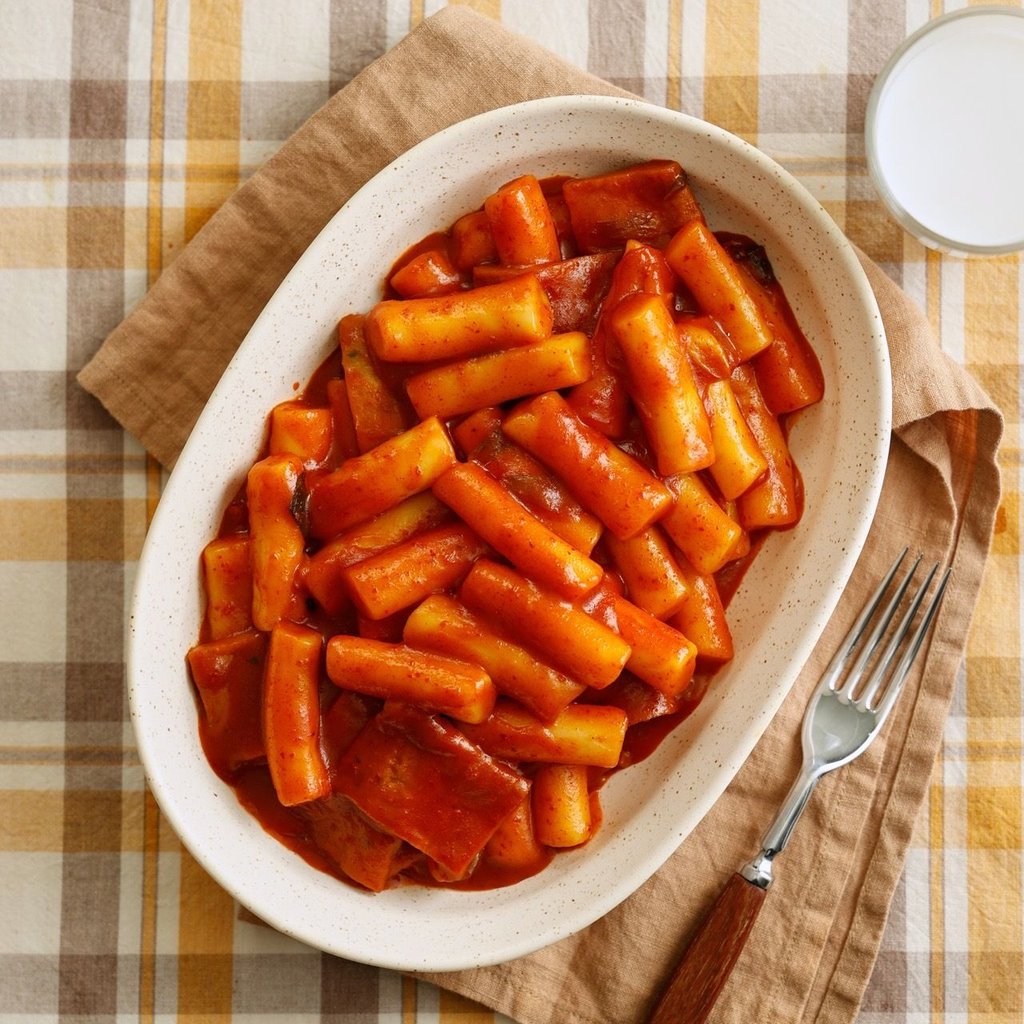
- Tteokbokki: Sriracha + miso (#1) is your best bet since gochujang is doing heavy lifting in the sauce. Use a generous amount. Sambal + honey (#4) is a decent backup.
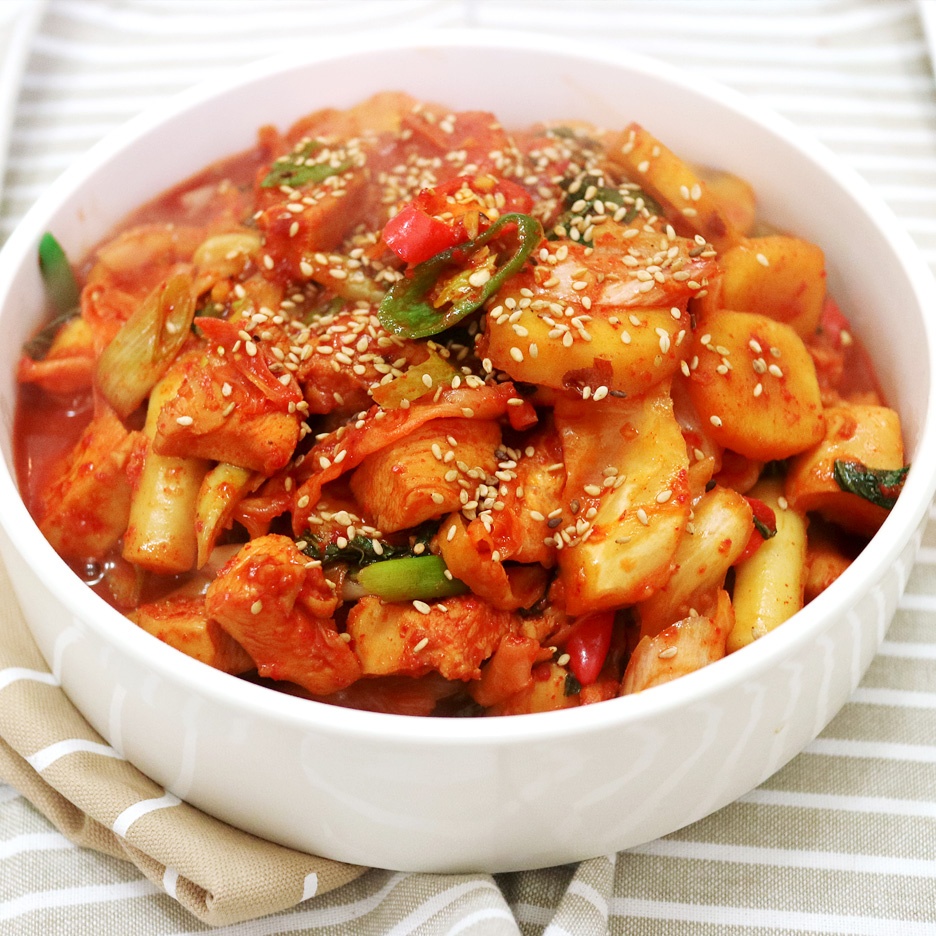
- Dakgalbi: Harissa (#3) or tomato paste blend (#8) work surprisingly well since everything gets cooked together and the chicken absorbs the flavors.
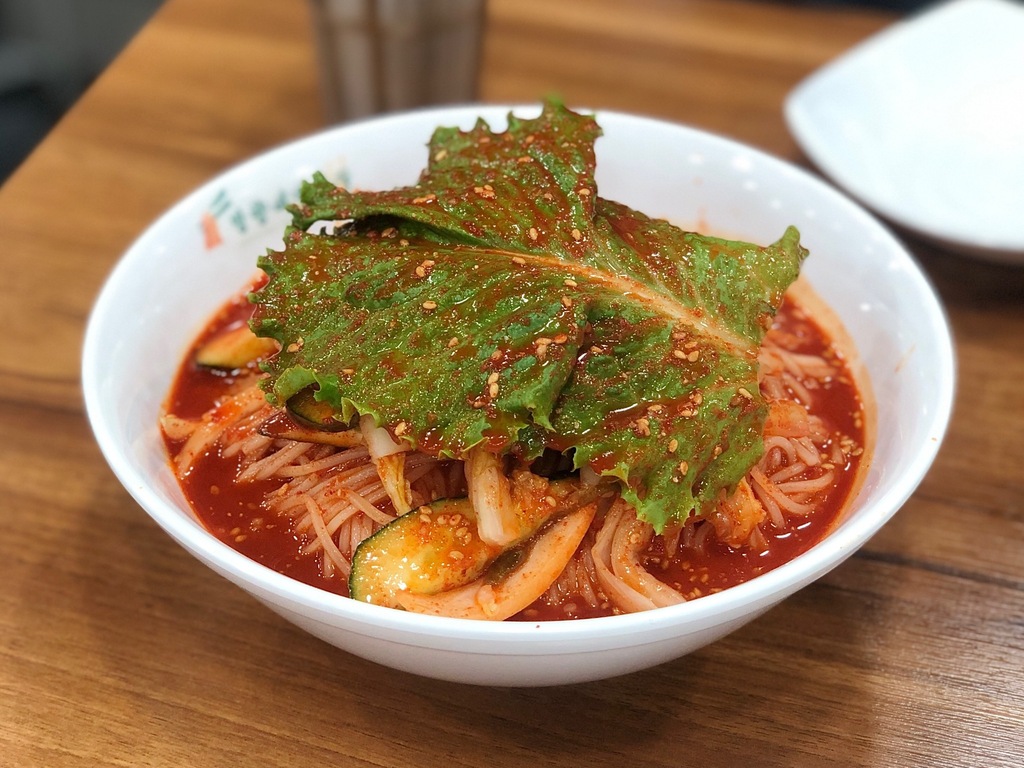
- Bibim-guksu / bibim-naengmyeon: Sambal oelek + honey (#4) is quick and works great with cold noodles.
- Dipping sauces (ssamjang-style): Sriracha + miso (#1) is the only substitute I'd use raw. Everything else needs cooking to taste right.
- Bulgogi marinade: Sriracha + hoisin (#2) or harissa (#3). The sweetness blends nicely with the soy-based marinade.
- Budae-jjigae: Chili garlic sauce + miso (#6). The extra texture and garlic work well in army stew.
- Korean fried rice: Thai chili paste (#7) or ssamjang (#5) — both bring enough punch for fried rice.
Quick Ratio Reference
| Substitute | Ratio to Gochujang | Best For | Avoid For |
|---|---|---|---|
| Sriracha + Miso | 1:1 | Everything | — |
| Sriracha + Hoisin | 1:1 | Marinades, stir-fries | Tteokbokki, dipping sauces |
| Harissa + honey + soy | 1:1 | Grilled meats, marinades | Soups, raw sauces |
| Sambal Oelek + Honey | 1:1 | Cold noodles, quick dishes | Dipping sauces |
| Ssamjang | 0.75:1 | Marinades, stir-fries | Tteokbokki |
| Chili Garlic + Miso | 1:1 | Jjigae, bibimbap | Delicate sauces |
| Thai Chili Paste | 1:1 | Fried rice, stir-fries | Traditional soups |
| Tomato Paste blend | 1:1 | Cooked marinades | Raw/uncooked dishes |
| Thai Red Curry Paste | 0.5:1 | Stir-fries | Anything gochujang-forward |
What to Avoid
A few things that sound like they'd work but really don't:
- Plain tomato paste: On its own, tomato paste is just sweet and acidic. It needs chili, soy sauce, and sweetener added to even get in the right neighborhood. Don't just swap in straight tomato paste and expect it to work.
- Hot sauce (Tabasco, Cholula, Frank's RedHot): These are too thin and vinegary to work as a gochujang substitute. Gochujang is a thick paste — it clings to food, thickens sauces, and caramelizes when grilled. Thin hot sauce does none of those things. The vinegar also throws off the flavor balance in Korean recipes.
- Ketchup + chili: Some blogs suggest this. Please don't. Ketchup has a very specific processed tomato taste that will dominate your dish. It's in a different culinary universe from gochujang.
- Cayenne pepper alone: Pure heat with zero sweetness, fermentation, or body. You need a paste, not a powder.
Stock Up When You Can
Gochujang lasts basically forever in the fridge. A 500g tub from brands like CJ Haechandle or Sunchang will run you about $5-7 at H Mart or on Amazon, and it'll last months of regular cooking. Once you have it, you'll start putting it on everything — grilled cheese, roasted vegetables, eggs, pizza. It's that versatile.
But when you're caught without it, these blends will get you through. The sriracha + miso combination is the one I'd memorize — it covers the most ground with the least effort.
You Might Also Like
Related Guides
What Is Gochujang? Korean Chili Paste Guide
Everything about gochujang — Korean fermented red pepper paste, its heat levels, how it's made, cooking uses, and a complete buying guide.
8 Best Gochujang Brands (2026) — From Mild to Extra Hot, Ranked
Comparing 8 gochujang brands by heat, sweetness, texture, and price. Find the best Korean chili paste for your cooking level and favorite recipes.
Gochujang vs Gochugaru — Differences Explained
Gochujang and gochugaru are both Korean red pepper products but totally different. Learn how they compare in flavor, heat, and when to use each.
Gochugaru Substitute: 9 Swaps That Actually Work
The best gochugaru substitutes, ranked — 9 swaps with suggested ratios for kimchi, stews, stir-fries, and marinades, from paprika blends to Aleppo pepper.
9 Best Doenjang Substitutes — From Miso to Soy-Free Options
No doenjang? Here are 9 substitutes for Korean soybean paste — from red miso and ssamjang to soy-free options like tahini + soy sauce.
Explore This Topic Further
Gochujang
Korean fermented red pepper paste — sweet, spicy, and essential for bibimbap, tteokbokki, and dozens of marinades.
Soy Sauce
Soy sauce seasons marinades, namul, soups, and sauces across Korean cooking. It is one of the site's most-used pantry ingredients.
Spicy Korean Recipes
Korean recipes that bring the heat — from tteokbokki to kimchi jjigae. Sorted by spice level.
Korean Recipes for Beginners
Start your Korean cooking journey with these beginner-friendly recipes. Simple ingredients, clear instructions, no prior experience needed.
K-Fridge
Already have some of these pantry staples?
Use K-Fridge to see which Korean recipes you can make tonight with the ingredients you already have at home.