Easy Korean Recipes with Rice — 11 Dishes You Can Make Tonight
By Logan · Published 2026-04-17 · Updated 2026-05-10
Rice is the foundation of Korean cooking. Literally — the Korean word for meal, "bap," is the same word used for cooked rice. In a Korean household, the question isn't "what's for dinner?" It's "what are we having with the rice?"
If you've got cooked rice in your kitchen (leftover is actually preferable for some of these), you're already halfway to a satisfying Korean meal. Here are 11 of my favorite rice-based dishes, all simple enough to make on a weeknight, plus ideas for what to do with leftover rice.
Fried Rice Variations (Best with Day-Old Rice)
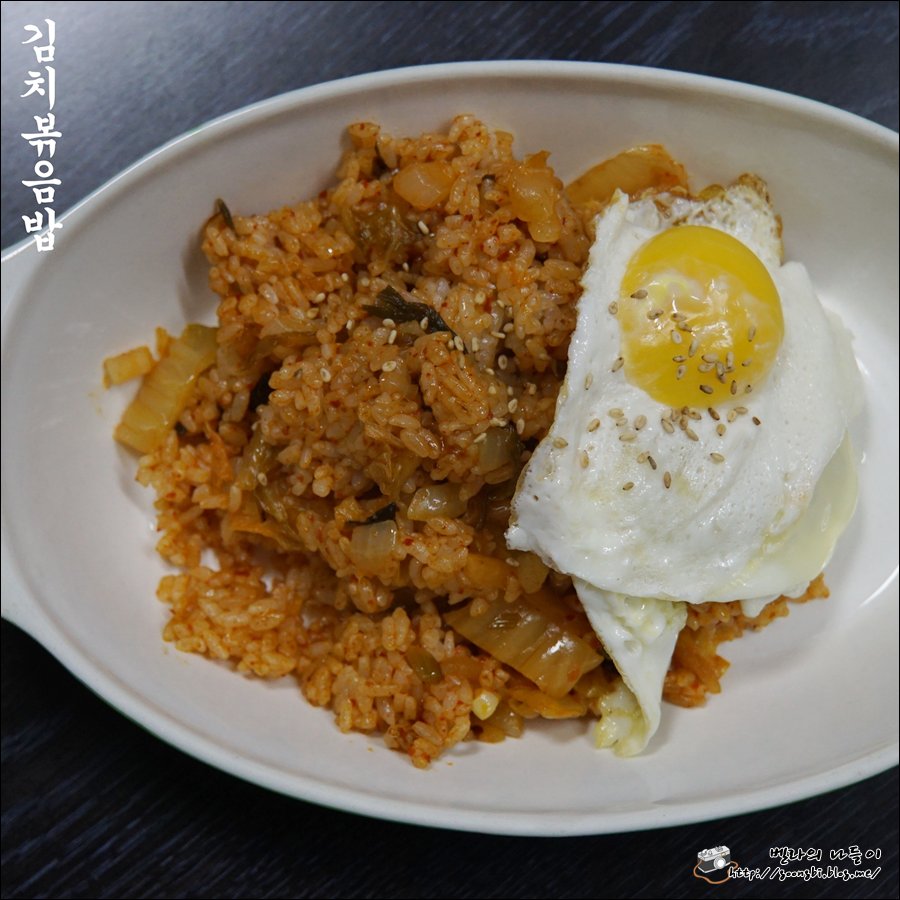
1. Kimchi Fried Rice (Kimchi Bokkeumbap)
This is probably the dish I make most often. It's the perfect use for leftover rice and aged kimchi — two things I almost always have on hand. Chop up some kimchi, stir-fry it with the rice, add a splash of sesame oil, and top with a fried egg. The whole thing takes about 10 minutes.
The key is using well-fermented, sour kimchi. Fresh kimchi doesn't have enough punch to flavor the rice properly. If your kimchi is still relatively new, let it sit in the fridge for another week or two before making this.
2. Spam Fried Rice
Cube spam, fry it until crispy on all sides, and stir-fry it with rice, vegetables, soy sauce, and sesame oil. It's simple, salty, and hits that specific comfort food nerve that nothing else reaches. Add a fried egg on top and some gochujang on the side.
This is a staple in Korean military culture and college dorms, but don't let that fool you — it tastes good regardless of context.
3. Garlic Butter Fried Rice
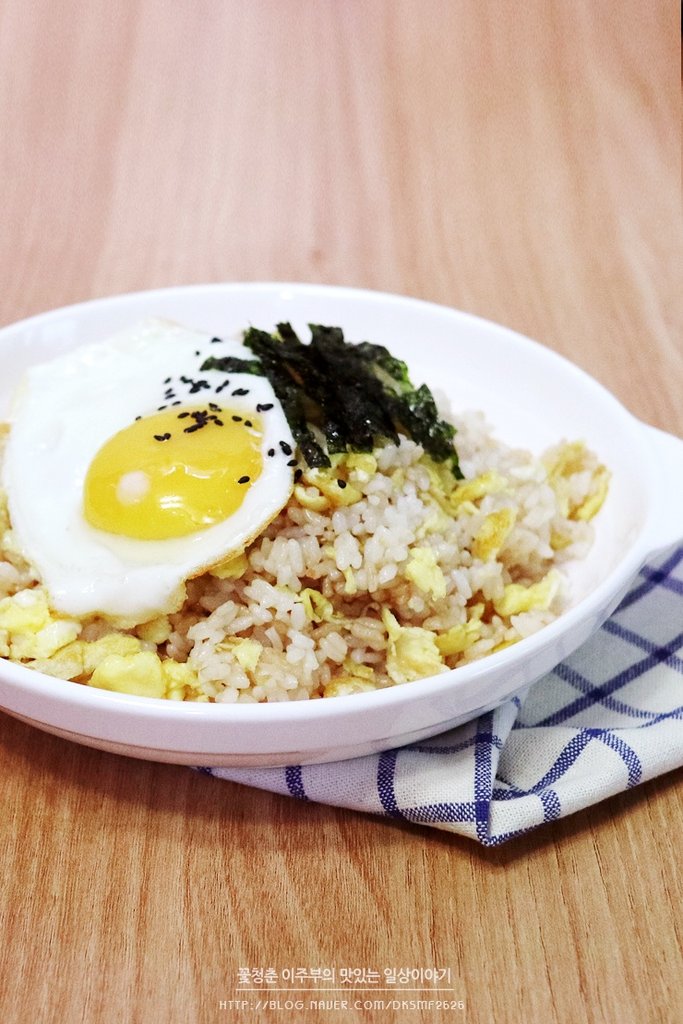
Not traditionally Korean, but extremely popular in Korea right now. Melt butter in a hot pan, add minced garlic (lots of it), stir-fry cold rice until every grain is coated. Season with soy sauce and top with a fried egg and sliced scallions. The garlic-butter combination with soy sauce and sesame oil is irresistible.
Rice Bowls (Fresh Rice Works Great)
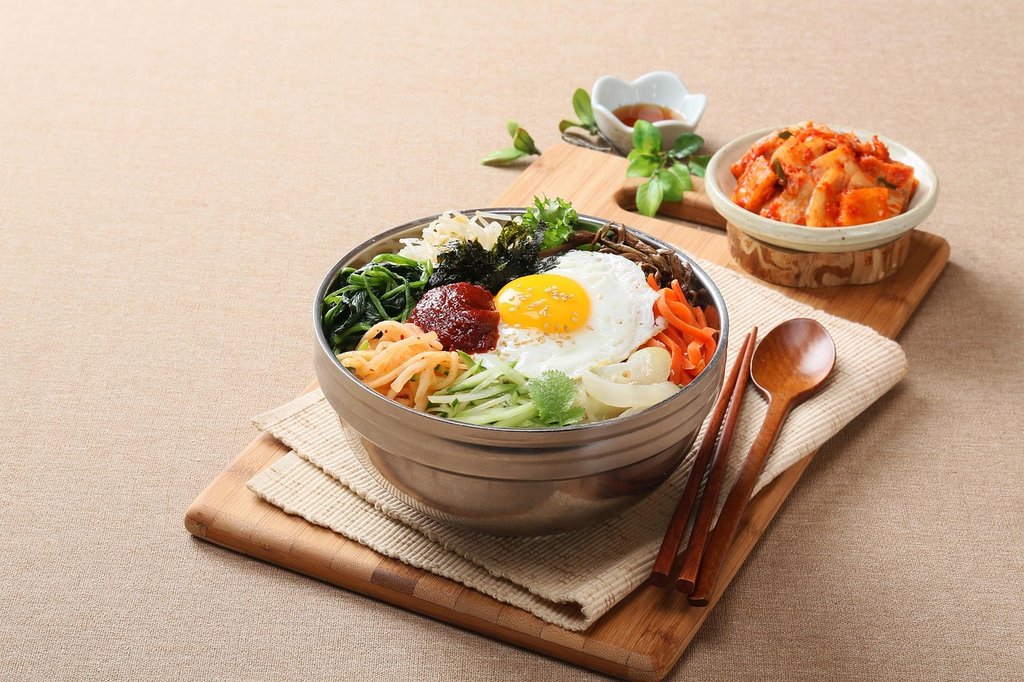
4. Bibimbap
Bibimbap means "mixed rice," and that's exactly what it is — a bowl of rice topped with an assortment of seasoned vegetables, protein, and a fried egg, all brought together with gochujang sauce. It looks impressive but it's really just assembly once you have the components prepped.
You don't need to make every traditional topping. Even three or four vegetables with an egg and some gochujang sauce makes a great bibimbap. I often use whatever vegetables I have in the fridge — spinach, carrots, zucchini, bean sprouts — seasoned simply with sesame oil and salt.
5. Gyeran-Bap (Egg Rice)
This is Korean comfort food at its simplest. Crack a raw egg over a bowl of hot, freshly cooked rice, add a drizzle of soy sauce and sesame oil, and mix everything together. The heat from the rice partially cooks the egg, creating a creamy, silky coating on every grain.
Some people add butter, which makes it even more indulgent. Others top it with furikake or crushed seaweed. It's the kind of dish that sounds too simple to be good, but once you try it, you'll understand why it's a staple in Korean homes.
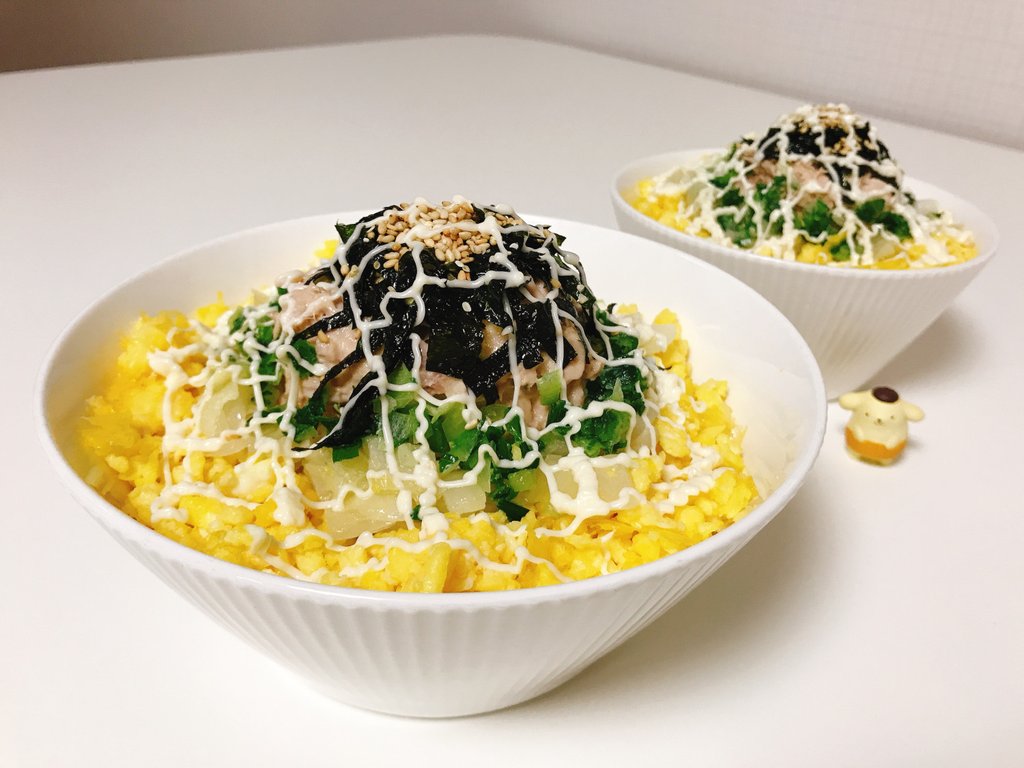
6. Chamchi-Mayo-Bap (Tuna Mayo Rice)
Another dead-simple comfort dish. Mix canned tuna (drained) with mayonnaise, a drizzle of sesame oil, and a splash of soy sauce. Spoon it over hot rice and top with toasted seaweed strips. Optional but recommended: a drizzle of gochujang or sriracha on top.
This is the kind of thing I make when I'm too tired to cook but still want something satisfying. It takes about 3 minutes and uses pantry staples. Korean convenience stores sell versions of this as onigiri, and it's one of the best-selling flavors for a reason.
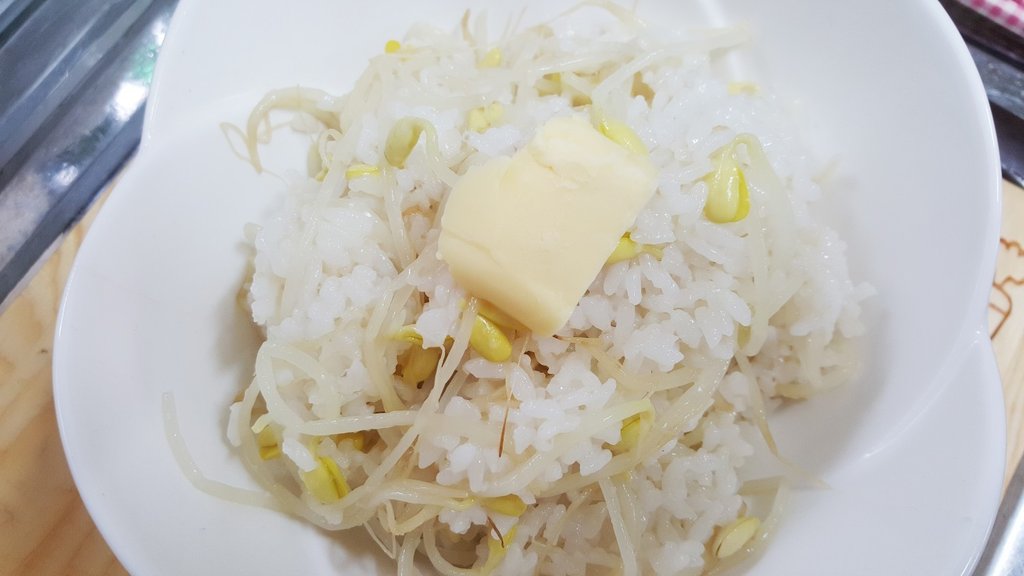
7. Kongnamul-Bap (Soybean Sprout Rice)
Kongnamul-bap is a one-pot rice dish where soybean sprouts are layered on top of rice and cooked together. The sprouts steam as the rice cooks, and you serve it with a soy sauce-based seasoning mixed in at the table. The nutty flavor of the sprouts and the toasty rice on the bottom (nurungji) are what make this special.
It's a great example of how Korean cooking creates complexity from simple ingredients. Rice, sprouts, and a sauce — that's it.
Rice with Stews and Soups
8. Doenjang-Jjigae with Rice
Doenjang-jjigae is meant to be eaten with rice. This soybean paste stew is arguably the most common home-cooked meal in Korea. A bowl of steaming white rice with a bubbling pot of doenjang-jjigae on the side is the definition of Korean home comfort.
The stew itself is straightforward — dissolve doenjang in anchovy broth, add tofu, zucchini, onion, and chili peppers. It comes together in about 20 minutes. Eat by scooping stew over rice or alternating bites.
9. Budae-Jjigae with Rice
Technically budae-jjigae (army stew) is a stew, not a rice dish. But the way most Koreans eat it — ladled over a bowl of rice — makes it effectively a rice meal. The spicy, rich broth with ramen noodles, spam, sausage, and kimchi over plain white rice is one of the most satisfying combinations in Korean cooking.
I'm including it here because it's one of those dishes that's perfect for using up random ingredients. Got some hot dogs, a slice of cheese, instant ramen, and kimchi? You can make budae-jjigae.
10. Cupbap (Rice with Toppings in a Cup)
Cupbap is exactly what it sounds like — rice in a cup (or bowl) with various toppings layered on top. Think of it as a deconstructed bibimbap that's more casual. Layer rice with whatever you have: kimchi, seasoned vegetables, a fried egg, some meat, and sauce.
The beauty of cupbap is that there are no rules. It's become popular in Korean office culture as a quick lunch option. Any leftover banchan from previous meals goes on top of rice, gets a drizzle of sauce, and becomes a complete meal.
11. Bap Burger (Korean Rice Burger)
This is a fun one — instead of bread buns, you use compressed, pan-fried rice patties to hold a burger filling. The rice gets crispy on the outside while staying soft inside. Fill it with bulgogi, spicy chicken, or even a simple fried egg with gochujang mayo.
It takes a bit more effort than the other dishes on this list, but it's a crowd-pleaser and something different from the usual rice bowl format. Kids especially love these.
What to Do with Leftover Rice
In Korean cooking, leftover rice is never a problem — it's an opportunity. Here are the best uses:
- Fried rice (any variety): Day-old rice that's dried out slightly in the fridge is actually ideal. It fries better than fresh rice because the lower moisture content means crispier results.
- Nurungji (scorched rice tea/snack): Spread leftover rice thin in a dry pan and cook on medium heat without stirring until it forms a golden crust. You can eat it as a crunchy snack or add hot water to make a simple rice tea (sungnyung) that's traditionally served at the end of Korean meals.
- Rice balls (jumeokbap): Mix cold rice with sesame oil, salt, and whatever add-ins you like (kimchi, tuna, seaweed flakes). Shape into balls. Great for lunches and snacks.
- Porridge (juk): Simmer leftover rice in extra water or broth until it breaks down into a creamy porridge. Season with sesame oil and salt, or add vegetables and egg for a more substantial meal. Perfect when someone is feeling under the weather.
- Freeze it: Portion leftover rice into individual servings, wrap tightly in plastic wrap, and freeze. Microwave for 2 minutes when needed. This is actually how many Korean households manage rice — cook a big batch, freeze portions, and reheat throughout the week.
Tips for Better Rice Dishes
- Use day-old rice for fried rice. Freshly cooked rice is too moist and will turn mushy in the pan. Leftover rice that's dried out slightly in the fridge is ideal.
- Season the rice. Even a simple drizzle of sesame oil and a pinch of salt can elevate plain rice dramatically.
- Don't skip the egg. A fried egg on top of almost any rice dish adds richness and protein. The runny yolk acts as a sauce.
- Keep it simple. Korean rice dishes aren't about complicated techniques. They're about combining a few good ingredients in the right way. Don't overthink it.
- Invest in a rice cooker. Even a cheap one makes perfect rice every time and frees up your attention for other components. It's the single most useful appliance for Korean cooking.
- Short-grain rice matters. Long-grain rice doesn't stick together properly for Korean dishes. Use short-grain (Calrose, Nishiki, or Kokuho Rose) for the right texture.
Start with whichever dish on this list matches what you have in your kitchen right now. The beauty of Korean rice cooking is that you're never far from a satisfying meal — the rice is already done, so you're really just building something on top of it.
Rice Cooking Basics
If you are new to cooking Korean-style rice, here are the fundamentals:
- Rinse the rice. Rinse short-grain rice 3-4 times in cold water until the water runs mostly clear. This removes excess starch and prevents gummy, sticky-in-the-wrong-way rice.
- Water ratio: For short-grain rice, use a 1:1 ratio of rice to water (or slightly more water if you like softer rice). This is different from long-grain rice which typically uses more water.
- Let it rest. After cooking, let the rice sit for 10 minutes before opening the lid. This allows the steam to redistribute and the grains to firm up slightly.
- Fluff gently. Use a rice paddle to gently fold and fluff the rice. Do not stir aggressively or the grains will break and become mushy.
A rice cooker handles all of this automatically (except the rinsing), which is why it is the most recommended Korean kitchen purchase. But stovetop rice is perfectly fine once you get the timing down — bring to a boil, reduce to lowest heat, cover for 15 minutes, rest for 10.
You Might Also Like
Related Guides
Easy Korean Recipes with Eggs — 10 Simple Dishes for Any Meal
Ten easy Korean dishes starring eggs — from fluffy steamed egg to rolled omelette and egg toast. Simple recipes for any meal of the day, plus meal prep ideas.
Easy Korean Recipes with Kimchi — 12 Ways to Use Up a Jar
Twelve easy recipes to use up a jar of kimchi — from fried rice and stew to dumplings and pancakes. Includes a fermentation level guide for each dish.
Korean Cooking for Beginners — Start Here
New to Korean cooking? Get the essential equipment, 5 must-have ingredients, easiest starter recipes, and tips to avoid common mistakes.
What to Cook with Kimchi — 15 Ideas Beyond Eating It Straight
Got a jar of kimchi? Here are 15 ways to cook with it — from fried rice to grilled cheese to kimchi pancakes. Categorized by meal type with difficulty levels.
What to Cook with Gochujang — 14 Easy Ways to Use It
Bought a tub of gochujang and not sure what to do with it? Here are 14 ways to use Korean chili paste — beginner-friendly Korean dishes plus non-Korean uses.
Explore This Topic Further
Sesame Oil
Toasted sesame oil adds a nutty aroma to finished dishes. A few drops transform any Korean side dish.
Soy Sauce
Soy sauce seasons marinades, namul, soups, and sauces across Korean cooking. It is one of the site's most-used pantry ingredients.
Korean Recipes with Rice
Korean meals built around rice — quick rice bowls, fried rice, bibimbap, and soups that work best with a bowl on the side.
Korean Recipes for Beginners
Start your Korean cooking journey with these beginner-friendly recipes. Simple ingredients, clear instructions, no prior experience needed.
K-Fridge
Already have some of these pantry staples?
Use K-Fridge to see which Korean recipes you can make tonight with the ingredients you already have at home.