8 Sesame Oil Substitutes for Korean Cooking
By Logan · Published 2026-05-10 · Updated 2026-05-10
| Product | Flavor | Smoke Point | Best For | Ratio |
|---|---|---|---|---|
| Perilla OilBest Overall | Nutty, earthy, herbaceous | Low (finishing only) | Namul, bibimbap, banchan | 1:1 |
| Walnut OilClosest Flavor | Rich, nutty, delicate | Low (finishing only) | Dressings, cold dishes, bibimbap | 1:1 |
| Tahini + Neutral Oil | Sesame, mild, creamy | N/A (paste blend) | Sauces, dressings, marinades | 1 Tbsp tahini + 1 tsp oil |
| Roasted Peanut OilBudget Pick | Warm, toasted, peanut | Medium-High | Stir-fries, fried rice, noodles | 1:1 |
| Olive Oil (Extra Virgin) | Fruity, slightly bitter | Medium | Light namul, egg dishes | 1:1 |
| Avocado Oil | Neutral, buttery | Very High | High-heat cooking, stir-fries | 1:1 |
| Crushed Sesame Seeds + Oil | Authentic sesame | Varies (blend) | Finishing, namul, bibimbap | 1 Tbsp seeds + 2 tsp oil |
| Roasted Sunflower Seed Oil | Mild, gently nutty | Medium-High | Marinades, rice dishes | 1:1 |
Sesame oil is one of those ingredients that seems to show up in every Korean recipe. It's the finishing touch on bibimbap, the base of namul dressings, the aromatic element in fried rice. So when you reach for the bottle and realize it's empty — or you're cooking for someone with a sesame allergy — you need a backup plan.
I've tested a lot of alternatives over the years. The honest truth is that nothing perfectly replicates toasted sesame oil's nutty, roasted flavor. But several substitutes get close enough that your dish will still taste great. The key is matching the right substitute to the right application.
Understanding What Sesame Oil Does in a Dish
Before picking a substitute, it helps to understand the three roles sesame oil plays in Korean cooking:
1. Flavor: Toasted sesame oil has a distinct nutty, roasted taste. It's intense — a teaspoon can flavor an entire bowl of rice. This is the hardest part to replicate.
2. Aroma: The smell of sesame oil is half the appeal. That warm, nutty fragrance signals "Korean food" to your brain immediately. Most substitutes won't nail this.
3. Fat/texture: As an oil, it adds richness, helps dressings coat ingredients, and prevents sticking. This is the easiest role to fill — any neutral oil handles it.
Most Korean recipes use sesame oil as a finishing oil (added at the end or off-heat), not as a cooking oil. This matters for substitution because you need something that tastes good uncooked.
1. Perilla Oil (Deulgireum) — The Korean Alternative
If you're looking for a substitute that a Korean cook would actually reach for, it's perilla oil. Made from roasted perilla seeds, it has a similarly nutty, toasty flavor but with a slightly more herbaceous, earthy quality. In Korea, perilla oil and sesame oil are used almost interchangeably in many dishes.
Perilla oil is especially good in namul (seasoned vegetable dishes) and bibimbap. Some Koreans actually prefer it over sesame oil for certain banchan because of its distinctive flavor.
Use it 1:1. If you can find it at a Korean grocery store, this is your best bet. It's not as widely available as sesame oil, which is the main downside.
Best for: Namul, bibimbap, any banchan, fried rice, dressings.
2. Walnut Oil — Closest Flavor Match
Walnut oil has a rich, nutty flavor that's the closest thing to sesame oil you'll find in a regular grocery store. It's slightly lighter in intensity and has a more delicate sweetness, but the overall nutty profile works well in Korean applications.
Like sesame oil, walnut oil is best used as a finishing oil — it has a low smoke point and turns bitter when overheated. Drizzle it on at the end of cooking or use it in cold preparations like dressings and namul.
Use it 1:1, but taste as you go. Walnut oil is milder than sesame, so you might want a touch more.
Best for: Dressings, namul, cold noodle dishes, bibimbap finishing.
3. Tahini (Sesame Paste) — Same Seed, Different Form
Tahini is made from ground sesame seeds, so it literally has the same base ingredient. The flavor is similar but more subtle and less roasted than toasted sesame oil. It adds both sesame flavor and body/thickness to sauces and dressings.
The catch: tahini is a paste, not an oil, so it works differently in a recipe. It's best for sauces, marinades, and dressings where you can whisk it in. Don't try to use it as a finishing drizzle — it's too thick.
Use about 1 tablespoon tahini + 1 teaspoon neutral oil to replace 1 tablespoon sesame oil. This gives you both the sesame flavor and the liquid consistency.
Best for: Sauces, dressings, marinades, dipping sauces.
4. Roasted Peanut Oil — Budget-Friendly Nutty Option
Roasted peanut oil shares that warm, toasted nut flavor with sesame oil. It's not the same taste, but it fills the same role — adding nutty richness as a finishing oil. It's also much cheaper and easier to find than specialty oils.
Be careful to use roasted peanut oil, not refined peanut oil. Refined peanut oil is neutral-tasting and won't add any flavor. The roasted version, often sold in Asian grocery stores, has a golden color and strong peanut aroma.
Use it 1:1. Note: obviously skip this if cooking for someone with a peanut allergy.
Best for: Stir-fries, fried rice, noodle dishes, marinades.
5. Olive Oil — The Everyday Fallback
Extra virgin olive oil won't taste like sesame oil — at all. But it provides a fruity, slightly bitter richness that works as a finishing oil in many dishes. It handles the fat/texture role perfectly, even if the flavor is different.
I've used olive oil in Korean vegetable dishes when I ran out of sesame oil, and the results are fine. The dish tastes different, but still good. Think of it as a creative substitution rather than a faithful one.
Use it 1:1. Works best in lighter dishes where the olive flavor won't clash with strong Korean seasonings. Less ideal in heavily flavored stews or marinades where the olive taste might seem out of place.
Best for: Simple namul, egg dishes (gyeran-bap), light vegetable side dishes.
6. Avocado Oil — Neutral With Richness
Avocado oil is mostly neutral-flavored but adds a buttery richness. It won't give you the sesame taste, but it handles the fat and texture role well. Its main advantage: it has a very high smoke point, so it works both as a finishing oil and for high-heat cooking.
Use avocado oil when you need something neutral that won't change the dish's flavor profile much. It's a safe substitute when you don't want to risk an unfamiliar flavor clashing with your Korean seasonings.
Use it 1:1. Consider adding a small amount of toasted sesame seeds on top of the finished dish to get some of that nutty flavor back.
Best for: Stir-fries, high-heat cooking, any application where sesame oil's role is mostly about fat rather than flavor.
7. Toasted Sesame Seeds — Not an Oil, But Helpful
This isn't a direct substitute, but it's worth mentioning: if you have toasted sesame seeds, crushing them releases their oils and gives you sesame flavor. Crush seeds in a mortar and pestle and sprinkle generously over your dish.
You can also make a rough approximation of sesame oil by grinding toasted sesame seeds with a neutral oil in a blender. It won't have the same clean consistency, but the flavor will be there.
For a quick fix: crush 1 tablespoon of toasted sesame seeds and mix with 2 teaspoons of neutral oil (like vegetable or canola). Use this mixture wherever you'd normally drizzle sesame oil.
Best for: Finishing dishes, namul, bibimbap, any recipe where sesame oil is used for flavor rather than as a cooking medium.
8. Sunflower Seed Oil (Roasted) — Mild Nutty Option
Roasted sunflower seed oil has a gentle nutty sweetness that works in Korean dishes without overpowering other flavors. It's lighter than sesame oil but adds a pleasant roasted quality. It's also nut-free and seed-allergy-friendly for most people (check with your specific allergies).
This is a good middle-ground option: more flavor than plain vegetable oil, but not as distinctive as walnut or peanut oil. It works in recipes where sesame oil is one of many flavoring elements rather than the star.
Use it 1:1. Best for dishes where sesame oil plays a supporting role.
Best for: Marinades, stir-fries, rice dishes, anywhere sesame oil isn't the dominant flavor.
Which Substitute for Which Dish?
Here's a practical cheat sheet for common Korean recipes:
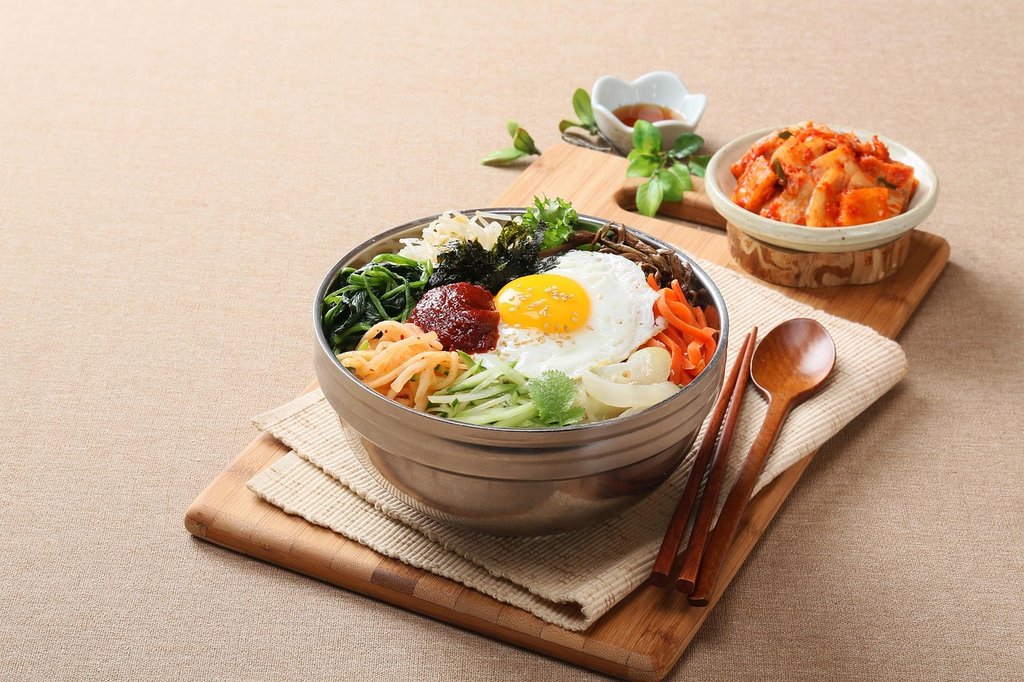
Bibimbap (finishing drizzle): Perilla oil or walnut oil. You want nutty flavor here since the sesame oil is front and center.
Namul (seasoned vegetables): Perilla oil is traditional and ideal. Walnut oil also works. Olive oil in a pinch.
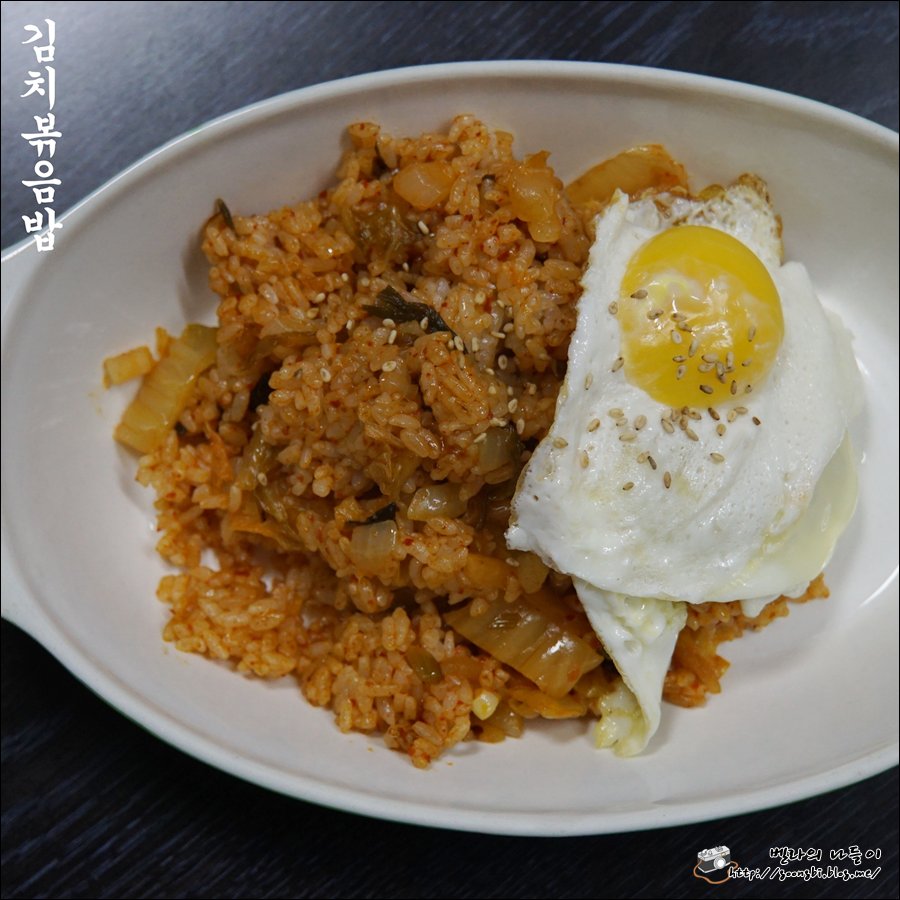
Fried rice: Roasted peanut oil or avocado oil. High heat is involved, so you need something that can handle the wok.
Marinades: Tahini + neutral oil blend, or roasted peanut oil. The sesame flavor will be mixed with many other ingredients anyway.
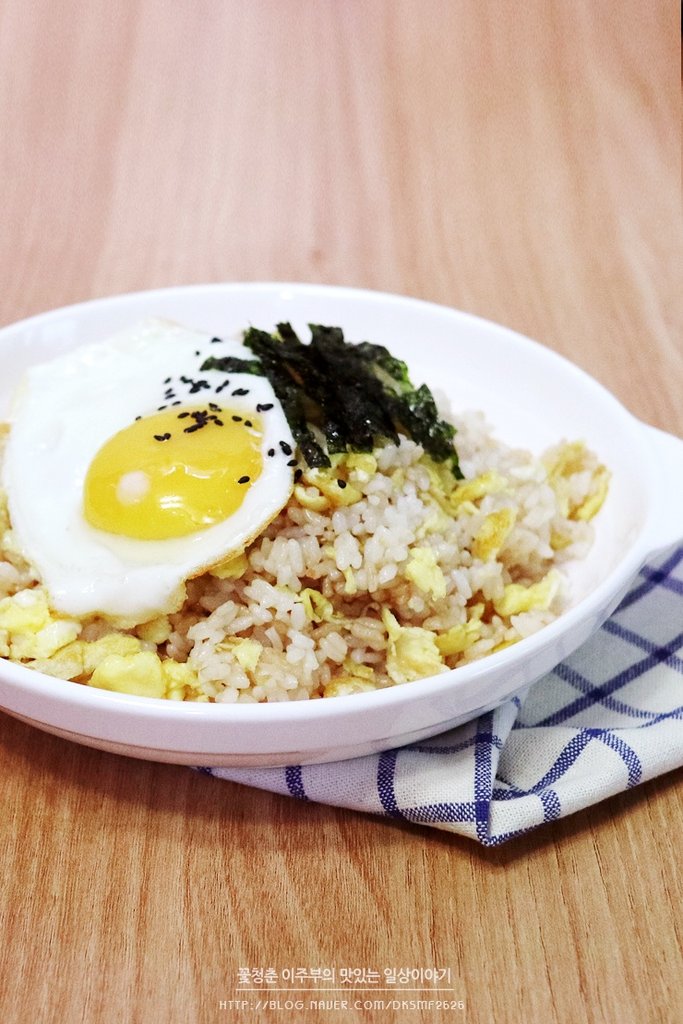
Gyeran-bap (egg rice): Olive oil or avocado oil. The dish is simple enough that a clean, rich oil works fine.
Cold noodle dishes: Walnut oil or perilla oil. These dishes rely on the finishing oil for a lot of flavor.
What to Avoid
A few substitutes that don't work well, based on my experience:
- Coconut oil — too tropical and sweet. The coconut flavor clashes badly with soy sauce and garlic-based Korean seasonings.
- Butter — works in some fusion dishes but solidifies when the food cools, which is a problem for banchan served at room temperature.
- Flaxseed oil — has an unpleasant fishy aftertaste that intensifies with Korean seasonings. Do not use.
- Vegetable/canola oil (plain) — technically works for the fat role but adds zero flavor. Only use if you have no other option and plan to compensate with extra sesame seeds on top.
The Real Solution
Toasted sesame oil is cheap ($5–8 for a bottle that lasts months) and available at most regular supermarkets now, not just Asian grocery stores. If you cook Korean food regularly, just keep a backup bottle. It stores well in a cool, dark place for about 6 months, or in the fridge for a year.
But when you're mid-recipe and the bottle is empty, reach for perilla oil or walnut oil first. Both give you that nutty richness that makes Korean food taste complete. Everything else is a serviceable workaround that'll get you through dinner without a grocery run.
You Might Also Like
Related Guides
10 Fish Sauce Substitutes for Korean Cooking
Need a fish sauce substitute? Here are 10 vegan and traditional alternatives with exact ratios for Korean stews, marinades, and stir-fries.
8 Best Korean Radish (Mu) Substitutes — For Kimchi, Soups & Stews
Can't find Korean radish (mu)? Daikon, turnip, jicama, and 5 more options ranked by dish type. Plus what to avoid and where to find the real thing.
Gochugaru Substitute: 9 Swaps That Actually Work
The best gochugaru substitutes, ranked — 9 swaps with suggested ratios for kimchi, stews, stir-fries, and marinades, from paprika blends to Aleppo pepper.
9 Best Doenjang Substitutes — From Miso to Soy-Free Options
No doenjang? Here are 9 substitutes for Korean soybean paste — from red miso and ssamjang to soy-free options like tahini + soy sauce.
Korean Pantry for Beginners — 10 Essentials
Stock your kitchen with these 10 Korean pantry essentials to make dozens of authentic dishes. Includes where to buy and starter recipes.
Explore This Topic Further
Sesame Oil
Toasted sesame oil adds a nutty aroma to finished dishes. A few drops transform any Korean side dish.
Soy Sauce
Soy sauce seasons marinades, namul, soups, and sauces across Korean cooking. It is one of the site's most-used pantry ingredients.
Korean Recipes with Rice
Korean meals built around rice — quick rice bowls, fried rice, bibimbap, and soups that work best with a bowl on the side.
Korean Recipes with Eggs
Korean recipes where eggs do real work — rice bowls, soups, steamed eggs, and side dishes you can make with a basic fridge.
K-Fridge
Already have some of these pantry staples?
Use K-Fridge to see which Korean recipes you can make tonight with the ingredients you already have at home.