8 Best Korean Radish (Mu) Substitutes — For Kimchi, Soups & Stews
By Logan · Published 2026-04-18 · Updated 2026-05-10
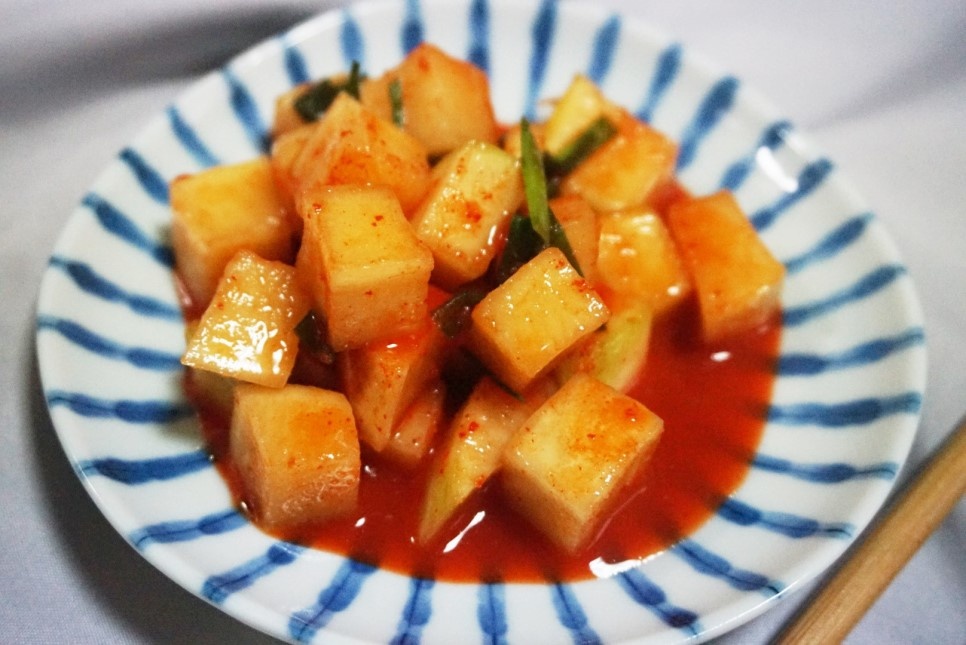
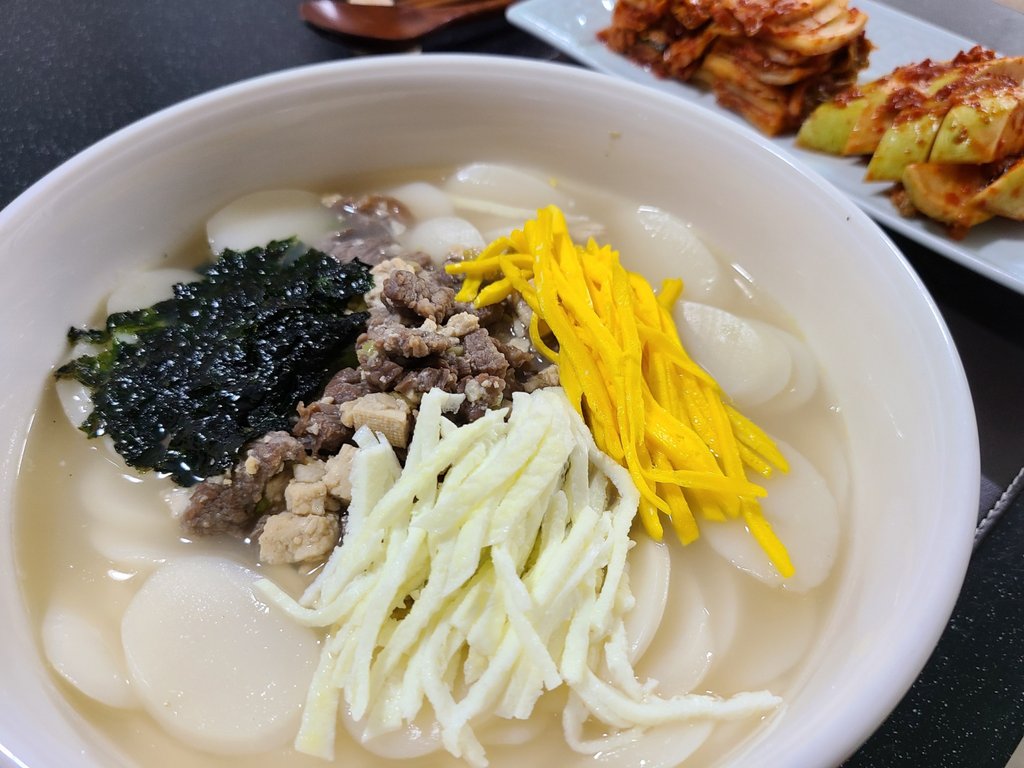
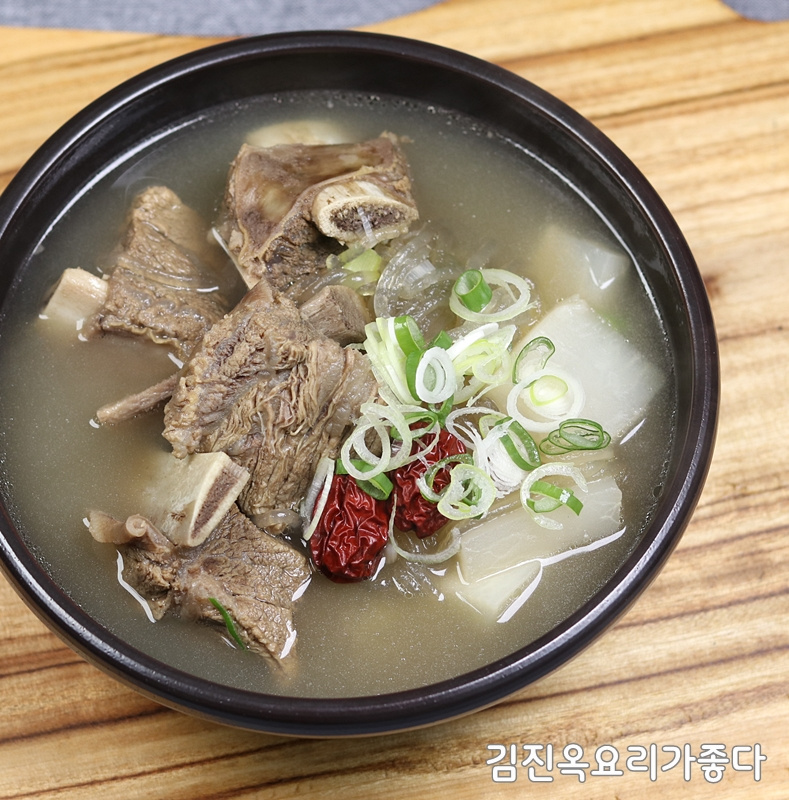
Korean radish — called mu (무) — is shorter, rounder, and denser than the radishes you usually see at Western grocery stores. It has a firm, crunchy texture and a mild sweetness that makes it essential in dishes like kkakdugi, tteokguk, and galbitang. When you bite into a piece of braised mu, it is tender but still holds its shape. That texture is what makes it hard to replace.
But if you cannot find it, here are eight alternatives I have used — ranked from closest match to last resort — plus a couple of common suggestions you should skip entirely.
1. Daikon Radish — The Closest Substitute
Daikon is the first thing to reach for. It is from the same radish family, and in many recipes, you genuinely cannot tell the difference. Most Asian grocery stores carry daikon even if they do not stock Korean radish specifically.
The main differences:
- Daikon is longer and thinner than Korean radish
- It has a slightly higher water content, so it is a touch less dense
- The flavor is very similar — mild, slightly peppery, with a hint of sweetness
Use daikon 1:1 in any recipe. For soups like tteokguk or galbitang, cut it into the same size pieces the recipe calls for and add it at the same time. It will cook at roughly the same rate.
For kkakdugi (cubed radish kimchi), daikon works but the cubes may be slightly softer after fermenting since daikon holds less structure than mu. To compensate, cut your cubes a bit larger — maybe 1-inch instead of 3/4-inch — so they maintain a satisfying crunch.
One tip: look for daikon that feels heavy for its size and has smooth, firm skin. Older daikon gets pithy and spongy inside, which is exactly what you do not want.
2. Luobo (Chinese Radish) — Almost Identical to Mu
Luobo is the Chinese white radish, and honestly, it is so close to Korean mu that many people use the terms interchangeably. If you shop at a Chinese grocery store and cannot find anything labeled "Korean radish," look for luobo or Chinese white radish — it is almost certainly the same thing or extremely close.
The shape is similar to Korean radish — shorter and fatter than daikon, with a greenish top. The flesh is dense and crisp with the same mild sweetness. In a side-by-side taste test, most people would struggle to tell mu and luobo apart.
Use luobo exactly as you would mu: same size cuts, same cooking times, same ratios. It works in every application — kimchi, soups, braised dishes, raw salads. If you live near a Chinese grocery store, this is arguably the easiest and most authentic substitute.
3. Turnip — Good for Cooked Dishes
Turnips are a surprisingly decent substitute in cooked dishes. They have a similar density to Korean radish and hold their shape well when simmered in soups and stews.
The flavor is different — turnips are earthier and slightly bitter compared to mu's clean sweetness. But when they are cooked in a rich broth like galbitang or an anchovy-based stock, that earthiness blends into the background.
Where turnips work well:
- Soups and stews (galbitang, beef bone broth)
- Braised dishes where the radish absorbs sauce
- Any recipe where the radish is cooked for 20+ minutes
Where they do not work:
- Raw preparations like dongchimi or fresh radish salad — the raw turnip flavor is too strong
- Kkakdugi — the texture is wrong and the bitterness clashes with the kimchi seasonings
Use turnips 1:1 by weight. Peel them well since the skin can be tough.
4. Jicama — Best for Raw and Crunchy Applications
Jicama is an interesting option. It is very crunchy, mildly sweet, and has almost no bitterness. It is nothing like radish botanically, but the texture is remarkably similar to raw Korean radish.
I would use jicama for:
- Fresh radish salad (musaengchae) — the crunch is almost identical
- Quick pickled radish where texture matters more than authentic radish flavor
- Any raw preparation where you want that clean, crispy bite
Jicama does not cook well in soups — it gets weirdly starchy and loses its appeal. Keep it for cold or raw dishes only.
You can find jicama at most regular grocery stores in the produce section, often near the specialty root vegetables. It is usually pretty affordable.
5. Rutabaga — Dense and Works for Roasting
Rutabaga is not a common suggestion for Korean cooking, but it actually works well in specific situations. It is denser than turnip, slightly sweet, and holds its shape extremely well during long cooking. Think of it as the sturdiest option on this list.
Where rutabaga shines:
- Braised dishes where you need the radish to hold together for 30+ minutes of cooking
- Roasted side dishes — cut into cubes, toss with sesame oil and salt, roast until caramelized
- Hearty stews where you want vegetable pieces that maintain their shape
The flavor is earthier and slightly more cabbage-like than mu, which makes it less ideal for delicate soups or anything where radish flavor is front and center. But for braised short ribs or a robust jjigae, it blends in well.
Peel rutabaga thoroughly — the skin and the waxy coating are both tough. Cut pieces slightly smaller than you would mu, since rutabaga is denser and takes longer to cook through.
6. Celery Root (Celeriac) — Surprising Soup Substitute
Celery root is an unconventional pick, but hear me out. When peeled and cubed, it has a firm, dense texture that softens nicely in soups without falling apart. The flavor is mild and slightly nutty — not radish-like at all, but it fills the same role in a soup: a firm, absorbent vegetable that soaks up broth flavor.
Where celery root works:
- Mu-guk (radish soup) — it gives you the same body and texture in the broth, even if the flavor is different
- Galbitang or any long-simmered bone broth
- Mixed vegetable soups where radish is one component among many
Where it does not work:
- Kimchi of any kind — the flavor is completely wrong
- Raw dishes — the texture is too fibrous compared to radish's clean snap
- Any recipe where radish flavor is important, not just radish texture
Use celery root 1:1 by volume. Peel it generously — there is usually a thick fibrous layer under the skin that needs to go.
7. Regular Red Radish — A Last Resort
The small round red radishes you see everywhere are technically radishes, but they are a poor substitute for mu. Here is why:
- They are much more peppery and sharp in flavor
- They are too small to cut into proper cubes or slices for most Korean recipes
- They get mushy quickly when cooked
- The red skin can bleed color into soups and sauces
If red radishes are truly all you have, they are usable in a pinch for soups — slice them thin and add them in the last 5 minutes of cooking so they do not turn to mush. But I would call this a last resort, not a recommendation.
8. Watermelon Radish — A Decent Middle Ground
Watermelon radish (the one that is green on the outside and pink inside) is actually closer to Korean radish than regular red radish. It is denser, milder, and holds up better to cooking. The downside is that it will turn your soup pink, which looks strange in a clear broth like galbitang.
For kkakdugi or pickled radish, watermelon radish works reasonably well. The pink color even looks kind of appealing once it is dressed in gochugaru.
Which Substitute for Which Dish?
Different Korean dishes need different things from the radish — sometimes it is about texture, sometimes flavor, sometimes how it interacts with fermentation. Here is a dish-by-dish breakdown:
- Kkakdugi (cubed radish kimchi): Daikon or luobo, cut slightly larger to maintain crunch during fermentation. Watermelon radish also works but changes the color. Nothing else comes close for kimchi.
- Mu-guk (radish soup): Daikon, luobo, or celery root. You need something that softens in broth without dissolving. Turnip also works here.
- Dongchimi (water kimchi): Daikon or luobo only. Dongchimi relies on the clean, mild radish flavor to create a crisp, refreshing brine. Anything with a strong flavor of its own will throw it off.
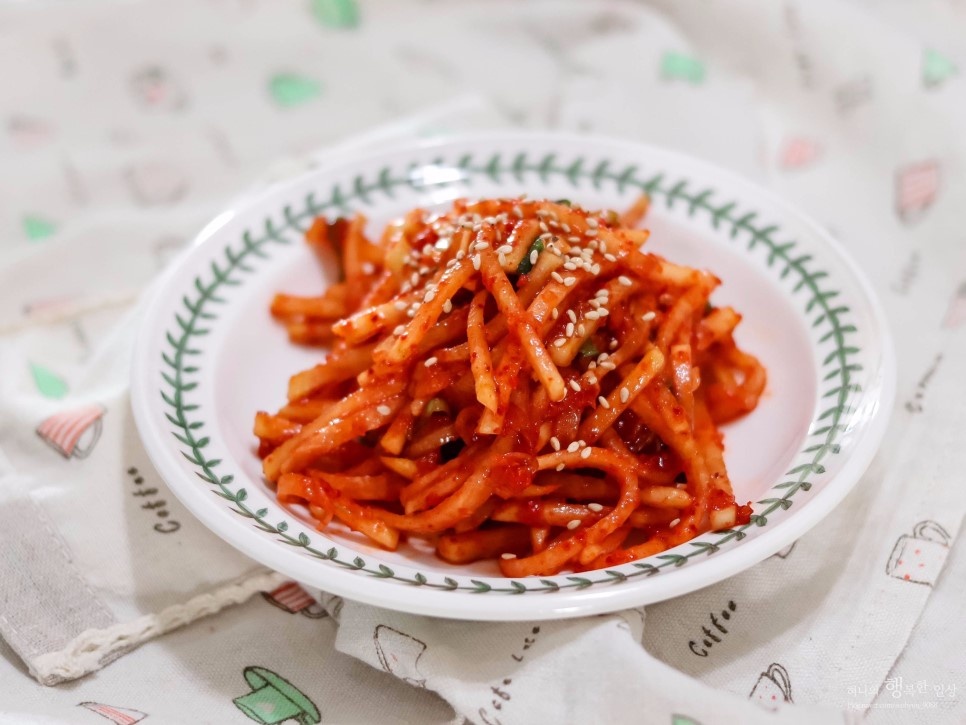
- Musaengchae (radish salad/namul): Daikon or jicama. You need raw crunch and a mild flavor that does not fight the sesame oil and gochugaru dressing.
- Galbitang and bone broth soups: Daikon, luobo, turnip, or rutabaga. The long cooking time mellows any flavor differences, so you have more flexibility here.
- Braised dishes (mu-jorim, radish with soy sauce): Daikon, luobo, turnip, or rutabaga. Dense vegetables that absorb braising liquid work best.
Quick Reference Table
- Daikon: Works for everything. Closest overall match.
- Luobo (Chinese radish): Works for everything. Nearly identical to mu.
- Turnip: Cooked dishes only. Earthy flavor, good structure.
- Jicama: Raw dishes only. Great crunch, no radish flavor.
- Rutabaga: Braised and roasted dishes. Very dense, earthy.
- Celery root: Soups only. Right texture, wrong flavor.
- Red radish: Last resort. Too peppery, too small, mushy when cooked.
- Watermelon radish: Decent middle ground. Watch for color bleed.
What to Avoid
A few substitutes come up in online searches that I want to specifically warn against:
- Horseradish: Despite the name, horseradish has nothing in common with Korean radish. It is intensely pungent, sinus-clearing, and will ruin any Korean dish you add it to. Horseradish is a condiment, not a vegetable. Do not use it.
- Beetroot: Sometimes suggested because of its density and root vegetable status. But beetroot bleeds deep red color into everything, has an extremely sweet and earthy flavor that does not work in Korean cuisine, and the texture when cooked is completely different. Hard pass.
- Parsnip: Parsnips are sweet and starchy in a way that does not match radish at all. They fall apart in soups and have a distinct flavor that clashes with Korean seasonings.
Where to Find Korean Radish
Before you settle for a substitute, it is worth checking if you can find the real thing. Korean radish is more widely available than most people realize:
- H Mart: Always has mu in the produce section. Look for the short, squat, greenish-white radishes that feel surprisingly heavy. Usually very affordable — a single radish is enough for a big pot of soup or a batch of kkakdugi.
- 99 Ranch Market: Often carries mu or luobo, which is close enough to be interchangeable.
- Other Asian grocery stores: Chinese, Japanese, and Vietnamese markets frequently carry Korean radish or a very similar variety.
- Whole Foods: Some locations stock Korean or daikon radish, especially in areas with larger Asian communities. Worth checking the specialty produce section.
- Farmers markets: Some farms grow Korean or daikon radish, especially in the fall. Ask around if you do not see it displayed.
Korean radish keeps well in the fridge for 2-3 weeks if you wrap it in plastic wrap or a zip-top bag. If you find it, buy a couple — it is one of those vegetables that is worth having around because it shows up in so many Korean recipes.
You Might Also Like
Related Guides
10 Fish Sauce Substitutes for Korean Cooking
Need a fish sauce substitute? Here are 10 vegan and traditional alternatives with exact ratios for Korean stews, marinades, and stir-fries.
8 Sesame Oil Substitutes for Korean Cooking
Out of sesame oil? These 8 substitutes work in Korean recipes — with exact ratios and guidance on which substitute fits which dish type.
Gochugaru Substitute: 9 Swaps That Actually Work
The best gochugaru substitutes, ranked — 9 swaps with suggested ratios for kimchi, stews, stir-fries, and marinades, from paprika blends to Aleppo pepper.
Korean Pantry for Beginners — 10 Essentials
Stock your kitchen with these 10 Korean pantry essentials to make dozens of authentic dishes. Includes where to buy and starter recipes.
Where to Buy Korean Ingredients (2026 Guide)
Find Korean cooking ingredients at H Mart, Amazon, Trader Joe's, and online. Includes budget tips, what to buy where, and money-saving strategies.
Explore This Topic Further
Korean Radish
Dense, slightly sweet Korean radish (mu) gives body to soups, kimchi, pickles, and braised dishes.
Gochugaru
Korean red pepper flakes — sun-dried, coarsely ground, and the backbone of kimchi, stews, and most Korean seasoning.
Korean Recipes for Beginners
Start your Korean cooking journey with these beginner-friendly recipes. Simple ingredients, clear instructions, no prior experience needed.
Easy Korean Dinners for Weeknights
Quick and satisfying Korean dinner recipes ready in under 30 minutes. Perfect for busy weeknights.
K-Fridge
Already have some of these pantry staples?
Use K-Fridge to see which Korean recipes you can make tonight with the ingredients you already have at home.