9 Best Doenjang Substitutes — From Miso to Soy-Free Options
By Logan · Published 2026-04-18 · Updated 2026-05-10
Doenjang is one of those ingredients that's hard to replace exactly. It's funky, salty, deeply savory, and has a coarse texture that no other paste quite matches. But if you're mid-recipe and realize you're out — or you just can't find it at your local store — there are solid options that'll get you close enough.
I've tested all of these in actual Korean recipes — jjigae, ssam dipping sauce, marinades, soup bases. Some work better than others depending on the dish. Here's what I've found, ranked from closest match to furthest.
1. Red Miso (Aka Miso) — The Closest Match
Red miso is the best substitute for doenjang, period. It's fermented soybeans, it's salty, and it has that deep umami punch you're looking for. The flavor profile is slightly different — Japanese miso tends to be smoother and a bit less funky — but in a jjigae or soup, most people won't notice the difference.
Use it 1:1. If your recipe calls for 2 tablespoons of doenjang, use 2 tablespoons of red miso. The one thing to watch: red miso can be a touch saltier than some doenjang brands, so taste as you go.
Red miso is easy to find at most grocery stores now. Brands like Marukome and Hikari are widely available. Check the refrigerated section near the tofu.
2. White Miso (Shiro Miso) — Milder but Usable
White miso works in a pinch, but it's noticeably sweeter and milder than doenjang. It's fermented for a shorter time, so it lacks that deep, aged funk that makes doenjang special.
If white miso is all you have, use it — but bump up the quantity slightly (maybe 2.5 tablespoons where you'd use 2 of doenjang) and add a splash of soy sauce to compensate for the missing depth. This works best in lighter soups like doenjangguk where the paste isn't the only flavor driver.
I wouldn't use white miso for something like a ssam-jang dipping sauce where the paste flavor really needs to stand on its own.
3. Ssamjang — Already Has Doenjang In It
Ssamjang is a prepared Korean condiment that's typically a blend of doenjang, gochujang, sesame oil, garlic, and sometimes sugar. If you have ssamjang in your fridge, you already have doenjang — just mixed with other things.
The key difference is that ssamjang contains gochujang, so it's spicier and sweeter than straight doenjang. It also has garlic and sesame oil baked in, so you're adding those flavors whether the recipe wants them or not.
For jjigae: use ssamjang 1:1, but reduce any gochujang the recipe also calls for, since ssamjang already brings heat. For ssam wraps: ssamjang is actually the intended condiment, so you're already there. For marinades: works great as a doenjang replacement since the extra flavors blend in during cooking.
The only place I'd avoid ssamjang is in delicate soups where you want a clean, pure fermented soybean flavor.
4. Doubanjiang (Chinese Fermented Bean Paste) — Spicy but Close
Doubanjiang is the Chinese cousin of doenjang. It's made from fermented broad beans (and sometimes soybeans), and the most common version — Pixian doubanjiang — includes chili peppers, giving it a spicy, deep red color.
The fermented bean base means it shares doenjang's essential character: salty, funky, umami-rich. The main difference is the chili heat. If you use doubanjiang, your dish will be spicier than intended.
To compensate:
- Use about 75% of the doenjang amount called for
- Skip or reduce any gochujang in the recipe
- If you can find non-spicy doubanjiang (labeled "sweet bean paste" or "tian mian jiang"), that's an even closer match
Doubanjiang works especially well in jjigae and braised dishes where the heat blends into the overall flavor. It's widely available at Chinese grocery stores and most Asian supermarkets.
5. Homemade Doenjang Blend — Quick and Surprisingly Good
If you have a few pantry staples, you can fake doenjang well enough for most recipes. Here's the blend I use:
- 2 tablespoons red or white miso
- 1 teaspoon soy sauce
- ½ teaspoon anchovy paste or fish sauce (optional, but adds depth)
- A tiny pinch of sugar
Mix everything together and use it wherever the recipe calls for doenjang. This blend works especially well in doenjang-jjigae and soups where the paste gets diluted into broth anyway.
The anchovy paste or fish sauce adds a layer of savory complexity that plain miso doesn't have. If you're keeping it vegetarian, skip that part and add a bit of mushroom powder instead.
6. Chickpea Miso — The Soy-Free Option
If you're avoiding soy, chickpea miso is worth trying. Brands like Miso Master and South River make a chickpea-based version that's surprisingly close to traditional miso in terms of umami. It won't taste exactly like doenjang, but it brings fermented depth without any soy.
Use it 1:1 and add a tiny pinch of salt if the dish tastes flat. Chickpea miso tends to be a bit lighter in sodium than doenjang.
This is the substitute I'd recommend for anyone with soy allergies who still wants to cook Korean soups and stews. It handles heat well and dissolves into broth just like the real thing.
7. Fermented Black Beans (Douchi) — Funky and Intense
Chinese fermented black beans (douchi) are soybeans that have been salted, fermented, and dried until they're wrinkled and intensely savory. They're the base ingredient in black bean sauce and bring a deep, earthy funk that overlaps with doenjang's fermented character.
To use as a substitute:
- Soak 2 tablespoons of fermented black beans in warm water for 10 minutes
- Mash or chop them into a rough paste
- Use this paste where you'd use doenjang
The flavor is more concentrated and less smooth than doenjang, so start with less and adjust. This works best in stir-fries and braised dishes. For soups, you'll want to blend them smoother or let them simmer long enough to break down.
You can find fermented black beans at Chinese grocery stores — they're usually in small bags near the dried goods. Don't confuse them with black bean paste in a jar, which has additional seasonings.
8. Korean Soy Sauce (Guk-ganjang) — Same Fermentation, Liquid Form
This might sound odd, but traditional Korean soy sauce (guk-ganjang or joseon-ganjang) is actually made from the same fermentation process as doenjang. When meju (fermented soybean blocks) are brined, the liquid becomes guk-ganjang and the solid becomes doenjang. They're siblings.
Obviously, soy sauce is liquid and doenjang is paste — so this isn't a direct texture swap. But in soups and stews where doenjang gets dissolved anyway, guk-ganjang can provide that same fermented soybean depth.
Use about 1 tablespoon of guk-ganjang for every 2 tablespoons of doenjang called for, and add a bit of regular miso or even a spoonful of peanut butter (hear me out — just for the thickness and body) to get closer to a paste consistency.
This is more of a technique than a straight swap, but it's useful if you have Korean soy sauce on hand and nothing else from this list.
9. Tahini + Soy Sauce — The Soy-Free, Nut-Free Alternative
I know what you're thinking — tahini? But stick with me. Tahini alone is a terrible doenjang substitute (it's sesame paste, completely different flavor universe). However, combining it with soy sauce creates something that at least fills the same role in a recipe: thick, salty, and savory.
- 1 tablespoon tahini
- 1 tablespoon soy sauce (or tamari for gluten-free)
- ½ teaspoon rice vinegar
- A pinch of garlic powder
This blend won't taste like doenjang. Let me be upfront about that. But it provides thickness to soups, saltiness to marinades, and enough savory depth to carry a dish. Someone I know who has a severe soy allergy uses this approach (with coconut aminos instead of soy sauce) for Korean-style soups, and it works well enough to scratch the itch.
Use this when soy-based options aren't available and you need a paste-consistency substitute.
Which Substitute for Which Dish?
The right substitute depends entirely on what you're cooking. Here's my recommendation for specific Korean dishes:
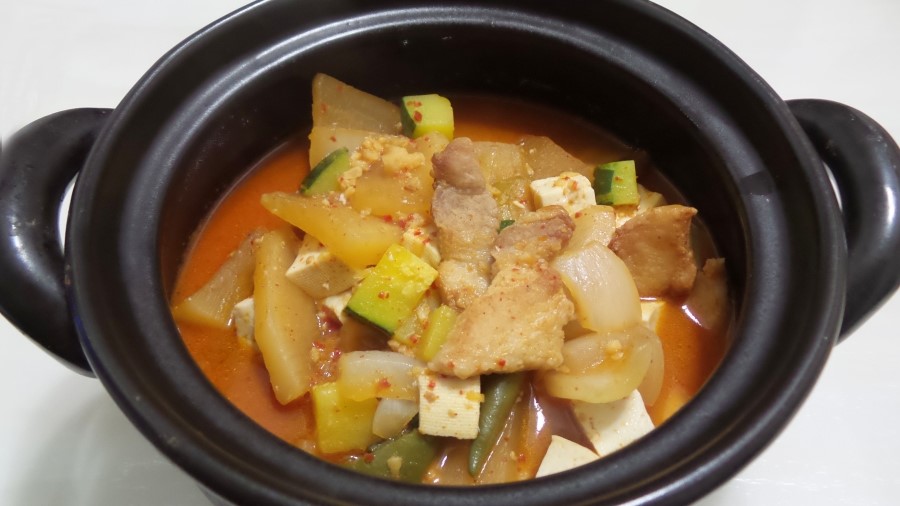
- Doenjang-jjigae: Red miso (#1), 1:1. This is the easiest swap because the broth, tofu, and vegetables carry a lot of the flavor. The homemade blend (#5) is a close second.
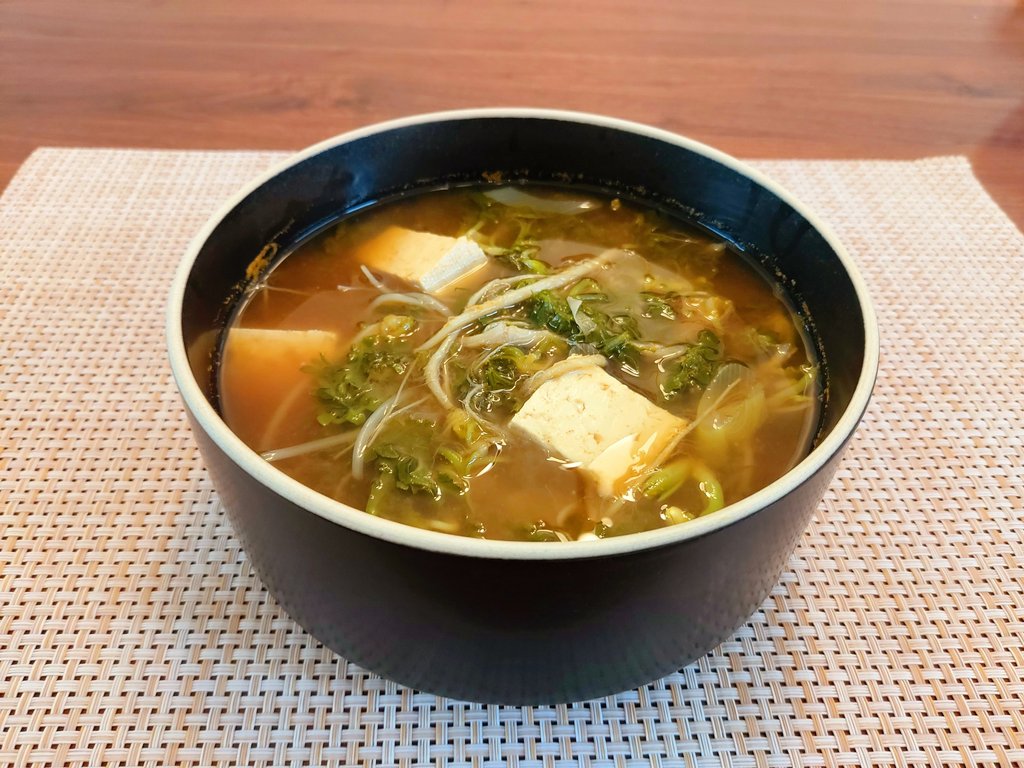
- Doenjangguk (soybean paste soup): Red miso (#1) or white miso (#2) for lighter versions. Since this soup is simpler than jjigae, the paste flavor is more exposed — stick with miso.
- Ssam (lettuce wraps): Ssamjang (#3) is literally the intended condiment. If you don't have ssamjang, mix red miso with a bit of gochujang, sesame oil, and garlic.
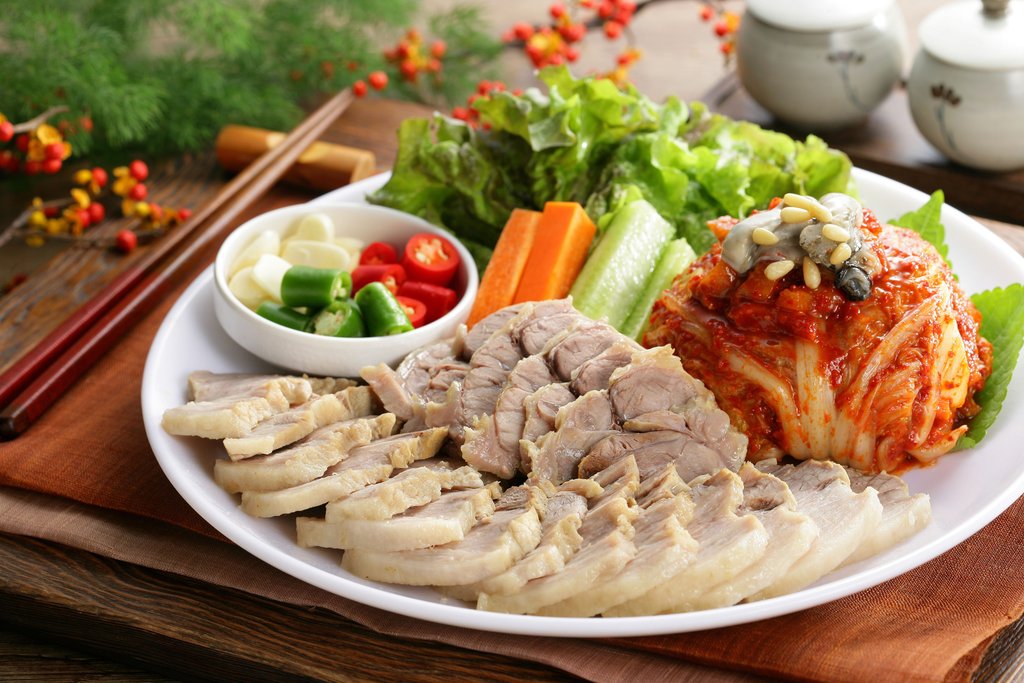
- Bossam marinade: Red miso (#1) or doubanjiang (#4). The fermented flavor melds into the pork during slow cooking.
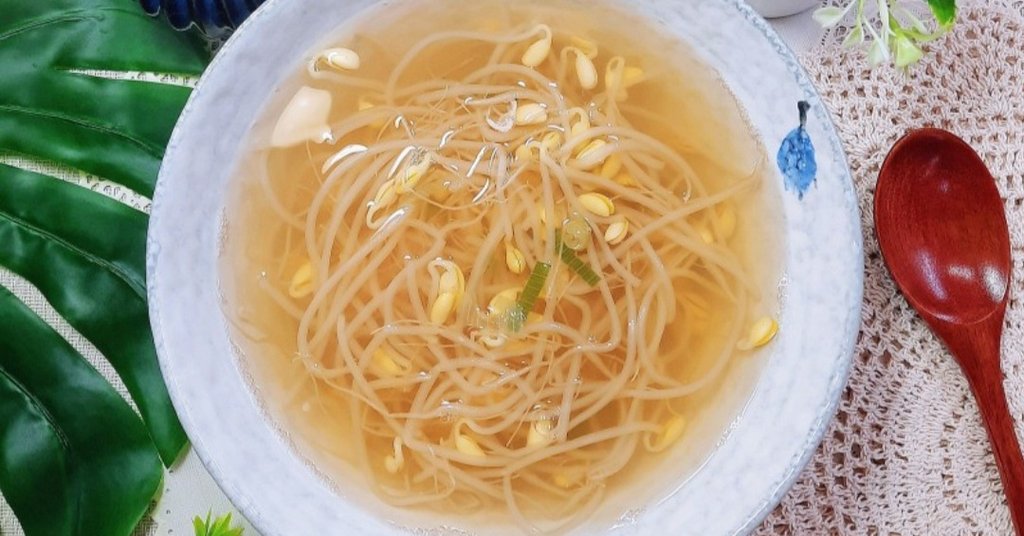
- Kongnamul-guk (bean sprout soup): White miso (#2). This soup is delicate, and white miso's lighter flavor is actually a better fit than strong doenjang.
- Doenjang-based dipping sauce: Homemade blend (#5) with extra soy sauce and sesame oil. You need that punch for raw dipping.
- Stir-fries and fried rice: Ssamjang (#3) or doubanjiang (#4). The extra flavors blend right in.
- Godeungeo-jorim (braised mackerel): Red miso (#1). The strong fish flavor needs an equally strong paste.
Quick Reference
| Substitute | Ratio to Doenjang | Soy-Free? | Best For | Avoid For |
|---|---|---|---|---|
| Red Miso | 1:1 | No | Everything | — |
| White Miso | 1.25:1 | No | Light soups | Ssam dipping sauce |
| Ssamjang | 1:1 | No | Ssam, stir-fries | Delicate soups |
| Doubanjiang | 0.75:1 | No | Jjigae, braised dishes | Dishes needing no heat |
| Homemade Blend | 1:1 | No | Jjigae, soups | — |
| Chickpea Miso | 1:1 | Yes | Soups, stews | — |
| Fermented Black Beans | 0.75:1 | No | Stir-fries, braises | Light soups |
| Korean Soy Sauce | 0.5:1 (liquid) | No | Soups (add thickener) | Raw sauces |
| Tahini + Soy Sauce | 1:1 | Partial* | Soy-allergy households | Authentic flavor needs |
*Soy-free if made with coconut aminos instead of soy sauce.
What Doesn't Work
A few things I've seen recommended online that I'd steer you away from:
- Peanut butter: Sometimes suggested as a doenjang substitute for its thick, salty profile. Please don't. Peanut butter will make your jjigae taste like a Thai peanut sauce, not Korean soybean stew.
- Regular soy sauce alone: Soy sauce adds salt and some umami, but it completely misses the thick, chunky texture and fermented funk of doenjang. It's a last-resort addition to soups, not a substitute on its own.
- Tahini alone: Without soy sauce or other savory additions, tahini is just sesame paste. It tastes nothing like fermented soybeans.
- Yellow miso: Some people lump yellow miso with red miso, but yellow miso is often much milder (closer to white). If you're buying miso specifically as a doenjang substitute, go for the darkest red you can find.
Where to Buy the Real Thing
If you want actual doenjang, H Mart and most Korean grocery stores carry multiple brands. Sempio and Chungjungone are reliable everyday options. On Amazon, you can find both brands with Prime shipping — just check the expiration dates since fermented pastes do vary in freshness.
Doenjang keeps for months in the fridge once opened, so it's worth buying a tub even if you only cook Korean food occasionally. A 500g container will last you through dozens of recipes.
Bottom Line
Red miso is your best bet for nearly every situation. If you cook Korean food regularly, it's worth keeping both doenjang and red miso in your fridge — they're similar enough to swap in emergencies but different enough that each brings something unique to the table. For soy-free cooking, chickpea miso or the tahini-soy blend will get you through. And if you have ssamjang sitting in your fridge, don't forget — doenjang is already in there.
You Might Also Like
Related Guides
What Is Doenjang? Korean Fermented Soybean Paste Explained
Learn what doenjang is, how it differs from miso, health benefits, key recipes, and a buying guide for Korean fermented soybean paste.
What to Cook with Doenjang — 12 Ways to Use Korean Soybean Paste
Doenjang isn't just for soup. Here are 12 ways to use Korean soybean paste — from jjigae to salad dressing to marinades, organized by season and difficulty.
9 Best Gochujang Substitutes — DIY Blends That Actually Work
Out of gochujang? These 9 DIY blends using sriracha, miso, harissa, sambal oelek, and more get surprisingly close to the real thing in Korean recipes.
10 Fish Sauce Substitutes for Korean Cooking
Need a fish sauce substitute? Here are 10 vegan and traditional alternatives with exact ratios for Korean stews, marinades, and stir-fries.
8 Sesame Oil Substitutes for Korean Cooking
Out of sesame oil? These 8 substitutes work in Korean recipes — with exact ratios and guidance on which substitute fits which dish type.
Explore This Topic Further
Doenjang
Korean fermented soybean paste — deeper and earthier than miso, the base of doenjang jjigae and many Korean soups.
Gochugaru
Korean red pepper flakes — sun-dried, coarsely ground, and the backbone of kimchi, stews, and most Korean seasoning.
Korean Recipes for Beginners
Start your Korean cooking journey with these beginner-friendly recipes. Simple ingredients, clear instructions, no prior experience needed.
Easy Korean Dinners for Weeknights
Quick and satisfying Korean dinner recipes ready in under 30 minutes. Perfect for busy weeknights.
K-Fridge
Already have some of these pantry staples?
Use K-Fridge to see which Korean recipes you can make tonight with the ingredients you already have at home.