10 Fish Sauce Substitutes for Korean Cooking
By Logan · Published 2026-04-18 · Updated 2026-05-10
Fish sauce shows up in a lot of Korean recipes — kimchi, jjigae, gyeran-jjim, braised dishes, and more. It adds a salty, deeply savory backbone that's hard to replicate with a single ingredient. But whether you're vegan, allergic to fish, or simply ran out of your bottle, there are good alternatives.
I've split these into two categories: non-vegan options (for when you just need a different umami source) and vegan options (for when you're avoiding all animal products). I've tested all of these in actual Korean dishes, so the recommendations are based on what actually works in the kitchen.
Non-Vegan Substitutes
1. Salted Shrimp (Saeujeot) — The Korean-Specific Pick
If you're specifically cooking Korean food and don't have fish sauce (aekjeot), salted shrimp is the most authentic substitute. Saeujeot is tiny fermented shrimp packed in salt, and it's used alongside or instead of fish sauce in many traditional Korean recipes — especially when making kimchi.
Use about half the amount of fish sauce called for, since saeujeot is intensely salty and has a concentrated funk. For kimchi, many recipes actually call for both fish sauce and salted shrimp, so you can just increase the saeujeot if you're out of aekjeot.
Finely mince or blend the shrimp before adding them to smooth sauces. In jjigae and stews, you can drop them in whole — they'll dissolve as the soup simmers. You can find saeujeot at any Korean grocery store, usually in the refrigerated section near the kimchi.
2. Anchovy Paste — The Closest Flavor Match
Anchovy paste is essentially concentrated anchovies in a tube. Since Korean fish sauce (aekjeot) is often made from fermented anchovies anyway, this is about as close as you can get without using the actual product.
Use about half the amount — if a recipe calls for 1 tablespoon of fish sauce, use about 1½ teaspoons of anchovy paste. Anchovy paste is more concentrated and thicker, so you need less. Mix it into the liquid component of your recipe to help it dissolve.
Anchovy paste works especially well in kimchi jjigae and any stew where the fish sauce is simmered into the broth. Brands like Amore and Crown Prince are easy to find at regular grocery stores.
3. Worcestershire Sauce — Surprisingly Useful
Worcestershire sauce contains anchovies, tamarind, vinegar, and molasses. It's not a perfect match for fish sauce, but it brings a complex, fermented savoriness that fills a similar role.
Use it 1:1, but be aware that Worcestershire adds a slight sweetness and tanginess that fish sauce doesn't have. This works fine in marinades and cooked dishes. I wouldn't use it in raw applications like kimchi seasoning — the vinegar and spice profile is too different.
4. Oyster Sauce — For Stir-Fries and Marinades
Oyster sauce is thicker and sweeter than fish sauce, but it adds umami depth. Use about half the amount of fish sauce called for, and add a pinch of salt to compensate. This works well in stir-fries and marinades but doesn't dissolve well in soups, so keep it to dishes where you're coating ingredients rather than building a broth.
5. Soy Sauce + Rice Vinegar — Simple Two-Ingredient Combo
This isn't a perfect substitute on its own, but mixing soy sauce with a small splash of rice vinegar gets you closer to fish sauce's flavor than plain soy sauce alone. The vinegar adds a faint tang that mimics the slight acidity of fermented fish sauce.
- 1 tablespoon soy sauce
- ½ teaspoon rice vinegar
This works as a quick non-vegan or vegan substitute (depending on whether you use regular or vegan soy sauce). Use it in stir-fries, japchae seasoning, or light soups where fish sauce plays a supporting role rather than the lead.
Vegan Substitutes
6. Soy Sauce — The Simplest Swap
Soy sauce is the most accessible substitute and the one I reach for most often when cooking vegan Korean food. It won't give you the exact same flavor — soy sauce is cleaner and more straightforward than the funky complexity of fish sauce — but it covers the salt and umami bases.
Use it 1:1. For a deeper flavor, use dark soy sauce (available at most Asian grocery stores) which has a richer, more caramelized taste. Regular Kikkoman works fine for everyday cooking.
To get closer to fish sauce's depth, combine soy sauce with one of the boosters below.
7. Mushroom Sauce (Vegetarian Stir-Fry Sauce) — Deep and Savory
Mushroom-based soy sauces are a game-changer for vegan Korean cooking. These are soy sauces infused with dried mushrooms, giving them an extra layer of umami that regular soy sauce lacks.
The most popular brand is Healthy Boy Mushroom Soy Sauce from Thailand, but Lee Kum Kee also makes a mushroom-flavored dark soy sauce. Use it 1:1 as a fish sauce replacement.
This is the substitute I recommend most for kimchi jjigae when cooking vegan — it comes closest to replicating the depth that fish sauce provides.
8. Mushroom + Kelp + Soy DIY Broth — The Ultimate Vegan Umami
This is the substitute that takes a bit more effort but gets you the closest to fish sauce's complex, layered flavor without any animal products. It's inspired by the approach many vegan Korean cooks use.
To make it:
- Soak a 4-inch piece of dried kelp (dashima) and 3-4 dried shiitake mushrooms in 2 cups of water for at least 30 minutes
- Heat gently until the water just starts to simmer (don't boil — kelp gets bitter)
- Remove the kelp and mushrooms
- Reduce the broth to about ½ cup for concentrated flavor
- Stir in 1 tablespoon soy sauce and a pinch of salt
This concentrated broth stores in the fridge for up to a week. Use 1-2 tablespoons wherever a recipe calls for fish sauce. The combination of glutamate from the kelp, guanylate from the mushrooms, and soy sauce creates a triple-umami hit that's genuinely impressive.
This is especially good for vegan kimchi, doenjang-jjigae, and any soup base. If you make vegan Korean food regularly, consider making a batch at the start of each week.
9. Coconut Aminos — Low Sodium and Subtly Sweet
Coconut aminos are made from fermented coconut sap. They're soy-free, lower in sodium, and have a gentle sweetness. On their own, they're a bit mild as a fish sauce substitute — but they work well in dishes where you don't want an overly salty result.
Use about 1.5x the amount of fish sauce called for, since coconut aminos are less concentrated. Brands like Coconut Secret and Bragg are widely available at Whole Foods, Trader Joe's, and Amazon.
Good for: kkakdugi seasoning, gyeran-jjim, light soups.
10. Salt — The Emergency Fallback
I know, I know — salt isn't a real "substitute." But if you're genuinely out of everything on this list, a pinch of salt will at least cover the most essential thing fish sauce does: make your food salty enough. You'll lose all the umami and depth, but your dish won't be under-seasoned.
Use about ¼ teaspoon of salt for every tablespoon of fish sauce the recipe calls for. Taste and adjust. If you have any MSG on hand, add a small pinch of that too — it'll cover the umami gap surprisingly well.
This is strictly a last resort for when you've already started cooking and realize there's nothing else available.
The Power Combo — My Go-To Vegan Substitute
When I want to get as close to fish sauce as possible without using any animal products, I combine:
- 1 tablespoon soy sauce
- ½ teaspoon rice vinegar
- ½ teaspoon mushroom powder (or a splash of mushroom soy sauce)
- A pinch of sugar
This blend covers salt, acid, umami, and a touch of sweetness — hitting all the same notes that fish sauce does. It works in virtually any Korean recipe.
Korean Dishes and Their Best Fish Sauce Substitute
Not all Korean dishes use fish sauce the same way. Here's what to reach for depending on what you're cooking:
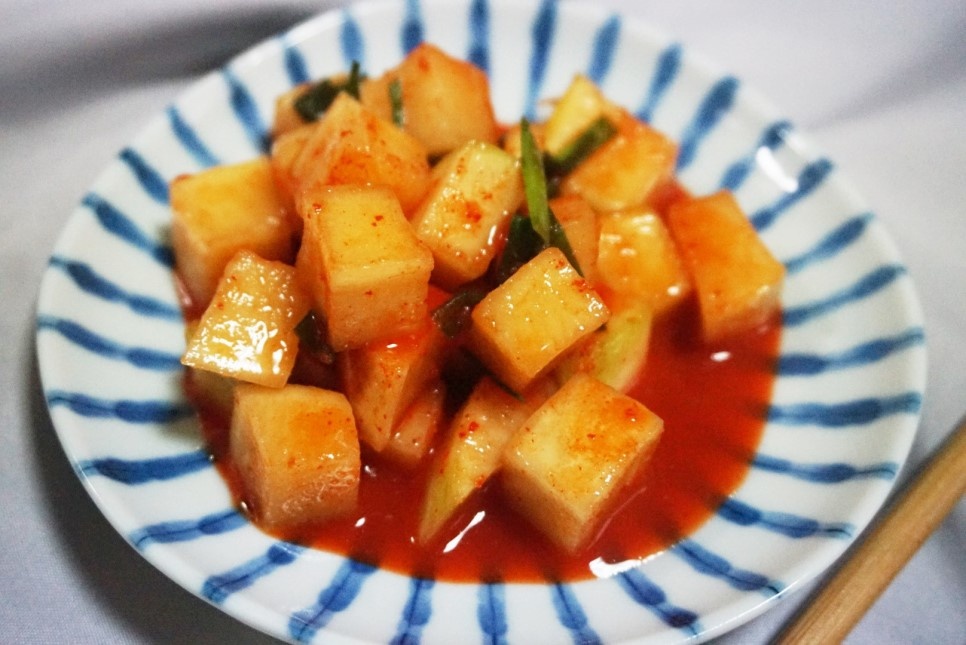
- Kimchi (baechu-kimchi, kkakdugi): Saeujeot (#1) for traditional, mushroom-kelp broth (#8) for vegan. Kimchi relies heavily on fermented seafood for its signature funk, so this is where substitute choice matters most.
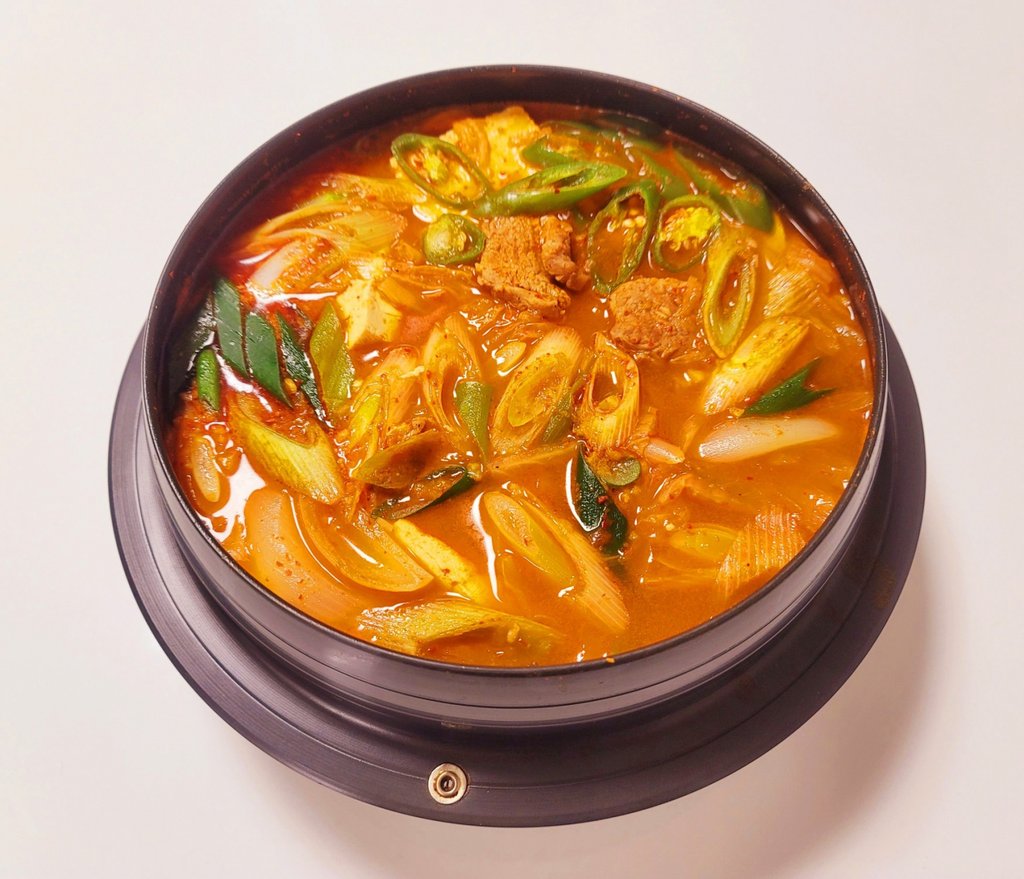
- Kimchi jjigae: Mushroom soy sauce (#7) or anchovy paste (#2). The bold broth and gochugaru will mask subtle differences.
- Doenjang-jjigae: Soy sauce (#6) or the power combo. The doenjang itself carries so much umami that fish sauce is a supporting player here.
- Gyeran-jjim (steamed egg): Soy sauce (#6) or coconut aminos (#9). Keep it light — this dish is delicate.
- Japchae: Soy sauce + rice vinegar (#5). The sesame oil and sweet potato noodles do most of the flavor work.
- Namul (seasoned vegetables): Soy sauce (#6), 1:1. Namul seasoning is simple, and soy sauce handles it fine.
- Jjamppong (spicy seafood noodle soup): Anchovy paste (#2) or Worcestershire (#3). You want that seafood backbone.
- Sundubu-jjigae: Mushroom soy sauce (#7) or the DIY broth (#8). The tofu absorbs whatever umami you give it.
- Tteok-galbi (grilled short rib patties): Soy sauce (#6) or oyster sauce (#4). These are heavily seasoned anyway.
Quick Reference
| Substitute | Type | Ratio to Fish Sauce | Best For |
|---|---|---|---|
| Salted Shrimp (Saeujeot) | Non-vegan | 0.5:1 | Kimchi, traditional dishes |
| Anchovy Paste | Non-vegan | 0.5:1 | Stews, jjigae |
| Worcestershire Sauce | Non-vegan | 1:1 | Marinades, cooked dishes |
| Oyster Sauce | Non-vegan | 0.5:1 | Stir-fries, marinades |
| Soy Sauce + Rice Vinegar | Either | 1:1 | Light dishes, japchae |
| Soy Sauce | Vegan | 1:1 | Everything (basic swap) |
| Mushroom Soy Sauce | Vegan | 1:1 | Jjigae, kimchi |
| Mushroom-Kelp DIY Broth | Vegan | 1-2 tbsp | Soups, vegan kimchi |
| Coconut Aminos | Vegan | 1.5:1 | Low-sodium, delicate dishes |
| Salt (+ MSG) | Vegan | ¼ tsp per 1 tbsp | Emergency only |
Storage and Buying Tips
A few notes on keeping your fish sauce substitutes fresh:
- Soy sauce: Keeps for years in the pantry, but refrigerate after opening for best flavor. Dark soy sauce lasts even longer.
- Mushroom soy sauce: Same as regular soy sauce. Refrigerate after opening.
- Saeujeot: Must be refrigerated. Lasts several months once opened. The color will darken over time but it's still fine to use.
- Anchovy paste: Refrigerate after opening. Lasts about 12 months in the tube.
- Coconut aminos: Refrigerate after opening. Use within 6 months for best flavor.
- DIY mushroom-kelp broth: Keeps in the fridge for about a week. Freeze in ice cube trays for longer storage — pop out a cube whenever you need a tablespoon.
If you eat seafood, fish sauce is absolutely worth having in your pantry — a bottle lasts a long time and adds a lot to Korean cooking. Squid Brand and Three Crabs are solid choices, and Korean brands like CJ or Chung Jung One make aekjeot specifically formulated for Korean recipes. But these substitutes prove that you can make excellent Korean food without it.
You Might Also Like

Related Guides
9 Best Doenjang Substitutes — From Miso to Soy-Free Options
No doenjang? Here are 9 substitutes for Korean soybean paste — from red miso and ssamjang to soy-free options like tahini + soy sauce.
9 Best Gochujang Substitutes — DIY Blends That Actually Work
Out of gochujang? These 9 DIY blends using sriracha, miso, harissa, sambal oelek, and more get surprisingly close to the real thing in Korean recipes.
8 Sesame Oil Substitutes for Korean Cooking
Out of sesame oil? These 8 substitutes work in Korean recipes — with exact ratios and guidance on which substitute fits which dish type.
8 Best Korean Radish (Mu) Substitutes — For Kimchi, Soups & Stews
Can't find Korean radish (mu)? Daikon, turnip, jicama, and 5 more options ranked by dish type. Plus what to avoid and where to find the real thing.
Korean Pantry for Beginners — 10 Essentials
Stock your kitchen with these 10 Korean pantry essentials to make dozens of authentic dishes. Includes where to buy and starter recipes.
Explore This Topic Further
Gochugaru
Korean red pepper flakes — sun-dried, coarsely ground, and the backbone of kimchi, stews, and most Korean seasoning.
Sesame Oil
Toasted sesame oil adds a nutty aroma to finished dishes. A few drops transform any Korean side dish.
Korean Recipes for Beginners
Start your Korean cooking journey with these beginner-friendly recipes. Simple ingredients, clear instructions, no prior experience needed.
Easy Korean Dinners for Weeknights
Quick and satisfying Korean dinner recipes ready in under 30 minutes. Perfect for busy weeknights.
K-Fridge
Already have some of these pantry staples?
Use K-Fridge to see which Korean recipes you can make tonight with the ingredients you already have at home.