Mirin Substitute: 8 Options That Work in Korean Cooking
By Logan · Published 2026-10-12 · Updated 2026-10-12
| Product | Alcohol | Flavor | Best For | Ratio (per 1 Tbsp mirin) |
|---|---|---|---|---|
| Sake + SugarClosest Match | Yes | Clean, mellow sweetness | Marinades, braised fish | 1 Tbsp + 1/2–1 tsp sugar |
| Cheongju / Soju + SugarMost Traditional | Yes | Dry, neutral | Bulgogi, boiled pork | 1 Tbsp + 1/2–1 tsp sugar |
| Dry White Wine + Sugar | Yes | Bright, slightly fruity | Stir-fries, soups | 1 Tbsp + 1/2 tsp sugar |
| Dry Sherry + Sugar | Yes | Nutty, deep | Soy braises, dark marinades | 1 Tbsp + 1/2 tsp sugar |
| Shaoxing Wine + Sugar | Yes | Savory, slightly salty | Braised pork, seafood | 1 Tbsp + 1/2–1 tsp sugar |
| Rice Vinegar + SugarBest Non-Alcoholic | No | Sweet-tart | Braised fish, glazes | 1/2 Tbsp + 1/2 Tbsp water + 1 tsp sugar |
| White Grape Juice + Rice Vinegar | No | Fruity, mild | Kid-friendly bulgogi | 1 Tbsp + 1/2 tsp vinegar |
| Water + SugarEmergency Only | No | Plain sweetness | Light dishes, small amounts | 1 Tbsp + 1 tsp sugar |
Mirin shows up in a lot of Korean recipes — bulgogi marinades, braised fish, soy-glazed dishes — usually as a tablespoon or two that quietly rounds everything out. It adds a gentle sweetness, a touch of umami, and a glossy finish, and it helps tame the strong smell of meat and fish. Then one day you reach for the bottle and it's empty, or the store near you simply doesn't carry it.
The good news: mirin is one of the easier Korean pantry items to work around. Most of what it does can be rebuilt from things you already have, as long as you understand what you're replacing. Here are the substitutes that work, with starting ratios for Korean dishes — taste and adjust, since brands of mirin vary in sweetness.
What Mirin Does in Korean Cooking
Mirin is a sweet rice wine, originally Japanese, that Korean home cooks adopted decades ago. In Korea it's often sold as "mirim" or labeled 맛술 (matsul, literally "flavor liquor"). The two aren't identical — Korean cooking wine is usually less sweet and may include ginger or other flavorings — but recipes written in English tend to use "mirin" for both.
In a recipe, mirin does three jobs at once:
- Sweetness: a soft, rounded sweetness that doesn't taste like plain sugar.
- Gloss and body: the sugars help sauces cling and shine, especially in braises like soy-braised fish or jorim dishes.
- Deodorizing: the alcohol helps mask the gamey or fishy smell of meat and seafood as it cooks off.
Any substitute needs to cover at least the first job. If the dish involves fish or pork, you'll also want something with alcohol (or a splash of acid) to handle the third.
1. Sake + Sugar — The Closest Match
Mirin is essentially a sweeter, lower-alcohol cousin of sake, so sake with a little sugar gets you almost all the way there. For every 1 tablespoon of mirin, use 1 tablespoon of sake plus 1/2 to 1 teaspoon of sugar — start low and add more if the dish tastes flat. Stir until the sugar dissolves before adding it to the pan.
This works in everything — marinades, braises, glazes — and it keeps the alcohol that helps with fishy smells. Cheap cooking sake is fine; you're not drinking it.
Best for: Braised fish, bulgogi marinade, any recipe where mirin is more than a background note.
2. Korean Cooking Wine (Cheongju or Matsul) + Sugar
If you have Korean cheongju (clear rice wine) or a bottle labeled matsul or "cooking wine" from a Korean grocery, that's arguably more traditional than mirin for Korean dishes. Use the same 1:1 ratio with 1/2 teaspoon of sugar per tablespoon. If the bottle already tastes slightly sweet, cut the sugar in half.
Soju works here too, though it's drier and a little harsher. Use it 1:1 with a full teaspoon of sugar per tablespoon.
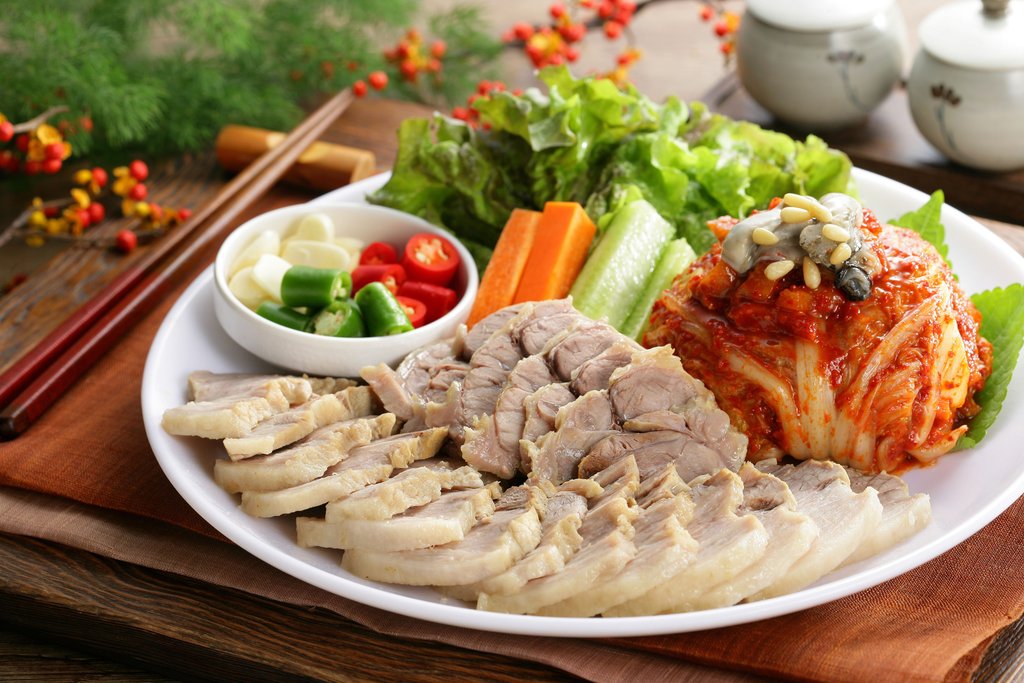
Best for: Galbi and bulgogi marinades, suyuk and bossam (boiled pork), stews with pork.
3. Dry White Wine + Sugar
A dry white wine like a Sauvignon Blanc or Pinot Grigio is the substitute most Western kitchens already have. It brings alcohol and a little acidity, and the sugar fills in the sweetness. Use 1 tablespoon of wine plus 1/2 teaspoon of sugar per tablespoon of mirin.
The flavor is a bit brighter and more grapey than mirin, which can be nice in lighter dishes but slightly noticeable in delicate glazes. Avoid anything oaky or sweet — a buttery Chardonnay will taste odd in japchae.
Best for: Marinades, stir-fries, soups where mirin is a minor ingredient.
4. Dry Sherry + Sugar
Dry sherry has a nutty depth that plays surprisingly well with soy sauce and sesame oil. Use 1:1 with 1/2 teaspoon of sugar per tablespoon. Because sherry is more assertive than mirin, this is best in richly flavored dishes rather than clean, light ones.
Skip "cooking sherry" from the vinegar aisle if you can — it's heavily salted, and you'll need to cut back the soy sauce to compensate.
Best for: Soy-braised dishes (jorim), braised pork belly, dark marinades.
5. Shaoxing Wine + Sugar
Chinese Shaoxing rice wine is a solid stand-in if you cook a lot of Chinese food. It's darker and more savory than mirin, so use it 1:1 with 1/2 to 1 teaspoon of sugar. It's excellent at covering the smell of pork and seafood.
Like cooking sherry, most grocery-store Shaoxing is salted. Taste the dish before adding all the soy sauce.
Best for: Braised meats, jokbal-style dishes, stir-fried seafood.
6. Rice Vinegar + Sugar — Best Non-Alcoholic Option
If you need to skip alcohol entirely, rice vinegar with sugar is the most common choice. Straight vinegar is too sharp, so dilute it: mix 1/2 tablespoon of rice vinegar, 1/2 tablespoon of water, and 1 teaspoon of sugar for every tablespoon of mirin. That's more sugar than the alcohol-based options because you're also balancing the vinegar's sourness.
The result is sweet-tart rather than sweet-mellow, so it changes the dish a little. It still gives you gloss and helps with fishy smells thanks to the acidity. Use it mostly in cooked dishes where the vinegar can soften.
Best for: Braised fish, glazes, dipping sauces.
7. White Grape Juice + Rice Vinegar
Another alcohol-free route that gets closer to mirin's fruity sweetness. Combine 1 tablespoon of white grape juice with 1/2 teaspoon of rice vinegar per tablespoon of mirin. No added sugar needed — the juice is sweet enough.
This one is especially good for kids' versions of Korean dishes or anyone avoiding alcohol. The grape note is faint once cooked.
Best for: Bulgogi for kids, mild braises, sweet-soy glazes.
8. Water + Sugar — The Emergency Fix
If all you need is the sweetness, 1 tablespoon of water with 1 teaspoon of sugar will carry a recipe. You lose the alcohol's deodorizing effect and some depth, so add a little extra garlic or ginger if the dish involves meat or fish. Honey works instead of sugar, but use slightly less because it's sweeter.
Best for: Vegetable stir-fries, simple soy sauces, and other light dishes where mirin is 1 tablespoon or less.
Which Substitute for Which Dish?
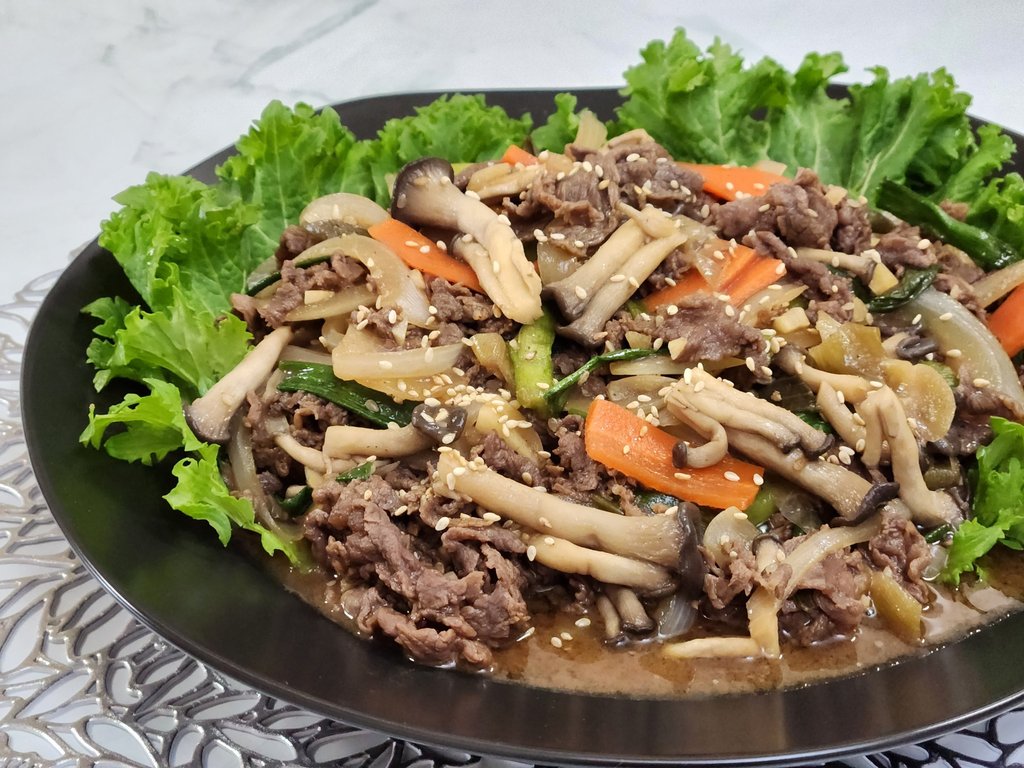
Bulgogi and galbi marinades: Sake, cheongju, or soju with sugar. The alcohol matters here — it tenderizes a little and keeps the beef from tasting flat.
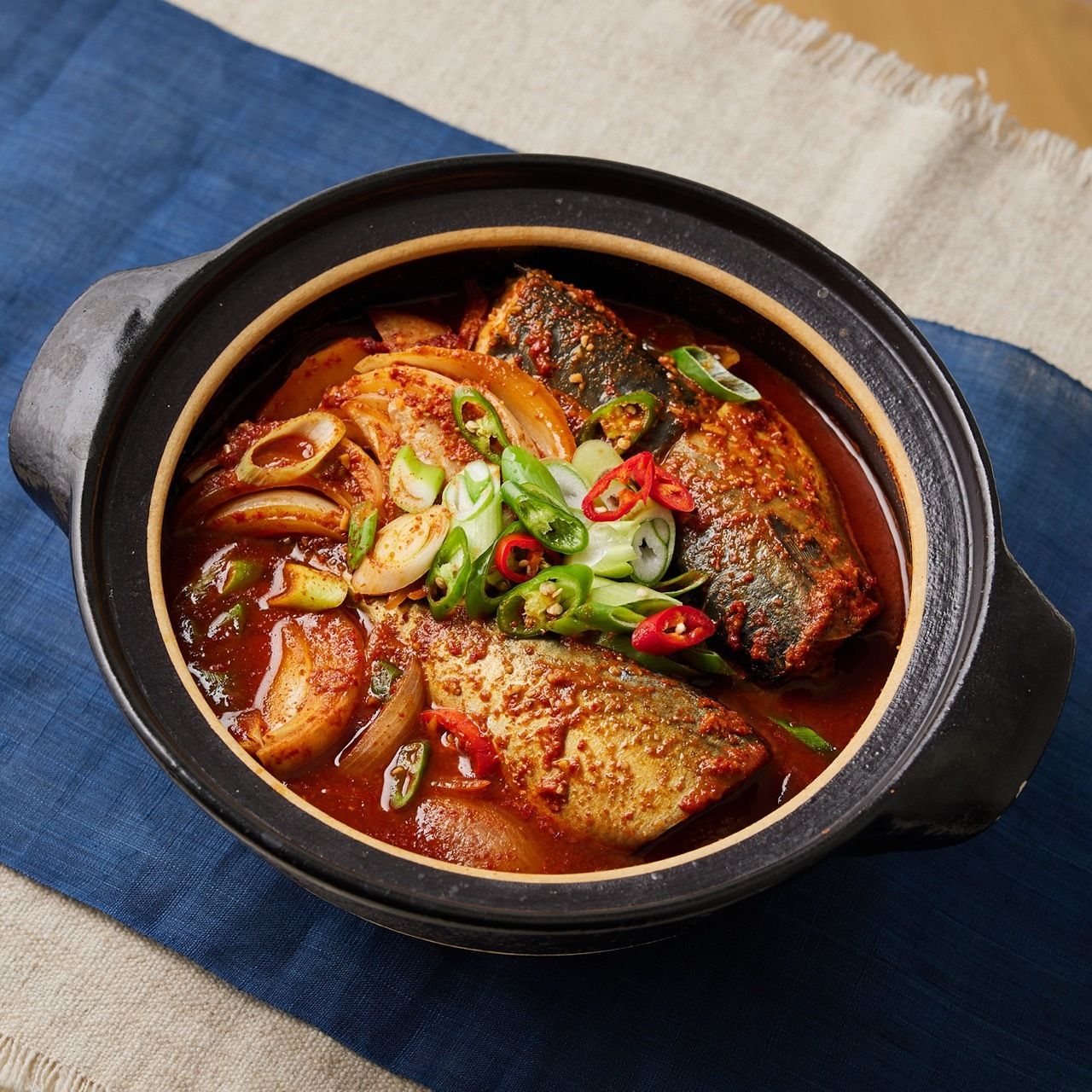
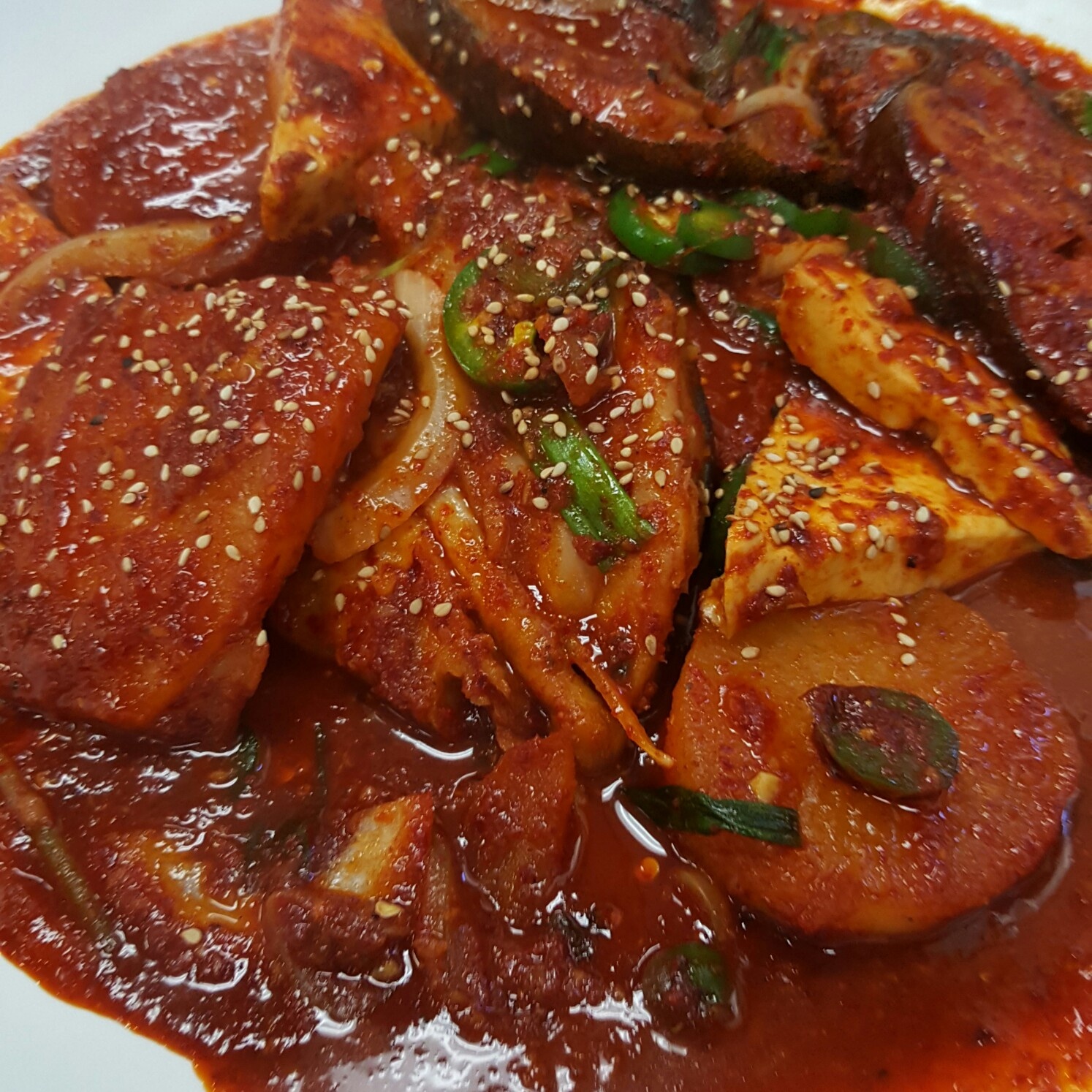
Braised fish (mackerel, black cod): Sake or rice vinegar with sugar. Fish needs something to cut the smell; plain water and sugar won't do it.
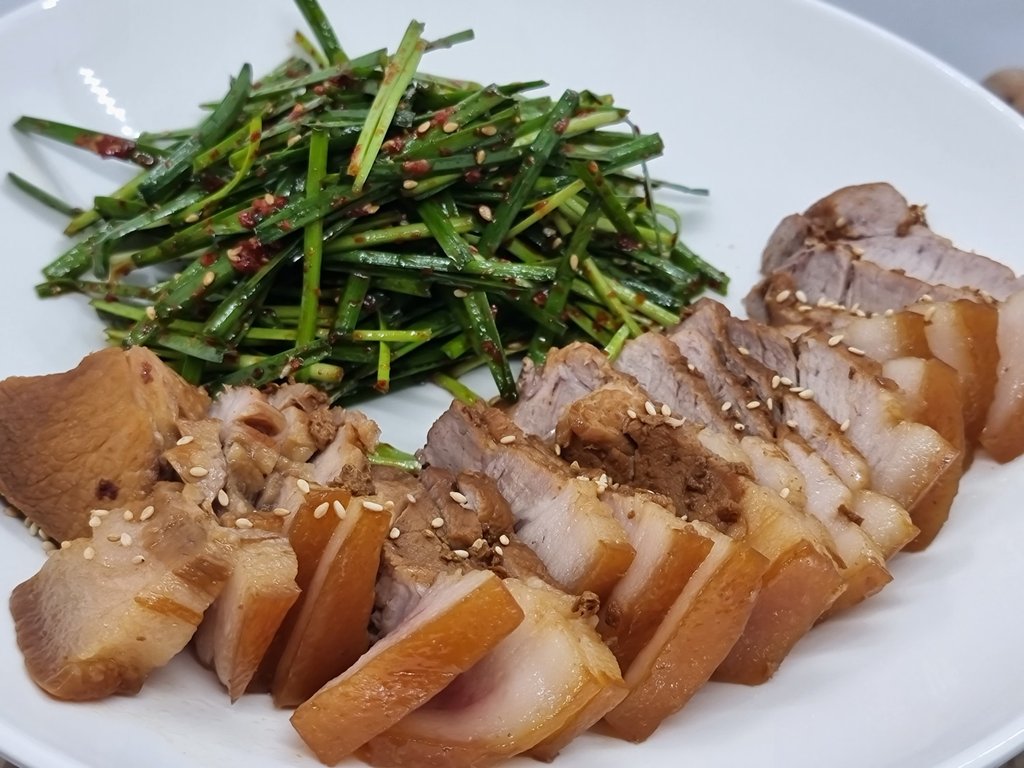
Boiled pork (suyuk, bossam): Any rice wine or soju — the alcohol does most of the work against the pork smell here, so the non-alcoholic options are a weaker fit.
Japchae and vegetable stir-fries: White wine, grape juice, or water and sugar all work. Mirin is minor here.
Soy glazes and jorim: Sake, sherry, or rice vinegar with sugar — you want the gloss.
Quick Ratio Reference
All ratios are per 1 tablespoon of mirin:
- Sake: 1 Tbsp + 1/2–1 tsp sugar (closest match)
- Cheongju / matsul / soju: 1 Tbsp + 1/2 to 1 tsp sugar
- Dry white wine: 1 Tbsp + 1/2 tsp sugar
- Dry sherry: 1 Tbsp + 1/2 tsp sugar
- Shaoxing wine: 1 Tbsp + 1/2 to 1 tsp sugar (reduce soy sauce)
- Rice vinegar: 1/2 Tbsp vinegar + 1/2 Tbsp water + 1 tsp sugar (non-alcoholic)
- White grape juice: 1 Tbsp + 1/2 tsp rice vinegar (non-alcoholic)
- Water: 1 Tbsp + 1 tsp sugar (emergency)
What to Avoid
- Red wine — the tannins and color fight with soy sauce, and it turns light dishes muddy.
- Balsamic or apple cider vinegar — too strong and too distinctive. Rice vinegar only.
- Sweet dessert wines or cream sherry — usually much sweeter and more aromatic than mirin, and the flavor tends to dominate.
- Using mirin-style "seasoning" (aji-mirin) as a 1:1 for real mirin — it's mostly corn syrup and salt. It works, but reduce the salt elsewhere.
Is It Worth Buying Real Mirin?
If you cook Korean or Japanese food more than occasionally, yes. A bottle is inexpensive, lasts a long time in the fridge, and saves you from mixing substitutes every time. Look for "hon mirin" (true mirin) if you want the best flavor; the cheaper "aji-mirin" seasoning is fine for everyday braises.
But don't let an empty bottle stop dinner. Sake and a pinch of sugar will get you through tonight's bulgogi just fine.
You Might Also Like
Related Guides
8 Sesame Oil Substitutes for Korean Cooking
Out of sesame oil? These 8 substitutes work in Korean recipes — with exact ratios and guidance on which substitute fits which dish type.
10 Fish Sauce Substitutes for Korean Cooking
Need a fish sauce substitute? Here are 10 vegan and traditional alternatives with exact ratios for Korean stews, marinades, and stir-fries.
Out of Gochugaru? 9 Substitutes That Actually Work
Can't find gochugaru? These 9 substitutes actually work — with exact ratios for kimchi, stews, stir-fries, and marinades. Tested in real Korean recipes.
9 Best Doenjang Substitutes — From Miso to Soy-Free Options
No doenjang? Here are 9 substitutes for Korean soybean paste — from red miso and ssamjang to soy-free options like tahini + soy sauce.
Korean Pantry for Beginners — 10 Essentials
Stock your kitchen with these 10 Korean pantry essentials to make dozens of authentic dishes. Includes where to buy and starter recipes.
Explore This Topic Further
Soy Sauce
Soy sauce seasons marinades, namul, soups, and sauces across Korean cooking. It is one of the site's most-used pantry ingredients.
Sesame Oil
Toasted sesame oil adds a nutty aroma to finished dishes. A few drops transform any Korean side dish.
Korean Recipes for Beginners
Start your Korean cooking journey with these beginner-friendly recipes. Simple ingredients, clear instructions, no prior experience needed.
Korean Comfort Food — Soups, Stews & Warming Dishes
The most comforting Korean recipes — warming soups, hearty stews, and satisfying rice dishes for cold days.
K-Fridge
Already have some of these pantry staples?
Use K-Fridge to see which Korean recipes you can make tonight with the ingredients you already have at home.