What Is Doenjang? Korean Fermented Soybean Paste Explained
By Logan · Published 2026-04-17 · Updated 2026-05-10
If you've ever had a bowl of doenjang-jjigae at a Korean restaurant, you already know doenjang — you just might not know its name. It's the thick, pungent, deeply savory fermented soybean paste that forms the backbone of some of Korea's most comforting dishes.
I think of doenjang as the unsung hero of Korean cooking. Gochujang gets all the attention, but doenjang is arguably more essential. It shows up in stews, soups, dipping sauces, marinades, and even some side dishes. Once you understand what it is and how to use it, a huge part of Korean home cooking opens up.
What Doenjang Is
Doenjang is a fermented soybean paste made from just two core ingredients: soybeans and salt. The traditional process starts with cooking soybeans and forming them into blocks called meju. These blocks are hung to dry and naturally inoculated with wild bacteria and molds over several weeks. The meju is then submerged in a salt brine and left to ferment for months — sometimes years.
During fermentation, the proteins in the soybeans break down into amino acids, creating an intensely umami flavor. The liquid that separates during this process becomes Korean soy sauce (joseon ganjang), and the remaining solid paste is doenjang.
The result is a thick, chunky paste with a deep brown color and a strong, earthy aroma. The flavor is salty, savory, and complex — funky in a good way, with a depth that no other single ingredient can replicate.
The History of Doenjang
Doenjang is one of the oldest fermented foods in Korean cuisine, with roots going back at least 1,500 years. Historical records from the Three Kingdoms period (around the 1st century BCE to the 7th century CE) reference fermented soybean preparations that are the ancestors of modern doenjang.
The word "jang" in Korean refers to fermented sauces and pastes broadly — doenjang, ganjang (soy sauce), and gochujang are all part of this jang family. In traditional Korean households, jang-making was considered one of the most important domestic skills. The quality of a family's jang reflected the skill of the household.
Jangdokdae — the stone platform outside traditional Korean homes where rows of onggi pots sit fermenting — was a fixture of Korean domestic life for centuries. Many older Koreans can recall their mothers or grandmothers tending to the jang pots, opening and closing the lids based on the weather. On sunny days, the lids came off to let the sun naturally pasteurize and warm the paste. On rainy days, they were sealed tight.
This tradition is fading in modern urban Korea, where most people buy commercially produced doenjang. But artisanal doenjang made the traditional way is experiencing a revival, with small producers selling directly to consumers who want that deeper, more complex flavor.
How Doenjang Is Made
The traditional process is fascinating in its simplicity. Here are the steps:
- Cook the soybeans: Dried soybeans are soaked overnight and boiled until very soft.
- Form meju blocks: The cooked soybeans are mashed and shaped into brick-sized blocks. These blocks are tied with rice straw and hung in a warm, ventilated space to dry for several weeks.
- Natural inoculation: During the drying period, beneficial molds (primarily Aspergillus and Bacillus species) naturally colonize the meju. The straw provides additional microorganisms. This is where the fermentation magic begins.
- Brine fermentation: The dried, moldy meju blocks are placed in large onggi pots and covered with a strong salt brine (usually around 18-20% salt concentration). They ferment for 2-3 months minimum, often longer.
- Separation: After fermentation, the liquid (now soy sauce) is drained off. The remaining solid paste is doenjang. It can be used immediately or aged further for deeper flavor.
Commercial production follows a similar principle but uses controlled inoculation with specific bacterial strains, shorter fermentation periods, and consistent temperature environments. This produces a reliable product but without the complexity that extended natural fermentation provides.
Doenjang vs Miso — What's the Difference?
This is one of the most common questions I get. Doenjang and Japanese miso are cousins — both are fermented soybean pastes — but they're not interchangeable.
The key differences come down to how they're made:
- Inoculation method: Miso is typically fermented with koji (Aspergillus oryzae), a cultivated mold grown on rice or barley. Doenjang relies on natural, wild fermentation with whatever microorganisms colonize the meju — a much less controlled process that produces more complex and variable flavors.
- Grain addition: Most miso includes rice or barley, which gives it a smoother texture and often a sweeter flavor. Traditional doenjang contains only soybeans and salt — no grain.
- Texture: Miso is typically smooth or finely textured. Doenjang is rougher and chunkier, sometimes with visible soybean pieces.
- Flavor intensity: Doenjang is bolder, funkier, and more assertive than most styles of miso. White miso in particular is quite delicate compared to doenjang.
- Heat tolerance: Doenjang handles long cooking well — it's designed for simmering in stews. Many miso varieties lose subtle flavors when cooked too long, which is why miso soup typically has the paste stirred in at the end.
Can you substitute miso for doenjang? In a pinch, yes — use red miso (aka miso) for the closest match. But the dish will taste noticeably different, especially in something like doenjang-jjigae where the paste is the star. The reverse works too — doenjang can substitute for miso, but use less because it's saltier and stronger.
Health Benefits of Doenjang
Doenjang is more than just a flavor ingredient — it's a traditionally valued health food in Korea. While I'm not a nutritionist, here's what the research and traditional wisdom suggest:
- Rich in protein: As a fermented soybean product, doenjang is a concentrated source of plant protein and essential amino acids.
- Probiotics: The fermentation process creates beneficial bacteria that may support gut health, similar to other fermented foods like yogurt and kimchi.
- Isoflavones: Soybeans contain isoflavones, which are studied for various potential health benefits. Fermentation may make these compounds more bioavailable.
- Umami without added MSG: The glutamic acid produced naturally during fermentation provides intense savory flavor without artificial additives.
- Antioxidants: Studies have shown that the fermentation process in doenjang creates antioxidant compounds not present in unfermented soybeans.
That said, doenjang is high in sodium, so use it as a seasoning rather than eating large quantities on its own. A couple of tablespoons in a stew is plenty to get both the flavor and any health benefits.
How to Cook with Doenjang
Doenjang is incredibly versatile. Here are the most common ways to use it:
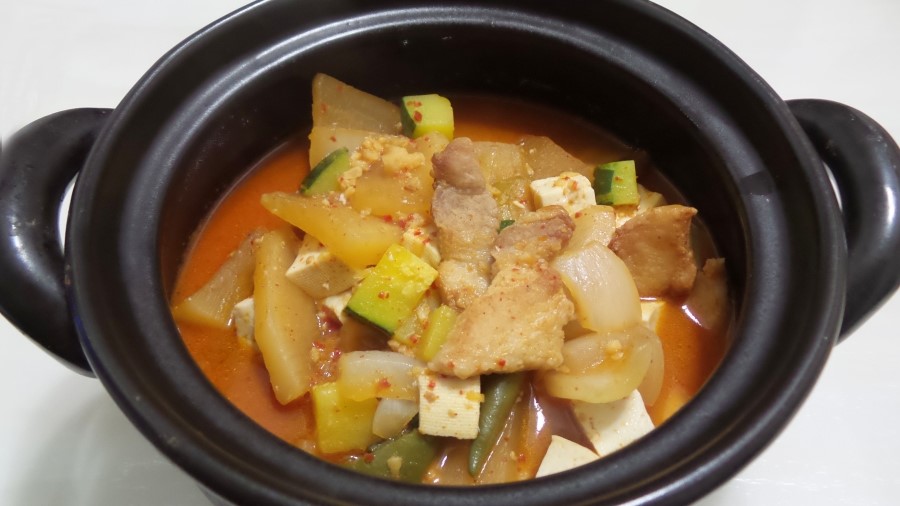
- Stews and soups: This is doenjang's home turf. Doenjang-jjigae (soybean paste stew) is probably the most popular Korean home-cooked meal. You dissolve a couple of tablespoons into a broth with tofu, zucchini, and aromatics. It's simple and deeply satisfying.
- Dipping sauces: Ssam-jang, the dipping sauce served with Korean BBQ lettuce wraps, is built on a base of doenjang mixed with gochujang, sesame oil, and garlic. You can make a simple version in under two minutes.
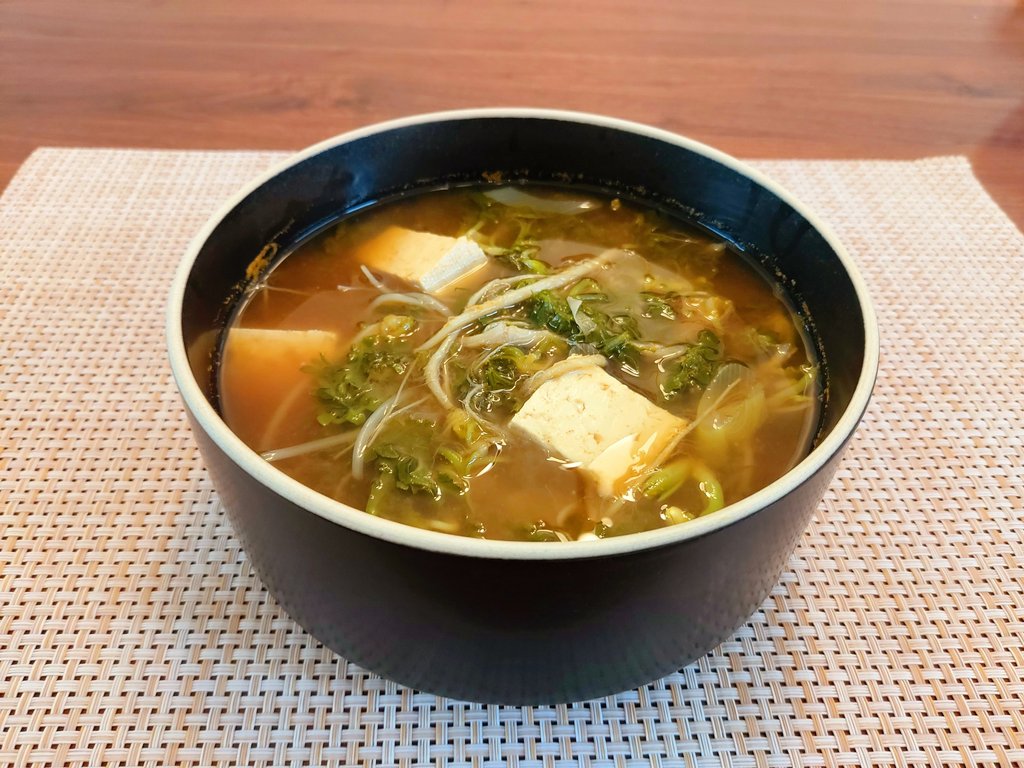
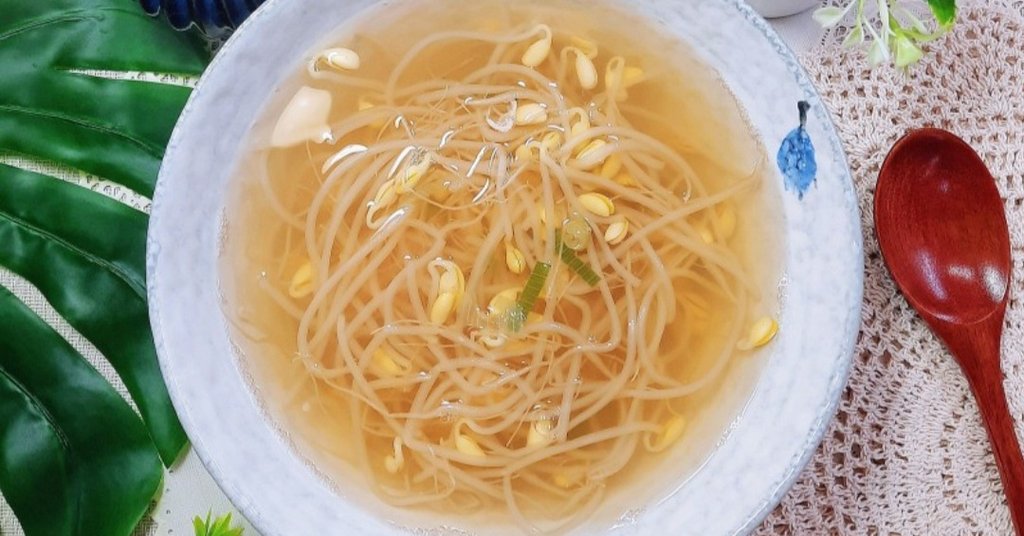
- Soups: Lighter than jjigae, soups like doenjangguk and kongnamul-guk often use a spoonful of doenjang for savory depth without making the broth heavy.
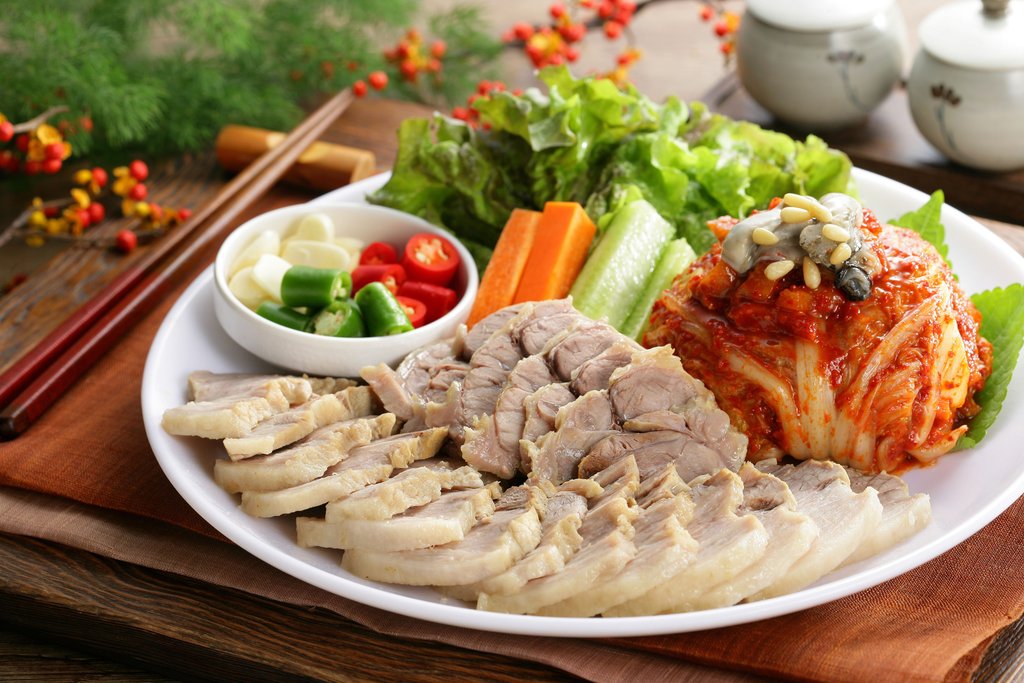
- Marinades: Doenjang works well in marinades for pork, especially for dishes like bossam. The enzymes in the paste help tenderize the meat while adding flavor.
- Vegetable dishes: A small amount mixed into seasoned vegetables adds umami without being overpowering. Try it in stir-fried zucchini, eggplant, or mushrooms.
- Compound butter: Mix with softened butter for an incredible spread for corn on the cob, baked potatoes, or bread.
- Salad dressing: Whisk with rice vinegar and sesame oil for a Korean-style vinaigrette that clings to greens.
Recipes That Use Doenjang
Here are the essential doenjang recipes to try, in order of how foundational they are:
- Doenjang-jjigae: The quintessential use. A bubbling stew that's probably the single most-cooked dish in Korean homes. Start here.
- Ssamjang: The lettuce wrap dipping sauce for Korean BBQ. Takes 2 minutes to make from scratch.
- Doenjangguk: A lighter, brothier soup for everyday eating.
- Doenjang-glazed pork: Marinate pork shoulder or belly in doenjang-based marinade and grill or roast.
- Bossam: Boiled pork belly served with lettuce wraps, doenjang-based dipping sauce, and kimchi.
- Kongnamul-guk: Bean sprout soup with a subtle spoon of doenjang for depth.
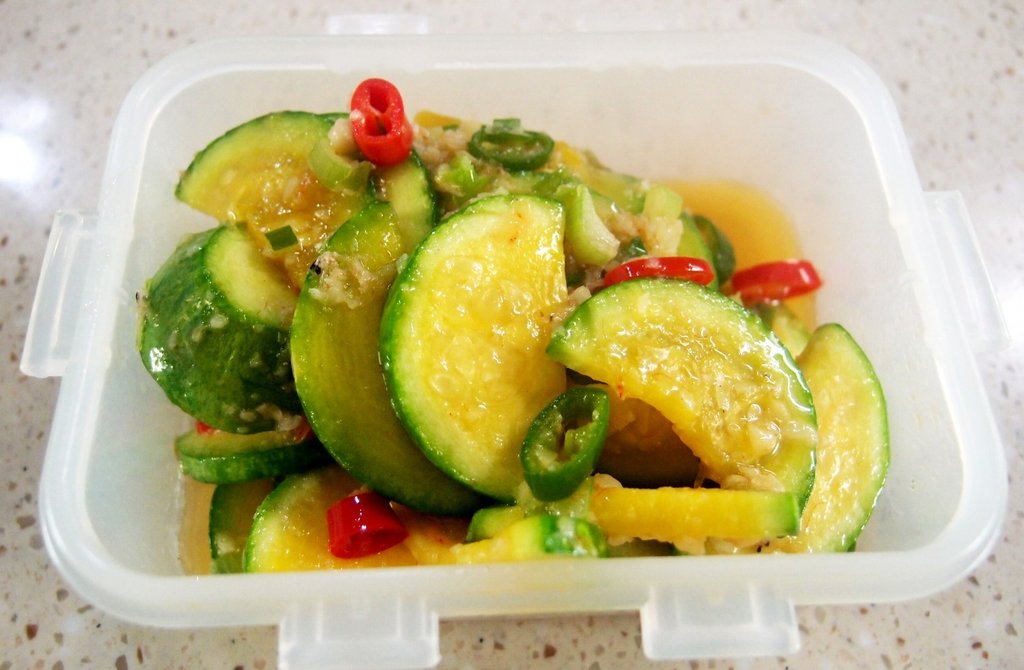
- Hobak-namul: Stir-fried zucchini with doenjang, garlic, and sesame oil.
Buying Guide — How to Choose Doenjang
At the Korean grocery store, you'll find a range of options from mass-produced to artisanal. Here's what to look for:
For everyday cooking: Sempio and Haechandle are both widely available, consistent, and affordable (about $5-7 for a 500g tub). If the ingredient list is short — soybeans, salt, maybe wheat — that's a good sign.
For traditional flavor: Look for brands labeled "jaerae-sik" (traditional style) or doenjang sold in clay pots. These tend to have deeper, more complex flavors from longer fermentation. They also tend to be saltier, so adjust your seasoning accordingly. Expect to pay $10-20 for these.
What to check on the label: The best doenjang has a very short ingredient list — ideally just soybeans and salt. Some commercial brands add wheat, alcohol (for preservation), or MSG. These aren't harmful but indicate a less traditionally-made product. Avoid doenjang with added sugar or a long list of additives.
How to Store Doenjang
Doenjang is a fermented product, so it's naturally long-lasting. An unopened container can sit in a cool, dark place for quite a while, but once opened, store it in the refrigerator.
In the fridge, doenjang keeps for a year or more without any issues. The flavor may deepen slightly over time as fermentation continues slowly, but this is generally a good thing. If you see a thin layer of liquid on top, that's normal — just stir it back in.
The one thing to watch for is mold on the surface, which can occasionally happen. If you see a small spot, you can scrape it off and the rest of the paste is fine. Use a clean spoon each time you scoop from the container to minimize contamination.
Keep the lid area clean and dry to prevent mold growth around the rim.
Why Doenjang Deserves a Spot in Your Kitchen
Doenjang is one of those ingredients that punches way above its weight. A single tub costs a few dollars and lasts for months. It adds a depth of flavor to soups and stews that you simply can't get from any other ingredient. And once you have it, you're just one or two other ingredients away from a real Korean home-cooked meal.
If you're just starting to explore Korean cooking, doenjang-jjigae is one of the best first recipes to try. It's forgiving, fast, and teaches you exactly what this paste can do. From there, you'll find yourself reaching for the doenjang more and more often.
You Might Also Like
Related Guides
9 Best Doenjang Substitutes — From Miso to Soy-Free Options
No doenjang? Here are 9 substitutes for Korean soybean paste — from red miso and ssamjang to soy-free options like tahini + soy sauce.
What to Cook with Doenjang — 12 Ways to Use Korean Soybean Paste
Doenjang isn't just for soup. Here are 12 ways to use Korean soybean paste — from jjigae to salad dressing to marinades, organized by season and difficulty.
Korean Pantry for Beginners — 10 Essentials
Stock your kitchen with these 10 Korean pantry essentials to make dozens of authentic dishes. Includes where to buy and starter recipes.
What Is Gochujang? Korean Chili Paste Guide
Everything about gochujang — Korean fermented red pepper paste, its heat levels, how it's made, cooking uses, and a complete buying guide.
Korean Cooking for Beginners — Start Here
New to Korean cooking? Get the essential equipment, 5 must-have ingredients, easiest starter recipes, and tips to avoid common mistakes.
Explore This Topic Further
Doenjang
Korean fermented soybean paste — deeper and earthier than miso, the base of doenjang jjigae and many Korean soups.
Sesame Oil
Toasted sesame oil adds a nutty aroma to finished dishes. A few drops transform any Korean side dish.
Korean Recipes for Beginners
Start your Korean cooking journey with these beginner-friendly recipes. Simple ingredients, clear instructions, no prior experience needed.
Easy Korean Dinners for Weeknights
Quick and satisfying Korean dinner recipes ready in under 30 minutes. Perfect for busy weeknights.
K-Fridge
Already have some of these pantry staples?
Use K-Fridge to see which Korean recipes you can make tonight with the ingredients you already have at home.