Easy Korean Recipes with Eggs — 10 Simple Dishes for Any Meal
By Logan · Published 2026-04-17 · Updated 2026-05-10
Eggs are the ultimate weeknight ingredient. They're cheap, they cook fast, and they're always in the fridge. Korean cooking has a deep appreciation for eggs — they show up as side dishes, main components, and garnishes across dozens of recipes.
What I love about Korean egg dishes is how they transform something basic into something that feels special. A steamed egg that puffs up like a soufflé. A rolled omelette with neat, layered spirals. An egg cracked over sizzling rice. These aren't complicated techniques, but they produce results that look and taste like you put in real effort.
Here are 10 of my favorite Korean egg dishes, all simple enough for a busy weeknight, plus some meal prep ideas for the week ahead.
Breakfast and Brunch
1. Gyeran-Bap (Egg Rice)
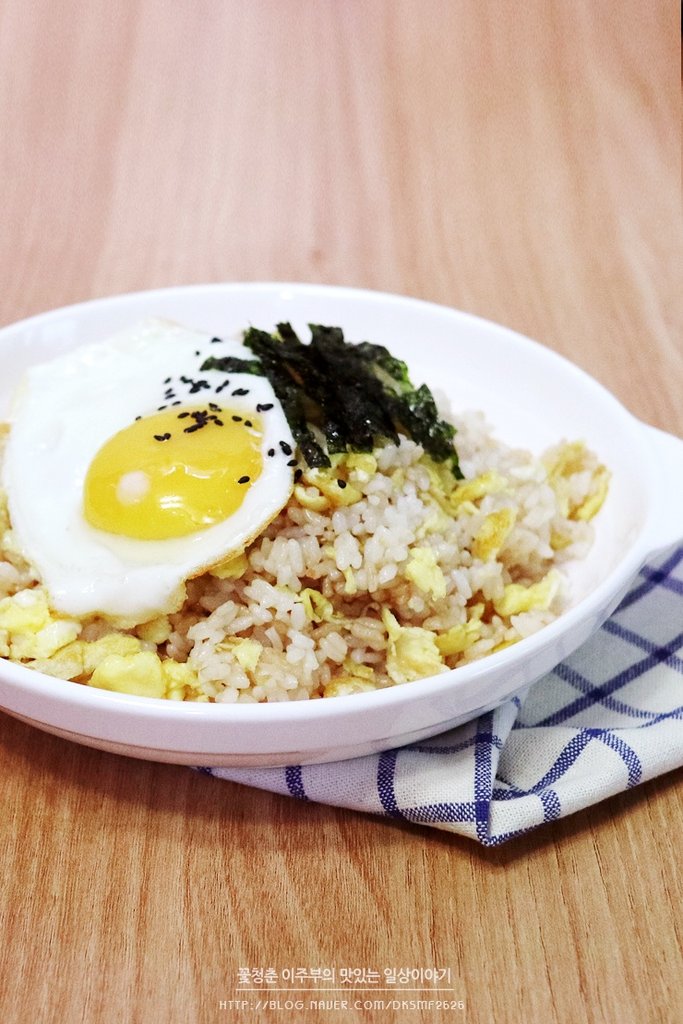
The simplest Korean meal you can make. Crack a raw egg over a bowl of piping hot, freshly cooked rice. Add soy sauce, sesame oil, and mix. The heat from the rice gently cooks the egg, creating a creamy, silky coating that turns plain rice into something comforting and satisfying.
Variations: add butter for richness, toasted seaweed for crunch, or a spoonful of gochujang for heat. I eat this at least twice a week, usually when I'm too tired to make anything else. It never disappoints.
This is the Korean equivalent of putting butter on toast — a zero-effort meal that's deeply satisfying when done with good rice and quality soy sauce.
2. Gyeran-Toast (Korean Egg Toast)
Korean street toast is a legendary grab-and-go breakfast. It's a buttered and toasted sandwich filled with a thin egg omelette, shredded cabbage, and a drizzle of ketchup and sugar. Yes, sugar — it sounds weird but it works.
The combination of sweet, savory, and slightly crunchy is addictive. Making it at home takes about 10 minutes. Beat an egg, cook it as a thin omelette in a buttered pan, layer it on toasted bread with the cabbage mixture, and press it together. It's the kind of breakfast that makes you excited to wake up.
For a more filling version, add a slice of cheese or some ham. Street vendors in Korea often add both, plus corn and a mayo drizzle.
3. Korean Scrambled Eggs with Scallions
Korean-style scrambled eggs are cooked slightly differently from Western versions. Instead of low-and-slow creamy curds, Korean scrambled eggs are cooked quickly over higher heat in sesame oil with lots of chopped scallions. The result is firmer curds with a nutty sesame flavor and onion throughout.
Season with a pinch of salt and a tiny splash of soy sauce. Serve alongside rice and kimchi for a complete breakfast in under 5 minutes.
Side Dishes (Banchan)
4. Gyeranmari (Korean Rolled Omelette)
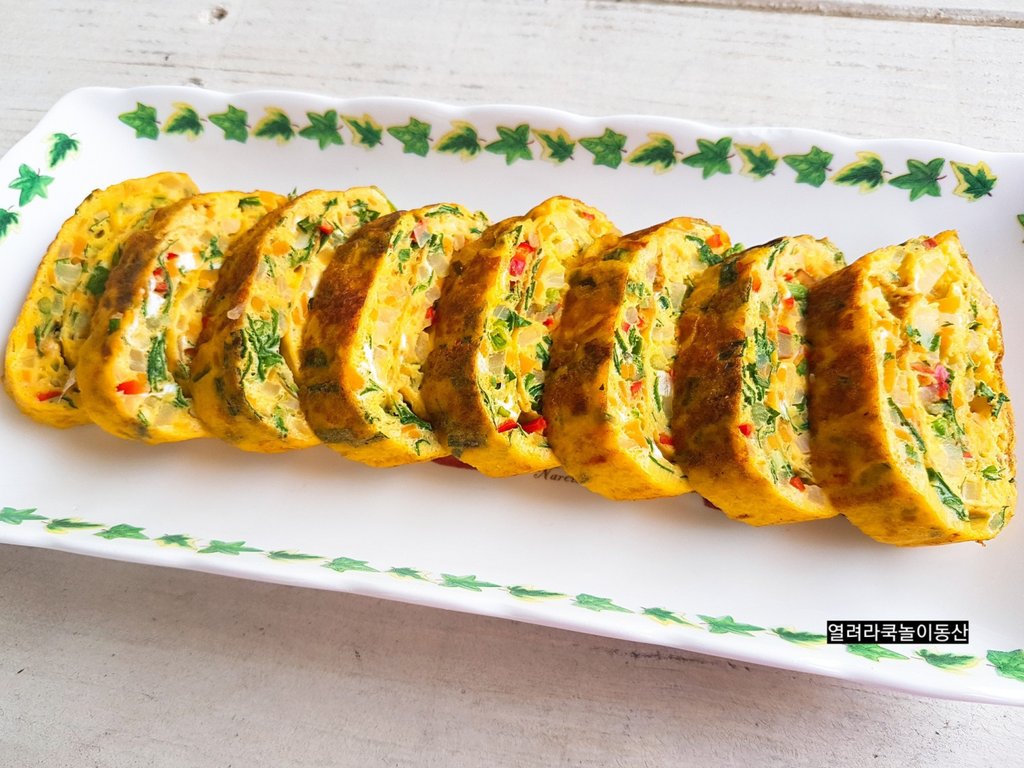
Gyeranmari is a rolled egg omelette that's a staple Korean side dish. You beat eggs with finely diced vegetables (carrots, scallions, sometimes ham), pour a thin layer into a pan, and roll it up. Then pour another thin layer, roll again. The result is a neat log with beautiful spiral layers when sliced.
The technique takes a little practice, but once you get the hang of it, you can make one in about 5 minutes. The trick is keeping the heat medium-low so the egg doesn't brown too much. You want it yellow and soft, not crispy.
Serve it sliced as a banchan (side dish) alongside rice and kimchi. It's one of those dishes that people always notice and appreciate. Common fillings include minced carrots, scallions, ham, cheese, or even crab sticks.
5. Gyeran-Jjim (Korean Steamed Egg)
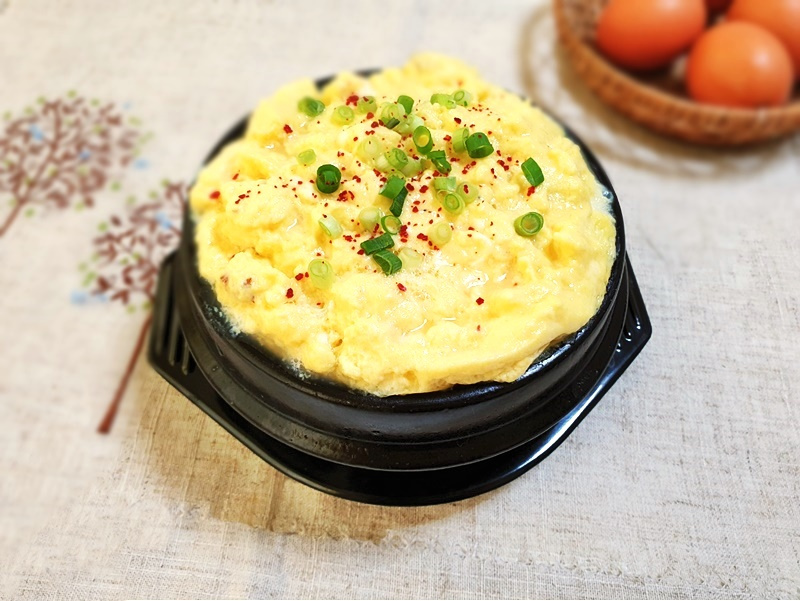
Think of this as a Korean egg soufflé, but easier. Beat eggs with water or broth, season with salt and a splash of fish sauce, and steam until puffy and jiggly. The traditional way is to make it in an earthenware pot (ttukbaegi) directly on the stove.
The result is incredibly soft and custard-like — completely different from scrambled eggs or a Western omelette. It puffs up dramatically, which always looks impressive, and has a delicate, savory flavor that pairs perfectly with rice.
I add chopped scallions on top and sometimes a few drops of sesame oil. Some people add shrimp or vegetables, but the plain version is already satisfying. The key ratio is 1 egg to about 1/3 cup of liquid (water, broth, or a mix).
Main Dishes
6. Kimchi Fried Rice with Egg
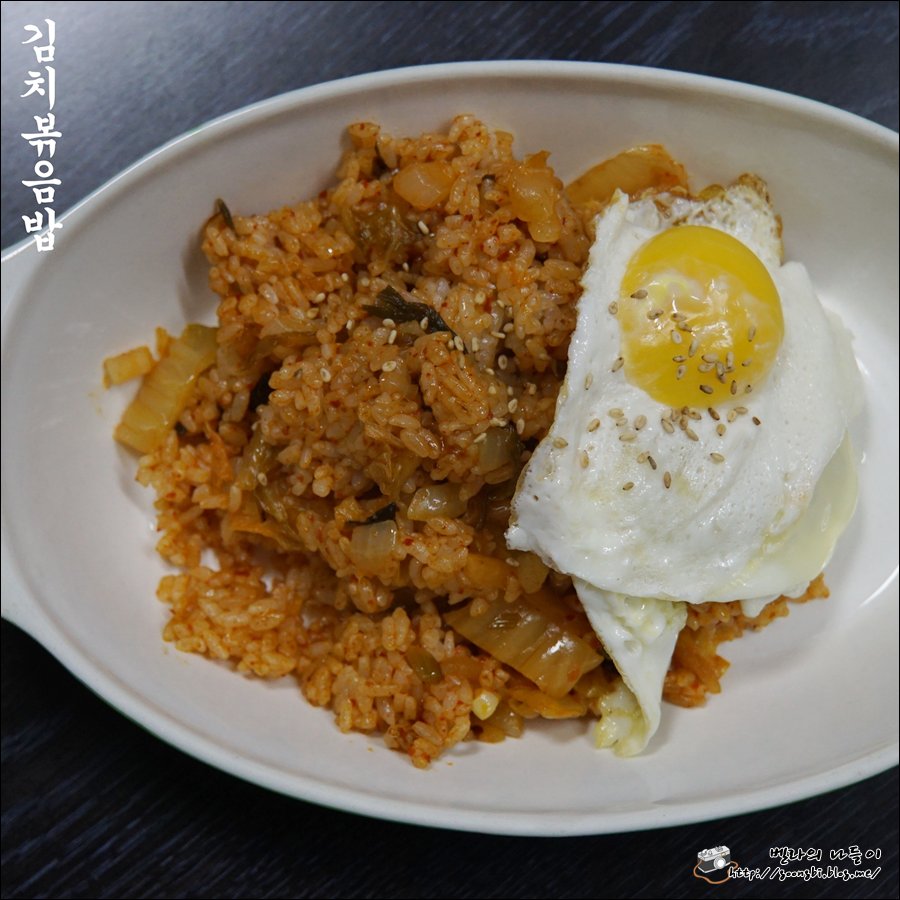
I'm including this here because the egg is what makes kimchi fried rice complete. Without it, you have a good fried rice. With a fried egg on top — runny yolk, crispy edges — you have a perfect meal.
The yolk acts as a sauce when you break it open. It mixes with the spicy, sour kimchi rice and creates something rich and balanced. I always use the highest heat possible for the egg to get those lacy, crispy edges while keeping the center runny.
Some people scramble the egg into the rice instead. That works too, but I prefer the drama of the whole fried egg on top.
7. Bibimbap with Fried Egg
Bibimbap without an egg is technically still bibimbap, but it's like a burger without the bun — technically edible but missing something essential. The fried egg on top of bibimbap adds richness and protein, and the runny yolk mixes with the gochujang sauce to create the best part of every bite.
I cook the egg sunny-side up with a little sesame oil in the pan. The sesame oil adds a nutty aroma that complements the other toppings. Don't overcook it — you want that yolk liquid and ready to mix.
8. Egg Drop Soup (Gyeran-Guk)
Gyeran-guk is one of the simplest Korean soups — anchovy or kelp broth seasoned with soy sauce and salt, with beaten eggs drizzled in to form soft, ribbony strands. It takes about 15 minutes from start to finish and requires almost no ingredients.
The key to good egg drop soup is making sure the broth is at a gentle simmer (not a rolling boil) when you pour in the eggs, and drizzling them in slowly through a fork or chopsticks. This creates delicate strands rather than clumpy chunks.
I make this whenever I want a light soup to go with a heavier main dish. It's gentle and comforting without being filling.
9. Ramyeon with Egg
Instant ramyeon (Korean ramen) with an egg is a rite of passage. There are two schools of thought: crack the egg in whole and let it poach in the broth, or beat the egg and drizzle it in for silky ribbons throughout. Both are correct. I personally crack it in whole about 2 minutes before the noodles finish, so the white sets but the yolk stays runny.
A friend swears by beating the egg into the broth completely — it makes the soup creamier and richer, almost like a tonkotsu effect. Try both and pick your side.
10. Jangjorim Eggs (Soy-Braised Eggs)
Jangjorim is a soy-braised side dish traditionally made with beef, but the eggs braised in the same soy sauce are the best part. Hard-boil eggs, peel them, and simmer in a mixture of soy sauce, water, garlic, and a little sugar until they're deeply colored and intensely flavored.
These keep for a week in the fridge and make excellent additions to rice bowls, bento boxes, or just as a protein-rich snack. The soy sauce penetrates the white completely, giving you a savory, slightly sweet egg that's satisfying on its own.
Meal Prep Ideas with Eggs
Eggs are one of the best meal prep ingredients because many Korean egg dishes keep well:
- Gyeranmari (rolled omelette): Make 2-3 logs on Sunday. They keep in the fridge for 3-4 days. Slice cold for lunchboxes or reheat briefly in a pan.
- Jangjorim eggs: Make a batch of 6-8 eggs. They improve in flavor over 2-3 days as the soy sauce continues to penetrate. Great for grab-and-go protein.
- Pre-cooked rice + eggs: Keep cooked rice portioned in the fridge. Any morning, you can make gyeran-bap in 30 seconds or kimchi fried rice in 10 minutes.
- Egg muffins Korean-style: Beat eggs with kimchi, scallions, and sesame oil. Pour into muffin tins and bake at 375F for 15-18 minutes. These keep for 4-5 days and reheat in 30 seconds.
- Marinated soft-boiled eggs: Cook eggs to 6.5 minutes for jammy yolks. Peel and marinate in a mixture of soy sauce, mirin, and water overnight. Pack in lunchboxes or add to ramyeon and rice bowls all week.
Egg Tips for Korean Cooking
- Room temperature eggs cook more evenly. Take them out of the fridge 15-20 minutes before cooking, especially for steamed egg dishes.
- Use medium-low heat for omelettes. Korean rolled omelettes should be soft and yellow, not brown and crispy.
- Save the egg yolk for last. In rice bowl dishes, break the yolk at the table and mix it in. This keeps each bite rich and saucy.
- Season simply. Most Korean egg dishes rely on salt, soy sauce, and sesame oil for seasoning. You don't need much else.
- Fresh eggs matter for steamed dishes. For gyeran-jjim, fresher eggs puff up more dramatically. If your eggs are older, they'll still taste fine but won't rise as much.
- Don't skip the sesame oil. A few drops of toasted sesame oil transform any egg dish from ordinary to Korean. It's the single biggest flavor difference.
Eggs are proof that great cooking doesn't require expensive ingredients or fancy techniques. A few eggs, a bowl of rice, and some basic seasonings — that's all you need for a genuinely satisfying Korean meal any time of day.
You Might Also Like

Related Guides
Easy Korean Recipes with Rice — 11 Dishes You Can Make Tonight
Eleven simple Korean rice dishes you can make on a weeknight with basic ingredients. From kimchi fried rice to bibimbap, plus ideas for leftover rice.
Easy Korean Recipes with Kimchi — 12 Ways to Use Up a Jar
Twelve easy recipes to use up a jar of kimchi — from fried rice and stew to dumplings and pancakes. Includes a fermentation level guide for each dish.
Korean Cooking for Beginners — Start Here
New to Korean cooking? Get the essential equipment, 5 must-have ingredients, easiest starter recipes, and tips to avoid common mistakes.
What to Cook with Gochujang — 14 Easy Ways to Use It
Bought a tub of gochujang and not sure what to do with it? Here are 14 ways to use Korean chili paste — beginner-friendly Korean dishes plus non-Korean uses.
Korean Cooking Tools — What You Actually Need
Honest guide to Korean cooking tools. Covers rice cookers, ttukbaegi, dolsot, BBQ pans, and more — what to buy, skip, and where to find them.
Explore This Topic Further
Sesame Oil
Toasted sesame oil adds a nutty aroma to finished dishes. A few drops transform any Korean side dish.
Soy Sauce
Soy sauce seasons marinades, namul, soups, and sauces across Korean cooking. It is one of the site's most-used pantry ingredients.
Korean Recipes for Beginners
Start your Korean cooking journey with these beginner-friendly recipes. Simple ingredients, clear instructions, no prior experience needed.
Easy Korean Dinners for Weeknights
Quick and satisfying Korean dinner recipes ready in under 30 minutes. Perfect for busy weeknights.
K-Fridge
Already have some of these pantry staples?
Use K-Fridge to see which Korean recipes you can make tonight with the ingredients you already have at home.