What to Cook with Doenjang — 12 Ways to Use Korean Soybean Paste
By Logan · Published 2026-04-18 · Updated 2026-05-10
Doenjang is one of the most important ingredients in Korean cooking, but a lot of people buy a tub, make one pot of jjigae, and then forget about it. That's a waste — doenjang is incredibly versatile and adds a deep, savory complexity to dishes that's hard to get any other way.
Think of doenjang as Korea's answer to miso, but funkier and more assertive. It's made from fermented soybeans and has a coarse texture, a salty punch, and a fermented aroma that can seem intense on its own but mellows beautifully in cooking.
Here are 12 ways I use doenjang regularly, organized by when they're best suited throughout the year.
Year-Round Essentials
1. Doenjang-jjigae (Soybean Paste Stew)
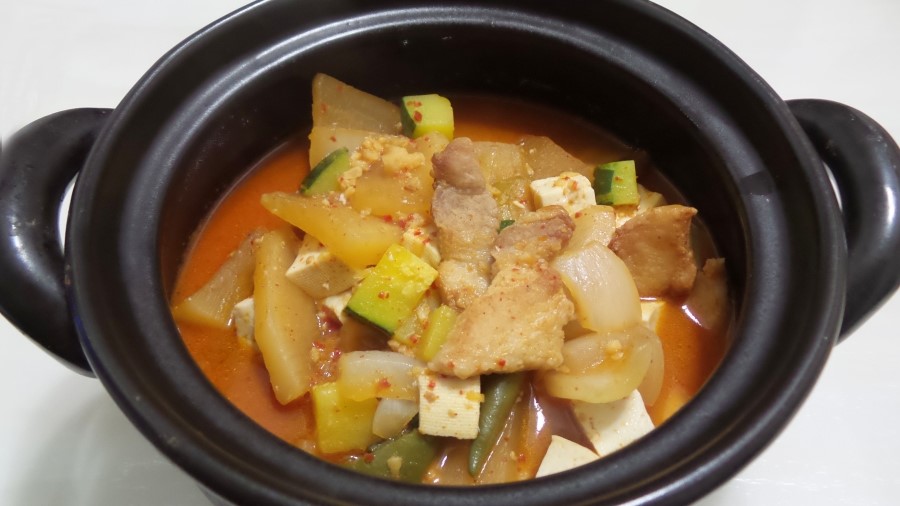
The classic. This is probably the most-cooked dish in Korean households, and it's the recipe that sells doenjang to most people. Simmer doenjang in anchovy-kelp broth with tofu, zucchini, onion, mushrooms, and green chili. That's the base — you can add potato, beef, clams, or whatever you have.
The key to great doenjang-jjigae is using enough paste. Most beginners don't add enough. For a single serving pot (ttukbaegi), use at least 1.5-2 tablespoons. The stew should be robustly flavored — this isn't a subtle dish.
Doenjang-jjigae is one of those comfort foods that tastes like home if you grew up eating it. If you didn't, it becomes comfort food pretty quickly once you start making it.
2. Ssamjang (Dipping Sauce for Lettuce Wraps)
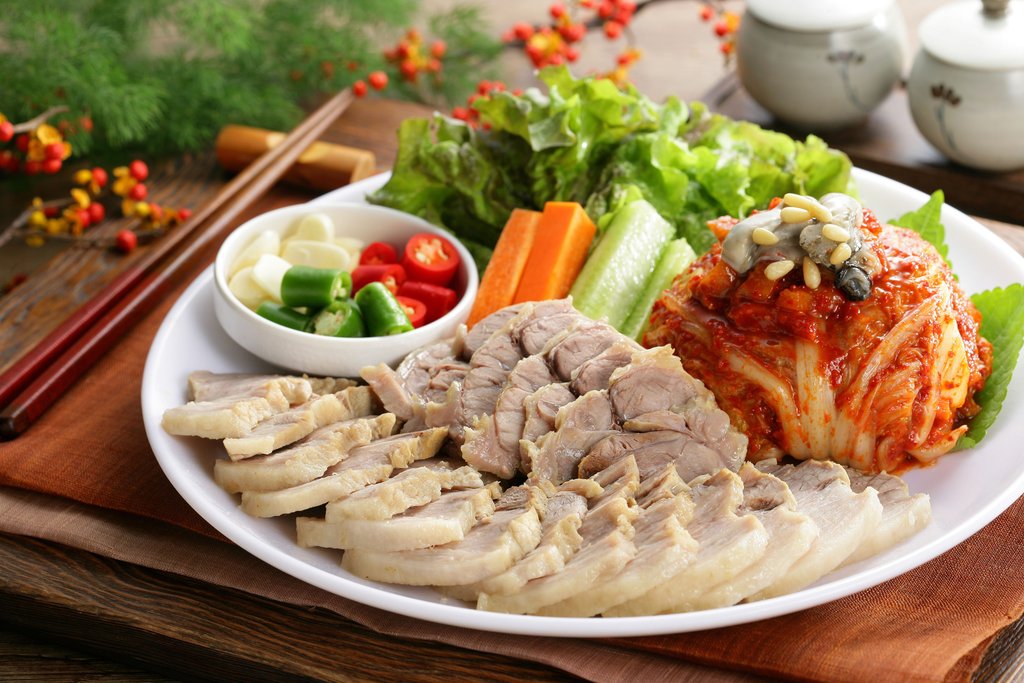
Ssamjang is the dipping sauce served with Korean BBQ and bossam. It's what you smear on a lettuce leaf before piling on grilled meat, garlic, and a slice of chili. Making it from scratch takes about 2 minutes:
- 2 tablespoons doenjang
- 1 tablespoon gochujang
- 1 teaspoon sesame oil
- 1 teaspoon honey or sugar
- 1 clove garlic, minced
- 1 teaspoon toasted sesame seeds
Mix everything together. Done. This tastes significantly better than store-bought ssamjang because it's fresh and you can adjust the sweetness and heat to your preference. Make a batch before your next grilling session.
3. Doenjangguk (Soybean Paste Soup)
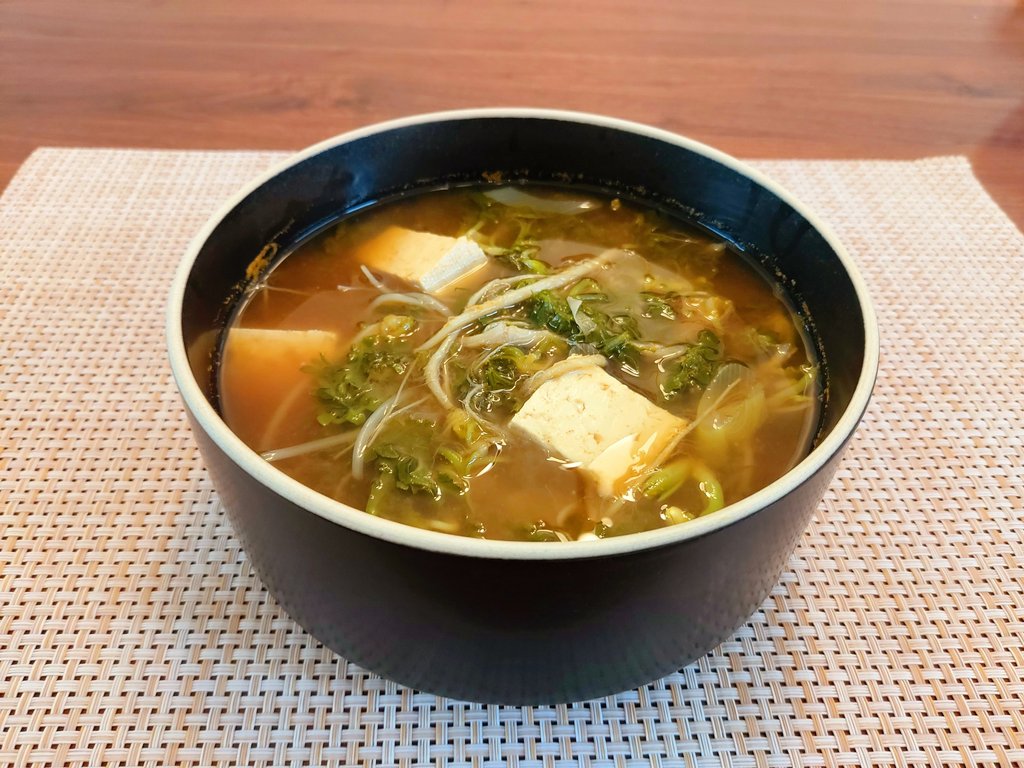
Doenjangguk is the lighter, brothier cousin of doenjang-jjigae. Where jjigae is thick and stew-like, guk is a clear soup with doenjang dissolved into the broth. It typically has simple ingredients — spinach, tofu, green onions, maybe some clams.
This is an everyday side soup in Korean meals, served alongside rice and banchan. It's mild enough to eat at every meal without getting tired of it. Use about 1 tablespoon of doenjang per serving in a light anchovy or kelp broth.
4. Doenjang Marinade for Grilled Meat
Doenjang makes an excellent marinade, especially for pork. The enzymes in the fermented paste help tenderize the meat while infusing it with deep umami flavor.
For a simple doenjang marinade:
- 2 tablespoons doenjang
- 1 tablespoon soy sauce
- 1 tablespoon sesame oil
- 2 cloves garlic, minced
- 1 tablespoon honey
- 1 teaspoon gochugaru (optional)
Rub this onto pork belly, pork shoulder, or chicken thighs and let it marinate for at least an hour — overnight is better. Grill, pan-fry, or roast. The doenjang creates a caramelized crust that's deeply flavorful. This is essentially how ssam-style grilled pork works at Korean BBQ restaurants.
Spring and Summer Favorites
5. Doenjang Salad Dressing
This might surprise you, but doenjang makes a fantastic salad dressing. It adds umami depth that's more interesting than a standard vinaigrette.
Whisk together:
- 1 tablespoon doenjang
- 2 tablespoons rice vinegar
- 1 tablespoon sesame oil
- 1 teaspoon honey
- 1 teaspoon soy sauce
Use this on any salad with sturdy greens — romaine, cabbage, mixed greens with cucumber. It's particularly good on a Korean-style salad with shredded cabbage, carrots, and perilla leaves. The dressing is thick and clings to the vegetables rather than pooling at the bottom of the bowl.
In summer when you have fresh vegetables from the garden or farmers market, this dressing makes simple salads shine.
6. Doenjang with Fresh Vegetables (Raw Dipping)
One of the simplest summer uses: serve doenjang as a dipping paste for fresh raw vegetables. In Korea, this is called "ssam" eating — wrap fresh lettuce, perilla leaves, or cabbage around rice with a dab of doenjang or ssamjang. But you can also just set out a bowl of doenjang alongside sliced cucumbers, bell peppers, carrots, and celery.
The funky, salty paste contrasts beautifully with crisp, sweet summer vegetables. It's a zero-cooking appetizer or snack that's surprisingly addictive.
7. Doenjang Cold Noodle Sauce
In summer, cold noodles are a staple. Dissolve a tablespoon of doenjang in a mixture of cold water, rice vinegar, sugar, and sesame oil. Toss with cold somen or soba noodles, top with julienned cucumber and a hard-boiled egg. It's lighter than traditional bibim-guksu but deeply savory and refreshing.
Fall and Winter Warmers
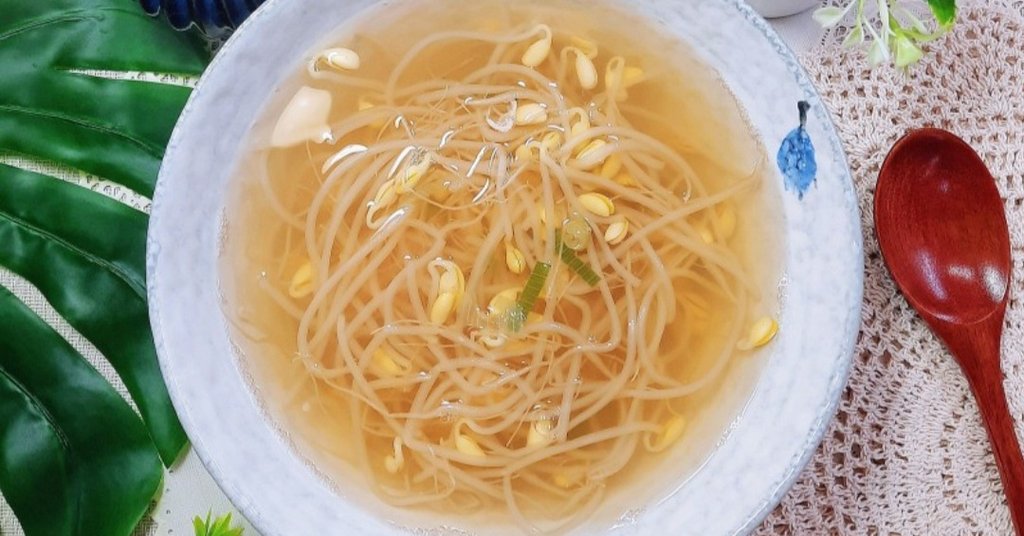
8. Kongnamul-guk with Doenjang (Bean Sprout Soup)
Kongnamul-guk is a light bean sprout soup that's one of the simplest Korean soups to make. While the traditional version uses just soy sauce and garlic for seasoning, adding a small amount of doenjang — about 1 teaspoon per serving — gives the broth a richer, more rounded flavor.
This is the version I grew up with. The doenjang doesn't make it taste like doenjang-jjigae — it's much more subtle. It just adds a quiet depth to what would otherwise be a very plain soup. Think of it as the difference between salted water and actual broth.
9. Doenjang Braised Fish
In Korean cooking, doenjang is used to braise hearty fish like mackerel or cod. The paste neutralizes fishy odors while adding flavor. Place fish pieces in a shallow pan, add doenjang dissolved in a little water with garlic, ginger, gochugaru, and radish slices. Simmer until the fish is cooked through and has absorbed the sauce.
This works particularly well in fall and winter when you want something warming and protein-rich. The doenjang sauce is rich enough to serve spooned over rice.
10. Doenjang in Hot Pot
Add a tablespoon of doenjang to any hot pot or shabu-shabu broth for an instant Korean twist. It deepens the broth without dominating it, and as vegetables and meat cook in the pot, the doenjang creates a rich, layered flavor that plain water or stock alone can't achieve.
Anytime Extras
11. Hobak-namul (Seasoned Zucchini)
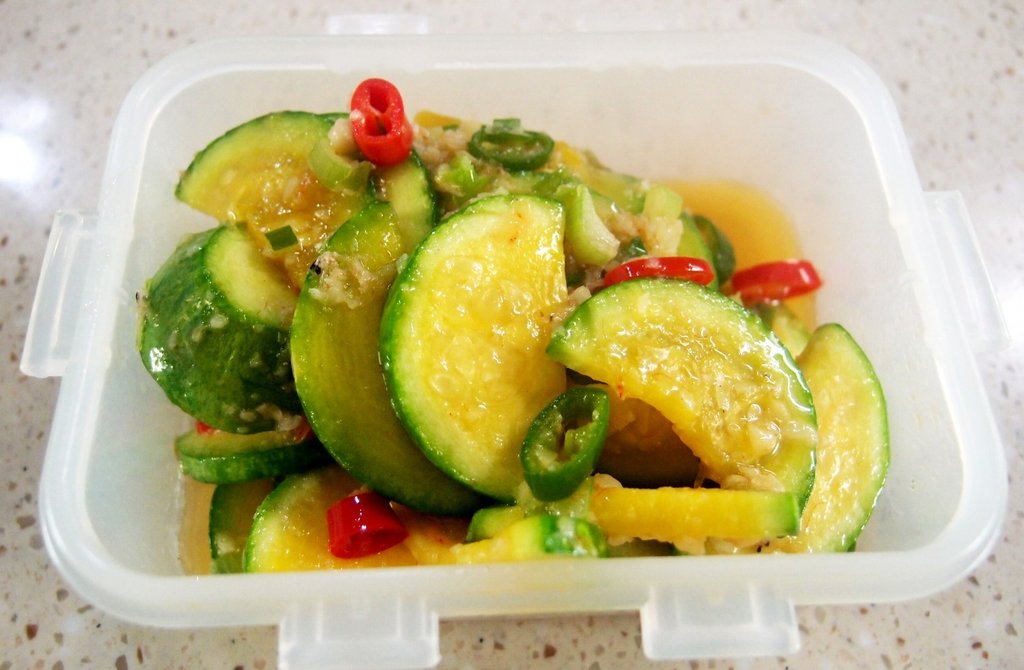
This is a simple banchan (side dish) where sliced zucchini is quickly sauteed with a touch of doenjang, garlic, and sesame oil. The doenjang melts into the zucchini and adds a savory depth that salt alone can't achieve. Use about 1 teaspoon of doenjang for one medium zucchini — you want it subtle, not overpowering.
This same technique works with other vegetables — eggplant, mushrooms, and green beans all benefit from a touch of doenjang during cooking.
12. Doenjang Butter for Corn and Bread
Mix softened butter with doenjang — about 2 teaspoons per stick of butter — and use it on grilled corn, toast, baked potatoes, or any bread. The result is like miso butter but with more funk and character. The salt from the doenjang means you don't need to add extra salt.
This compound butter melts beautifully over hot corn on the cob. If you've had miso butter corn at a restaurant, doenjang butter is the same idea but with a bolder flavor. Make a batch and keep it in the fridge — it lasts as long as regular butter.
Seasonal Cooking Guide
Here's how I think about doenjang through the year:
- Spring: Light doenjangguk with spring greens, ssamjang for early-season grilling
- Summer: Salad dressings, raw vegetable dipping, cold noodle sauces
- Fall: Braised fish, heartier doenjang-jjigae with root vegetables, marinades for grilling before it gets too cold
- Winter: Rich doenjang-jjigae with pork and kimchi, hot pot, kongnamul-guk for hangover mornings
Buying and Storing Doenjang
For everyday cooking, brands like Sempio and Chungjungone are reliable and affordable. Both are available at H Mart, Korean grocery stores, and on Amazon. A 500g tub runs about $5-7 and will last months in the fridge.
If you want to try a premium version, look for traditional doenjang (jaerae-sik) that's been naturally fermented for months or even years. These tend to be darker, more complex, and more expensive. They're worth it for simple preparations like ssamjang where the doenjang flavor really stands on its own.
Once opened, doenjang keeps in the fridge for 6-12 months easily. The surface might darken a bit over time, but that's normal — just stir it before using. If it smells off or develops mold, it's time for a new tub, but this rarely happens if you keep it refrigerated.
Doenjang is one of those ingredients that rewards you the more you use it. Start with jjigae and ssamjang, then experiment with marinades and dressings. Once you get comfortable with its flavor, you'll find yourself reaching for it in all kinds of unexpected places.
How Much Doenjang to Use
Getting the amount right is important because doenjang is salty and intense. Here are some guidelines:
- Jjigae (stew): 1.5-2 tablespoons per single serving. This should be a bold, robust flavor — if you can barely taste the doenjang, add more.
- Light soup (guk): 1 tablespoon per serving. Subtler than jjigae — you want depth, not dominance.
- Ssamjang: Doenjang is the base, so use it generously — 2 tablespoons for a small batch.
- Marinades: 2 tablespoons per pound of meat. Enough to coat and tenderize.
- Salad dressing: 1 tablespoon for 2-3 servings. It is salty, so start conservative.
- Vegetable dishes: 1 teaspoon per serving. Just a hint of depth.
- Compound butter: 2 teaspoons per stick of butter. The salt from doenjang replaces added salt.
The most common mistake is under-seasoning. Doenjang stews should taste robust and savory. If your jjigae tastes bland, you probably did not use enough paste. Taste as you cook and adjust upward until it has that characteristic earthy, warming flavor.
Remember that doenjang is already salty, so reduce or eliminate additional salt when using it. Taste before adding any extra soy sauce or salt to a dish that already has doenjang.
You Might Also Like
Related Guides
What Is Doenjang? Korean Fermented Soybean Paste Explained
Learn what doenjang is, how it differs from miso, health benefits, key recipes, and a buying guide for Korean fermented soybean paste.
9 Best Doenjang Substitutes — From Miso to Soy-Free Options
No doenjang? Here are 9 substitutes for Korean soybean paste — from red miso and ssamjang to soy-free options like tahini + soy sauce.
Korean Pantry for Beginners — 10 Essentials
Stock your kitchen with these 10 Korean pantry essentials to make dozens of authentic dishes. Includes where to buy and starter recipes.
What to Cook with Gochujang — 14 Easy Ways to Use It
Bought a tub of gochujang and not sure what to do with it? Here are 14 ways to use Korean chili paste — beginner-friendly Korean dishes plus non-Korean uses.
Korean Cooking for Beginners — Start Here
New to Korean cooking? Get the essential equipment, 5 must-have ingredients, easiest starter recipes, and tips to avoid common mistakes.
Explore This Topic Further
Doenjang
Korean fermented soybean paste — deeper and earthier than miso, the base of doenjang jjigae and many Korean soups.
Sesame Oil
Toasted sesame oil adds a nutty aroma to finished dishes. A few drops transform any Korean side dish.
Korean Recipes for Beginners
Start your Korean cooking journey with these beginner-friendly recipes. Simple ingredients, clear instructions, no prior experience needed.
Easy Korean Dinners for Weeknights
Quick and satisfying Korean dinner recipes ready in under 30 minutes. Perfect for busy weeknights.
K-Fridge
Already have some of these pantry staples?
Use K-Fridge to see which Korean recipes you can make tonight with the ingredients you already have at home.