Kimchi DumplingsKimchi Mandu
By Logan · Published 2026-04-15

Mandu-making in Korean households is traditionally a group activity — families gather around a low table, each person handling a different part of the process, and the conversation fills the time between filling and folding. The New Year holiday (Seollal) is the biggest occasion, when tteokguk (rice cake soup) often gets mandu added to it.
Kimchi mandu is the most popular variety. The filling combines fermented kimchi with tofu and a small amount of pork, which keeps it lighter than pure meat dumplings. The kimchi must be squeezed of its liquid before mixing — thoroughly — or the filling will be wet and the wrappers will break during cooking. Same with the tofu: crumble it and squeeze it in your hand or a cloth until it feels almost dry.
I made kimchi mandu for the first time with my mother, who corrected my folding technique three times before accepting the result. The folds should seal the edge completely with no air pockets — gaps mean the filling leaks into the oil during pan-frying.
The pan-fry, steam, crisp technique (known as gyoza-style for the Japanese equivalent) produces a bottom that is crunchy and a top that is soft and chewy. Add a small amount of water to the hot pan, cover immediately, and the steam cooks the filling through without drying out the wrappers. Remove the lid after five minutes and let the water evaporate completely so the bottom crisps back up.
Kimchi mandu keep well frozen: lay them flat on a parchment-lined tray until solid, then transfer to a bag. Cook from frozen by adding 2 minutes to the steaming time.
Ingredients
Some links below are affiliate links. As an Amazon Associate I earn from qualifying purchases. Learn more
- 1 package (about 40) Dumpling wrappers
- 1 cup Kimchi (finely chopped, squeezed)(paid link)
- ½ block (7 oz) Tofu (firm, crumbled and squeezed)(paid link)
- ¼ lb Ground pork
- 1 oz Glass noodles (soaked, chopped)(paid link)
- 2 stalks Green onion (chopped)
- 1 teaspoon Sesame oil(paid link)
- 2 tablespoons Vegetable oil
Missing ingredients?
K-Fridge tells you what Korean recipes you can make with what you already have.
Try K-Fridge FreeInstructions
- 1
Soak glass noodles in hot water for 5 minutes, drain, and chop into short pieces. Squeeze all liquid from kimchi and tofu.
- 2
Mix kimchi, tofu, ground pork, glass noodles, green onion, and sesame oil in a bowl until well combined.
- 3
Fill and fold wrappers: place 1 tablespoon filling in each, wet edges, fold, and seal tightly.
Tip: Kimchi mandu are Korea's most popular dumpling variety — the tangy kimchi and tofu make them lighter than pure meat versions.
- 4
Pan-fry in oil for 3 minutes, add ¼ cup water, cover and steam 5 minutes. Remove lid, crisp 1 more minute. Serve hot.
Kimchi Dumplings
Kimchi Mandu
Ingredients
- 1 package (about 40) Dumpling wrappers
- 1 cup Kimchi (finely chopped, squeezed)
- ½ block (7 oz) Tofu (firm, crumbled and squeezed)
- ¼ lb Ground pork
- 1 oz Glass noodles (soaked, chopped)
- 2 stalks Green onion (chopped)
- 1 teaspoon Sesame oil
- 2 tablespoons Vegetable oil
Instructions
- Soak glass noodles in hot water for 5 minutes, drain, and chop into short pieces. Squeeze all liquid from kimchi and tofu.
- Mix kimchi, tofu, ground pork, glass noodles, green onion, and sesame oil in a bowl until well combined.
- Fill and fold wrappers: place 1 tablespoon filling in each, wet edges, fold, and seal tightly.
- Pan-fry in oil for 3 minutes, add ¼ cup water, cover and steam 5 minutes. Remove lid, crisp 1 more minute. Serve hot.
Nutrition (per serving)
365kcal
Calories
14g
Protein
40g
Carbs
17g
Fat
Frequently Asked Questions
You Might Also Like
More Korean Street Food →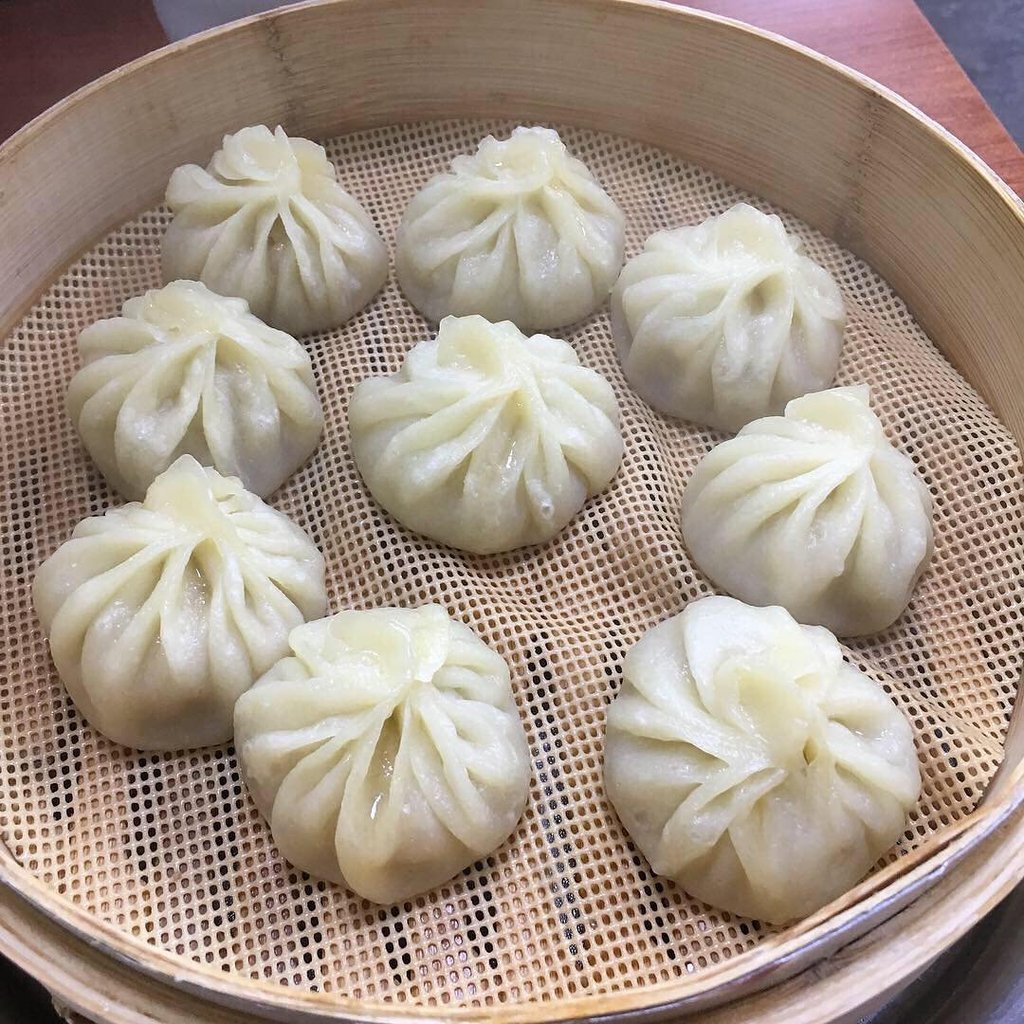
Cook Korean Food with What You Have
K-Fridge scans your fridge and tells you what Korean dishes you can make right now. No more guessing.