Korean Pork RibsDwaeji Galbi
By Logan · Published 2026-04-15

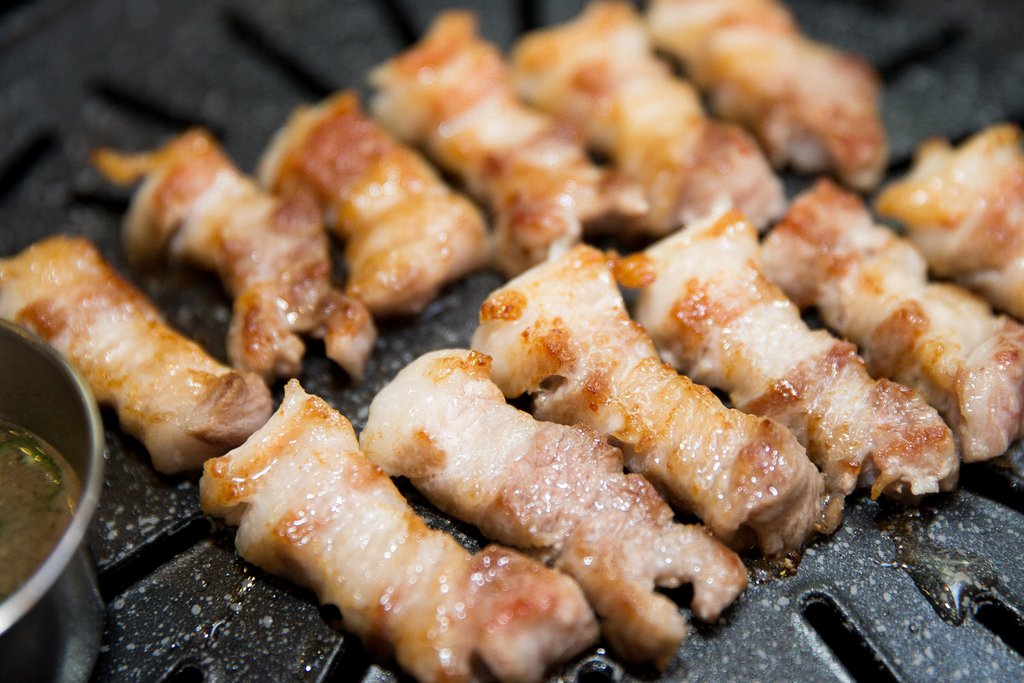
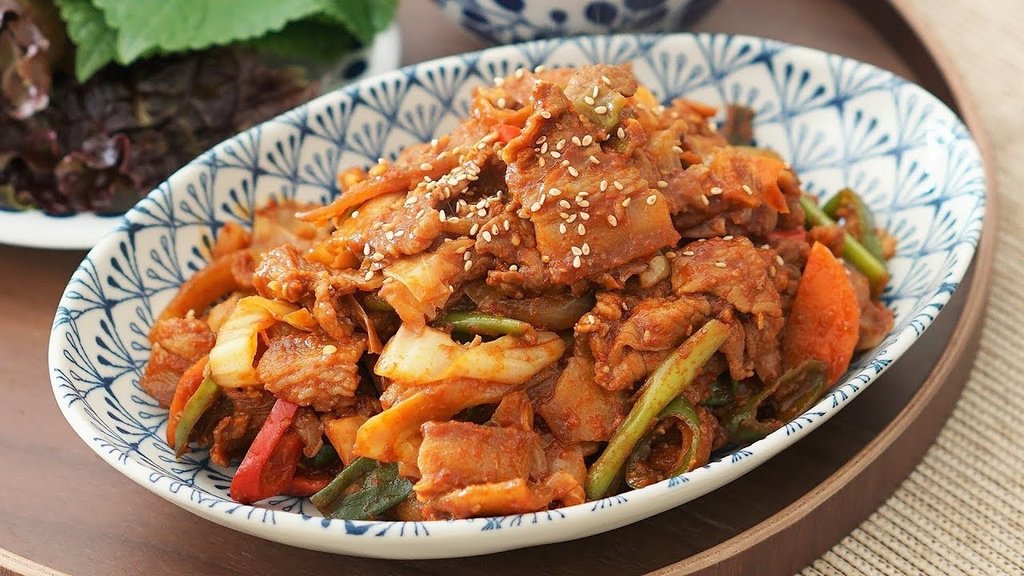
Dwaeji galbi sits in an interesting position in Korean BBQ — it's the spicier alternative to LA galbi or samgyeopsal, using gochujang in the marinade rather than relying on plain grilling. The pork ribs take longer to cook than thin-cut pork belly but the marinade penetration during the overnight rest changes the result significantly.
The scoring step the recipe describes is the kind of technique that sounds fussy but produces a real difference. Shallow cuts through the meat on the meaty side allow the marinade to reach more deeply into each rib rather than just coating the surface. I verified this by marinating two ribs side by side — one scored, one unscored — and comparing them after grilling. The scored rib was more uniformly flavored and cooked more evenly.
I made dwaeji galbi for a friend named Nattapong, the Thai neighbor from my building in Seoul, who was visiting my apartment when I was testing the recipe. He watched me mix the marinade — gochujang, soy sauce, sugar, honey, garlic, sesame oil — and noted that the combination of gochujang and honey was interesting to him. In Thai cooking, that sweet-spicy combination exists but usually with fresh chili rather than fermented paste. He said the fermented element added something rounder and more complex.
He basted the ribs on the grill himself while I made rice. The honey in the marinade caramelized at the edges and produced the glossy, slightly charred surface that makes these ribs look like they belong on a restaurant menu. They don't — they're a home recipe, and they're better for being made at home where the cost is a third of what a restaurant charges.
Ingredients
Some links below are affiliate links. As an Amazon Associate I earn from qualifying purchases. Learn more
- 1.5 lb Pork ribs (baby back, separated)
- 3 tablespoons Gochujang(paid link)
- 3 tablespoons Soy sauce(paid link)
- 2 tablespoons Sugar
- 1 tablespoon Honey
- 5 cloves Garlic (minced)
- 1 tablespoon Sesame oil(paid link)
- ½ teaspoon Black pepper
- 2 stalks Green onion
- 1 tablespoon Sesame seeds(paid link)(optional)
Missing ingredients?
K-Fridge tells you what Korean recipes you can make with what you already have.
Try K-Fridge FreeInstructions
- 1
Make the marinade: mix gochujang, soy sauce, sugar, honey, garlic, sesame oil, and black pepper in a large bowl.
- 2
Score the meaty side of each rib with shallow cuts. Add ribs to the marinade and coat well. Marinate at least 30 minutes — overnight is best.
Tip: Scoring the ribs helps the marinade penetrate deeper and the meat cook more evenly.
- 3
Grill the ribs over medium-high heat for 5-6 minutes per side, basting with remaining marinade, until caramelized and cooked through.
Tip: You can also bake these at 400F for 25-30 minutes, flipping halfway. Broil the last 2 minutes for char.
- 4
Garnish with sliced green onion and sesame seeds. Serve with rice and lettuce wraps.
Korean Pork Ribs
Dwaeji Galbi
Ingredients
- 1.5 lb Pork ribs (baby back, separated)
- 3 tablespoons Gochujang
- 3 tablespoons Soy sauce
- 2 tablespoons Sugar
- 1 tablespoon Honey
- 5 cloves Garlic (minced)
- 1 tablespoon Sesame oil
- ½ teaspoon Black pepper
- 2 stalks Green onion
- 1 tablespoon Sesame seeds(optional)
Instructions
- Make the marinade: mix gochujang, soy sauce, sugar, honey, garlic, sesame oil, and black pepper in a large bowl.
- Score the meaty side of each rib with shallow cuts. Add ribs to the marinade and coat well. Marinate at least 30 minutes — overnight is best.
- Grill the ribs over medium-high heat for 5-6 minutes per side, basting with remaining marinade, until caramelized and cooked through.
- Garnish with sliced green onion and sesame seeds. Serve with rice and lettuce wraps.
Nutrition (per serving)
815kcal
Calories
48g
Protein
26g
Carbs
58g
Fat
Frequently Asked Questions
You Might Also Like
More Korean BBQ Guide →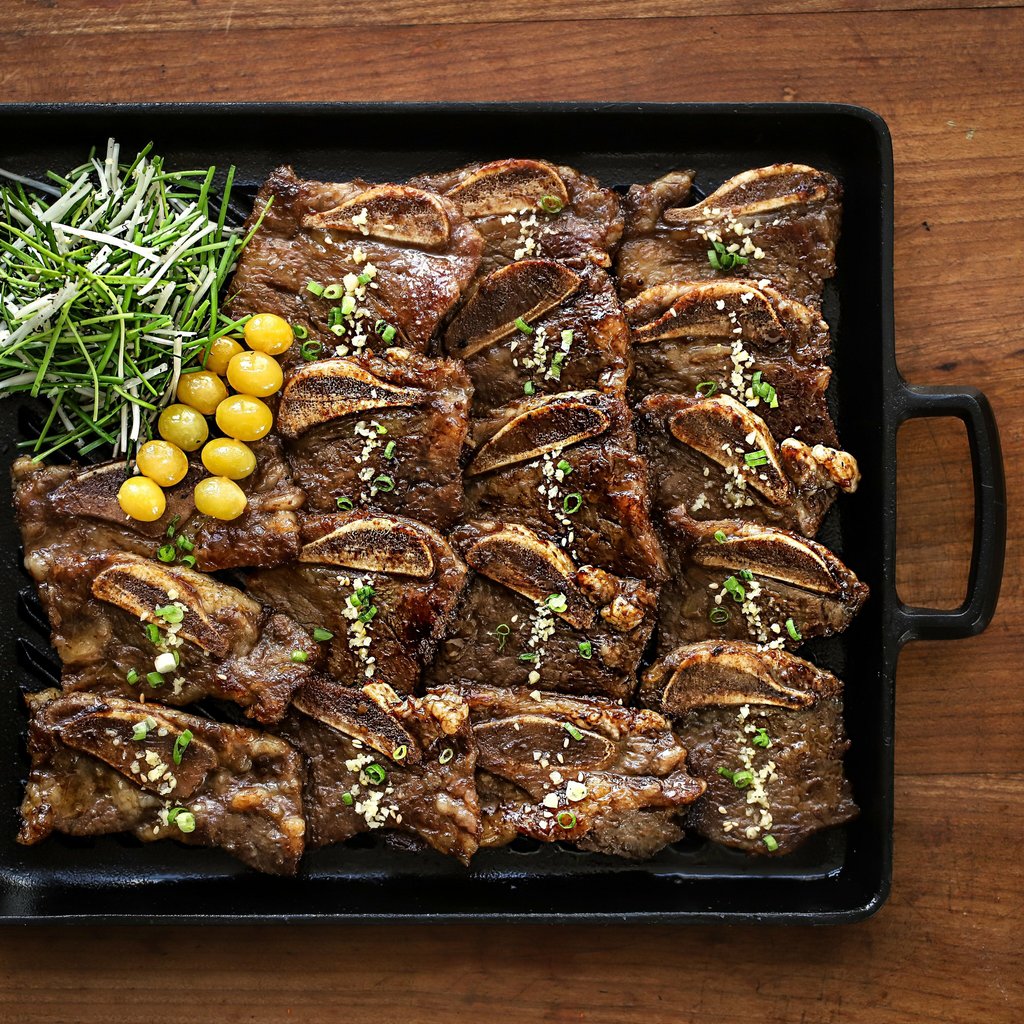
Cook Korean Food with What You Have
K-Fridge scans your fridge and tells you what Korean dishes you can make right now. No more guessing.