Sweet & Sour Pork (Simplified)Tangsuyuk
By Logan · Published 2026-04-15

There is an ongoing war in Korea that has nothing to do with politics, borders, or military strategy. It's about tangsuyuk — specifically, whether you pour the sauce on top of the fried pork or dip each piece into the sauce on the side. Koreans call it 부먹 vs 찍먹, and people have genuine opinions about this. I grew up in the pour-it-on camp. My mother would order tangsuyuk from the local Chinese-Korean restaurant and immediately dump the entire container of glossy, sweet-sour sauce over the pile of golden fried pork. The sound it made — that initial crackle of hot sauce hitting crispy batter — was the whole point.
When I started making it myself, I learned why the double-coating matters so much. The first time I skipped the second cornstarch coat and went straight to the fryer, the pork came out thin and sad. It got soggy within seconds of the sauce touching it. The recipe's tip about pressing the cornstarch firmly and coating twice isn't optional — it's the structural difference between tangsuyuk that holds up and tangsuyuk that dissolves into mush.
I was cooking this for a group in Melbourne once — a mix of Korean expats and Australians. The Koreans immediately split into factions. One guy physically moved the sauce bowl away from the plate. My Australian friend Matt watched this unfold with complete bewilderment. He asked why everyone was arguing about condiment logistics. I told him this was a deeply cultural moment and he should just pick a side. He tried both. He went with pouring.
The simplified version here skips a few steps from the restaurant version — no egg wash layer, no double-frying — but the double cornstarch coating is non-negotiable. Press it in, wait five minutes, press again. The oil needs to be at 350°F, not higher, not lower. And eat it fast. Tangsuyuk waits for no one.
Ingredients
Some links below are affiliate links. As an Amazon Associate I earn from qualifying purchases. Learn more
- 1 lb Pork loin (cut into strips)
- ½ cup Cornstarch
- 3 tablespoons Sugar
- 2 tablespoons Rice vinegar(paid link)
- 1 tablespoon Soy sauce(paid link)
- ½ medium Onion (chunked)
- 1 small Carrot (sliced)
- 2 cups Vegetable oil (for frying)
Missing ingredients?
K-Fridge tells you what Korean recipes you can make with what you already have.
Try K-Fridge FreeInstructions
- 1
Coat pork strips in cornstarch, pressing firmly. Let sit for 5 minutes, then coat again for extra crunch.
Tip: Double-coating is the key to tangsuyuk's signature crunch that stays crispy even after the sauce is poured.
- 2
Heat oil to 350°F (175°C). Fry the pork in batches for 5-6 minutes until golden and crispy. Drain on a rack.
- 3
Make the sauce: In a pan, combine sugar, rice vinegar, soy sauce, and ½ cup water. Bring to a boil. Add onion and carrot. Cook for 3 minutes. Mix 1 tablespoon cornstarch with 2 tablespoons water, stir in to thicken.
- 4
Pour the sauce over the fried pork just before serving — or serve on the side. Eat immediately for maximum crunch.
Sweet & Sour Pork (Simplified)
Tangsuyuk
Ingredients
- 1 lb Pork loin (cut into strips)
- ½ cup Cornstarch
- 3 tablespoons Sugar
- 2 tablespoons Rice vinegar
- 1 tablespoon Soy sauce
- ½ medium Onion (chunked)
- 1 small Carrot (sliced)
- 2 cups Vegetable oil (for frying)
Instructions
- Coat pork strips in cornstarch, pressing firmly. Let sit for 5 minutes, then coat again for extra crunch.
- Heat oil to 350°F (175°C). Fry the pork in batches for 5-6 minutes until golden and crispy. Drain on a rack.
- Make the sauce: In a pan, combine sugar, rice vinegar, soy sauce, and ½ cup water. Bring to a boil. Add onion and carrot. Cook for 3 minutes. Mix 1 tablespoon cornstarch with 2 tablespoons water, stir in to thicken.
- Pour the sauce over the fried pork just before serving — or serve on the side. Eat immediately for maximum crunch.
Nutrition (per serving)
2016kcal
Calories
42g
Protein
57g
Carbs
181g
Fat
Frequently Asked Questions
You Might Also Like
More Korean BBQ Guide →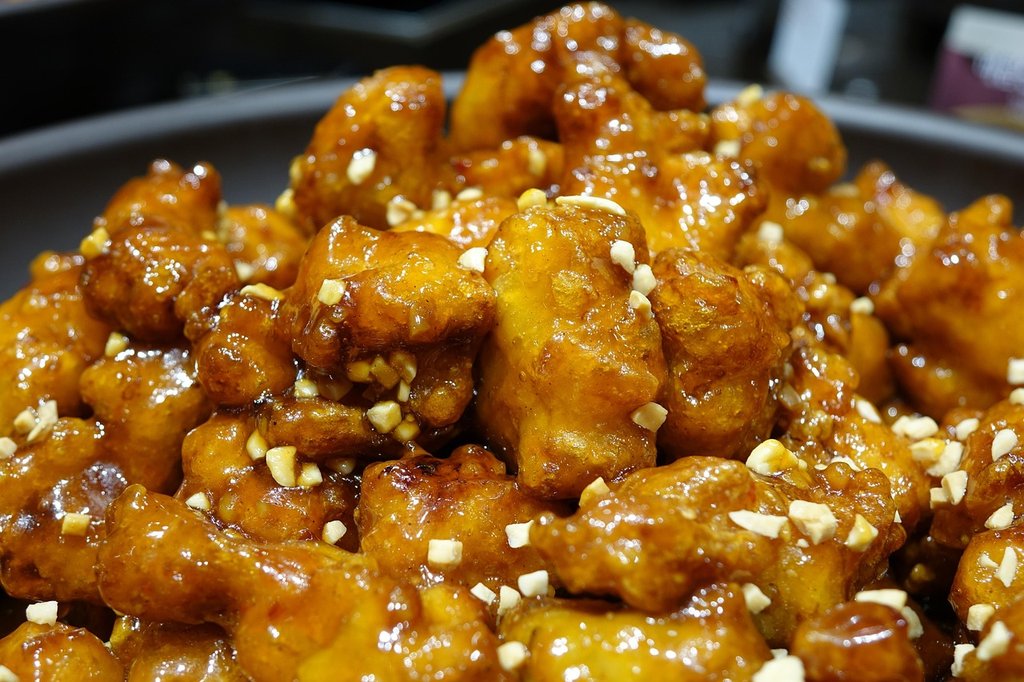
Cook Korean Food with What You Have
K-Fridge scans your fridge and tells you what Korean dishes you can make right now. No more guessing.