Korean Shabu-Shabu샤브샤브
By Logan · Published 2026-07-06

Korean shabu-shabu borrows from the Japanese hot pot tradition but takes some distinctly Korean turns. The broth is typically anchovy and kelp based instead of the lighter Japanese kombu dashi. The dipping sauces lean toward ponzu mixed with gochujang or a sesame-soy blend. And the finishing move, cooking noodles or rice in the leftover broth, is treated as the best part of the meal.
The beef needs to be sliced paper-thin, almost translucent. This is not something you can easily achieve at home with a regular knife. Most Korean grocery stores sell pre-sliced shabu-shabu beef, and that is the way to go. If you must slice your own, freeze the beef for about 30 minutes until it is firm but not solid, then use your sharpest knife to cut against the grain.
Cooking technique matters here. You pick up a single slice of beef with your chopsticks and swish it back and forth in the simmering broth for about 30 seconds. The name shabu-shabu is onomatopoeia for that swishing sound. The meat should turn from red to pink, still slightly tender in the center. Overcooking thin beef turns it tough and chewy within seconds.
The vegetable platter is part of the experience. Napa cabbage, mushrooms, tofu, and sometimes watercress or crown daisy (ssukgat) get arranged on a large plate for everyone to share. Vegetables go into the broth to cook while you eat the beef, gradually enriching the soup.
The finale is the kalguksu course. After all the beef and vegetables have been cooked, the broth is now deeply flavored with meat juices and vegetable sweetness. Fresh noodles or leftover rice go in, absorbing all that accumulated flavor. Many Koreans consider this final course the highlight, saving room specifically for it.
Shabu-shabu restaurants in Korea are popular for group dinners. The interactive, cook-at-the-table format makes it inherently social, and the meal naturally stretches over an hour or more.
Ingredients
Some links below are affiliate links. As an Amazon Associate I earn from qualifying purchases. Learn more
- 300g Thinly sliced beef
- 1/4 head, chopped Napa cabbage
- 200g Mushrooms (enoki, shiitake)
- 1 block, sliced Firm tofu(paid link)
- 6 cups Kelp-anchovy broth
- 3 tablespoons Soy sauce (for dipping)(paid link)
Missing ingredients?
K-Fridge tells you what Korean recipes you can make with what you already have.
Try K-Fridge FreeInstructions
- 1
Bring broth to a gentle boil in a tabletop pot.
- 2
Arrange vegetables, mushrooms, and tofu on a platter.
- 3
Dip thin beef slices into the hot broth for 30 seconds until cooked.
- 4
Cook vegetables in the broth and dip everything in soy sauce before eating.
- 5
Finish by cooking noodles or rice in the remaining broth.
Korean Shabu-Shabu
샤브샤브
Ingredients
- 300g Thinly sliced beef
- 1/4 head, chopped Napa cabbage
- 200g Mushrooms (enoki, shiitake)
- 1 block, sliced Firm tofu
- 6 cups Kelp-anchovy broth
- 3 tablespoons Soy sauce (for dipping)
Instructions
- Bring broth to a gentle boil in a tabletop pot.
- Arrange vegetables, mushrooms, and tofu on a platter.
- Dip thin beef slices into the hot broth for 30 seconds until cooked.
- Cook vegetables in the broth and dip everything in soy sauce before eating.
- Finish by cooking noodles or rice in the remaining broth.
Frequently Asked Questions
You Might Also Like
More Korean Soups & Stews →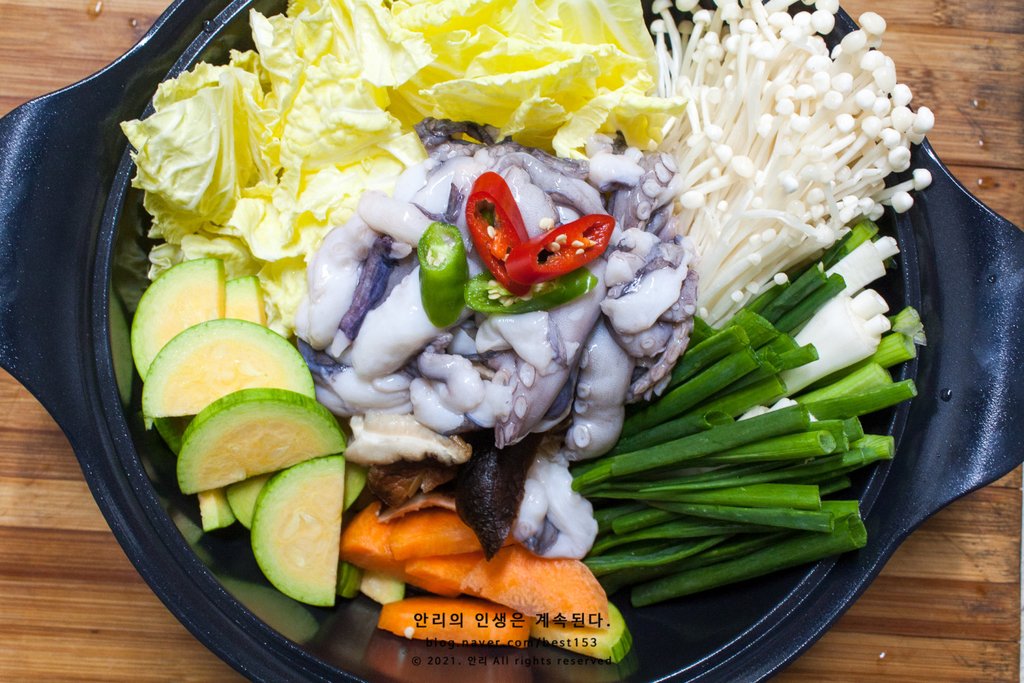
Cook Korean Food with What You Have
K-Fridge scans your fridge and tells you what Korean dishes you can make right now. No more guessing.