Hangover SoupHaejangguk
By Logan · Published 2026-04-15

Haejangguk exists because Koreans understood, centuries before the science, that certain soups make the morning after a difficult night more manageable. The name literally means soup to dispel the hangover — 해장, haejang, means to clear the stomach of alcohol.
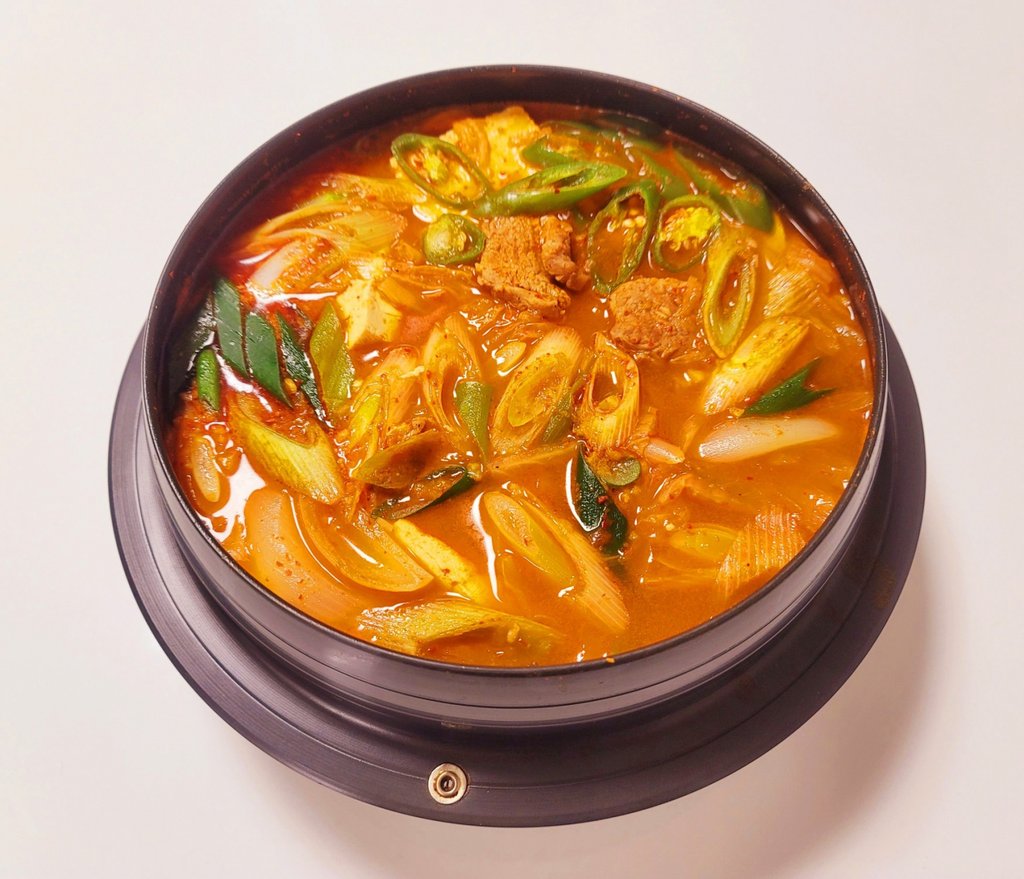
The first time I had it the traditional way was in college, at a 24-hour soup restaurant that opened specifically for post-night-out crowds. It was four in the morning. The restaurant was full. The bowl arrived bubbling in a stone pot — spicy, fatty broth, napa cabbage that had cooked down to silky, bean sprouts crunching against the softness, and brisket that fell apart at the touch. It was simultaneously too hot to eat and impossible to stop eating.
The doenjang is what makes haejangguk different from other Korean beef soups. The fermented soybean paste adds a funky, savory depth that gochugaru alone can't provide. It's not as prominent as in doenjang jjigae — it's one tablespoon in a four-cup broth — but it's there, rounding the edges of the heat and the beef flavor.
Bean sprouts serve a practical purpose here: they rehydrate you as you eat, and their vegetal crunch provides textural contrast to the soft cabbage and beef. Koreans have long attributed bean sprouts with hangover-curing properties — modern nutritionists point to their asparagine content, which supports liver function.
You don't need a hangover to eat haejangguk. It's a deeply satisfying winter soup on any morning — warming, filling, and genuinely complex for something that takes thirty minutes to make.
Ingredients
Some links below are affiliate links. As an Amazon Associate I earn from qualifying purchases. Learn more
Missing ingredients?
K-Fridge tells you what Korean recipes you can make with what you already have.
Try K-Fridge FreeInstructions
- 1
Bring the beef broth to a boil in a pot. Add the sliced beef brisket and cook for 5 minutes, skimming any foam.
- 2
Add the diced radish and chopped napa cabbage. Cook for 10 minutes until the vegetables start to soften.
- 3
Stir in the doenjang, gochugaru, and minced garlic. Add the bean sprouts. Simmer for 10 more minutes.
Tip: Haejangguk literally means 'soup to chase a hangover.' The combination of broth and vegetables is believed to help rehydrate and restore the body.
- 4
Taste and adjust seasoning with salt if needed. Serve piping hot with a bowl of rice.
Hangover Soup
Haejangguk
Ingredients
- 6 oz Beef brisket (sliced thin)
- 2 cups Napa cabbage (chopped)
- 1 cup Bean sprouts
- ½ cup Korean radish (diced)
- 3 cloves Garlic (minced)
- 1 tablespoon Gochugaru
- 1 tablespoon Doenjang
- 4 cups Beef broth
Instructions
- Bring the beef broth to a boil in a pot. Add the sliced beef brisket and cook for 5 minutes, skimming any foam.
- Add the diced radish and chopped napa cabbage. Cook for 10 minutes until the vegetables start to soften.
- Stir in the doenjang, gochugaru, and minced garlic. Add the bean sprouts. Simmer for 10 more minutes.
- Taste and adjust seasoning with salt if needed. Serve piping hot with a bowl of rice.
Nutrition (per serving)
409kcal
Calories
36g
Protein
24g
Carbs
20g
Fat
Frequently Asked Questions
You Might Also Like
More Korean Soups & Stews →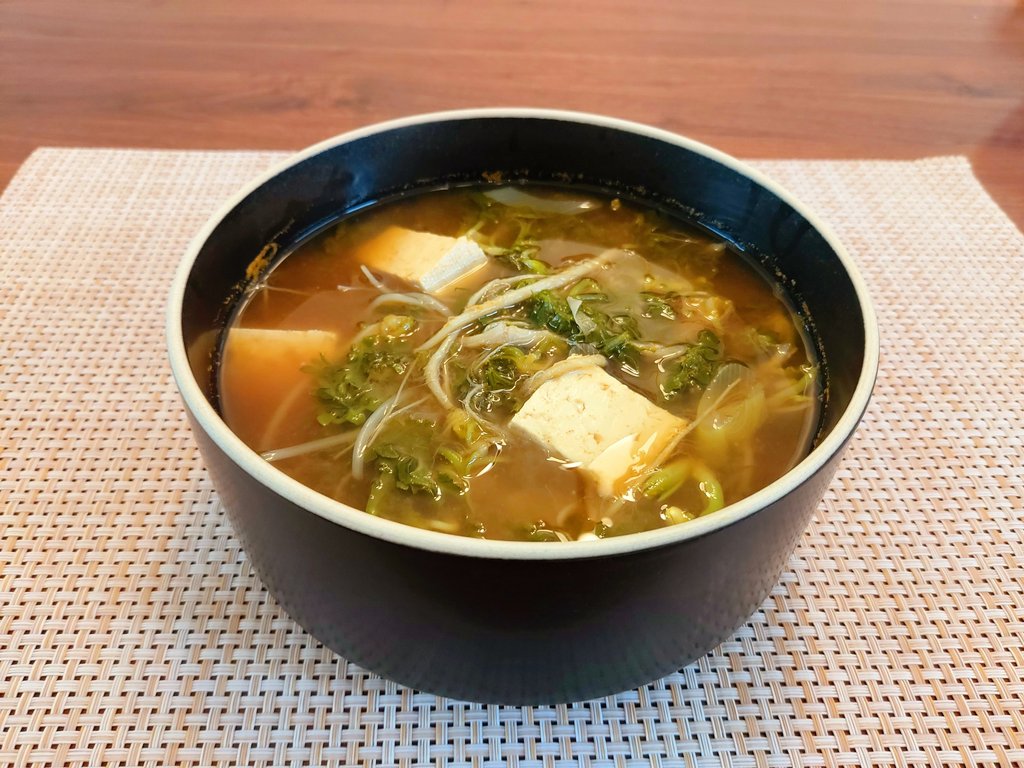
Cook Korean Food with What You Have
K-Fridge scans your fridge and tells you what Korean dishes you can make right now. No more guessing.