Fast-Fermented Soybean StewCheonggukjang
By Logan · Published 2026-04-15

I grew up associating cheonggukjang with my paternal grandfather. He ate it three mornings a week, always at the same table, always with the window open even in winter. There was a reason for the window. Cheonggukjang smells like nothing else — a powerful, barnyard-style fermented smell that Koreans either find nostalgic or genuinely off-putting. My grandfather found it nostalgic. I, as a child, found it alarming.
Cheonggukjang is often called the Korean equivalent of natto — Japan's fermented soybeans — and the comparison is fair. Both are produced through bacterial fermentation at a warm temperature over a short period (two to three days), and both have an aggressive aroma that doesn't translate well to appetites raised on milder foods.
The first time I cooked it myself, I was in my late twenties and trying to reconnect with my grandfather through his food. I dissolved the paste into anchovy stock on the stove. The smell hit hard. My neighbors definitely noticed. But what came out of the pot was not what I expected: a smooth, deeply savory stew with layers of fermented umami that no other ingredient could replicate. The tofu absorbed the broth and became almost custard-like. The zucchini softened into gentle sweetness. The aroma that cooked off was a fraction of what came out of the jar.
The lesson that surprised me: open the window before you open the jar, not after the stew starts cooking. The paste is more aromatic before heat than during.
Cheonggukjang is one of the most traditional fermented foods in Korean cuisine. If you can get past the smell — and you will, because it fades with cooking — the flavor is extraordinary.
Ingredients
Some links below are affiliate links. As an Amazon Associate I earn from qualifying purchases. Learn more
- 3 tablespoons Cheonggukjang paste
- 6 oz Tofu (firm, cubed)(paid link)
- ½ medium Zucchini (sliced)
- ½ medium Onion (diced)
- 1 stalk Green onion
- 2 cloves Garlic (minced)
- 1 teaspoon Gochugaru(paid link)(optional)
- 2 cups Anchovy stock
Missing ingredients?
K-Fridge tells you what Korean recipes you can make with what you already have.
Try K-Fridge FreeInstructions
- 1
Bring the anchovy stock to a boil in a small pot. Dissolve the cheonggukjang paste into the broth, stirring well to break up any lumps.
Tip: Cheonggukjang has a very strong, funky smell — this is normal. The flavor mellows out as it cooks.
- 2
Add the diced onion, zucchini slices, and minced garlic. Cook for 5 minutes.
- 3
Add the cubed tofu and gochugaru (if using). Simmer for 5 more minutes.
- 4
Sprinkle with sliced green onion and serve immediately with hot rice. The stew should be bubbling.
Fast-Fermented Soybean Stew
Cheonggukjang
Ingredients
- 3 tablespoons Cheonggukjang paste
- 6 oz Tofu (firm, cubed)
- ½ medium Zucchini (sliced)
- ½ medium Onion (diced)
- 1 stalk Green onion
- 2 cloves Garlic (minced)
- 1 teaspoon Gochugaru(optional)
- 2 cups Anchovy stock
Instructions
- Bring the anchovy stock to a boil in a small pot. Dissolve the cheonggukjang paste into the broth, stirring well to break up any lumps.
- Add the diced onion, zucchini slices, and minced garlic. Cook for 5 minutes.
- Add the cubed tofu and gochugaru (if using). Simmer for 5 more minutes.
- Sprinkle with sliced green onion and serve immediately with hot rice. The stew should be bubbling.
Nutrition (per serving)
144kcal
Calories
13g
Protein
13g
Carbs
5g
Fat
Frequently Asked Questions
You Might Also Like
More Korean Soups & Stews →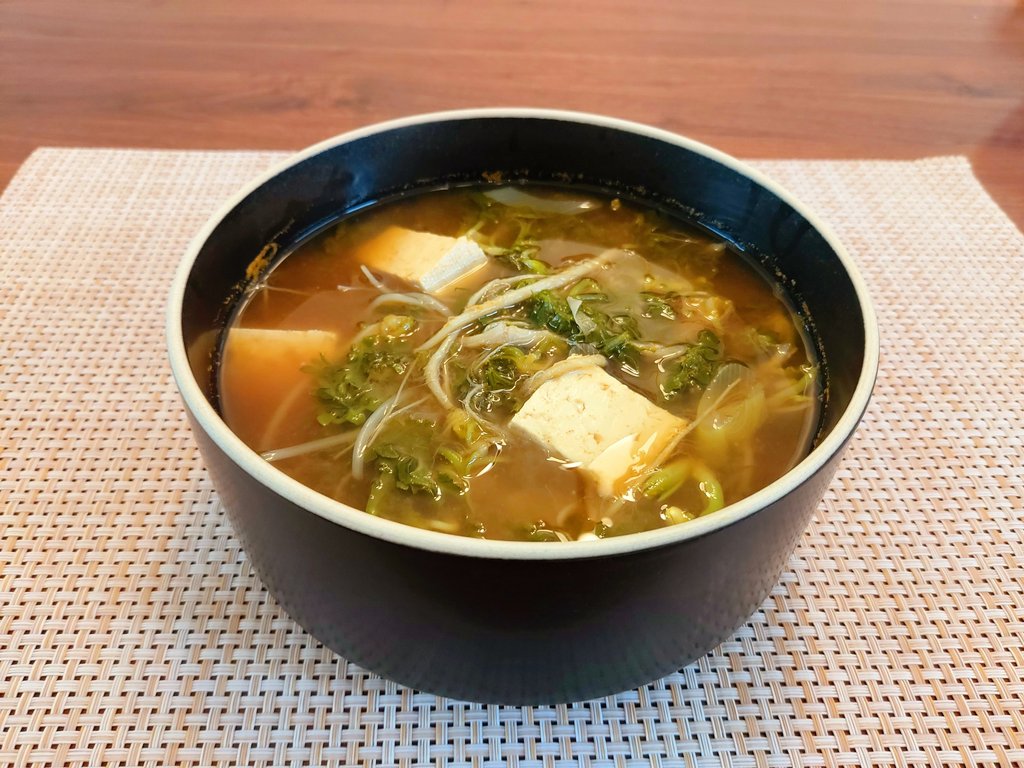
Cook Korean Food with What You Have
K-Fridge scans your fridge and tells you what Korean dishes you can make right now. No more guessing.