Rosé Tteokbokki: How Korea's Pink, Creamy Rice Cakes Went Mainstream
Rosé tteokbokki — gochujang rice cakes mellowed with cream — went from a snack-shop experiment to one of the most-ordered tteokbokki styles in Korea. The story, why it works, and 3 ways to make it at home.
Why Everyone Is Talking About It
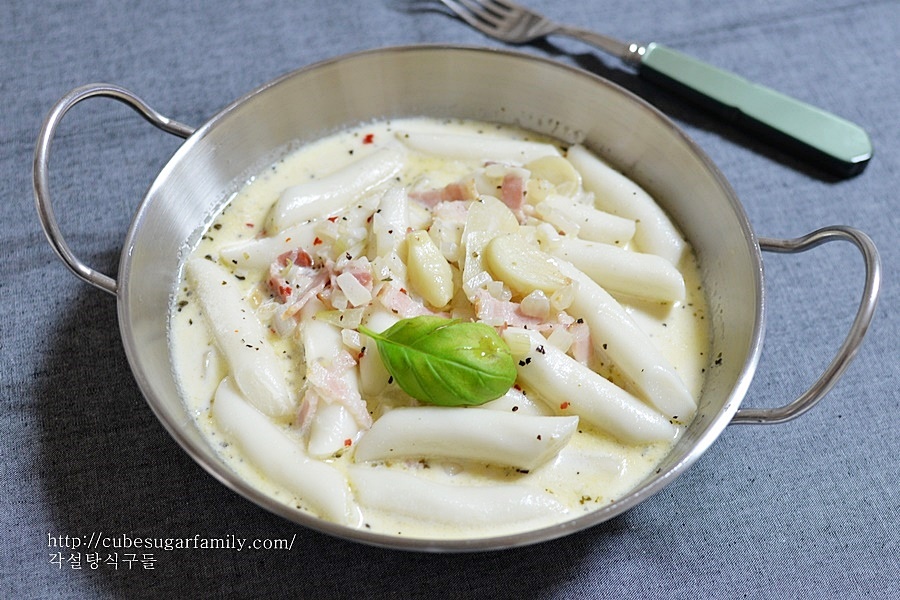
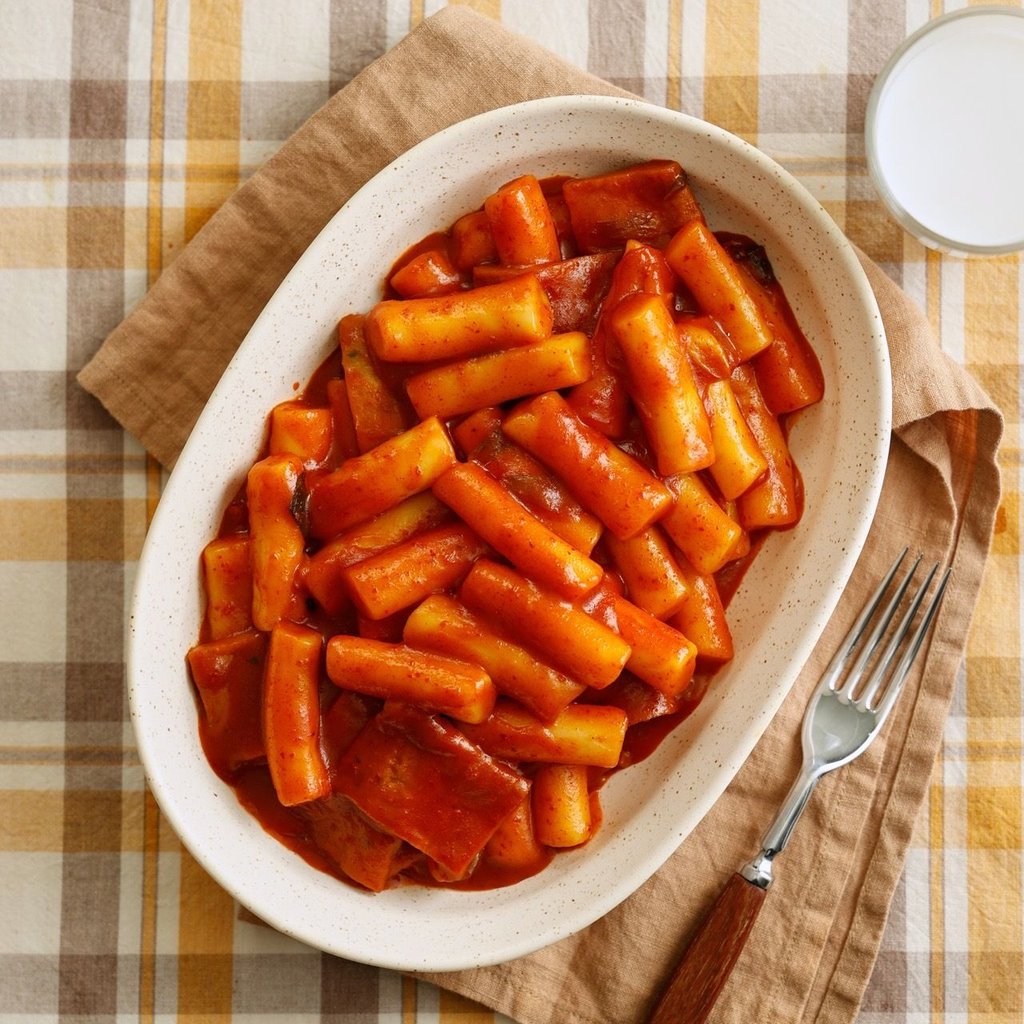
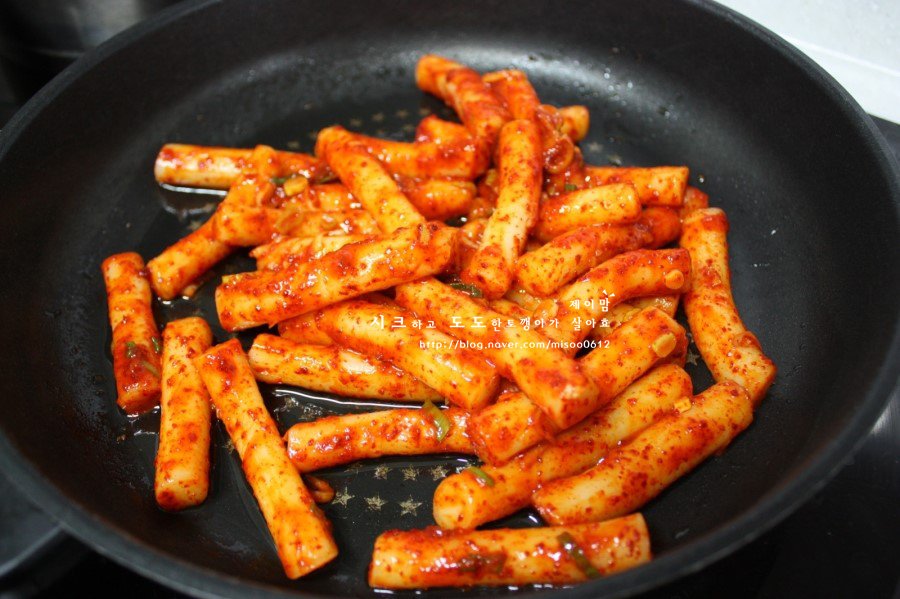
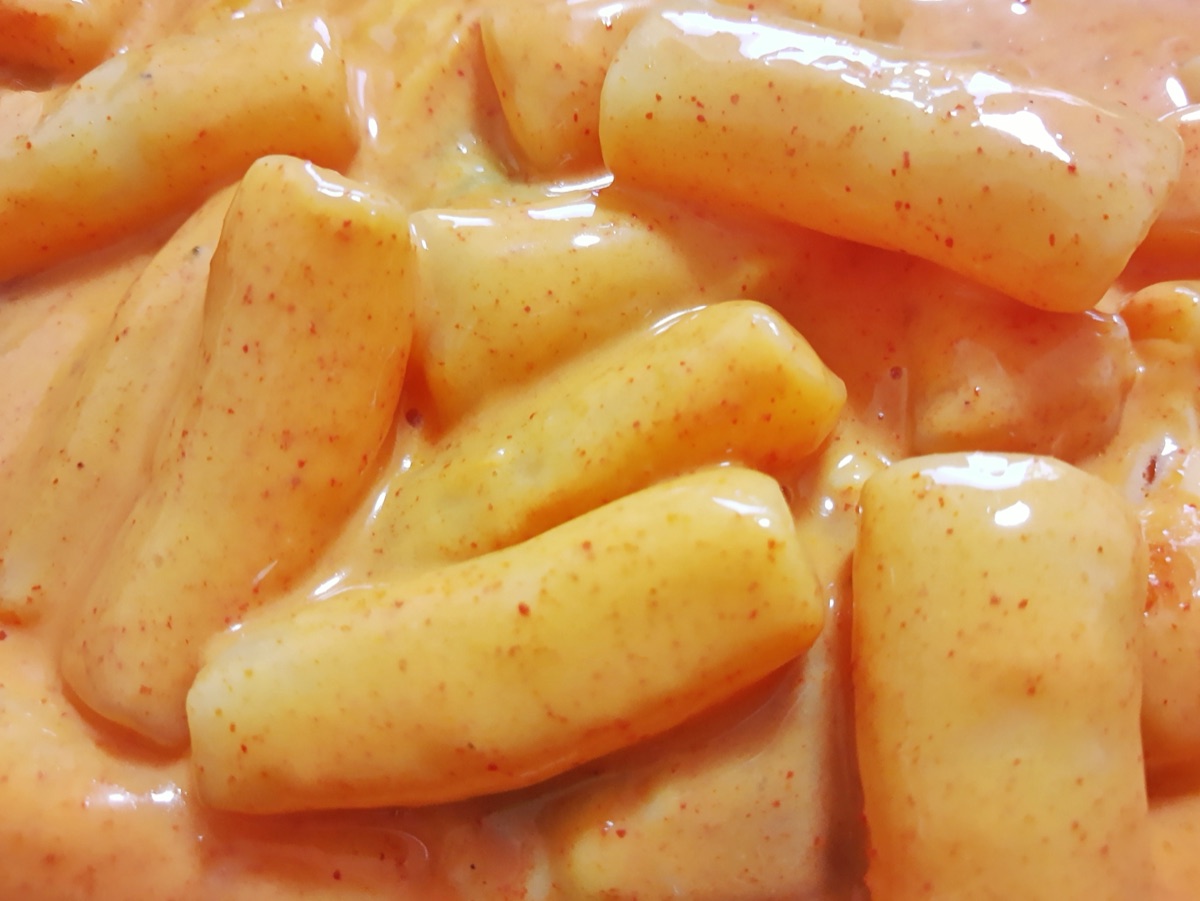
Order tteokbokki in Seoul today and there's a good chance the question back is: "Red or rosé?" The classic bright-red, gochujang-and-sugar version is still the default at street stalls. But in delivery apps, chain restaurants, and the frozen aisle, the pink one — rosé tteokbokki, chewy rice cakes in a creamy, blush-colored gochujang sauce — has become a standard option. It's milder, richer, and photographs beautifully, and it's now showing up on Korean restaurant menus in the US and in TikTok feeds as "creamy gochujang" everything.
If regular tteokbokki is a little too fierce for you, or you already love it and want to know what the fuss is about, this is the one.
Where It All Started
Tteokbokki itself has been Korea's favorite street snack since the 1950s, when a Seoul vendor is said to have first stirred gochujang into stir-fried rice cakes. For decades it stayed red. The cream came later, and in stages.
The first step was Korea's love affair with "rosé" pasta — Italian-style tomato-cream sauce, named for its pink color, which became a fixture of Korean family restaurants in the 2000s. Street-food vendors and snack shops (bunsikjeom) started experimenting: what if you stirred cream into the gochujang sauce the same way? The result kept the chewy rice cakes and the sweet-spicy base but rounded off the burn into something closer to a vodka sauce.
For years it was a novelty item on a few menus. Then it found its real home: delivery. Around the turn of the 2020s, delivery-only tteokbokki brands built entire menus around rosé, with fish cakes, sausages, ramen noodles, and heaps of mozzarella in a big foil tray. During the pandemic, when Koreans were ordering in constantly, rosé tteokbokki became one of the most-ordered dishes on the apps. By the time restaurants reopened, "rosé" wasn't a variant anymore — it was a category.
Why It Blew Up
It answered tteokbokki's biggest complaint. Classic tteokbokki is sweet, spicy, and a bit one-note; the heat can be too much for kids and spice-averse adults. Cream solves that without losing the gochujang character. The fermented chili flavor is still there — it's just wrapped in fat, which carries flavor and tames capsaicin.
It travels well. Classic tteokbokki keeps thickening as it sits, and the rice cakes stiffen; by the time a delivery arrives it can be gluey. A cream-based sauce stays looser and is more forgiving to reheat with a splash of milk. For a dish that was increasingly eaten out of a foil tray at home, that mattered.
It's built for toppings. Rosé sauce is a base, not a finished flavor. Mozzarella, bacon, sausage, mushrooms, a soft egg, ramen noodles — everything that works in a cream pasta works here. Delivery chains leaned into this with build-your-own menus, which made every order feel customized.
It looks good. Pink sauce, white cheese pull, green onion on top. Rosé tteokbokki was made for a phone camera, and in Korea, dishes that photograph well spread fast.
And it fit a bigger shift. The same years brought cream-heavy Korean-Italian fusion everywhere — rosé ramen, cream carbonara Buldak, rosé jjimdak. Rosé tteokbokki was the most natural version of the idea, because tteokbokki sauce and tomato-cream sauce already share a sweet-and-savory backbone.
How It Keeps Evolving
In Korea, rosé is now standard. Most tteokbokki chains offer it as a default option alongside red, frozen and ready-to-heat rosé kits fill convenience stores, and instant cup versions are common. Samyang even made a Rosé Buldak noodle. The new experiments have moved on to things like rosé with crab or shrimp, rosé with truffle oil, and "half and half" trays of red and rosé.
In the US, it's arriving two ways. Korean restaurants and tteokbokki specialists in LA, New York, and the Bay Area have added rosé to their menus, often as the "mild" option that converts first-timers. At the same time, the frozen Korean section at H Mart and some mainstream grocers now carries rosé tteokbokki kits — rice cakes plus a sauce pouch — that cook in about ten minutes. If you've seen "creamy gochujang pasta" or "gochujang vodka sauce" on a food blog or a restaurant menu, that's rosé tteokbokki's sauce wearing different clothes.
At home, it's one of the easiest Korean dishes to adapt. You need rice cakes, gochujang, and something creamy. Heavy cream is traditional, but milk plus a slice of cheese works, and so does a splash of coconut milk if you want it dairy-free. The ratio is forgiving: more cream for a milder, pinker sauce, less for something closer to classic red. Below are the three versions worth knowing — the classic, the rabokki (with ramen), and a 10-minute cheat with an instant cup.
And if you haven't had the red original, start there: our classic tteokbokki is the baseline all of this came from.
Try It at Home
1. Classic Rosé Tteokbokki
The delivery-shop version, scaled for two. Gochujang and gochugaru for the base, cream and a little milk for the blush, fish cakes for chew, and mozzarella at the end. If you make one version, make this one.
Ingredients
- 1 lb (450 g) Korean rice cakes (tteok), cylinder type
- 1 cup (240 ml) heavy cream
- 1/2 cup (120 ml) milk
- 1 cup water or anchovy stock, plus more as needed
- 2 Tbsp gochujang
- 1 Tbsp gochugaru (adjust to taste)
- 1 Tbsp soy sauce
- 1 Tbsp sugar
- 2 cloves garlic, minced
- 2 sheets fish cake (eomuk), sliced
- 1 Vienna sausage or hot dog, sliced (optional)
- 1/2 cup shredded mozzarella
- 1 green onion, sliced
Steps
- If the rice cakes are hard or refrigerated, soak them in warm water for 10 minutes so they cook evenly.
- In a wide pan, combine the water (or stock), gochujang, gochugaru, soy sauce, sugar, and garlic. Bring to a simmer and stir until the paste dissolves.
- Add the rice cakes and fish cakes. Simmer 5–6 minutes, stirring so nothing sticks, until the rice cakes are soft all the way through — if the pan looks dry before then, add a splash more water.
- Pour in the cream and milk. Lower the heat and simmer gently 3–4 minutes, stirring, until the sauce turns pink and thickens enough to coat the rice cakes.
- Add the sausage if using. Taste — more gochugaru for heat, a splash of milk if it's too strong.
- Scatter mozzarella over the top, cover for a minute to melt, and finish with green onion. Eat immediately; the sauce thickens as it cools.
Worth buying for this
- Korean rice cakes (cylinder tteok) — refrigerated or frozen; see our rice cake guide
- Gochujang — any mainstream brand works here
- Korean fish cake (eomuk) — frozen sheets, the classic chew
2. Rosé Rabokki (With Ramen)
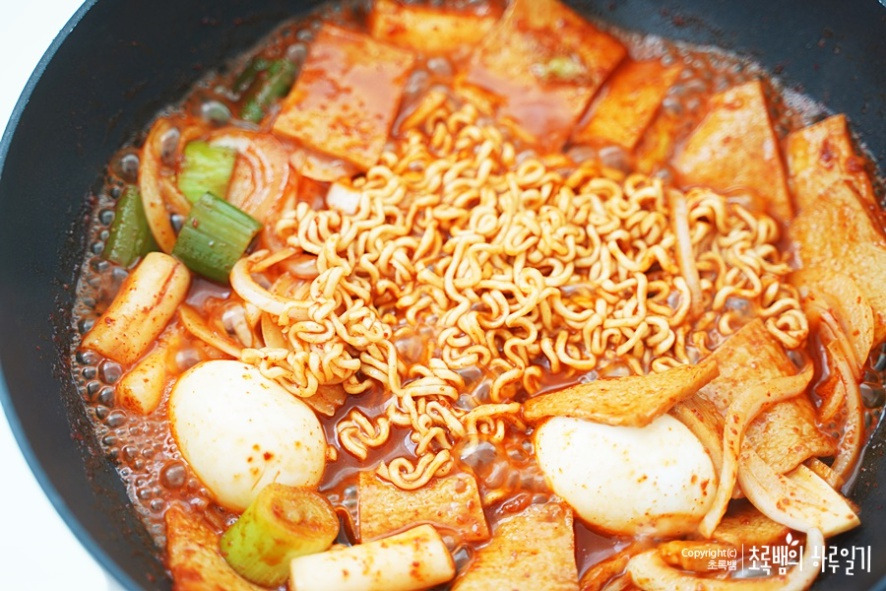
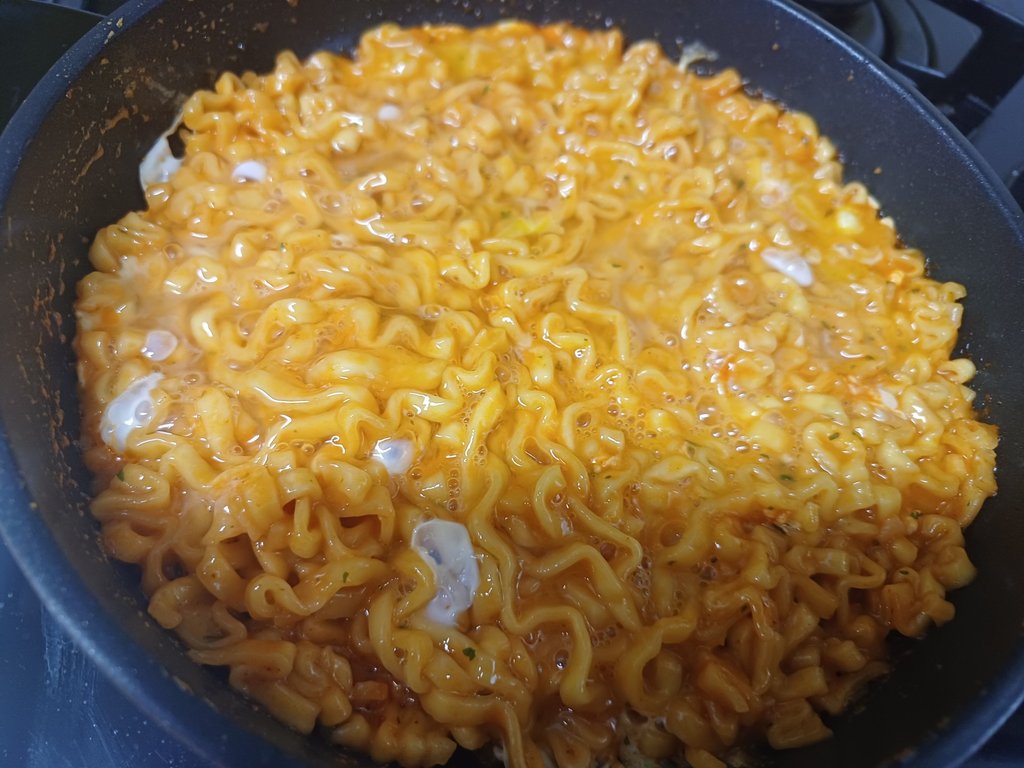
Rabokki is tteokbokki with a brick of instant ramen cooked right in the sauce — one of the most popular ways to order rosé in Korea. The noodles soak up the cream sauce and the whole thing becomes a one-pan meal.
Ingredients
- Everything from the classic recipe above
- 1 pack instant ramen noodles (discard or save the soup packet)
- 1/2 cup extra water
- 1 soft-boiled egg, halved (optional)
Steps
- Make the classic recipe through step 3 (add the sausage here if using), with the extra 1/2 cup of water since the noodles will absorb it.
- Add the cream and milk, then lay the dry ramen brick in the pan and push it under the sauce.
- Simmer 3–4 minutes, loosening the noodles with chopsticks as they soften. Add a splash more milk if the sauce gets too thick before the noodles are done.
- Finish with mozzarella and green onion as before, and top with the halved egg.
3. 10-Minute Cheat: Instant Tteokbokki Cup, Rosé'd
If you have an instant tteokbokki cup (the kind with dried rice cakes and a red sauce packet), you can turn it rosé in the time it takes to boil water. This is the dorm-room version and it's genuinely good.
Ingredients
- 1 instant tteokbokki cup or kit (spicy or original flavor)
- 3 Tbsp heavy cream or 1/4 cup milk + 1 slice American cheese
- 1 Tbsp shredded mozzarella (optional)
Steps
- Cook the cup according to the package, but hold back a little of the water — about 10–15% less — so the sauce has room for the cream.
- When the rice cakes are soft and the sauce has thickened, stir in the cream (or the milk and cheese slice) and heat 30 seconds more until pink and glossy.
- Top with mozzarella if you have it. Done.