Eolmeok (얼먹): Why Korea Is Freezing Gummy Candy — and TikTok Followed
What is eolmeok? Korea's frozen gummy trend explained — the crackly-then-chewy texture, the 1,786% Haribo sales spike, the Sprite-soaked variation — plus how to freeze candy the right way at home.
Why Everyone Is Talking About It
The biggest Korean food trend of early 2026 requires no oven, no special ingredients, and almost no money: you buy a bag of gummy candy, put it in the freezer for a few hours, and eat it. The entire technique fits in one sentence.
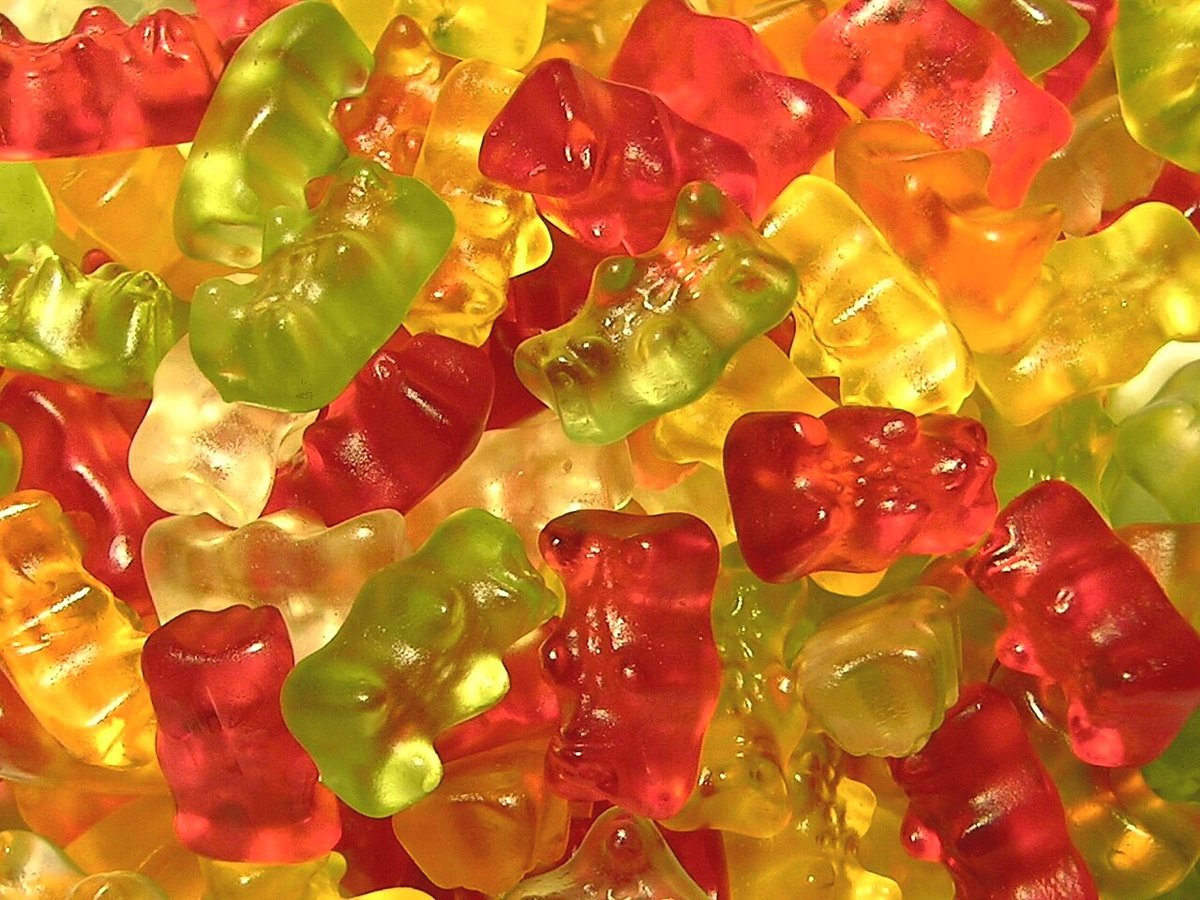
It's called eolmeok (얼먹) — Korean shorthand for "freeze and eat" — and the numbers around this absurdly simple idea are anything but small. When the trend peaked in February, GS25 convenience stores reported jelly-category sales up 44.6% in ten days, with Haribo Golden Bears — the community's favorite freezing candidate — up 1,786%. The Korean search term for it was pulling over 31,000 monthly searches according to keyword tracker BlackKiwi, freezer-candy ASMR videos were racking up hundreds of thousands of views in days, and the trend has since jumped the language barrier: TikTok now knows it as "jelly eolmeok," and American creators are running their own Sprite-soaked variations.
As someone who usually writes about dishes that take actual cooking, I find this one delightful: it may be the lowest-effort food trend Korea has exported yet. Here's why frozen gummies work, which candies freeze best, and the two-step upgrade that turns a convenience-store bag into something close to Japanese crystal candy.
Where It All Started
Freezing candy isn't new — kids everywhere have always thrown things in the freezer to see what happens. What Korea did was turn it into a systematic texture project. The trend grew out of the same obsession that powered the du-jjon-ku cookie and butter tteok waves we've covered before: Korean dessert culture's ongoing love affair with texture contrast — the "crispy outside, chewy inside" ideal that Koreans compress into the word geot-ba-sok-jjon.
A properly frozen gummy nails that ideal with zero cooking. Straight from the freezer, the sugar-dense candy doesn't freeze solid like ice — it goes glassy and hard at the surface, so the first bite lands with an audible kwajik (the Korean onomatopoeia for a sharp crack), and then, as it warms in your mouth, the interior revives into a slow, dense chew that's noticeably springier than the same candy at room temperature. Cold also mutes sweetness, so the fruit flavors read cleaner and more sour. One candy, three textures, two flavor states. For a food culture that rates snacks by mouthfeel physics, that's a jackpot.
Korean snack reviewers and streamers built a whole taxonomy around it: which gummies shatter, which turn pleasantly dense, which become dental hazards. The consensus rankings spread through TikTok and YouTube — one Korean snack channel's frozen-jelly ASMR video reportedly passed 860,000 views in a week — and the convenience stores watched their candy aisles empty accordingly.
The name itself tells you how casually this all started. Eol-meok is just "eol-lyeo meok-gi" (얼려 먹기, freeze-and-eat) squeezed into two syllables — the same compression Korean internet slang applies to everything. There's a whole family of these: jjil-meok for steam-and-eat, bi-meok for mix-and-eat. When a preparation method gets its own two-syllable nickname, that's usually the moment it's officially a trend.
Why It Blew Up
Three things made eolmeok travel fast. First, the barrier to entry is functionally zero — no kataifi to hunt down, no molds, no technique. A bag of gummies costs a couple thousand won and every trend-follower already owns a freezer. After a year of 5,000-won trend desserts, the cheapest trend in memory felt almost rebellious.
Second, it's built for ASMR. The freezer-crack sound is the whole hook of the video format — creators tap frozen gummies with their nails, snap them on camera, and let the kwajik do the marketing. Sound-first food content travels internationally with no translation needed, which is a big part of how a Korean-named trend ended up in American feeds mostly intact — English-language coverage from Newsweek to Food Network has picked up the frozen-gummy wave, with the Sprite-soaked gummy bear version becoming its own US TikTok staple.
Third, there's a ranking meta-game. Because every gummy freezes differently, the trend generates infinite content: freeze-testing the whole Haribo line, sour belts versus cola bottles, the discovery that some soft gummies turn chewier while hard ones shatter. Korean fans crowned specific winners — Haribo's squishier varieties reportedly freeze chewy rather than rock-hard, which made certain 2,200-won bags sell out repeatedly — and the hunt for the perfect freezing candy became a hobby in itself.
Timing helped, too. The trend crested out of a Korean winter and rolled straight into snack-buying season — and as I write this in midsummer, it's having its obvious second act: frozen candy makes considerably more sense in July than February. If you're looking for a Korean food trend to try with kids this summer, this is an easy pick — the total investment is a bag of gummies and an afternoon.
How It Keeps Evolving
The main evolution is the two-step soak method, and it's genuinely clever: soak gummies in a lemon-lime soda like Sprite (or Korean cider) for several hours until they swell and absorb the liquid, then freeze them. The soda plumps the candy and the freeze sets a thin, sugary, glass-like shell around a softer interior — a homemade approximation of kohakuto, the Japanese "crystal candy" whose crisp shell and jelly heart made it a viral dessert in its own right. Korean fans explicitly frame the soak-and-freeze as budget kohakuto, and the Japanese candy itself is riding a revival on the trend's coattails.
From there it fans out the way these things do: freezing every candy category to see what survives (marshmallows: yes; caramels: approach with caution), frozen jelly dropped into sparkling drinks as slow-melting fruit ice, yogurt-dipped frozen gummies, and the inevitable convenience-store response — Korean chains now merchandise "freezer-friendly" jelly picks, and gummy makers have leaned in with softer varieties that reportedly freeze chewy rather than rock-hard.
One honest caution before the how-to: dentists have publicly warned about this trend, and they have a point — a deep-frozen dense gummy is legitimately hard. The Korean community's own advice is the right advice: favor thin, soft candies (belts, strips, smaller bears), let pieces sit a minute out of the freezer, and let the first bite be a careful one. Trend responsibly.
Try It at Home
1. Classic Eolmeok (the Baseline)
The entry point — one bag, one freezer, three hours. The candy you choose matters more than anything you do, so start with the community-approved picks.
Ingredients
- 1 bag soft gummy candy — sour belts, gummy strips, or softer-style bears work best
- An airtight container (prevents freezer-smell absorption)
Steps
- Spread the gummies in a single layer in the container — clumped gummies freeze into one megagummy.
- Freeze 3-4 hours. Overnight works but maximizes the hardness (and the dental risk).
- Rest 1-2 minutes at room temperature before eating — the surface stays crackly while the interior softens slightly.
- Thin candies like sour belts are the beginner move: full crack, minimal jaw commitment.
- Skip anything with a chocolate or yogurt coating for the plain freeze — the coating blooms white and waxy in the freezer. Save those for the dipped version below.
Freezer-tested favorites
- Haribo Goldbears — the trend's flagship — freezes dense and chewy
- Sour belts / sour strips — thin = safe crack, big sour payoff cold
2. Sprite-Soaked Frozen Gummies (Budget Kohakuto)
The upgrade that made the trend a second trend: soda-swollen gummies that freeze into a thin glassy shell over a soft jelly heart — the closest a convenience store gets to Japanese crystal candy.
Ingredients
- 1 cup gummy bears or soft gummies
- Lemon-lime soda (Sprite, 7-Up, or Korean cider) to cover
Steps
- Submerge the gummies in soda in a container and refrigerate 4-8 hours — they'll swell to roughly double size.
- Drain well and pat the surface dry (wet gummies freeze into an ice block, not a shell).
- Freeze 3-4 hours on a lined tray, pieces separated.
- Eat within a day — the swollen texture degrades if stored longer. The shell should crack; the center should wobble.
- Sour soda variants work too, but skip anything with real sugar syrup on the surface — pre-coated sour gummies shed their sanding sugar into the soak.
If you want the real thing
- Kohakuto (Japanese crystal candy) — the dessert this hack imitates
3. Frozen Jelly Soda (Summer Glass)
Frozen gummies as slow-melting flavor ice: drop them into a cold sparkling drink and they chill it, flavor it, and finish as a chewy prize at the bottom of the glass.
Ingredients
- A handful of frozen gummies (any from above)
- Sparkling water, lemon-lime soda, or ade of choice
- Ice, lemon slice (optional)
Steps
- Fill a glass with the frozen gummies and a little ice.
- Pour the sparkling drink over and give it one gentle stir.
- Drink slowly — the gummies release flavor as they thaw and turn chewable by the last sip.
- Kid-party trick: use clear soda and mixed-color gummies for a stained-glass look.
4. Yogurt-Dipped Frozen Gummies
The snack-ification branch: a yogurt shell around the frozen chew, which lands somewhere between candy and frozen yogurt bites — and takes the edge off the hardness for younger eaters.
Ingredients
- 1 cup gummies, pre-frozen 2 hours
- 1/2 cup thick Greek yogurt + 1 tsp honey
- Optional: crushed freeze-dried strawberries for rolling
Steps
- Stir honey into the yogurt until glossy.
- Dip each cold gummy to coat, then set on a lined tray; dust with the strawberry powder if using.
- Freeze another 1-2 hours until the shells set.
- Store frozen in an airtight container up to a week — softer bite than straight eolmeok, same crack-then-chew idea.