Culinary Class Wars Food Guide: The Chestnut Tiramisu and Every Dish Korea Couldn't Stop Buying
By Logan · Published 2026-09-07
What happened after Culinary Class Wars aired? The chestnut tiramisu that reportedly sold over 4 million cups and breads, the convenience-store collab race, the restaurant booking spikes — and how to cook the show's biggest hits at home.
Why Everyone Is Talking About It
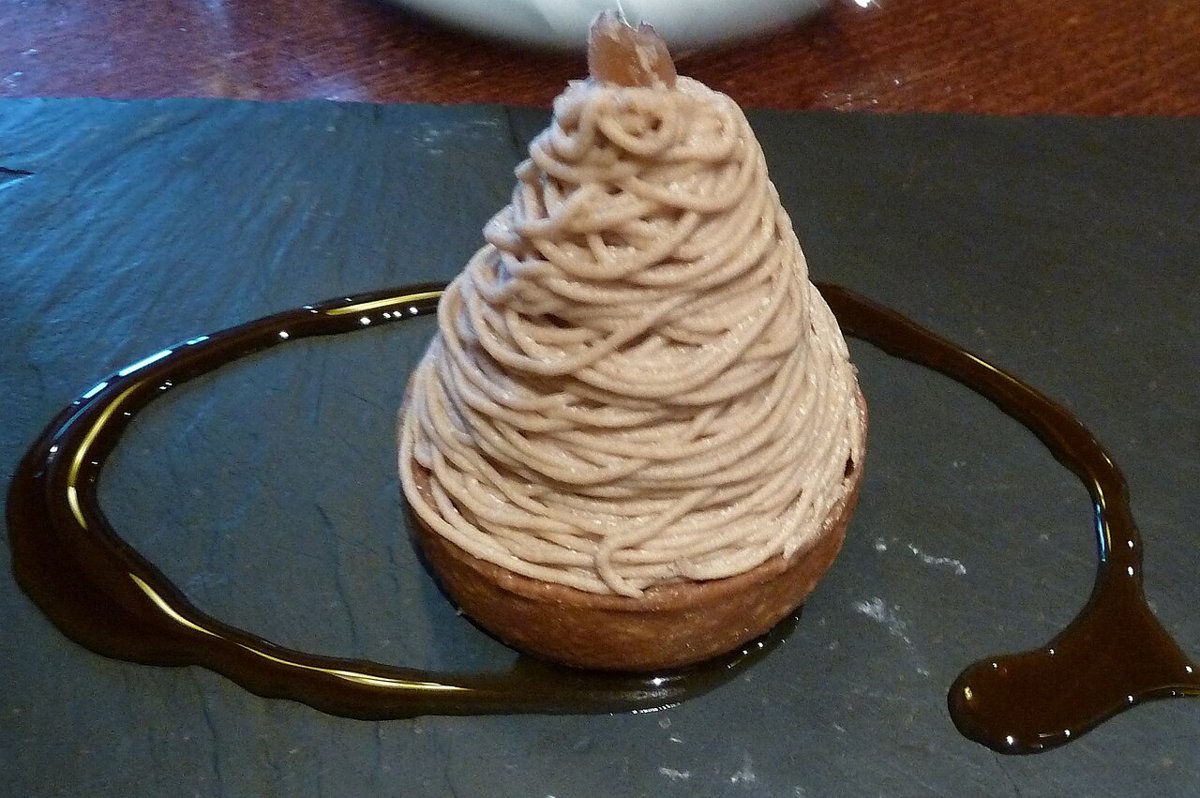
If you watched Culinary Class Wars on Netflix — and statistically, a lot of you did; season one was the first Korean variety show to top Netflix's global non-English TV chart for three straight weeks — you probably remember the chestnut tiramisu. (If you haven't watched: season one aired in fall 2024; season two arrived December 16, 2025, went straight to #1 in Korea, and entered Netflix's global non-English TOP 10.) A finalist nicknamed the "Napoli Matfia" was handed a convenience-store-ingredients challenge, walked out with bagged roasted chestnuts and a chestnut cream bread, and improvised a dessert the judges compared to hotel patisserie work. It won the round — and then it took over Korean convenience stores.
Within weeks, CU convenience stores had turned his recipe into an actual product; the chestnut tiramisu cup reportedly sold out on launch and went on to move some 2.5 million units, with the follow-up bread version adding 1.85 million more — over 4 million chestnut tiramisu products from one chain, from one scene of one show. That's the thing about Culinary Class Wars: it isn't just a cooking competition. It has become, by Korean industry's own description, a food-marketing platform — and its aftershocks are a trend category of their own. Here's what the show actually did to Korean food culture — and how to cook its greatest hits in your own kitchen.
Where It All Started
The show's premise, for anyone who hasn't watched: 80 underdog "black spoon" chefs versus 20 celebrity "white spoon" chefs, with dishes judged — sometimes literally blindfolded — by restaurateur Paik Jong-won and Korea's only three-Michelin-star chef, Ahn Sung-jae. The format struck a chord far beyond Korea, and the season-one finale minted new food celebrities overnight: the Italian-trained Napoli Matfia (Kwon Seong-jun), the veteran Korean-cuisine master fans nicknamed "Emokase" (a pun on emo, auntie, plus omakase), and a bench of chefs whose restaurants suddenly had year-long waitlists.
The chestnut tiramisu round became the show's signature moment precisely because of its constraint: make restaurant-quality dessert from convenience-store shelves. Kwon layered sweetened roasted chestnuts, mascarpone-style cream improvised from packaged cream bread, coffee, and cocoa into something that looked — and apparently tasted — like it belonged in a hotel lobby. It was the show's thesis in a single dish: technique beats pedigree, and great food can start from humble ingredients. Korean audiences, raised on convenience-store hacks, saw their own food culture validated on a global stage.
Why It Blew Up
The commercial aftermath moved at speeds that surprised even Korean retail. CU's chestnut tiramisu cup — developed with Kwon off the back of the episode — reportedly hit shortages immediately, with resellers flipping the 4,900-won cup for double online. Convenience rival GS25's own show-chef collaborations reportedly passed 4.5 million cumulative units. Reservation platform data told the restaurant side of the story: after season two dropped in December 2025, the top five trending restaurants in Korea were all run by show contestants, with some seeing booking-search spikes of several thousand percent.
Season two turned the collab race into a sport. Convenience chains signed contestant chefs to exclusive product deals before the show even aired — E-mart24 locked in a hotel chef from the white-spoon side, 7-Eleven launched a premium soju with fan-favorite Choi Kang-rok, and Starbucks Korea shipped a collaboration sandwich before the winner was announced. Korean industry coverage now describes the show flatly as a marketing platform: it takes chefs and turns them into IP. Surveys found nearly three-quarters of Korean viewers intended to act on the show somehow — visiting a contestant's restaurant, buying a collab product, or cooking a dish themselves.
For global viewers, the effect was different but real: the show functioned as a two-season commercial for Korean food culture itself — not just the dishes, but the approach. The convenience-store challenge, the aunties'-restaurant reverence, the elevation of home-style banchan to competition level. If you've noticed more of your non-Korean friends suddenly curious about gimbap or perilla leaves, this show is part of why.
How It Keeps Evolving
The aftershocks keep coming in waves. Each new episode drop restocks the convenience stores with chef-branded kimbap, udon, and sandwiches; each elimination sends another restaurant's waitlist into orbit. The "new star chef discovery" is now the thing Korean viewers say they watch for most, and the show has effectively become an annual draft for the food industry. Even the failures are instructive — the chestnut tiramisu itself eventually cooled (CU reformulated it as the hype faded), which in this series' terms makes it a classic short-cycle trend rather than a keeper.
But the more durable legacy might be the home-cooking wave. Korean platforms reported a surge in people attempting show dishes at home — the chestnut tiramisu became a home-baking genre of its own, with every Korean recipe site publishing a version. That's the part we can actually participate in from an American kitchen, and honestly, it's the best part: the signature dishes of the show are mostly technique-driven rather than ingredient-exotic, which makes them unusually reproducible.
A note on the tiramisu before the recipes: the authentic-to-the-show version uses Korean convenience-store chestnut products, but the dish translates beautifully with what's available in US groceries — jarred roasted chestnuts and chestnut spread (the French mont-blanc pantry, conveniently). What you're really making is a chestnut-forward tiramisu, and it's worth making regardless of whether you've seen a single episode.
Try It at Home
Some links below are affiliate links. As an Amazon Associate I earn from qualifying purchases. Learn more
1. Bam Tiramisu (the Chestnut Tiramisu, Home Version)
The reported 4-million-seller, translated for a US pantry: roasted chestnuts and chestnut spread standing in for the convenience-store originals. No baking, one dish, and it genuinely tastes like the fancy dessert it impersonates. If you can make one dessert from this whole series, make this one — it's the rare trending dish that's actually easier than it looks.
Ingredients
- 200g mascarpone (or 150g cream cheese + 50ml cream)
- 150ml heavy cream + 2 tbsp sugar
- 100g chestnut spread (crème de marrons) + 8-10 jarred roasted chestnuts
- 1 pack ladyfingers (or plain castella/pound cake, sliced)
- 120ml strong coffee, cooled; cocoa powder to finish
Steps
- Whip the cream with sugar to soft peaks, then fold in the mascarpone and half the chestnut spread until smooth.
- Dip ladyfingers briefly in coffee — a one-second dunk per side — and layer in a dish.
- Spread half the chestnut cream, dot with crumbled roasted chestnuts and the remaining spread, then repeat the layers.
- Chill at least 4 hours (overnight is better). Dust generously with cocoa and top with whole chestnuts before serving.
- The convenience-store spirit is the point — don't chase perfection, chase the chestnut-coffee-cream ratio.
The chestnut pantry (mont-blanc aisle)
- Chestnut spread (crème de marrons)(paid link) — the flavor backbone
- Roasted peeled chestnuts(paid link) — Korean bagged bam or French jarred both work
2. Convenience-Store Dessert Challenge (the Format, at Home)
The show's best idea is playable at home: set a $10 limit at any convenience store or corner market and build a plated dessert. This is the framework, learned from watching the masters improvise.
Ingredients
- One base (packaged cake, cream bread, cookies, or ice cream)
- One cream element (whipped cream, pudding cup, cream cheese, sweetened yogurt)
- One flavor anchor (chestnuts, chocolate, fruit jelly, coffee)
- One texture (crushed cookies, nuts, cereal, frozen gummies)
Steps
- Deconstruct: separate your packaged items into components — cream bread becomes 'sponge' plus 'cream.'
- Rebuild in layers in a clear cup: base, cream, anchor, repeat.
- Add the texture element only at the top so it stays crisp.
- Plate like you mean it — the show's real lesson is that presentation does half the work.
3. Emokase-Style Gyeran-Mari (Rolled Omelet, Auntie Standard)
The show's other breakout energy was reverence for Korean auntie cooking — the banchan masters. This rolled omelet is the dish that separates practiced hands from beginners, and the technique transfers to everything.
Ingredients
- 4 eggs, beaten and strained (straining = the auntie secret for a silky roll)
- 2 tbsp finely diced scallion and carrot
- Pinch of salt, 1 tsp neutral oil
Steps
- Heat a nonstick pan on medium-low; wipe with an oiled paper towel — filmed, not pooled.
- Pour a third of the egg, let it set 80%, then roll it to one side with a spatula.
- Pour the next third, lifting the existing roll so egg flows underneath; roll again. Repeat.
- Rest one minute, then slice thick. Even edges come with repetition — aunties have made ten thousand of these.
4. Mantecare-Style Butter Rice (the Risotto Trick on Korean Rice)
The Napoli Matfia's signature technique — mantecatura, beating butter into starch off-heat for a glossy finish — applied to a bowl of Korean short-grain rice. He's demonstrated the technique on Netflix's own channels, so consider this the home-shortcut application. A two-minute upgrade that makes leftover rice taste like a restaurant sent it.
Ingredients
- 1 bowl hot cooked short-grain rice
- 1 tbsp cold butter, cubed
- 1 tbsp grated parmesan
- 1 tsp soy sauce, black pepper, optional egg yolk
Steps
- Work fast while the rice is steaming hot: add the cold butter cubes and beat vigorously with a spoon until the rice turns glossy.
- Beat in the parmesan and soy sauce the same way — you're emulsifying, not mixing.
- Crown with the yolk and a lot of black pepper.
- Crown with the yolk and a lot of black pepper.
- This also works on fresh pasta, tteok, and even mashed potatoes — mantecatura is a technique, not a recipe. That's the show's whole point.